

Shortening bread, soybean (hydrogenated) and cottonseed
Whole food · Fats and Oils

Photo: Wikipedia
This is a solid, shelf-stable vegetable fat, a blend of hydrogenated soybean and cottonseed oils, commonly known as vegetable shortening. It has a neutral flavor and a smooth, creamy texture when solid, melting into a clear, viscous liquid when heated. Nutritionally, it is 100% pure fat, providing a dense source of energy with no protein, carbohydrates, or micronutrients.
Calorie split: 0% protein · 0% carbs · 100% fat
↓ Full nutrition💚 Why it's loved
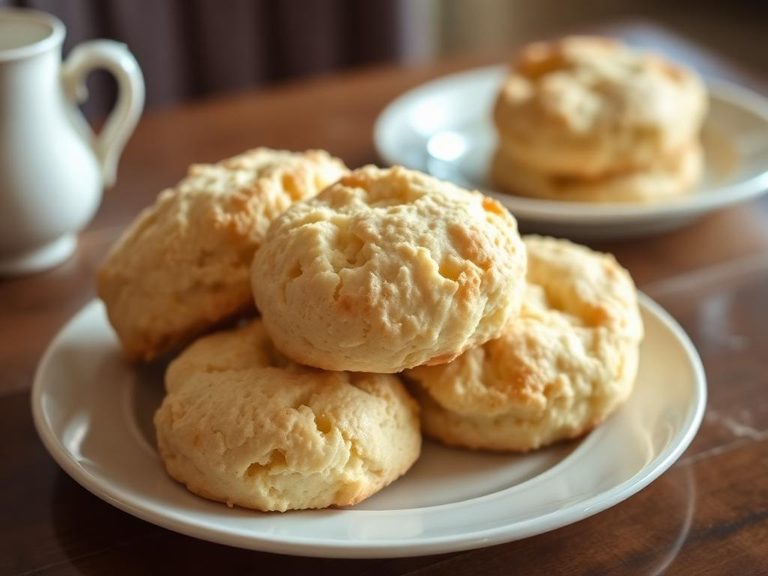
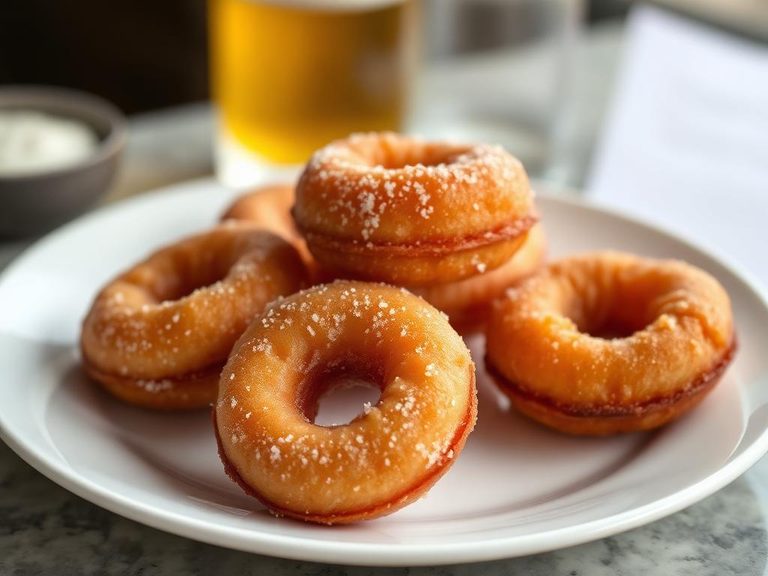
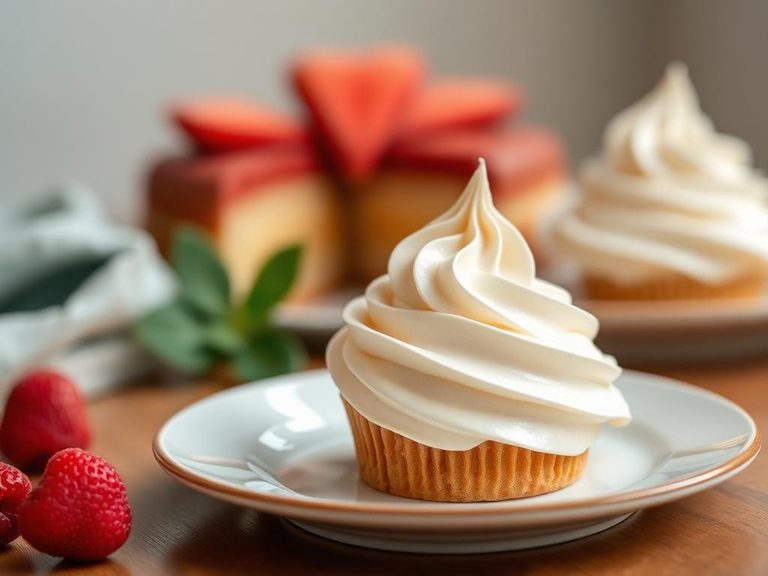
People love it for its unparalleled ability to create the perfect, flaky texture in pie crusts and biscuits, a cornerstone of American home baking. Its neutral taste and solid-at-room-temperature properties make it a versatile workhorse for everything from frying doughnuts to making creamy, stable frostings.
⚠️ Watch-outs & how to enjoy it better
As a highly processed, hydrogenated fat, it historically contained trans fats, which are linked to adverse heart health outcomes. While modern formulations are often trans-fat-free, it remains a calorie-dense, nutrient-poor fat. To counteract this, use it sparingly as a functional ingredient rather than a dietary staple, and balance meals with lean proteins, fiber-rich vegetables, and whole grains.
Key benefits
- Excellent for creating flaky, tender pastries and pie crusts
- Provides a high smoke point for deep-frying and sautéing
- Offers a long shelf life without refrigeration
- Creates a neutral flavor base that doesn't compete with other ingredients
- Enables a solid fat texture for frostings and no-bake desserts
🍽️ Popular dishes

🌍 Where it's eaten
💡 Did you know?
The brand name 'Crisco' was a marketing masterstroke, derived from 'crystallized cottonseed oil,' and its iconic blue can was one of the first products to use a recipe on the label as a marketing tool.
Full nutrition (USDA data · scales with serving)
| Water | 0.00 g |
| Energy | 884 kcal |
| Energy | 3699 kj |
| Protein | 0.00 g |
| Total lipid (fat) | 100 g |
| Ash | 0.00 g |
| Carbohydrate, by difference | 0.00 g |
| Fiber, total dietary | 0.00 g |
| Total Sugars | 0.00 g |
| Calcium, Ca | 0.00 mg |
| Iron, Fe | 0.00 mg |
| Magnesium, Mg | 0.00 mg |
| Phosphorus, P | 0.00 mg |
| Potassium, K | 0.00 mg |
| Sodium, Na | 0.00 mg |
| Zinc, Zn | 0.00 mg |
| Copper, Cu | 0.00 mg |
| Manganese, Mn | 0.00 mg |
| Selenium, Se | 0.00 ug |
| Vitamin C, total ascorbic acid | 0.00 mg |
| Thiamin | 0.00 mg |
| Riboflavin | 0.00 mg |
| Niacin | 0.00 mg |
| Pantothenic acid | 0.00 mg |
| Vitamin B-6 | 0.00 mg |
| Folate, total | 0.00 ug |
| Folic acid | 0.00 ug |
| Folate, food | 0.00 ug |
| Folate, DFE | 0.00 ug |
| Vitamin B-12 | 0.00 ug |
| Vitamin B-12, added | 0.00 ug |
| Vitamin A, RAE | 0.00 ug |
| Retinol | 0.00 ug |
| Vitamin A, IU | 0.00 iu |
| Vitamin E (alpha-tocopherol) | 6.1 mg |
| Vitamin E, added | 0.00 mg |
| Alcohol, ethyl | 0.00 g |
Fat & fatty acid profile (per 100g)
| Fatty acids, total saturated | 22.0 g |
| SFA 4:0 | 0.00 g |
| SFA 6:0 | 0.00 g |
| SFA 8:0 | 0.00 g |
| SFA 10:0 | 0.00 g |
| SFA 12:0 | 0.00 g |
| SFA 14:0 | 0.00 g |
| SFA 16:0 | 10.4 g |
| SFA 18:0 | 11.6 g |
| Fatty acids, total monounsaturated | 33.0 g |
| MUFA 16:1 | 0.00 g |
| MUFA 18:1 | 33.0 g |
| MUFA 20:1 | 0.00 g |
| MUFA 22:1 | 0.00 g |
| Fatty acids, total polyunsaturated | 40.6 g |
| PUFA 18:2 | 36.7 g |
| PUFA 18:3 | 4.0 g |
| PUFA 18:4 | 0.00 g |
| PUFA 20:4 | 0.00 g |
| PUFA 20:5 n-3 (EPA) | 0.00 g |
| PUFA 22:5 n-3 (DPA) | 0.00 g |
| PUFA 22:6 n-3 (DHA) | 0.00 g |
| Cholesterol | 0.00 mg |
| Phytosterols | 200 mg |
Amino acid profile (per 100g)
| Tryptophan | 0.00 g |
| Threonine | 0.00 g |
| Isoleucine | 0.00 g |
| Leucine | 0.00 g |
| Lysine | 0.00 g |
| Methionine | 0.00 g |
| Cystine | 0.00 g |
| Phenylalanine | 0.00 g |
| Tyrosine | 0.00 g |
| Valine | 0.00 g |
| Arginine | 0.00 g |
| Histidine | 0.00 g |
| Alanine | 0.00 g |
| Aspartic acid | 0.00 g |
| Glutamic acid | 0.00 g |
| Glycine | 0.00 g |
| Proline | 0.00 g |
| Serine | 0.00 g |
FAQ
What is the difference between shortening and butter?
Shortening is 100% fat with a higher melting point, creating flakier baked goods. Butter is about 80% fat with water and milk solids, adding flavor but less tenderness. Shortening is also vegan, unlike dairy-based butter.
Can I substitute butter for shortening in recipes?
Yes, but with adjustments. Use 1 tablespoon less butter per cup of shortening called for, as butter contains water. The final product may be less tender and more flavorful, with a different texture.
Is hydrogenated vegetable shortening safe to eat?
Modern shortening is formulated to be trans-fat-free and is considered safe for consumption in moderation as part of a balanced diet. Its primary role is as a functional fat for texture in cooking and baking.
Nutrient density (calculated · NRF9.3)
Nutrient Rich Foods index: beneficial nutrients (protein, fiber, vitamins, minerals) minus saturated fat, added sugar & sodium, per 100 kcal.
NRF9.3 index — Fulgoni, Keast & Drewnowski, 2009. Computed from USDA nutrients.
Weight-loss friendliness (composite index)
Energy density 8.84 kcal/g · 0% calories from protein · 0.0 g fiber · 0.0 g sugar per 100 g.
Composite of energy density (Rolls et al., 1999), protein & fiber satiety, minus sugar. A calculated heuristic — ranks satiety-per-calorie, not a clinical measure.
Dietary load (calculated from USDA values)
Potential renal acid load. Positive = acid-forming, negative = alkaline-forming.
Sodium:potassium per WHO potassium guidance. Computed from USDA nutrients.