

Seal, bearded (Oogruk), meat, partially dried (Alaska Native)
Whole food · American Indian/Alaska Native Foods

Photo: Wikipedia
Oogruk is a traditional Alaska Native food made from the partially dried meat of the bearded seal, a staple of the Arctic marine diet. It has a dense, jerky-like texture and a deep, savory, umami-rich flavor with a distinct taste of the sea. Nutritionally, it is an extraordinary source of lean protein, providing over 60 grams per 100g with virtually no fat or carbohydrates.
Calorie split: 92% protein · 0% carbs · 8% fat
↓ Full nutrition💚 Why it's loved
People love it for its intense, concentrated marine flavor and its cultural significance as a connection to ancestral hunting traditions and the Arctic environment. Its chewy, satisfying texture makes it a potent and portable snack.
⚠️ Watch-outs & how to enjoy it better
The strong, fishy taste and very tough, chewy texture can be challenging for those unaccustomed to preserved meats. It is extremely high in protein, so overconsumption without adequate hydration could stress the kidneys; it's best enjoyed in moderation as part of a varied diet.
Key benefits
- Exceptionally high in complete protein for muscle maintenance.
- Naturally zero in carbohydrates and sugars.
- Very low in fat, making it a lean energy source.
- A traditional, preserved food with a long shelf life.
- Rich in minerals like iron and zinc from seal meat.
🍽️ Popular dishes
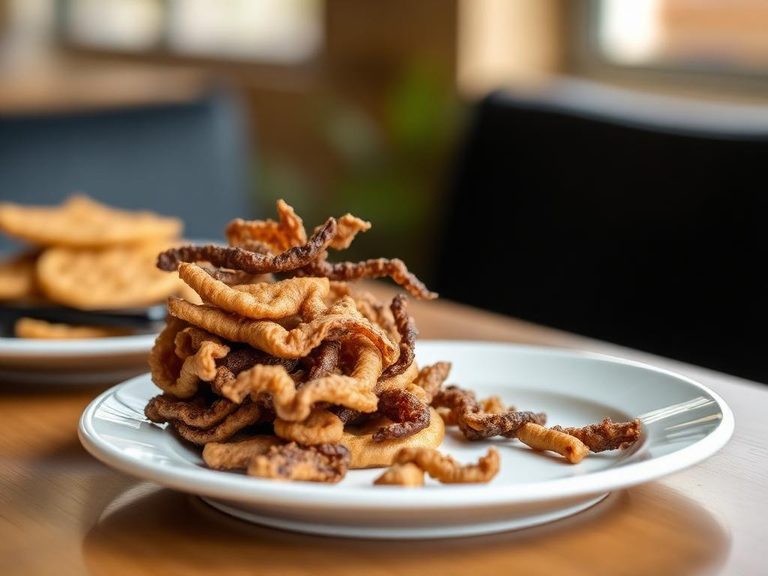
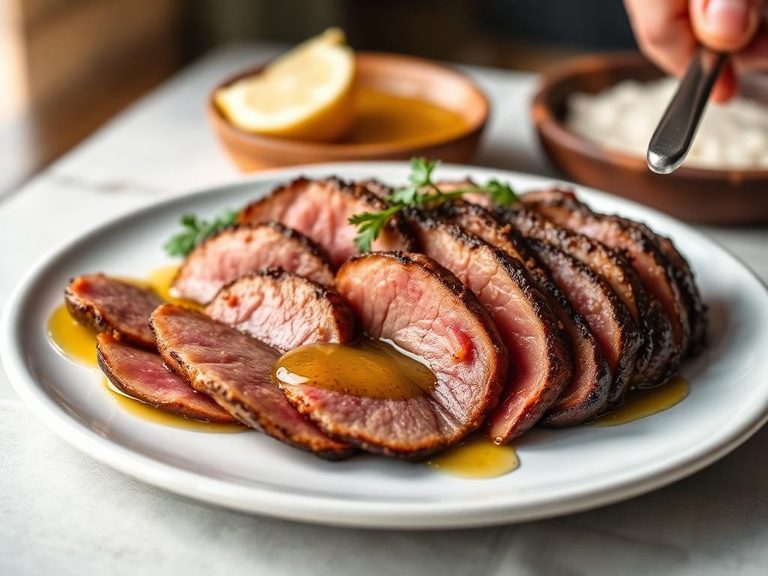
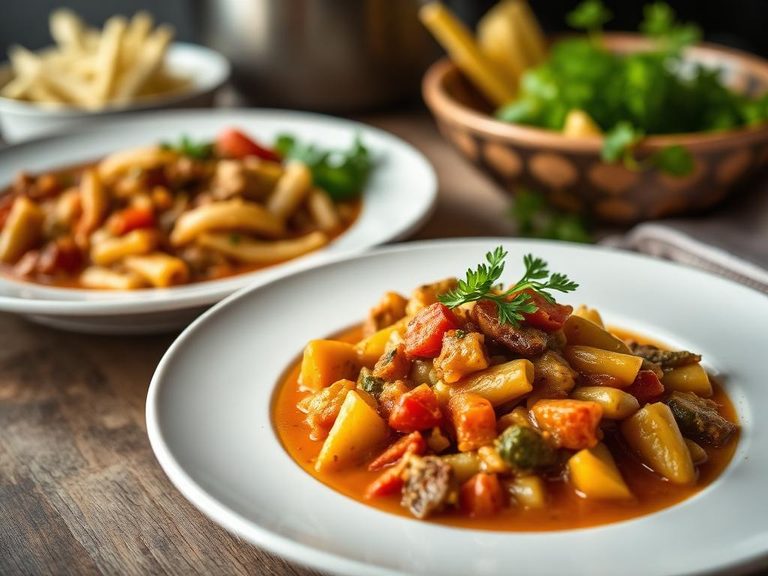
🌍 Where it's eaten
💡 Did you know?
The process of making oogruk involves carefully hanging strips of seal meat to dry in the cold, dry Arctic air, often inside a special cache or tent, which concentrates its flavor and preserves it for months.
Full nutrition (USDA data · scales with serving)
| Water | 34.9 g |
| Energy | 270 kcal |
| Energy | 1131 kj |
| Protein | 62.4 g |
| Total lipid (fat) | 2.3 g |
| Ash | 2.8 g |
| Carbohydrate, by difference | 0.00 g |
| Total Sugars | 0.00 g |
| Sucrose | 0.00 g |
| Glucose | 0.00 g |
| Fructose | 0.00 g |
| Lactose | 0.00 g |
| Maltose | 0.00 g |
| Galactose | 0.00 g |
| Starch | 0.00 g |
| Calcium, Ca | 9.0 mg |
| Iron, Fe | 33.0 mg |
| Magnesium, Mg | 62.0 mg |
| Phosphorus, P | 510 mg |
| Potassium, K | 960 mg |
| Sodium, Na | 130 mg |
| Zinc, Zn | 5.0 mg |
| Copper, Cu | 0.31 mg |
| Manganese, Mn | 0.04 mg |
| Vitamin C, total ascorbic acid | 0.00 mg |
| Folate, total | 0.00 ug |
| Folic acid | 0.00 ug |
| Folate, food | 0.00 ug |
| Folate, DFE | 0.00 ug |
| Choline, total | 103 mg |
| Betaine | 26.3 mg |
| Vitamin A, RAE | 0.00 ug |
| Carotene, beta | 0.00 ug |
| Carotene, alpha | 0.00 ug |
| Cryptoxanthin, beta | 0.00 ug |
| Vitamin A, IU | 0.00 iu |
| Lycopene | 0.00 ug |
| Lutein + zeaxanthin | 0.00 ug |
| Vitamin E (alpha-tocopherol) | 0.07 mg |
| Tocopherol, beta | 0.00 mg |
| Tocopherol, gamma | 0.00 mg |
| Tocopherol, delta | 0.00 mg |
| Tocotrienol, alpha | 0.00 mg |
| Tocotrienol, beta | 0.00 mg |
| Tocotrienol, gamma | 0.00 mg |
| Tocotrienol, delta | 0.00 mg |
| Vitamin K (phylloquinone) | 0.00 ug |
| Vitamin K (Dihydrophylloquinone) | 1.6 ug |
| Vitamin K (Menaquinone-4) | 0.00 ug |
| Alcohol, ethyl | 0.00 g |
| Caffeine | 0.00 mg |
Fat & fatty acid profile (per 100g)
Estimated from Seal, bearded (Oogruk), meat, dried (Alaska Native) — USDA does not publish this profile for Seal.
| Fatty acids, total saturated | 0.60 g |
| Fatty acids, total monounsaturated | 1.3 g |
| Fatty acids, total polyunsaturated | 0.37 g |
| PUFA 18:2 | 0.03 g |
| PUFA 18:3 | 0.02 g |
Amino acid profile (per 100g)
| Tryptophan | 0.60 g |
| Threonine | 2.4 g |
| Isoleucine | 2.4 g |
| Leucine | 4.8 g |
| Lysine | 5.1 g |
| Methionine | 1.3 g |
| Cystine | 0.34 g |
| Phenylalanine | 2.5 g |
| Tyrosine | 1.6 g |
| Valine | 2.4 g |
| Arginine | 3.5 g |
| Histidine | 2.2 g |
| Alanine | 3.6 g |
| Aspartic acid | 5.2 g |
| Glutamic acid | 8.3 g |
| Glycine | 3.3 g |
| Proline | 2.9 g |
| Serine | 2.3 g |
FAQ
How is oogruk different from regular beef jerky?
Oogruk is made from marine mammal (seal) meat, giving it a distinct, richer, and more 'oceanic' flavor compared to land animal jerky. Its texture is often denser and less fibrous than beef jerky.
Is it safe to eat raw?
Oogruk is traditionally dried and preserved, not served raw. The drying process reduces moisture and makes it shelf-stable, but it is consumed in its dried or rehydrated state.
Can I substitute it in recipes?
Due to its unique flavor and texture, it's difficult to substitute directly. For a similar protein boost in a stew, you might use other dried fish or lean game meat, but the specific taste of oogruk is irreplaceable.
Nutrient density (calculated · NRF9.3)
Nutrient Rich Foods index: beneficial nutrients (protein, fiber, vitamins, minerals) minus saturated fat, added sugar & sodium, per 100 kcal.
NRF9.3 index — Fulgoni, Keast & Drewnowski, 2009. Computed from USDA nutrients.
Weight-loss friendliness (composite index)
Energy density 2.70 kcal/g · 92% calories from protein · 0.0 g fiber · 0.0 g sugar per 100 g.
Composite of energy density (Rolls et al., 1999), protein & fiber satiety, minus sugar. A calculated heuristic — ranks satiety-per-calorie, not a clinical measure.
Dietary load (calculated from USDA values)
Potential renal acid load. Positive = acid-forming, negative = alkaline-forming.
Sodium-to-potassium ratio: 0.14 (lower is better — aim for ≤ 1)
Sodium:potassium per WHO potassium guidance. Computed from USDA nutrients.