

Rice, brown and wild, cooked, no added fat
Common food

Photo: Wikipedia
A hearty, nutty blend of chewy brown rice and earthy wild rice, cooked to a tender yet distinct texture without added fats. This whole-grain mix delivers a satisfying, toothsome bite with a subtle, toasty aroma. It's a fiber-rich, low-fat carbohydrate source that provides steady energy.
Calorie split: 10% protein · 84% carbs · 7% fat
↓ Full nutrition💚 Why it's loved
People love its complex, nutty flavor and the delightful contrast between the softer brown rice and the firm, pop-like wild rice. It's incredibly versatile, serving as a robust base for everything from hearty stews to fresh salads.
⚠️ Watch-outs & how to enjoy it better
The high fiber content can cause digestive discomfort (like bloating) for some, especially when introduced quickly. The wild rice component can have a tough hull if undercooked, and the blend has a longer cooking time than white rice. To counteract, start with smaller portions, ensure it's cooked thoroughly until the wild rice grains split, and consider soaking the blend beforehand to reduce cooking time.
Key benefits
- Excellent source of dietary fiber for digestive health.
- Provides plant-based protein for muscle maintenance.
- Naturally low in fat and sodium.
- Contains B vitamins and minerals like magnesium.
- Whole-grain blend supports sustained energy release.
🍽️ Popular dishes
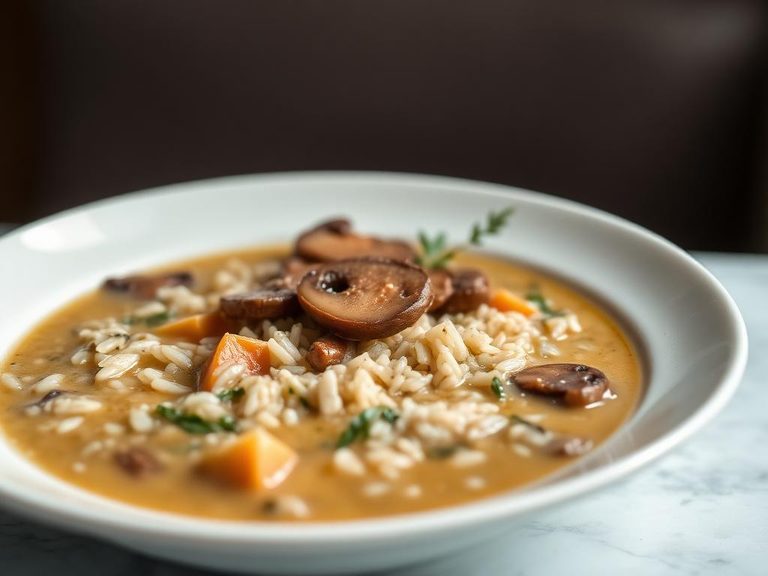
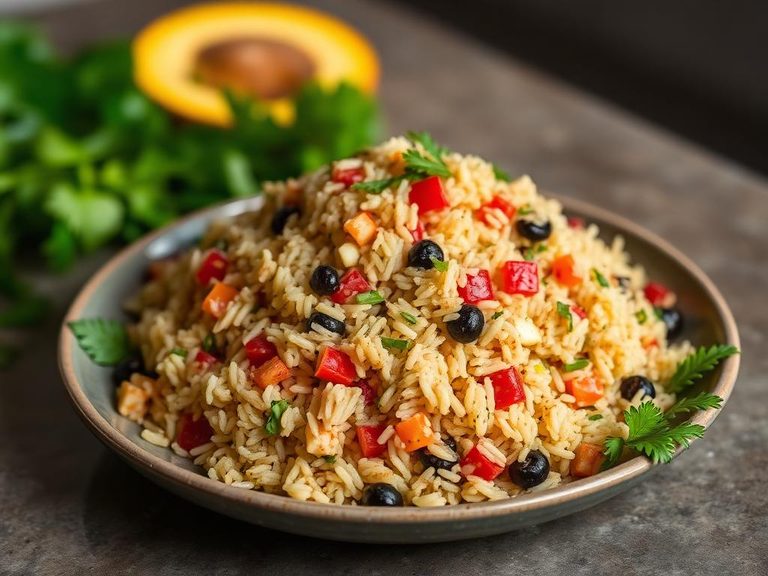
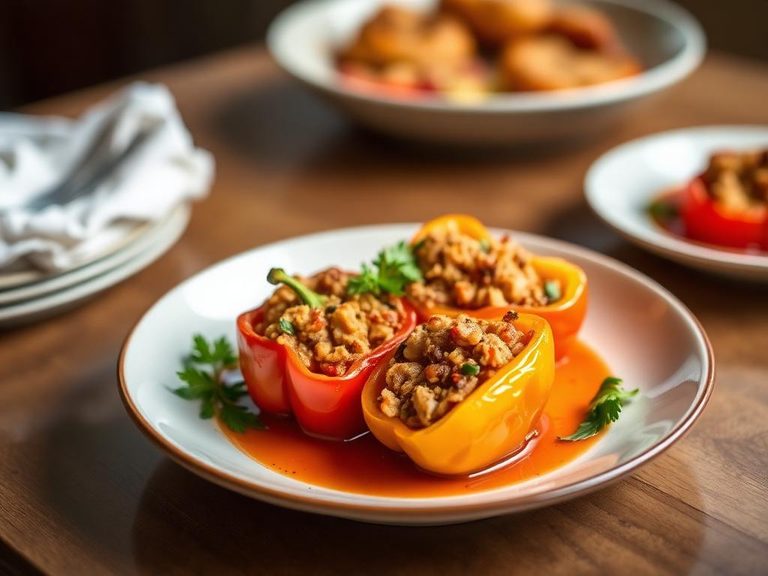
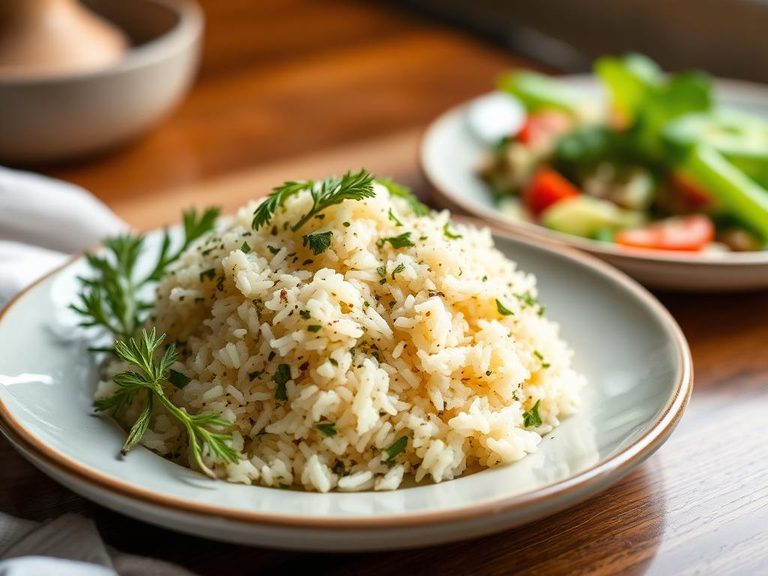
🌍 Where it's eaten
💡 Did you know?
True wild rice isn't technically rice at all—it's the semi-aquatic seed of a native North American grass (Zizania), while brown rice is the whole grain of cultivated rice (Oryza sativa).
Full nutrition (USDA data · scales with serving)
| Water | 70.4 g |
| Energy | 120 kcal |
| Protein | 2.9 g |
| Total lipid (fat) | 0.88 g |
| Carbohydrate, by difference | 24.9 g |
| Fiber, total dietary | 1.6 g |
| Total Sugars | 0.30 g |
| Calcium, Ca | 3.0 mg |
| Iron, Fe | 0.56 mg |
| Magnesium, Mg | 38.0 mg |
| Phosphorus, P | 100 mg |
| Potassium, K | 87.0 mg |
| Sodium, Na | 206 mg |
| Zinc, Zn | 0.79 mg |
| Copper, Cu | 0.11 mg |
| Selenium, Se | 5.1 ug |
| Vitamin C, total ascorbic acid | 0.00 mg |
| Thiamin | 0.16 mg |
| Riboflavin | 0.07 mg |
| Niacin | 2.4 mg |
| Vitamin B-6 | 0.12 mg |
| Folate, total | 11.0 ug |
| Folic acid | 0.00 ug |
| Folate, food | 11.0 ug |
| Folate, DFE | 11.0 ug |
| Choline, total | 9.3 mg |
| Vitamin B-12 | 0.00 ug |
| Vitamin B-12, added | 0.00 ug |
| Vitamin A, RAE | 0.00 ug |
| Retinol | 0.00 ug |
| Carotene, beta | 0.00 ug |
| Carotene, alpha | 0.00 ug |
| Cryptoxanthin, beta | 0.00 ug |
| Lycopene | 0.00 ug |
| Lutein + zeaxanthin | 8.0 ug |
| Vitamin E (alpha-tocopherol) | 0.18 mg |
| Vitamin E, added | 0.00 mg |
| Vitamin D (D2 + D3) | 0.00 ug |
| Vitamin K (phylloquinone) | 0.20 ug |
| Alcohol, ethyl | 0.00 g |
| Caffeine | 0.00 mg |
| Theobromine | 0.00 mg |
Fat & fatty acid profile (per 100g)
| Fatty acids, total saturated | 0.23 g |
| SFA 4:0 | 0.00 g |
| SFA 6:0 | 0.00 g |
| SFA 8:0 | 0.00 g |
| SFA 10:0 | 0.01 g |
| SFA 12:0 | 0.00 g |
| SFA 14:0 | 0.01 g |
| SFA 16:0 | 0.18 g |
| SFA 18:0 | 0.02 g |
| Fatty acids, total monounsaturated | 0.33 g |
| MUFA 16:1 | 0.00 g |
| MUFA 18:1 | 0.32 g |
| MUFA 20:1 | 0.00 g |
| MUFA 22:1 | 0.00 g |
| Fatty acids, total polyunsaturated | 0.34 g |
| PUFA 18:2 | 0.32 g |
| PUFA 18:3 | 0.02 g |
| PUFA 18:4 | 0.00 g |
| PUFA 20:4 | 0.00 g |
| PUFA 20:5 n-3 (EPA) | 0.00 g |
| PUFA 22:5 n-3 (DPA) | 0.00 g |
| PUFA 22:6 n-3 (DHA) | 0.00 g |
| Cholesterol | 0.00 mg |
Amino acid profile (per 100g)
Estimated from Snacks, rice cakes, brown rice, sesame seed — USDA does not publish this profile for Rice.
| Tryptophan | 0.10 g |
| Threonine | 0.28 g |
| Isoleucine | 0.32 g |
| Leucine | 0.63 g |
| Lysine | 0.29 g |
| Methionine | 0.17 g |
| Cystine | 0.09 g |
| Phenylalanine | 0.39 g |
| Tyrosine | 0.29 g |
| Valine | 0.44 g |
| Arginine | 0.59 g |
| Histidine | 0.19 g |
| Alanine | 0.44 g |
| Aspartic acid | 0.71 g |
| Glutamic acid | 1.6 g |
| Glycine | 0.38 g |
| Proline | 0.35 g |
| Serine | 0.39 g |
FAQ
What's the difference between brown rice and wild rice?
Brown rice is a whole grain of cultivated rice with the hull removed but bran intact. Wild rice is the seed of a different, aquatic grass species native to North America, known for its darker color, chewier texture, and nuttier flavor.
Why is my wild rice blend still tough after cooking?
Wild rice has a very hard outer hull. It needs ample water and time (typically 45-60 minutes) to cook until the grains split open and become tender. Simmering in plenty of water or broth is key.
Is this blend gluten-free?
Yes, both brown rice and wild rice are naturally gluten-free. However, always check packaging for potential cross-contamination warnings if you have celiac disease or severe sensitivity.
Nutrient density (calculated · NRF9.3)
Nutrient Rich Foods index: beneficial nutrients (protein, fiber, vitamins, minerals) minus saturated fat, added sugar & sodium, per 100 kcal.
NRF9.3 index — Fulgoni, Keast & Drewnowski, 2009. Computed from USDA nutrients.
Weight-loss friendliness (composite index)
Energy density 1.20 kcal/g · 10% calories from protein · 1.6 g fiber · 0.3 g sugar per 100 g.
Composite of energy density (Rolls et al., 1999), protein & fiber satiety, minus sugar. A calculated heuristic — ranks satiety-per-calorie, not a clinical measure.
Dietary load (calculated from USDA values)
Potential renal acid load. Positive = acid-forming, negative = alkaline-forming.
Sodium-to-potassium ratio: 2.37 (lower is better — aim for ≤ 1)
Sodium:potassium per WHO potassium guidance. Computed from USDA nutrients.