Rice Pilaf with Herbs
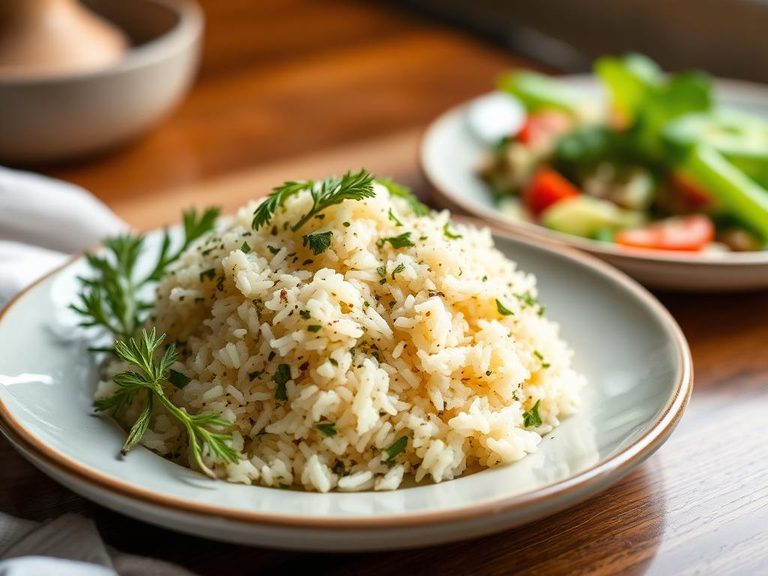
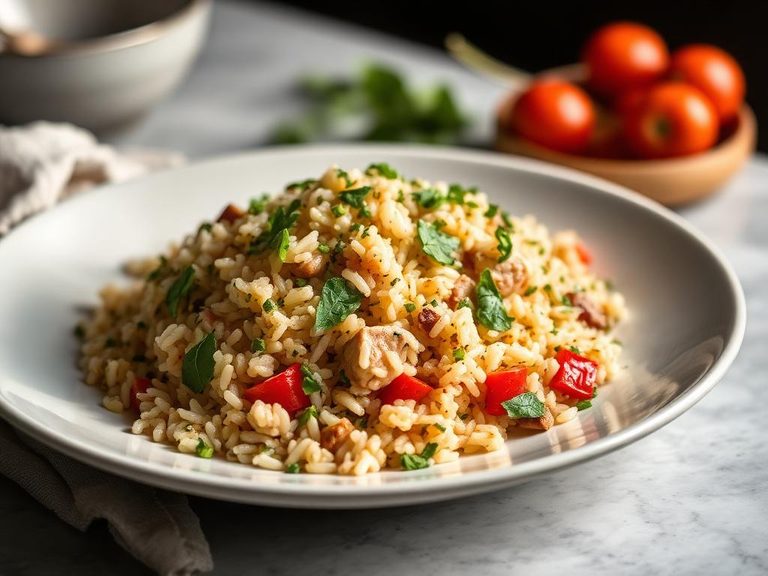
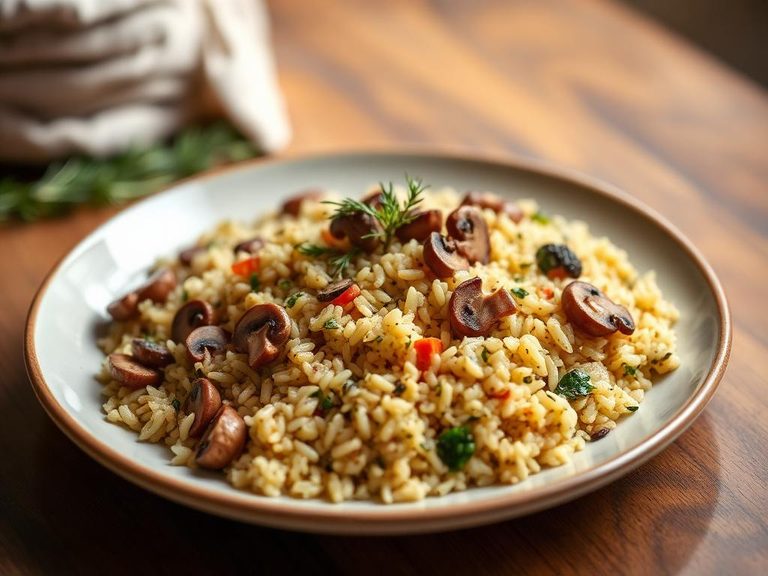
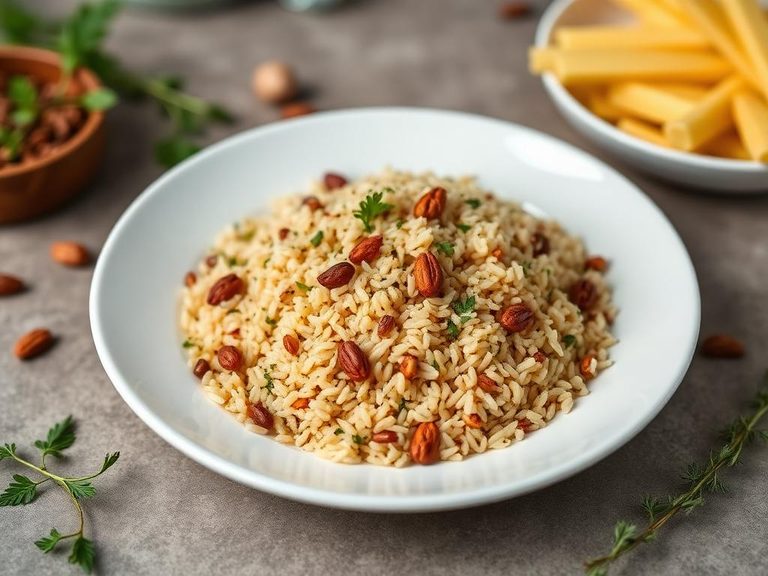
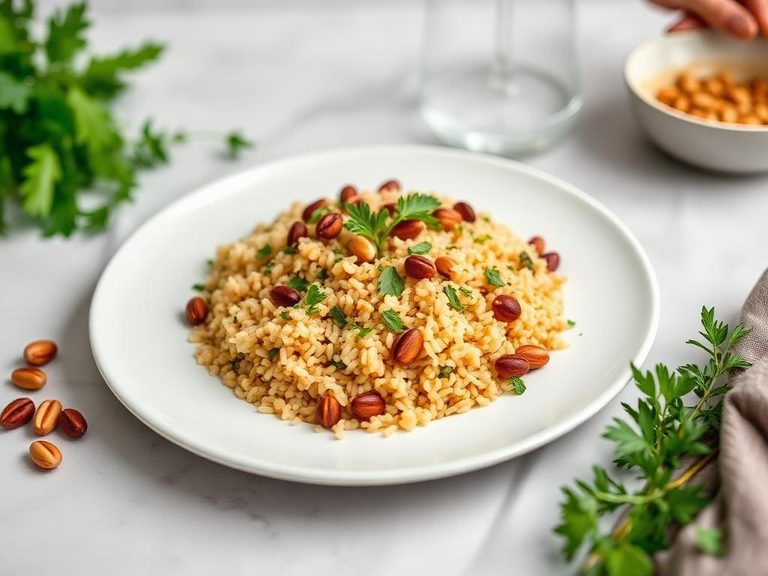
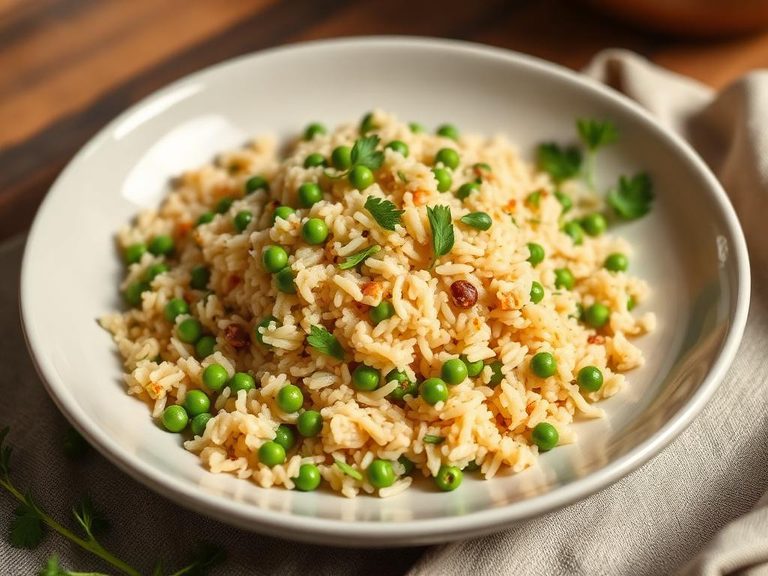
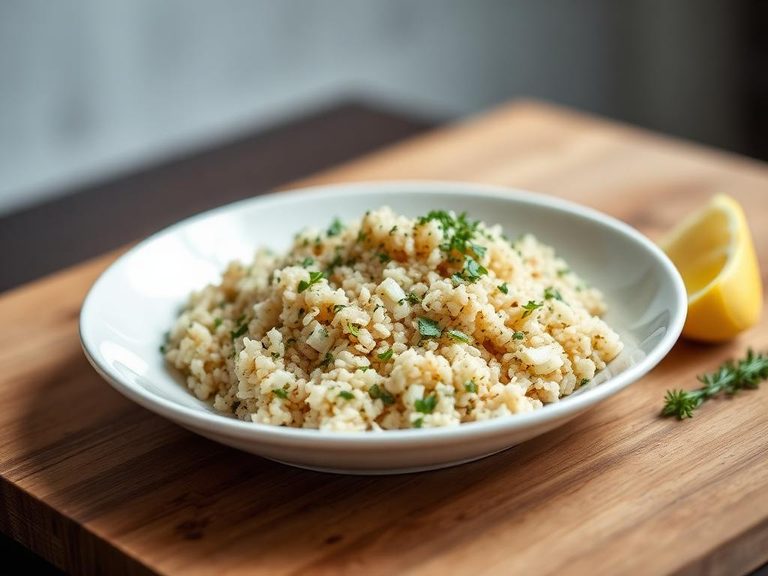
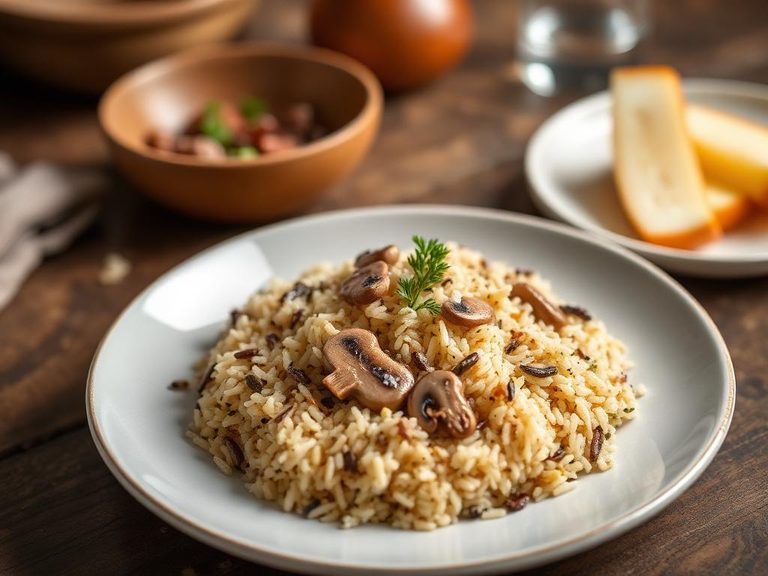
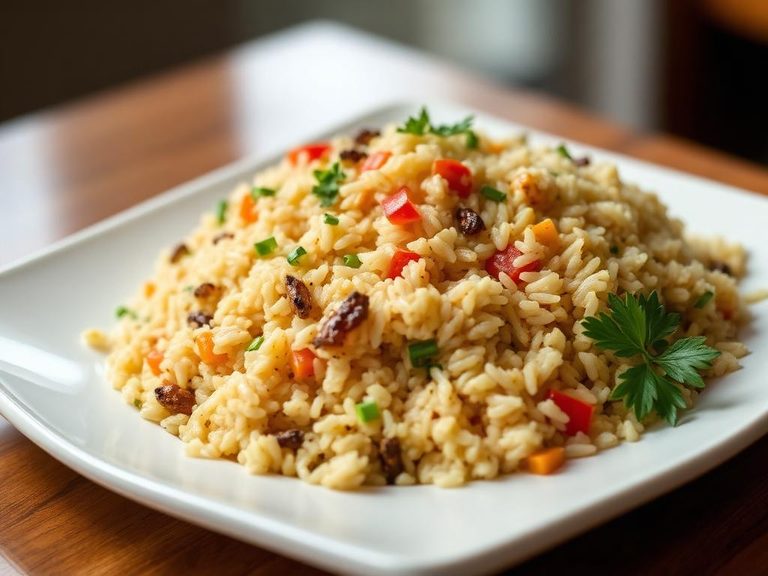
Rice Pilaf with Herbs is a fragrant, fluffy rice dish where grains are typically toasted in oil or butter before being simmered in broth, resulting in separate, flavorful kernels. It commonly features a blend of fresh herbs like parsley, dill, and mint, along with aromatics such as onions or garlic. This versatile dish has roots in Middle Eastern, Central Asian, and Mediterranean cuisines, with countless regional variations.
🍽️ Nutrition at a glance
As a primarily carbohydrate-based dish, it provides energy through complex carbs from the rice, with modest protein and minimal fat unless prepared with generous amounts of oil or butter. Key nutrients include B vitamins and minerals like manganese and selenium from the whole grains if used. A typical one-cup serving contains roughly 200-250 calories, varying with the specific recipe.
Nutrition breakdown
| Calories | 210 kcal |
| Protein | 4.5 g |
| Carbs | 38 g |
| Fat | 4.5 g |
| Fiber | 2.5 g |
| Sugar | 1.5 g |
| Sodium | 480 mg |
| Potassium | 120 mg |
| Iron | 2.0 mg |
| Magnesium | 25 mg |
| Phosphorus | 80 mg |
| Thiamin (B1) | 0.2 mg |
| Niacin (B3) | 2.5 mg |
| Folate | 60 mcg |
| Manganese | 0.6 mg |
Per 1 cup (200 g) · estimated, varies by recipe
💡 What's interesting
Culturally, pilaf represents a culinary technique that traveled the Silk Road, adapting to local ingredients from India to the Balkans. Nutritionally, the toasting method helps preserve the rice's structure, potentially leading to a lower glycemic response compared to softer, stickier rice preparations.