

Potato, NFS
Common food
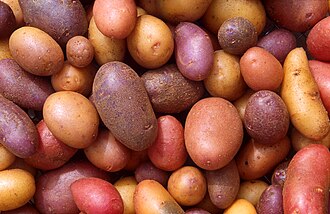
Photo: Wikipedia
The potato, NFS (Not Further Specified) is a versatile, starchy tuber with a mild, earthy flavor and a texture that ranges from fluffy to waxy depending on the variety and cooking method. Its nutrition profile is dominated by carbohydrates, providing a solid energy base with minimal fat and a modest amount of protein. It's a foundational food staple, valued more for its caloric energy and culinary adaptability than for a high concentration of micronutrients.
Calorie split: 6% protein · 64% carbs · 30% fat
↓ Full nutrition💚 Why it's loved
People love the potato for its incredible versatility—it can be boiled, baked, fried, mashed, or roasted, taking on the flavors of countless seasonings and sauces. It's a comforting, filling, and affordable staple that forms the backbone of iconic dishes across global cuisines.
⚠️ Watch-outs & how to enjoy it better
The primary caution is its high glycemic index when cooked and served hot, which can cause rapid blood sugar spikes, a concern for those managing diabetes. To counteract this, pair potatoes with protein (like beans or meat) and healthy fats (like olive oil or avocado), or consume them cooled (as in potato salad) to increase resistant starch content. Be mindful of preparation methods; frying adds significant fat and calories, while heavy additions of butter, cream, or salt can diminish their nutritional value.
Key benefits
- Excellent source of quick, sustained energy from complex carbohydrates.
- Contains vitamin C, potassium, and vitamin B6, especially when eaten with the skin.
- Naturally fat-free and cholesterol-free before preparation.
- Gluten-free, making it a safe staple for those with celiac disease or gluten sensitivity.
- High in resistant starch when cooked and cooled, which can benefit gut health.
🍽️ Popular dishes
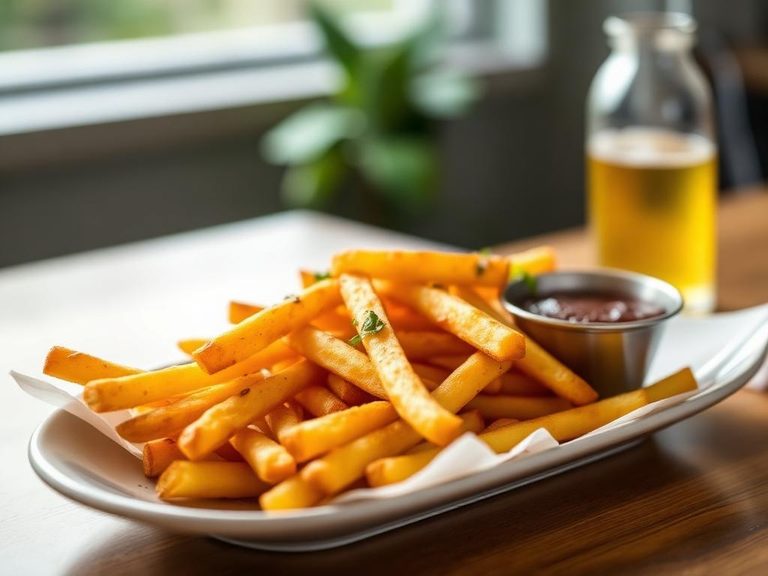
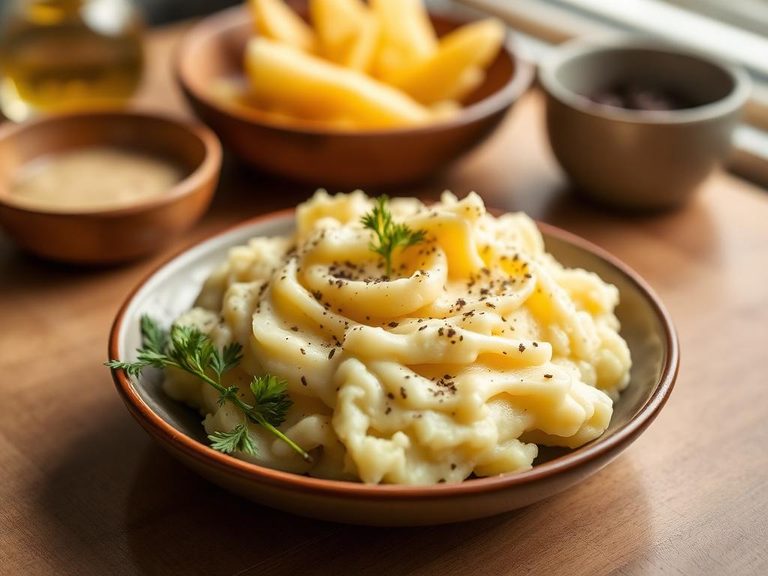
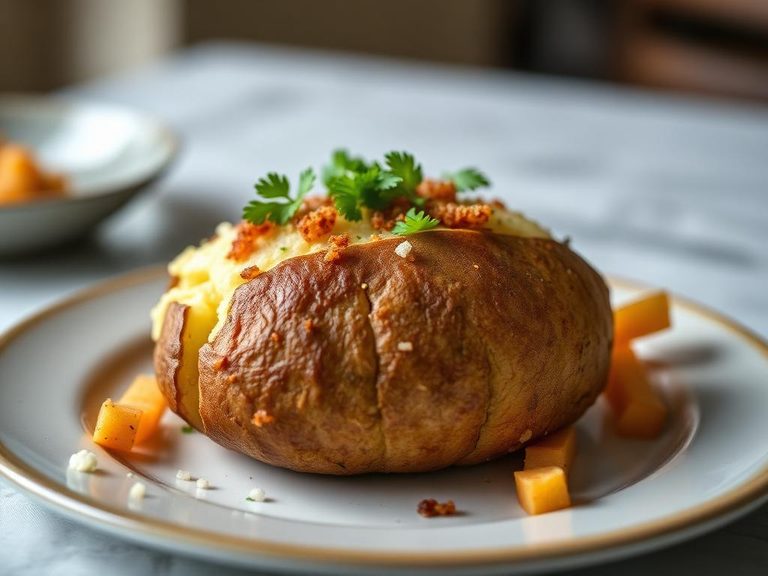
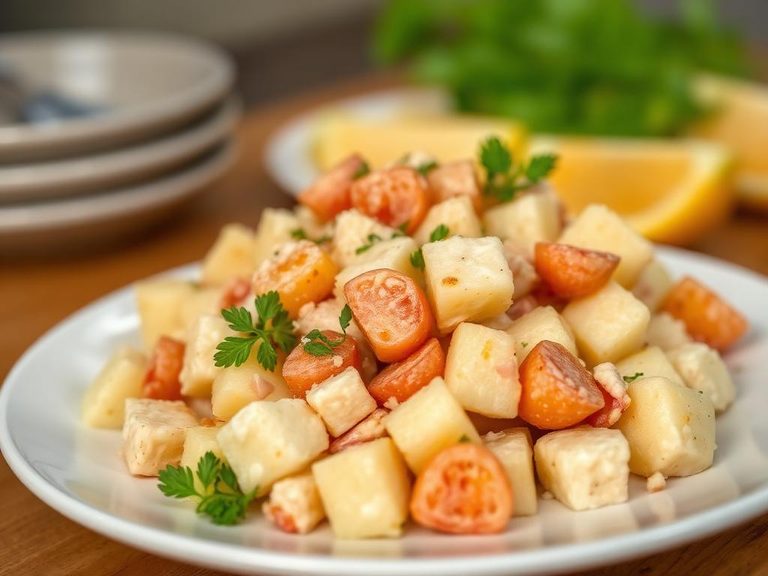
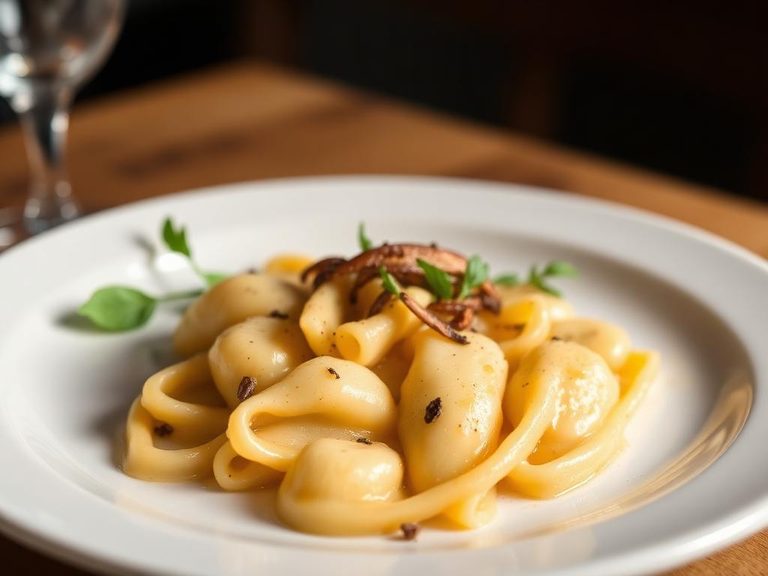
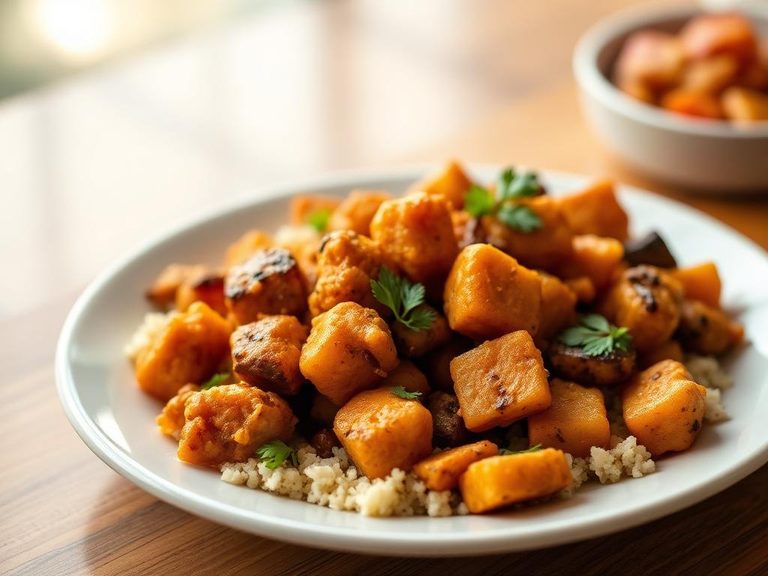
🌍 Where it's eaten
💡 Did you know?
The potato was so central to 18th-century Irish agriculture and diet that the population's heavy reliance on a single variety, the 'Lumper,' made the catastrophic impact of the potato blight (1845-1852) possible.
Full nutrition (USDA data · scales with serving)
| Water | 72.1 g |
| Energy | 126 kcal |
| Protein | 1.9 g |
| Total lipid (fat) | 4.3 g |
| Carbohydrate, by difference | 20.4 g |
| Fiber, total dietary | 1.4 g |
| Total Sugars | 1.6 g |
| Calcium, Ca | 5.0 mg |
| Iron, Fe | 0.34 mg |
| Magnesium, Mg | 24.0 mg |
| Phosphorus, P | 48.0 mg |
| Potassium, K | 372 mg |
| Sodium, Na | 166 mg |
| Zinc, Zn | 0.28 mg |
| Copper, Cu | 0.20 mg |
| Selenium, Se | 0.30 ug |
| Vitamin C, total ascorbic acid | 12.1 mg |
| Thiamin | 0.10 mg |
| Riboflavin | 0.02 mg |
| Niacin | 1.3 mg |
| Vitamin B-6 | 0.31 mg |
| Folate, total | 9.0 ug |
| Folic acid | 0.00 ug |
| Folate, food | 9.0 ug |
| Folate, DFE | 9.0 ug |
| Choline, total | 14.1 mg |
| Vitamin B-12 | 0.00 ug |
| Vitamin B-12, added | 0.00 ug |
| Vitamin A, RAE | 19.0 ug |
| Retinol | 18.0 ug |
| Carotene, beta | 8.0 ug |
| Carotene, alpha | 0.00 ug |
| Cryptoxanthin, beta | 0.00 ug |
| Lycopene | 0.00 ug |
| Lutein + zeaxanthin | 0.00 ug |
| Vitamin E (alpha-tocopherol) | 0.66 mg |
| Vitamin E, added | 0.00 mg |
| Vitamin D (D2 + D3) | 0.00 ug |
| Vitamin K (phylloquinone) | 3.7 ug |
| Alcohol, ethyl | 0.00 g |
| Caffeine | 0.00 mg |
| Theobromine | 0.00 mg |
Fat & fatty acid profile (per 100g)
| Fatty acids, total saturated | 1.1 g |
| SFA 4:0 | 0.03 g |
| SFA 6:0 | 0.02 g |
| SFA 8:0 | 0.01 g |
| SFA 10:0 | 0.03 g |
| SFA 12:0 | 0.04 g |
| SFA 14:0 | 0.10 g |
| SFA 16:0 | 0.61 g |
| SFA 18:0 | 0.23 g |
| Fatty acids, total monounsaturated | 1.5 g |
| MUFA 16:1 | 0.02 g |
| MUFA 18:1 | 1.4 g |
| MUFA 20:1 | 0.02 g |
| MUFA 22:1 | 0.00 g |
| Fatty acids, total polyunsaturated | 1.2 g |
| PUFA 18:2 | 1.1 g |
| PUFA 18:3 | 0.14 g |
| PUFA 18:4 | 0.00 g |
| PUFA 20:4 | 0.00 g |
| PUFA 20:5 n-3 (EPA) | 0.00 g |
| PUFA 22:5 n-3 (DPA) | 0.00 g |
| PUFA 22:6 n-3 (DHA) | 0.00 g |
| Cholesterol | 3.0 mg |
Amino acid profile (per 100g)
Estimated from Snacks, potato chips, made from dried potatoes, reduced fat — USDA does not publish this profile for Potato.
| Tryptophan | 0.04 g |
| Threonine | 0.24 g |
| Isoleucine | 0.25 g |
| Leucine | 0.37 g |
| Lysine | 0.35 g |
| Methionine | 0.07 g |
| Cystine | 0.07 g |
| Phenylalanine | 0.26 g |
| Tyrosine | 0.22 g |
| Valine | 0.33 g |
| Arginine | 0.27 g |
| Histidine | 0.13 g |
| Alanine | 0.20 g |
| Aspartic acid | 1.1 g |
| Glutamic acid | 0.94 g |
| Glycine | 0.19 g |
| Proline | 0.20 g |
| Serine | 0.23 g |
FAQ
Are potatoes a good source of protein?
No, potatoes are not a significant source of protein. With only about 2 grams per 100g, they are primarily a carbohydrate source. They are often paired with protein-rich foods like meat, beans, or cheese in meals.
Is the skin nutritious?
Yes, the skin is highly nutritious, containing a large portion of the potato's fiber, iron, potassium, and vitamins. Eating potatoes with the skin on maximizes their nutritional benefit.
Why do potatoes turn green?
Green coloration indicates the presence of chlorophyll from sun exposure, which is harmless. However, it often accompanies the production of solanine, a natural toxin. If a potato is green and tastes bitter, it's best to discard it or cut away the green parts thoroughly.
Nutrient density (calculated · NRF9.3)
Nutrient Rich Foods index: beneficial nutrients (protein, fiber, vitamins, minerals) minus saturated fat, added sugar & sodium, per 100 kcal.
NRF9.3 index — Fulgoni, Keast & Drewnowski, 2009. Computed from USDA nutrients.
Weight-loss friendliness (composite index)
Energy density 1.26 kcal/g · 6% calories from protein · 1.4 g fiber · 1.6 g sugar per 100 g.
Composite of energy density (Rolls et al., 1999), protein & fiber satiety, minus sugar. A calculated heuristic — ranks satiety-per-calorie, not a clinical measure.
Dietary load (calculated from USDA values)
Potential renal acid load. Positive = acid-forming, negative = alkaline-forming.
Sodium-to-potassium ratio: 0.45 (lower is better — aim for ≤ 1)
Sodium:potassium per WHO potassium guidance. Computed from USDA nutrients.