

Peas and carrots, frozen, unprepared
Whole food · Vegetables and Vegetable Products
This classic frozen duo features tender, sweet green peas and vibrant, earthy carrot chunks, offering a crisp-tender bite even after cooking. It's a nutritional powerhouse, delivering a solid 3.4 grams of fiber per 100g with virtually no fat or sugar, making it a wholesome, low-calorie staple.
Calorie split: 22% protein · 71% carbs · 7% fat
↓ Full nutrition💚 Why it's loved
People adore it for its comforting, nostalgic flavor and the effortless pop of color it adds to any meal. Its pre-cut, ready-to-cook nature makes it a versatile time-saver for everything from weeknight sides to holiday feasts.
⚠️ Watch-outs & how to enjoy it better
The primary caution is for those managing blood sugar, as the starchy peas and carrots have a moderate glycemic impact. To counteract this, pair a portion with a source of protein (like chicken or lentils) or healthy fat (like olive oil) to slow digestion. Also, check labels if watching sodium, as some brands add salt.
Key benefits
- Excellent source of dietary fiber for digestive health.
- Naturally low in calories and fat.
- Provides plant-based protein.
- Rich in vitamins A (from carrots) and K (from peas).
- Convenient and reduces food waste.
🍽️ Popular dishes
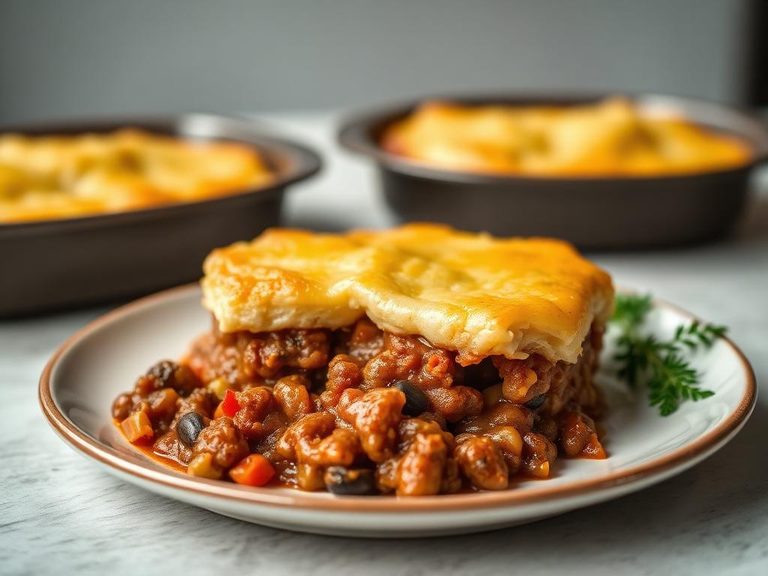

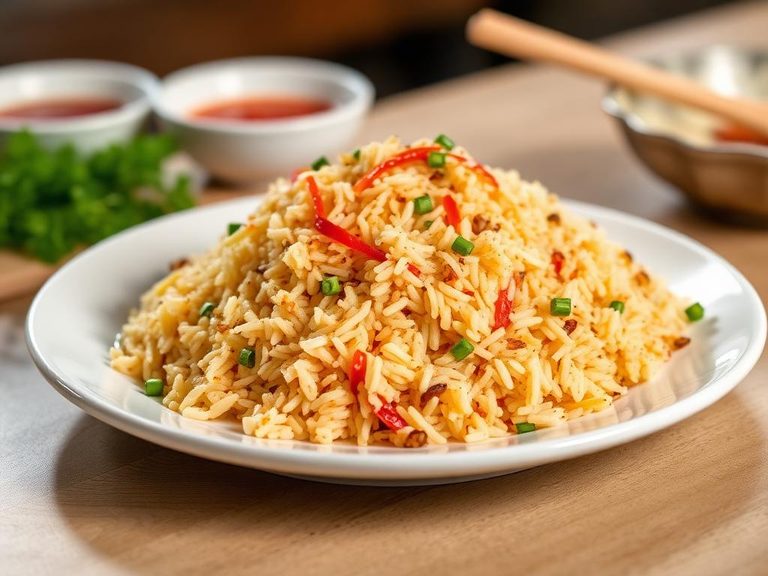
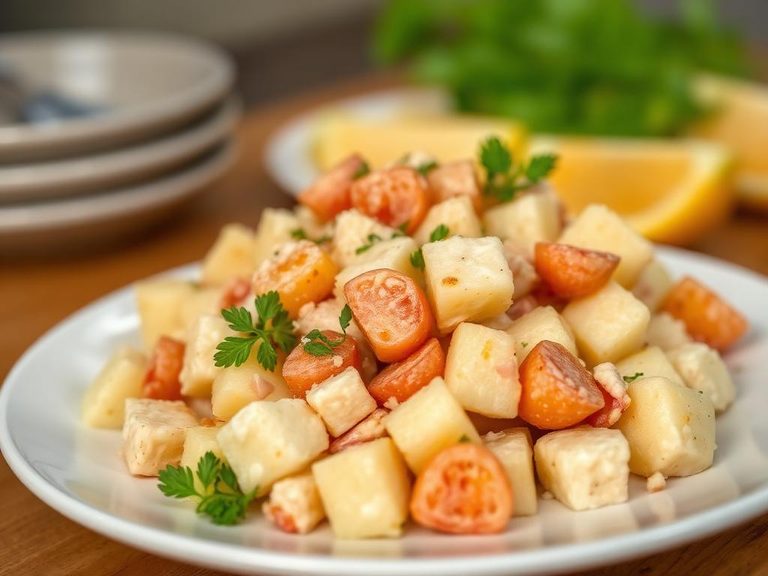
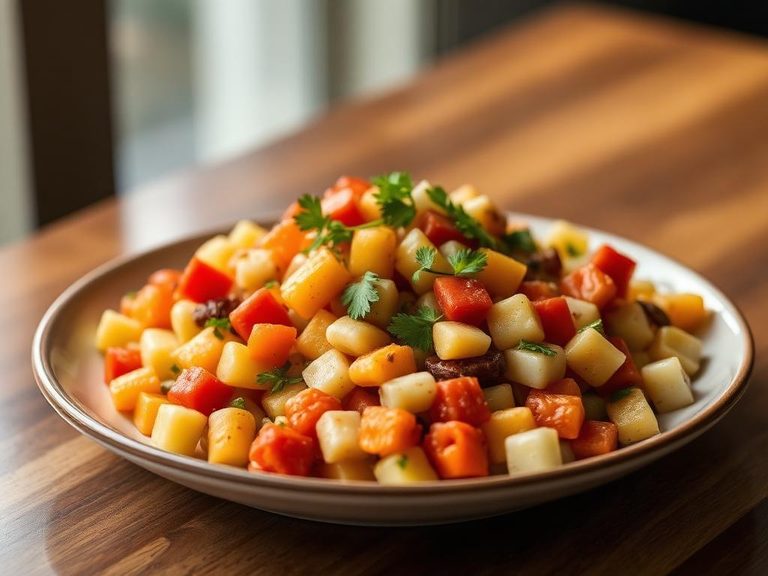
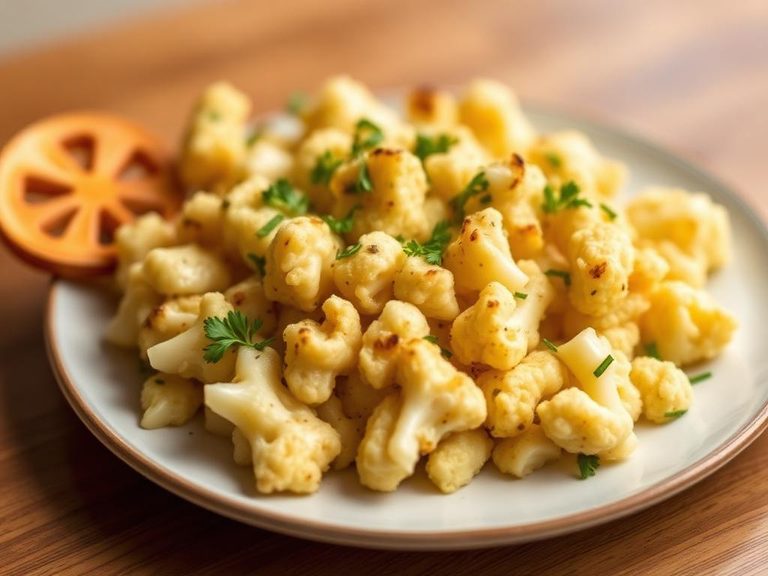
🌍 Where it's eaten
💡 Did you know?
The practice of freezing peas was pioneered in the 1920s by Clarence Birdseye, whose 'flash-freezing' technology was inspired by watching Inuit fishermen freeze fish on the icy Labrador tundra.
Full nutrition (USDA data · scales with serving)
| Water | 84.4 g |
| Energy | 53.0 kcal |
| Energy | 222 kj |
| Protein | 3.4 g |
| Total lipid (fat) | 0.47 g |
| Ash | 0.62 g |
| Carbohydrate, by difference | 11.2 g |
| Fiber, total dietary | 3.4 g |
| Calcium, Ca | 27.0 mg |
| Iron, Fe | 1.1 mg |
| Magnesium, Mg | 18.0 mg |
| Phosphorus, P | 60.0 mg |
| Potassium, K | 194 mg |
| Sodium, Na | 79.0 mg |
| Zinc, Zn | 0.52 mg |
| Copper, Cu | 0.09 mg |
| Manganese, Mn | 0.23 mg |
| Selenium, Se | 1.2 ug |
| Vitamin C, total ascorbic acid | 11.2 mg |
| Thiamin | 0.19 mg |
| Riboflavin | 0.08 mg |
| Niacin | 1.4 mg |
| Pantothenic acid | 0.20 mg |
| Vitamin B-6 | 0.10 mg |
| Folate, total | 36.0 ug |
| Folic acid | 0.00 ug |
| Folate, food | 36.0 ug |
| Folate, DFE | 36.0 ug |
| Vitamin B-12 | 0.00 ug |
| Vitamin A, RAE | 475 ug |
| Retinol | 0.00 ug |
| Vitamin A, IU | 9497 iu |
| Vitamin D (D2 + D3), International Units | 0.00 iu |
| Vitamin D (D2 + D3) | 0.00 ug |
| Alcohol, ethyl | 0.00 g |
Fat & fatty acid profile (per 100g)
| Fatty acids, total saturated | 0.08 g |
| SFA 4:0 | 0.00 g |
| SFA 6:0 | 0.00 g |
| SFA 8:0 | 0.00 g |
| SFA 10:0 | 0.00 g |
| SFA 12:0 | 0.00 g |
| SFA 14:0 | 0.00 g |
| SFA 16:0 | 0.07 g |
| SFA 18:0 | 0.01 g |
| Fatty acids, total monounsaturated | 0.04 g |
| MUFA 16:1 | 0.00 g |
| MUFA 18:1 | 0.04 g |
| MUFA 20:1 | 0.00 g |
| MUFA 22:1 | 0.00 g |
| Fatty acids, total polyunsaturated | 0.22 g |
| PUFA 18:2 | 0.18 g |
| PUFA 18:3 | 0.04 g |
| PUFA 18:4 | 0.00 g |
| PUFA 20:4 | 0.00 g |
| PUFA 20:5 n-3 (EPA) | 0.00 g |
| PUFA 22:5 n-3 (DPA) | 0.00 g |
| PUFA 22:6 n-3 (DHA) | 0.00 g |
| Fatty acids, total trans | 0.00 g |
| Cholesterol | 0.00 mg |
Amino acid profile (per 100g)
| Tryptophan | 0.02 g |
| Threonine | 0.13 g |
| Isoleucine | 0.12 g |
| Leucine | 0.20 g |
| Lysine | 0.19 g |
| Methionine | 0.05 g |
| Cystine | 0.02 g |
| Phenylalanine | 0.12 g |
| Tyrosine | 0.07 g |
| Valine | 0.15 g |
| Arginine | 0.26 g |
| Histidine | 0.07 g |
| Alanine | 0.15 g |
| Aspartic acid | 0.32 g |
| Glutamic acid | 0.48 g |
| Glycine | 0.11 g |
| Proline | 0.11 g |
| Serine | 0.11 g |
FAQ
Do I need to thaw frozen peas and carrots before cooking?
No, you can cook them directly from frozen. This actually helps preserve their texture and nutrients. Simply add a minute or two to your cooking time.
What's the best way to cook them to retain texture?
For a crisp-tender bite, steam or quickly sauté them in a little butter or oil for 3-5 minutes. Boiling can make them mushy if overdone.
Are they as nutritious as fresh?
Often more so. Frozen vegetables are typically flash-frozen at peak ripeness, locking in nutrients that can degrade in fresh produce during transport and storage.
Nutrient density (calculated · NRF9.3)
Nutrient Rich Foods index: beneficial nutrients (protein, fiber, vitamins, minerals) minus saturated fat, added sugar & sodium, per 100 kcal.
NRF9.3 index — Fulgoni, Keast & Drewnowski, 2009. Computed from USDA nutrients.
Weight-loss friendliness (composite index)
Energy density 0.53 kcal/g · 26% calories from protein · 3.4 g fiber · 0.0 g sugar per 100 g.
Composite of energy density (Rolls et al., 1999), protein & fiber satiety, minus sugar. A calculated heuristic — ranks satiety-per-calorie, not a clinical measure.
Dietary load (calculated from USDA values)
Potential renal acid load. Positive = acid-forming, negative = alkaline-forming.
Sodium-to-potassium ratio: 0.41 (lower is better — aim for ≤ 1)
Sodium:potassium per WHO potassium guidance. Computed from USDA nutrients.