

Peanuts, honey roasted
Common food

Photo: Wikipedia
Honey roasted peanuts are whole peanuts coated in a sweet, crunchy shell of honey, sugar, and often a touch of salt, creating a delightful contrast between the nutty, savory interior and the caramelized, sweet exterior. They offer a dense source of energy, with nearly half their calories coming from healthy fats and a substantial 20.7g of protein per 100g. The texture is a satisfying crunch, making them an addictive snack.
Calorie split: 14% protein · 20% carbs · 67% fat
↓ Full nutrition💚 Why it's loved
People adore honey roasted peanuts for their irresistible sweet-and-salty flavor profile and the satisfying crunch that makes them a go-to snack for movie nights, road trips, and casual gatherings. Their versatility allows them to be eaten by the handful, used as a topping, or incorporated into both sweet and savory dishes.
⚠️ Watch-outs & how to enjoy it better
The added sugar (16.14g/100g) can cause blood sugar spikes, making them a less ideal snack for those managing diabetes or insulin resistance. As a common allergen, peanuts pose a severe risk for individuals with peanut allergies. To mitigate sugar impact, pair them with a source of protein or fat (like a cheese stick) and practice strict portion control, sticking to a 1-ounce (28g) serving.
Key benefits
- Excellent source of plant-based protein for muscle maintenance.
- Rich in monounsaturated fats, which support heart health.
- Provides a quick energy boost from carbohydrates and natural sugars.
- Contains dietary fiber (7.1g/100g) to aid digestion and promote satiety.
- Good source of essential minerals like magnesium and phosphorus.
🍽️ Popular dishes
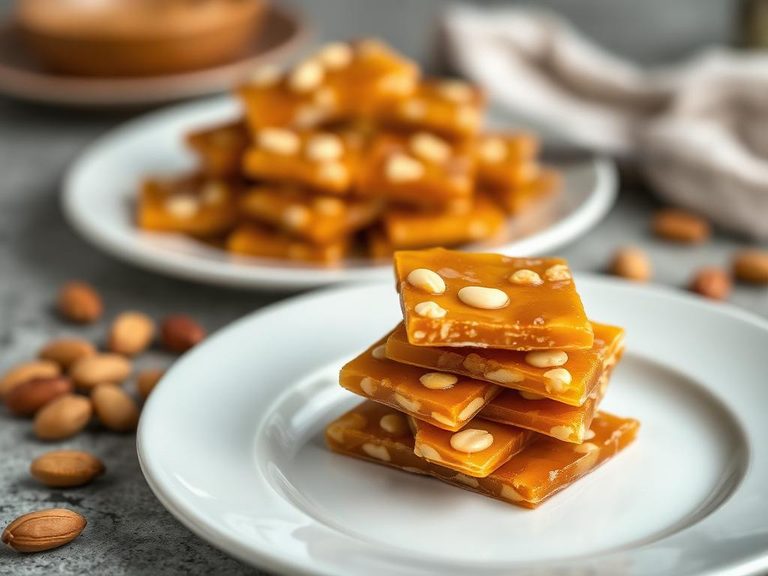
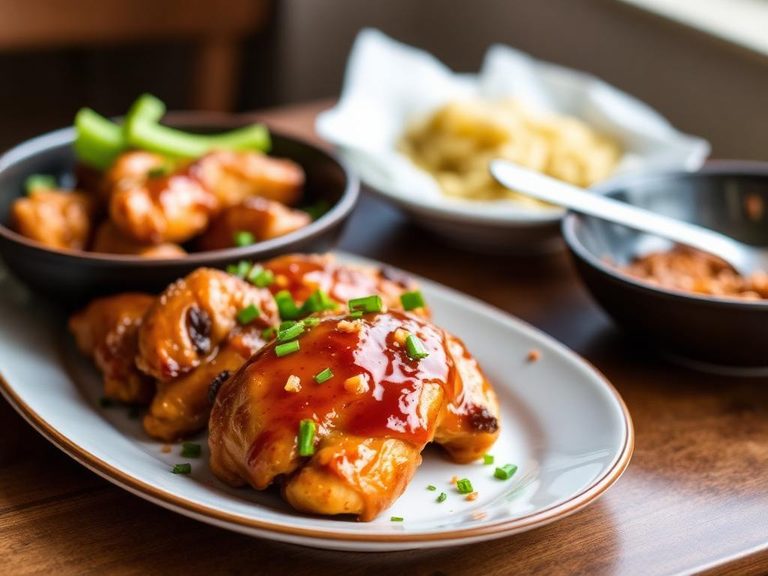
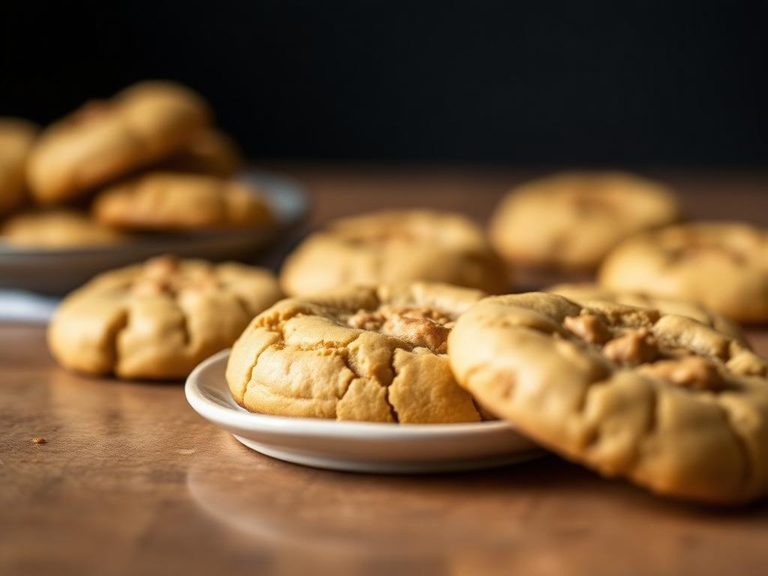
🌍 Where it's eaten
💡 Did you know?
The process of honey roasting peanuts was popularized in the United States in the mid-20th century, and the coating often includes a small amount of corn syrup to help the honey and sugar adhere and create a glossy, crisp shell.
Full nutrition (USDA data · scales with serving)
| Water | 1.5 g |
| Energy | 574 kcal |
| Protein | 20.7 g |
| Total lipid (fat) | 45.3 g |
| Carbohydrate, by difference | 30.0 g |
| Fiber, total dietary | 7.1 g |
| Total Sugars | 16.1 g |
| Calcium, Ca | 49.0 mg |
| Iron, Fe | 1.4 mg |
| Magnesium, Mg | 151 mg |
| Phosphorus, P | 309 mg |
| Potassium, K | 539 mg |
| Sodium, Na | 349 mg |
| Zinc, Zn | 2.4 mg |
| Copper, Cu | 0.36 mg |
| Selenium, Se | 8.0 ug |
| Vitamin C, total ascorbic acid | 0.00 mg |
| Thiamin | 0.13 mg |
| Riboflavin | 0.17 mg |
| Niacin | 12.2 mg |
| Vitamin B-6 | 0.40 mg |
| Folate, total | 82.0 ug |
| Folic acid | 0.00 ug |
| Folate, food | 82.0 ug |
| Folate, DFE | 82.0 ug |
| Choline, total | 54.9 mg |
| Vitamin B-12 | 0.00 ug |
| Vitamin B-12, added | 0.00 ug |
| Vitamin A, RAE | 0.00 ug |
| Retinol | 0.00 ug |
| Carotene, beta | 0.00 ug |
| Carotene, alpha | 0.00 ug |
| Cryptoxanthin, beta | 0.00 ug |
| Lycopene | 0.00 ug |
| Lutein + zeaxanthin | 0.00 ug |
| Vitamin E (alpha-tocopherol) | 4.8 mg |
| Vitamin E, added | 0.00 mg |
| Vitamin D (D2 + D3) | 0.00 ug |
| Vitamin K (phylloquinone) | 3.0 ug |
| Alcohol, ethyl | 0.00 g |
| Caffeine | 0.00 mg |
| Theobromine | 0.00 mg |
Fat & fatty acid profile (per 100g)
| Fatty acids, total saturated | 7.0 g |
| SFA 4:0 | 0.00 g |
| SFA 6:0 | 0.00 g |
| SFA 8:0 | 0.00 g |
| SFA 10:0 | 0.00 g |
| SFA 12:0 | 0.00 g |
| SFA 14:0 | 0.01 g |
| SFA 16:0 | 3.7 g |
| SFA 18:0 | 1.1 g |
| Fatty acids, total monounsaturated | 23.5 g |
| MUFA 16:1 | 0.04 g |
| MUFA 18:1 | 22.9 g |
| MUFA 20:1 | 0.55 g |
| MUFA 22:1 | 0.05 g |
| Fatty acids, total polyunsaturated | 9.5 g |
| PUFA 18:2 | 9.3 g |
| PUFA 18:3 | 0.15 g |
| PUFA 18:4 | 0.00 g |
| PUFA 20:4 | 0.01 g |
| PUFA 20:5 n-3 (EPA) | 0.00 g |
| PUFA 22:5 n-3 (DPA) | 0.00 g |
| PUFA 22:6 n-3 (DHA) | 0.00 g |
| Cholesterol | 0.00 mg |
Amino acid profile (per 100g)
Estimated from Snacks, popcorn, caramel-coated, without peanuts — USDA does not publish this profile for Peanuts.
| Tryptophan | 0.04 g |
| Threonine | 0.15 g |
| Isoleucine | 0.16 g |
| Leucine | 0.28 g |
| Lysine | 0.28 g |
| Methionine | 0.07 g |
| Cystine | 0.04 g |
| Phenylalanine | 0.15 g |
| Tyrosine | 0.11 g |
| Valine | 0.18 g |
| Arginine | 0.23 g |
| Histidine | 0.11 g |
| Alanine | 0.21 g |
| Aspartic acid | 0.39 g |
| Glutamic acid | 0.66 g |
| Glycine | 0.22 g |
| Proline | 0.17 g |
| Serine | 0.16 g |
FAQ
Are honey roasted peanuts healthy?
They are a good source of protein, healthy fats, and fiber, but the added sugar and salt mean they should be consumed in moderation, especially by those watching their sugar or sodium intake.
How do honey roasted peanuts differ from regular peanuts?
Honey roasted peanuts are coated in a mixture of honey, sugar, and often salt before being roasted, giving them a sweet, crunchy exterior and a slightly higher calorie and sugar content compared to plain roasted peanuts.
Can I use honey roasted peanuts in cooking?
Yes, they can be chopped and used as a topping for salads, stir-fries, or desserts, or ground into a sweet peanut butter. However, their sweetness may alter the flavor profile of savory dishes.
Nutrient density (calculated · NRF9.3)
Nutrient Rich Foods index: beneficial nutrients (protein, fiber, vitamins, minerals) minus saturated fat, added sugar & sodium, per 100 kcal.
NRF9.3 index — Fulgoni, Keast & Drewnowski, 2009. Computed from USDA nutrients.
Weight-loss friendliness (composite index)
Energy density 5.74 kcal/g · 14% calories from protein · 7.1 g fiber · 16.1 g sugar per 100 g.
Composite of energy density (Rolls et al., 1999), protein & fiber satiety, minus sugar. A calculated heuristic — ranks satiety-per-calorie, not a clinical measure.
Dietary load (calculated from USDA values)
Potential renal acid load. Positive = acid-forming, negative = alkaline-forming.
Sodium-to-potassium ratio: 0.65 (lower is better — aim for ≤ 1)
Sodium:potassium per WHO potassium guidance. Computed from USDA nutrients.