

Peanut butter, vitamin and mineral fortified
Common food

Photo: Wikipedia
A smooth, creamy spread made from ground peanuts, fortified with essential vitamins and minerals to boost its nutritional profile. It has a rich, nutty flavor and a thick, spreadable texture that clings to bread or fruit. Notably high in protein and healthy fats, it provides a substantial energy source.
Calorie split: 16% protein · 12% carbs · 72% fat
↓ Full nutrition💚 Why it's loved
People adore its deeply satisfying, savory-sweet nuttiness and velvety texture that elevates everything from toast to smoothies. Its incredible versatility makes it a beloved staple in both quick snacks and elaborate recipes across cultures.
⚠️ Watch-outs & how to enjoy it better
Its high calorie and fat content can be a concern for strict calorie-controlled diets, and it is a common allergen. To manage intake, practice strict portion control (e.g., a single tablespoon) and pair it with high-fiber foods like apple slices to enhance satiety. Always check labels for added sugars or oils.
Key benefits
- Excellent source of plant-based protein (25.72g per 100g).
- Rich in heart-healthy monounsaturated fats.
- Fortified with key vitamins and minerals to fill nutritional gaps.
- Provides dietary fiber (5.6g per 100g) for digestive health.
- High in energy (591 kcal per 100g), ideal for active lifestyles.
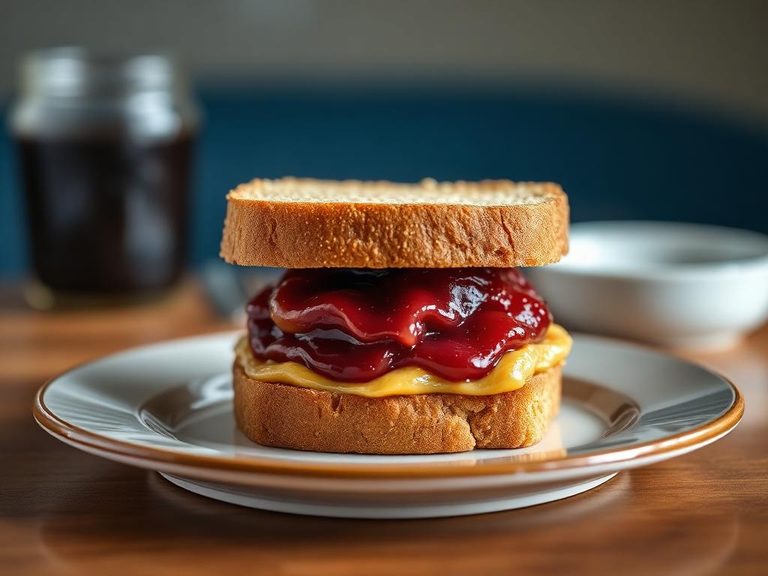
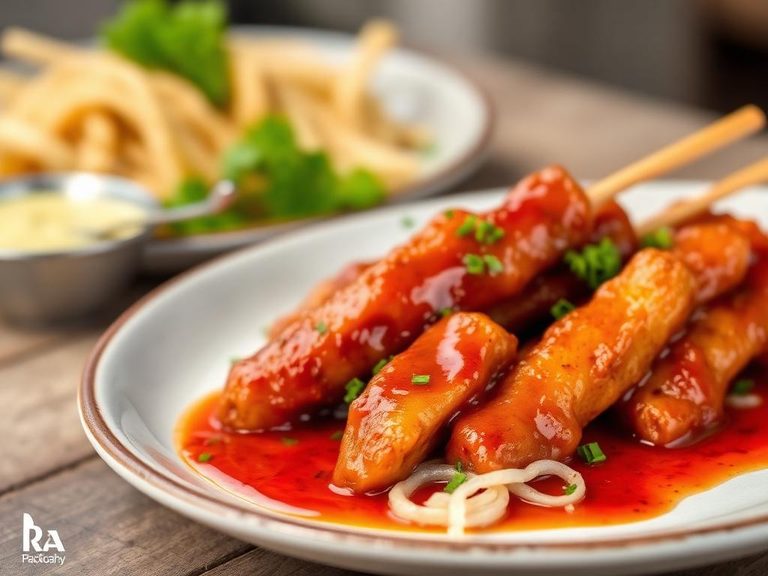
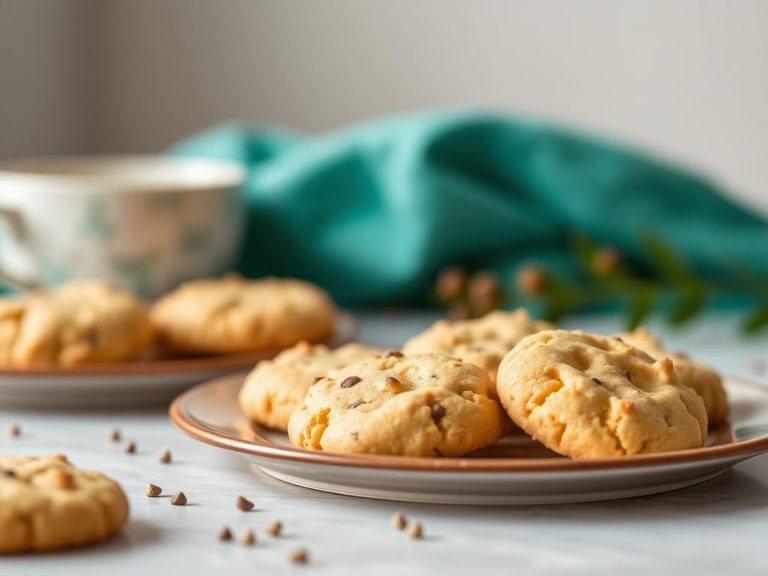
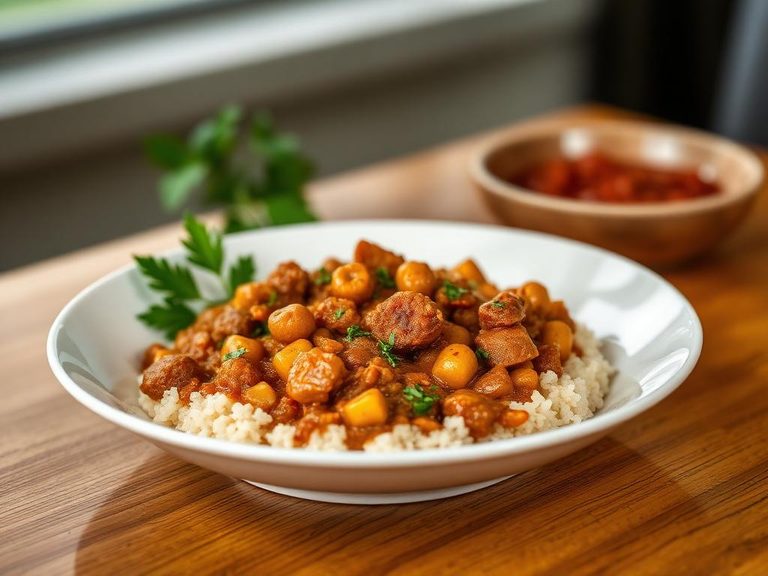
🍽️ Popular dishes
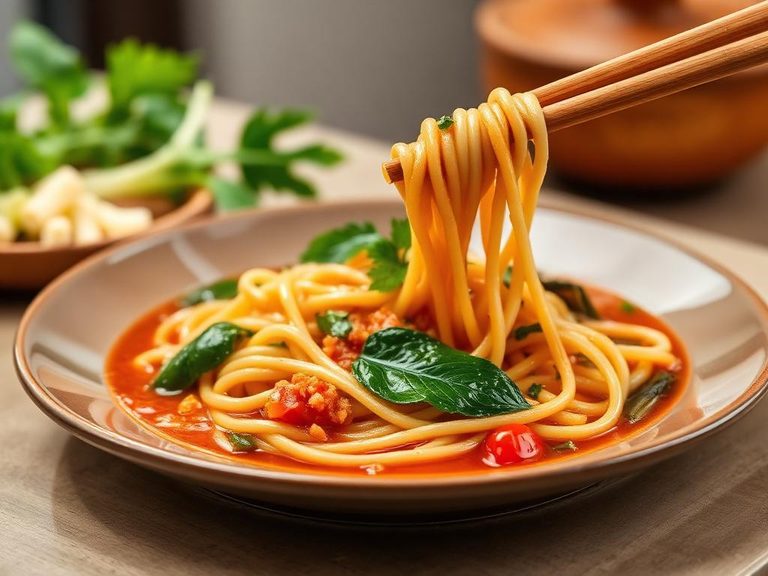
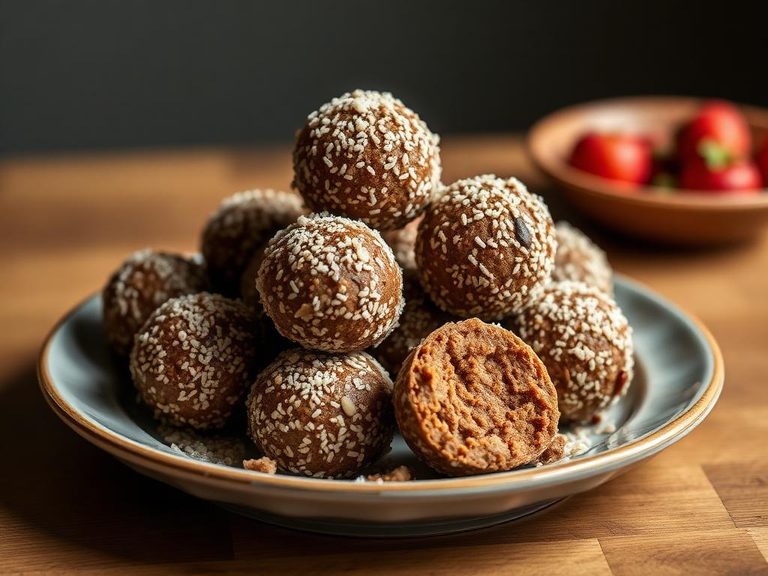
🌍 Where it's eaten
💡 Did you know?
It takes approximately 540 peanuts to make one 12-ounce jar of peanut butter.
Full nutrition (USDA data · scales with serving)
| Water | 1.5 g |
| Energy | 591 kcal |
| Protein | 25.7 g |
| Total lipid (fat) | 50.8 g |
| Carbohydrate, by difference | 18.8 g |
| Fiber, total dietary | 5.6 g |
| Total Sugars | 10.5 g |
| Calcium, Ca | 43.0 mg |
| Iron, Fe | 16.6 mg |
| Magnesium, Mg | 355 mg |
| Phosphorus, P | 368 mg |
| Potassium, K | 667 mg |
| Sodium, Na | 420 mg |
| Zinc, Zn | 14.4 mg |
| Copper, Cu | 1.6 mg |
| Selenium, Se | 7.5 ug |
| Vitamin C, total ascorbic acid | 0.00 mg |
| Thiamin | 0.08 mg |
| Riboflavin | 0.10 mg |
| Niacin | 13.4 mg |
| Vitamin B-6 | 2.2 mg |
| Folate, total | 373 ug |
| Folic acid | 239 ug |
| Folate, food | 134 ug |
| Folate, DFE | 540 ug |
| Choline, total | 63.3 mg |
| Vitamin B-12 | 0.00 ug |
| Vitamin B-12, added | 0.00 ug |
| Vitamin A, RAE | 1172 ug |
| Retinol | 1172 ug |
| Carotene, beta | 0.00 ug |
| Carotene, alpha | 0.00 ug |
| Cryptoxanthin, beta | 0.00 ug |
| Lycopene | 0.00 ug |
| Lutein + zeaxanthin | 0.00 ug |
| Vitamin E (alpha-tocopherol) | 43.2 mg |
| Vitamin E, added | 36.9 mg |
| Vitamin D (D2 + D3) | 0.00 ug |
| Vitamin K (phylloquinone) | 0.60 ug |
| Alcohol, ethyl | 0.00 g |
| Caffeine | 0.00 mg |
| Theobromine | 0.00 mg |
Fat & fatty acid profile (per 100g)
| Fatty acids, total saturated | 10.1 g |
| SFA 4:0 | 0.00 g |
| SFA 6:0 | 0.00 g |
| SFA 8:0 | 0.00 g |
| SFA 10:0 | 0.00 g |
| SFA 12:0 | 0.02 g |
| SFA 14:0 | 0.22 g |
| SFA 16:0 | 5.7 g |
| SFA 18:0 | 2.7 g |
| Fatty acids, total monounsaturated | 24.8 g |
| MUFA 16:1 | 0.00 g |
| MUFA 18:1 | 23.9 g |
| MUFA 20:1 | 0.43 g |
| MUFA 22:1 | 0.00 g |
| Fatty acids, total polyunsaturated | 13.8 g |
| PUFA 18:2 | 13.8 g |
| PUFA 18:3 | 0.07 g |
| PUFA 18:4 | 0.00 g |
| PUFA 20:4 | 0.00 g |
| PUFA 20:5 n-3 (EPA) | 0.00 g |
| PUFA 22:5 n-3 (DPA) | 0.00 g |
| PUFA 22:6 n-3 (DHA) | 0.00 g |
| Cholesterol | 0.00 mg |
Amino acid profile (per 100g)
Estimated from Cookies, peanut butter, refrigerated dough, baked — USDA does not publish this profile for Peanut butter.
| Tryptophan | 0.11 g |
| Threonine | 0.30 g |
| Isoleucine | 0.36 g |
| Leucine | 0.63 g |
| Lysine | 0.37 g |
| Methionine | 0.14 g |
| Cystine | 0.16 g |
| Phenylalanine | 0.45 g |
| Tyrosine | 0.32 g |
| Valine | 0.41 g |
| Arginine | 0.69 g |
| Histidine | 0.21 g |
| Alanine | 0.35 g |
| Aspartic acid | 0.77 g |
| Glutamic acid | 2.2 g |
| Glycine | 0.41 g |
| Proline | 0.64 g |
| Serine | 0.49 g |
FAQ
Is fortified peanut butter healthier than regular?
Fortified versions add specific vitamins and minerals (like iron, zinc, B vitamins) that may be lacking in a standard diet, making them a nutritionally denser choice, especially for those with restricted diets.
Why is it so high in calories?
Peanuts are naturally calorie-dense due to their high fat content. The fortification doesn't add significant calories; the energy comes from the peanuts' healthy fats and protein.
Can I use it in cooking for savory dishes?
Absolutely! It's a cornerstone ingredient in many savory sauces and stews, like West African peanut soup or Southeast Asian satay, where it adds richness, depth, and protein.
Nutrient density (calculated · NRF9.3)
Nutrient Rich Foods index: beneficial nutrients (protein, fiber, vitamins, minerals) minus saturated fat, added sugar & sodium, per 100 kcal.
NRF9.3 index — Fulgoni, Keast & Drewnowski, 2009. Computed from USDA nutrients.
Weight-loss friendliness (composite index)
Energy density 5.91 kcal/g · 17% calories from protein · 5.6 g fiber · 10.5 g sugar per 100 g.
Composite of energy density (Rolls et al., 1999), protein & fiber satiety, minus sugar. A calculated heuristic — ranks satiety-per-calorie, not a clinical measure.
Dietary load (calculated from USDA values)
Potential renal acid load. Positive = acid-forming, negative = alkaline-forming.
Sodium-to-potassium ratio: 0.63 (lower is better — aim for ≤ 1)
Sodium:potassium per WHO potassium guidance. Computed from USDA nutrients.