Cookies, peanut butter, refrigerated dough, baked
Whole food · Baked Products

Photo: Wikipedia
A soft, chewy cookie made from refrigerated peanut butter dough, baked to a golden brown. It delivers a rich, nutty flavor with a tender, melt-in-your-mouth texture. Nutritionally, it's a dense energy source, providing over 500 kcal per 100g, primarily from fats and carbohydrates.
💚 Why it's loved
People love it for the deep, roasted peanut flavor and satisfyingly soft, chewy texture that feels indulgent. It's a nostalgic, comforting treat that bridges the gap between a classic cookie and a protein-rich snack.
⚠️ Watch-outs & how to enjoy it better
The high calorie and fat content can be a concern for those monitoring intake, and it's a common allergen (peanut). To counteract, practice strict portion control (e.g., one small cookie) and pair it with a source of fiber or protein, like a piece of fruit or a glass of milk, to improve satiety and slow sugar absorption.
Key benefits
- High in energy-dense calories for quick fuel
- Provides a moderate amount of plant-based protein
- Contains monounsaturated fats from peanut butter
- Offers a convenient, ready-to-bake format
- Satisfies sweet and savory cravings simultaneously
🍽️ Popular dishes
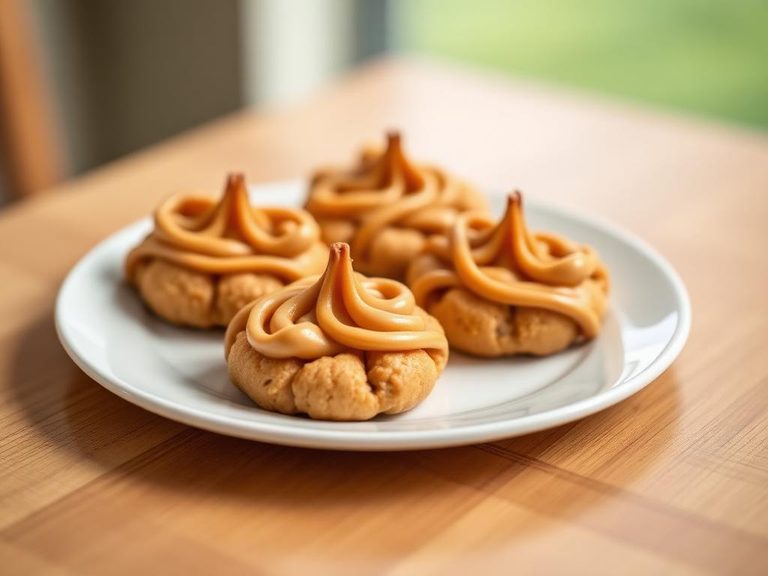
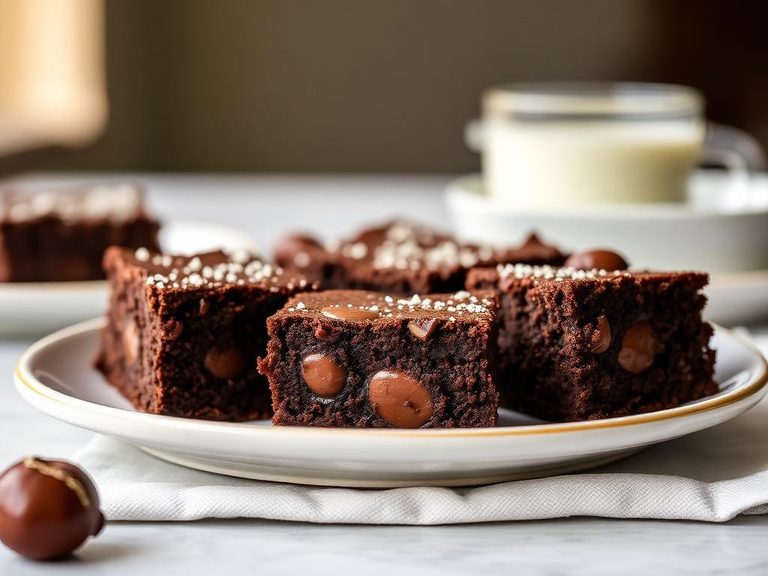
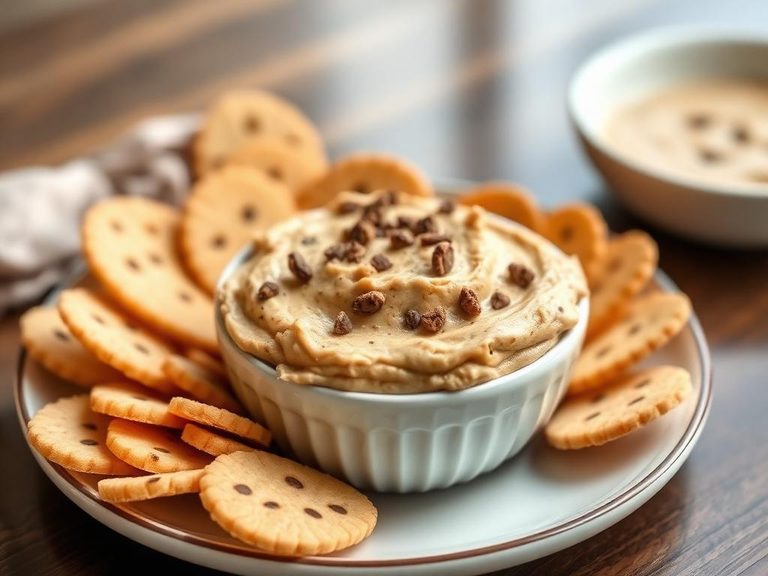
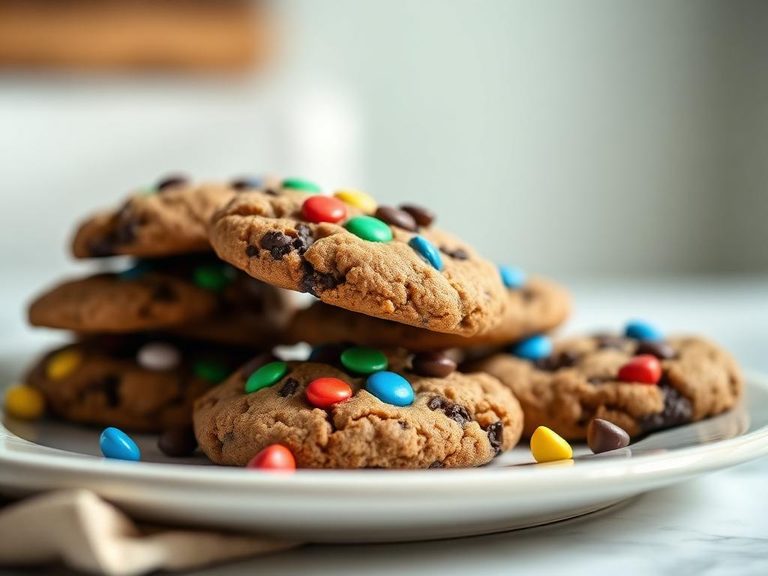
🌍 Where it's eaten
💡 Did you know?
The classic peanut butter cookie fork crisscross pattern isn't just decorative—it helps the dense dough bake evenly by flattening it.
Full nutrition (scales with serving)
| Water | 4.0 g |
| Energy | 503 kcal |
| Energy | 2105 kj |
| Protein | 9.1 g |
| Total lipid (fat) | 27.5 g |
| Ash | 2.1 g |
| Carbohydrate, by difference | 57.3 g |
| Fiber, total dietary | 1.2 g |
| Calcium, Ca | 111 mg |
| Iron, Fe | 1.9 mg |
| Magnesium, Mg | 41.0 mg |
| Phosphorus, P | 264 mg |
| Potassium, K | 338 mg |
| Sodium, Na | 436 mg |
| Zinc, Zn | 0.75 mg |
| Copper, Cu | 0.17 mg |
| Manganese, Mn | 0.46 mg |
| Selenium, Se | 5.1 ug |
| Vitamin C, total ascorbic acid | 0.00 mg |
| Thiamin | 0.17 mg |
| Riboflavin | 0.18 mg |
| Niacin | 4.1 mg |
| Pantothenic acid | 0.30 mg |
| Vitamin B-6 | 0.06 mg |
| Folate, total | 44.0 ug |
| Folic acid | 35.0 ug |
| Folate, food | 9.0 ug |
| Folate, DFE | 69.0 ug |
| Vitamin B-12 | 0.06 ug |
| Vitamin A, RAE | 14.0 ug |
| Retinol | 14.0 ug |
| Vitamin A, IU | 46.0 iu |
Fat & fatty acid profile (per 100g)
| Fatty acids, total saturated | 6.2 g |
| SFA 8:0 | 0.00 g |
| SFA 10:0 | 0.00 g |
| SFA 12:0 | 0.00 g |
| SFA 14:0 | 0.10 g |
| SFA 16:0 | 3.5 g |
| SFA 18:0 | 2.6 g |
| Fatty acids, total monounsaturated | 14.5 g |
| MUFA 16:1 | 0.04 g |
| MUFA 18:1 | 14.4 g |
| MUFA 20:1 | 0.11 g |
| MUFA 22:1 | 0.00 g |
| Fatty acids, total polyunsaturated | 4.9 g |
| PUFA 18:2 | 4.7 g |
| PUFA 18:3 | 0.13 g |
| PUFA 20:4 | 0.05 g |
| PUFA 20:5 n-3 (EPA) | 0.00 g |
| PUFA 22:6 n-3 (DHA) | 0.01 g |
| Cholesterol | 30.0 mg |
Amino acid profile (per 100g)
| Tryptophan | 0.11 g |
| Threonine | 0.30 g |
| Isoleucine | 0.36 g |
| Leucine | 0.63 g |
| Lysine | 0.37 g |
| Methionine | 0.14 g |
| Cystine | 0.16 g |
| Phenylalanine | 0.45 g |
| Tyrosine | 0.32 g |
| Valine | 0.41 g |
| Arginine | 0.69 g |
| Histidine | 0.21 g |
| Alanine | 0.35 g |
| Aspartic acid | 0.77 g |
| Glutamic acid | 2.2 g |
| Glycine | 0.41 g |
| Proline | 0.64 g |
| Serine | 0.49 g |
FAQ
Why is the sugar content listed as 0g?
This likely refers to 'added sugars' in a specific labeling context, as the dough itself contains sugars from ingredients like brown sugar or syrup. The total carbohydrate count includes these sugars.
Can I eat the raw dough?
It's not recommended due to the risk of foodborne illness from raw flour and eggs. Always bake refrigerated dough according to package instructions.
How do I store leftover baked cookies?
Store them in an airtight container at room temperature for up to a week, or freeze them for longer preservation.