

Peanut butter and chocolate spread
Common food

Photo: Wikipedia
A velvety, rich blend of roasted peanuts and cocoa, delivering a sweet-salty, deeply nutty flavor with a smooth, spreadable texture. Nutritionally dense, it packs over 34g of fat and 34g of sugar per 100g, making it a high-energy, indulgent treat rather than a light snack.
Calorie split: 9% protein · 32% carbs · 59% fat
↓ Full nutrition💚 Why it's loved
People adore it for the irresistible, nostalgic combination of creamy peanut butter and rich chocolate, a flavor profile that feels both comforting and indulgent. Its spreadable versatility makes it a go-to for everything from quick sandwiches to elaborate desserts.
⚠️ Watch-outs & how to enjoy it better
The high sugar and calorie content can contribute to blood-sugar spikes and is a concern for those managing weight or diabetes. As a common allergen, peanuts pose a serious risk for many, and the product often contains added oils and sugars. Counteract this by using strict portion control (e.g., a thin layer), pairing it with fiber-rich foods like whole-grain bread or apple slices, and always checking labels for allergen warnings.
Key benefits
- Provides quick energy from natural and added sugars
- Offers plant-based protein from peanuts
- Contains monounsaturated fats from peanuts
- Convenient, shelf-stable source of calories
- Versatile ingredient for sweet and savory recipes
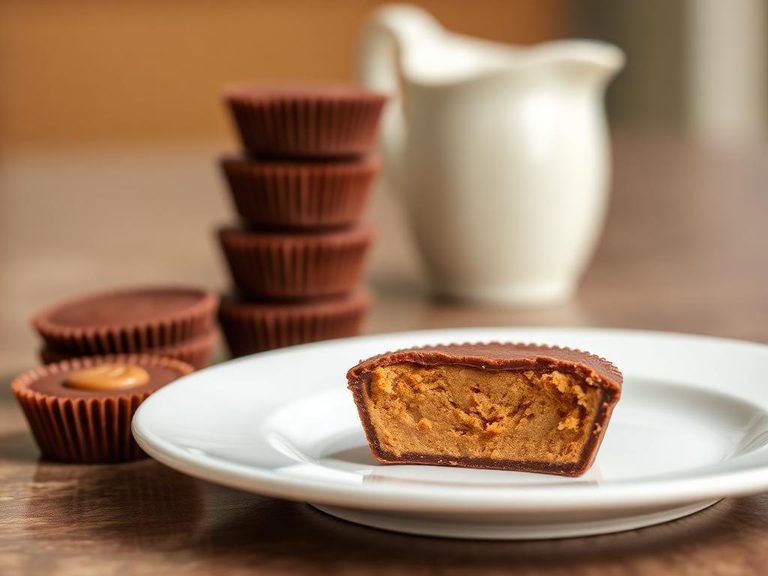
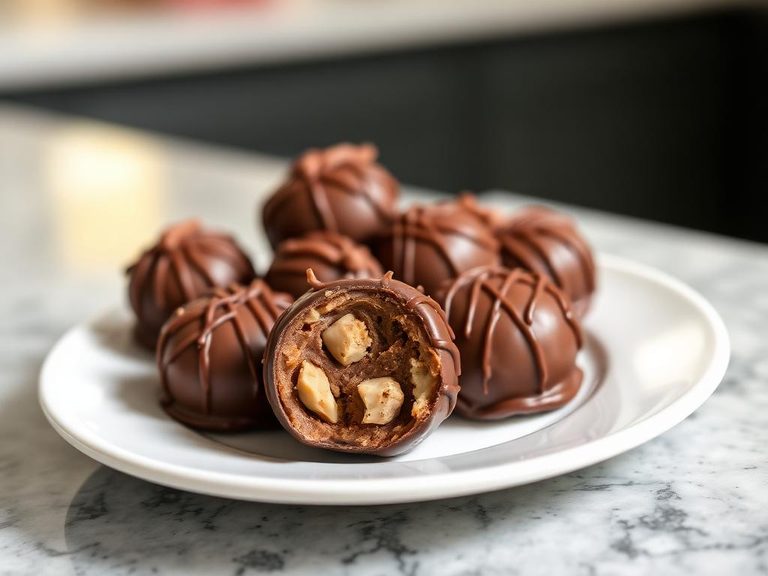
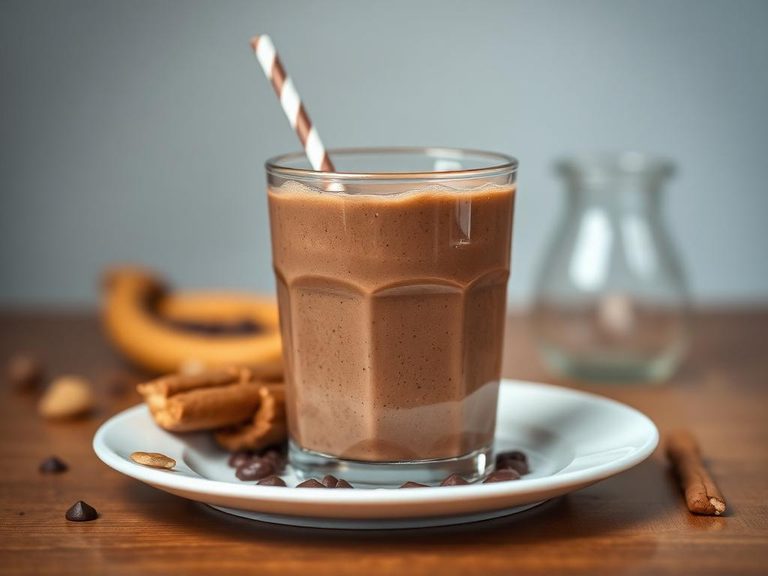
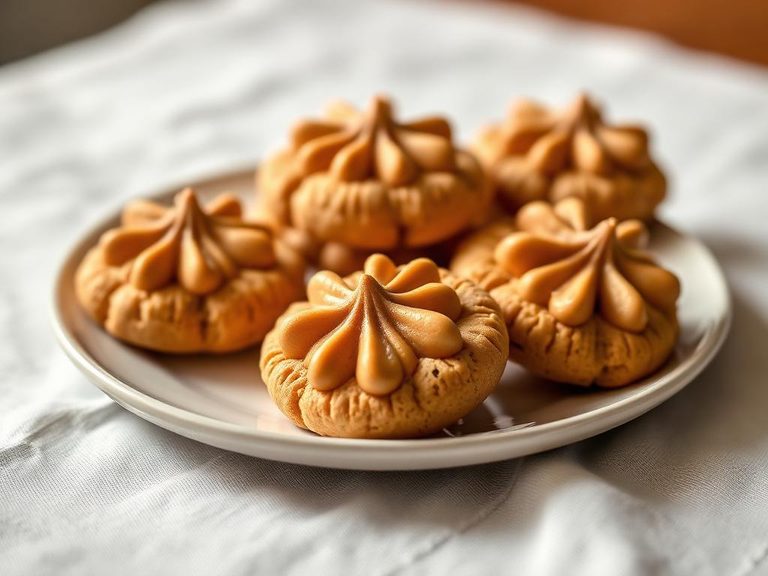
🍽️ Popular dishes
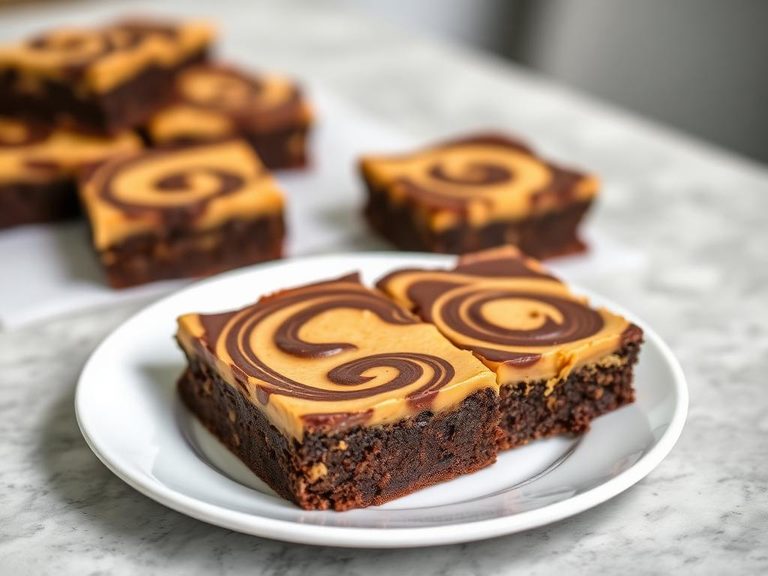
🌍 Where it's eaten
💡 Did you know?
The iconic American peanut butter cup was invented in 1941 by H.B. Reese, a former dairy farmer and shipping foreman for Milton Hershey, founder of the Hershey Company.
Full nutrition (USDA data · scales with serving)
| Water | 9.1 g |
| Energy | 498 kcal |
| Protein | 11.7 g |
| Total lipid (fat) | 34.5 g |
| Carbohydrate, by difference | 42.8 g |
| Fiber, total dietary | 3.0 g |
| Total Sugars | 34.1 g |
| Calcium, Ca | 28.0 mg |
| Iron, Fe | 1.6 mg |
| Magnesium, Mg | 94.0 mg |
| Phosphorus, P | 207 mg |
| Potassium, K | 377 mg |
| Sodium, Na | 304 mg |
| Zinc, Zn | 1.4 mg |
| Copper, Cu | 0.31 mg |
| Selenium, Se | 2.4 ug |
| Vitamin C, total ascorbic acid | 0.00 mg |
| Thiamin | 0.08 mg |
| Riboflavin | 0.10 mg |
| Niacin | 6.6 mg |
| Vitamin B-6 | 0.22 mg |
| Folate, total | 44.0 ug |
| Folic acid | 0.00 ug |
| Folate, food | 44.0 ug |
| Folate, DFE | 44.0 ug |
| Choline, total | 35.0 mg |
| Vitamin B-12 | 0.00 ug |
| Vitamin B-12, added | 0.00 ug |
| Vitamin A, RAE | 0.00 ug |
| Retinol | 0.00 ug |
| Carotene, beta | 0.00 ug |
| Carotene, alpha | 0.00 ug |
| Cryptoxanthin, beta | 0.00 ug |
| Lycopene | 0.00 ug |
| Lutein + zeaxanthin | 0.00 ug |
| Vitamin E (alpha-tocopherol) | 5.3 mg |
| Vitamin E, added | 0.00 mg |
| Vitamin D (D2 + D3) | 0.00 ug |
| Vitamin K (phylloquinone) | 0.20 ug |
| Alcohol, ethyl | 0.00 g |
| Caffeine | 1.0 mg |
| Theobromine | 40.0 mg |
Fat & fatty acid profile (per 100g)
| Fatty acids, total saturated | 7.9 g |
| SFA 4:0 | 0.00 g |
| SFA 6:0 | 0.00 g |
| SFA 8:0 | 0.00 g |
| SFA 10:0 | 0.00 g |
| SFA 12:0 | 0.00 g |
| SFA 14:0 | 0.06 g |
| SFA 16:0 | 3.6 g |
| SFA 18:0 | 2.6 g |
| Fatty acids, total monounsaturated | 17.5 g |
| MUFA 16:1 | 0.01 g |
| MUFA 18:1 | 16.9 g |
| MUFA 20:1 | 0.29 g |
| MUFA 22:1 | 0.02 g |
| Fatty acids, total polyunsaturated | 7.4 g |
| PUFA 18:2 | 7.2 g |
| PUFA 18:3 | 0.06 g |
| PUFA 18:4 | 0.00 g |
| PUFA 20:4 | 0.01 g |
| PUFA 20:5 n-3 (EPA) | 0.00 g |
| PUFA 22:5 n-3 (DPA) | 0.00 g |
| PUFA 22:6 n-3 (DHA) | 0.00 g |
| Cholesterol | 0.00 mg |
Amino acid profile (per 100g)
Estimated from Cookies, peanut butter, refrigerated dough, baked — USDA does not publish this profile for Peanut butter and chocolate spread.
| Tryptophan | 0.11 g |
| Threonine | 0.30 g |
| Isoleucine | 0.36 g |
| Leucine | 0.63 g |
| Lysine | 0.37 g |
| Methionine | 0.14 g |
| Cystine | 0.16 g |
| Phenylalanine | 0.45 g |
| Tyrosine | 0.32 g |
| Valine | 0.41 g |
| Arginine | 0.69 g |
| Histidine | 0.21 g |
| Alanine | 0.35 g |
| Aspartic acid | 0.77 g |
| Glutamic acid | 2.2 g |
| Glycine | 0.41 g |
| Proline | 0.64 g |
| Serine | 0.49 g |
FAQ
Is peanut butter and chocolate spread the same as Nutella?
No. Nutella is primarily hazelnut and cocoa-based. Peanut butter and chocolate spread uses peanuts as the main nut, resulting in a different flavor, texture, and nutritional profile, typically with more protein.
Can I use it in savory cooking?
Yes, in some cuisines. It can be used in satay-style sauces, salad dressings, or glazes for meats, where its sweetness and nuttiness complement spicy, salty, or umami flavors.
How should I store an opened jar?
For optimal freshness and to prevent oil separation, store it in a cool, dark pantry. Refrigeration is optional but will harden the spread, making it less spreadable but extending its shelf life.
Nutrient density (calculated · NRF9.3)
Nutrient Rich Foods index: beneficial nutrients (protein, fiber, vitamins, minerals) minus saturated fat, added sugar & sodium, per 100 kcal.
NRF9.3 index — Fulgoni, Keast & Drewnowski, 2009. Computed from USDA nutrients.
Weight-loss friendliness (composite index)
Energy density 4.98 kcal/g · 9% calories from protein · 3.0 g fiber · 34.1 g sugar per 100 g.
Composite of energy density (Rolls et al., 1999), protein & fiber satiety, minus sugar. A calculated heuristic — ranks satiety-per-calorie, not a clinical measure.
Dietary load (calculated from USDA values)
Potential renal acid load. Positive = acid-forming, negative = alkaline-forming.
Sodium-to-potassium ratio: 0.81 (lower is better — aim for ≤ 1)
Sodium:potassium per WHO potassium guidance. Computed from USDA nutrients.