

Pastry, cookie type, fried
Common food

Photo: Wikipedia
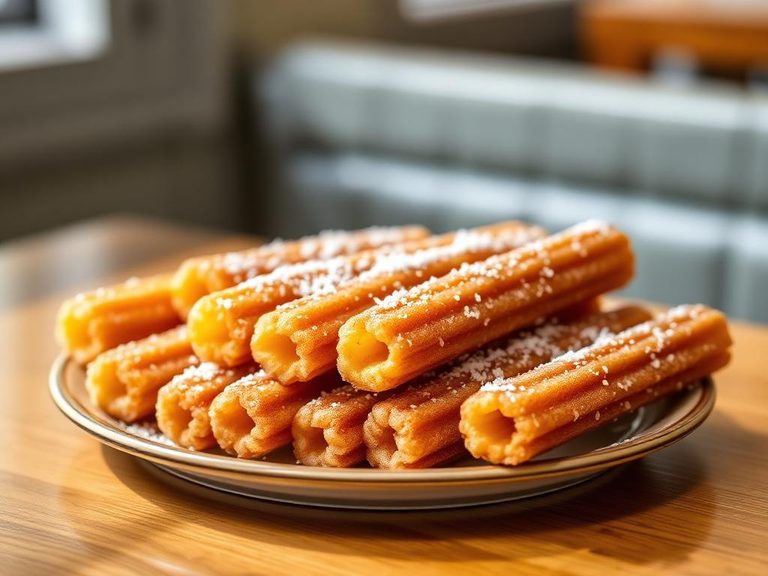
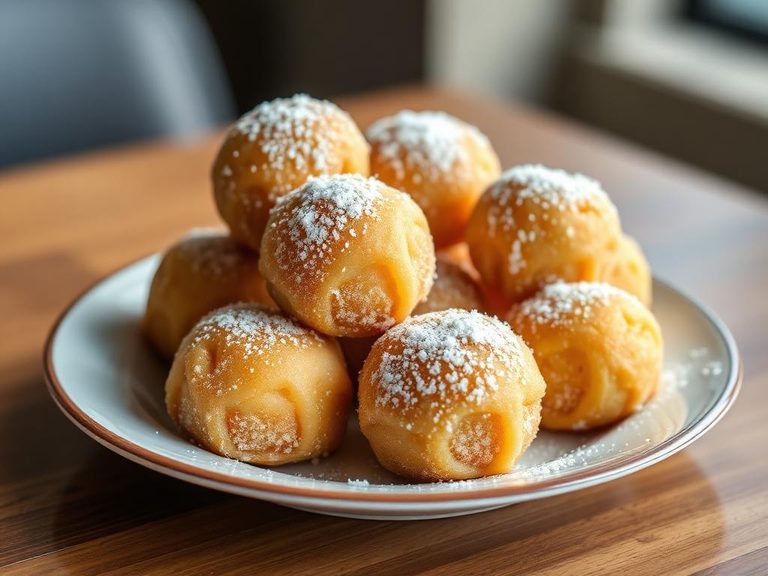
This is a golden, deep-fried pastry dough, often shaped into rings, twists, or sticks, offering a delightfully crisp exterior that gives way to a soft, airy, and slightly chewy interior. Its flavor is a rich, buttery canvas that can be sweet or savory, with the frying process imparting a distinctive, indulgent aroma. Nutritionally, it's a dense source of energy, primarily from fats and refined carbohydrates, with minimal protein or fiber.
Calorie split: 6% protein · 36% carbs · 58% fat
↓ Full nutrition💚 Why it's loved
People love it for its irresistible contrast of textures and the deep, satisfying flavor that frying creates. It's a versatile comfort food, beloved in countless cultures as a festive treat, a breakfast staple, or a simple snack.
⚠️ Watch-outs & how to enjoy it better
Its high fat and refined carb content can lead to blood sugar spikes and is calorie-dense, making it a concern for those managing weight or blood sugar. To counteract this, pair a small portion with protein (like eggs or yogurt) or fiber (like fruit) to slow digestion, and practice strict portion control.
Key benefits
- High-calorie energy source
- Quick source of carbohydrates
- Provides dietary fat
- Often used as a vehicle for other flavors
- Culturally significant celebratory food
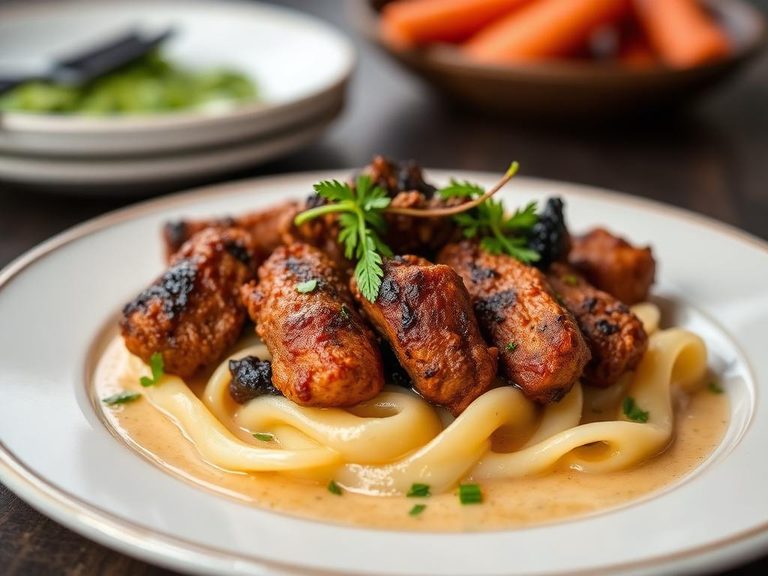
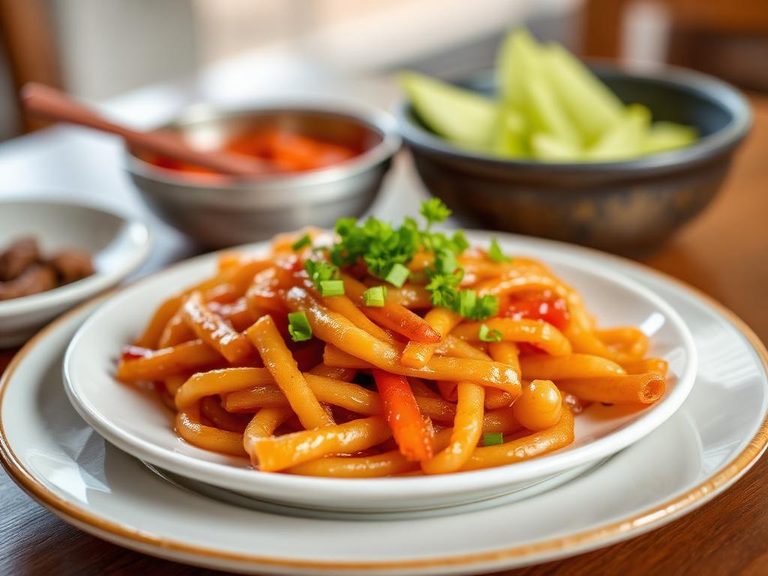
🍽️ Popular dishes


🌍 Where it's eaten
💡 Did you know?
The ancient Romans made a fried pastry called 'globi,' which were balls of cheese dough fried in oil and drizzled with honey.
Full nutrition (USDA data · scales with serving)
| Water | 32.1 g |
| Energy | 397 kcal |
| Protein | 6.0 g |
| Total lipid (fat) | 25.7 g |
| Carbohydrate, by difference | 35.5 g |
| Fiber, total dietary | 1.0 g |
| Total Sugars | 12.9 g |
| Calcium, Ca | 74.0 mg |
| Iron, Fe | 1.8 mg |
| Magnesium, Mg | 14.0 mg |
| Phosphorus, P | 110 mg |
| Potassium, K | 127 mg |
| Sodium, Na | 67.0 mg |
| Zinc, Zn | 0.61 mg |
| Copper, Cu | 0.06 mg |
| Selenium, Se | 9.5 ug |
| Vitamin C, total ascorbic acid | 1.0 mg |
| Thiamin | 0.28 mg |
| Riboflavin | 0.23 mg |
| Niacin | 1.9 mg |
| Vitamin B-6 | 0.07 mg |
| Folate, total | 49.0 ug |
| Folic acid | 26.0 ug |
| Folate, food | 23.0 ug |
| Folate, DFE | 67.0 ug |
| Choline, total | 61.1 mg |
| Vitamin B-12 | 0.31 ug |
| Vitamin B-12, added | 0.00 ug |
| Vitamin A, RAE | 117 ug |
| Retinol | 114 ug |
| Carotene, beta | 22.0 ug |
| Carotene, alpha | 3.0 ug |
| Cryptoxanthin, beta | 3.0 ug |
| Lycopene | 0.00 ug |
| Lutein + zeaxanthin | 86.0 ug |
| Vitamin E (alpha-tocopherol) | 3.4 mg |
| Vitamin E, added | 0.00 mg |
| Vitamin D (D2 + D3) | 0.90 ug |
| Vitamin K (phylloquinone) | 16.2 ug |
| Alcohol, ethyl | 0.00 g |
| Caffeine | 0.00 mg |
| Theobromine | 0.00 mg |
Fat & fatty acid profile (per 100g)
| Fatty acids, total saturated | 7.1 g |
| SFA 4:0 | 0.19 g |
| SFA 6:0 | 0.14 g |
| SFA 8:0 | 0.08 g |
| SFA 10:0 | 0.18 g |
| SFA 12:0 | 0.21 g |
| SFA 14:0 | 0.70 g |
| SFA 16:0 | 4.0 g |
| SFA 18:0 | 1.3 g |
| Fatty acids, total monounsaturated | 9.0 g |
| MUFA 16:1 | 0.23 g |
| MUFA 18:1 | 8.6 g |
| MUFA 20:1 | 0.12 g |
| MUFA 22:1 | 0.00 g |
| Fatty acids, total polyunsaturated | 6.6 g |
| PUFA 18:2 | 5.8 g |
| PUFA 18:3 | 0.71 g |
| PUFA 18:4 | 0.00 g |
| PUFA 20:4 | 0.04 g |
| PUFA 20:5 n-3 (EPA) | 0.00 g |
| PUFA 22:5 n-3 (DPA) | 0.00 g |
| PUFA 22:6 n-3 (DHA) | 0.01 g |
| Cholesterol | 104 mg |
Amino acid profile (per 100g)
Estimated from Puff pastry, frozen, ready-to-bake, baked — USDA does not publish this profile for Pastry.
| Tryptophan | 0.09 g |
| Threonine | 0.20 g |
| Isoleucine | 0.28 g |
| Leucine | 0.51 g |
| Lysine | 0.14 g |
| Methionine | 0.13 g |
| Cystine | 0.17 g |
| Phenylalanine | 0.37 g |
| Tyrosine | 0.20 g |
| Valine | 0.31 g |
| Arginine | 0.26 g |
| Histidine | 0.16 g |
| Alanine | 0.23 g |
| Aspartic acid | 0.30 g |
| Glutamic acid | 2.6 g |
| Glycine | 0.26 g |
| Proline | 0.88 g |
| Serine | 0.36 g |
FAQ
Why is fried pastry dough so high in calories?
The deep-frying process causes the dough to absorb a significant amount of oil, which is pure fat. Fat contains 9 calories per gram, compared to 4 calories per gram for carbohydrates or protein, making fried foods very energy-dense.
Can I make a lighter version at home?
Yes, you can try baking or air-frying the dough, which uses little to no added oil. While the texture will be less rich and crispy, it significantly reduces the fat and calorie content.
What's the best way to reheat leftover fried pastry?
To restore crispness, reheat in a toaster oven or conventional oven at 350°F (175°C) for 5-10 minutes. Avoid the microwave, as it will make the pastry tough and chewy by steaming it from the inside.
Nutrient density (calculated · NRF9.3)
Nutrient Rich Foods index: beneficial nutrients (protein, fiber, vitamins, minerals) minus saturated fat, added sugar & sodium, per 100 kcal.
NRF9.3 index — Fulgoni, Keast & Drewnowski, 2009. Computed from USDA nutrients.
Weight-loss friendliness (composite index)
Energy density 3.97 kcal/g · 6% calories from protein · 1.0 g fiber · 12.9 g sugar per 100 g.
Composite of energy density (Rolls et al., 1999), protein & fiber satiety, minus sugar. A calculated heuristic — ranks satiety-per-calorie, not a clinical measure.
Dietary load (calculated from USDA values)
Potential renal acid load. Positive = acid-forming, negative = alkaline-forming.
Sodium-to-potassium ratio: 0.53 (lower is better — aim for ≤ 1)
Sodium:potassium per WHO potassium guidance. Computed from USDA nutrients.