

Onions, frozen, chopped, unprepared
Whole food · Vegetables and Vegetable Products

Photo: Wikipedia
These are onions that have been chopped and flash-frozen, preserving their sharp, pungent flavor and crisp-tender texture for cooking. Nutritionally, they are a very low-calorie, high-fiber ingredient that adds depth and sweetness to dishes as they caramelize.
Calorie split: 10% protein · 87% carbs · 3% fat
↓ Full nutrition💚 Why it's loved
People love frozen chopped onions for their incredible convenience, eliminating the tears and prep work of fresh onions while delivering the same essential, savory-sweet flavor foundation for soups, stews, and sautés.
⚠️ Watch-outs & how to enjoy it better
The freezing process can slightly soften the onion's cell structure, making them less ideal for applications where a crisp, raw crunch is desired (like in a fresh salsa). To counteract this, use them in cooked dishes where a softer texture is acceptable, or add them later in the cooking process to retain some bite.
Key benefits
- Excellent source of dietary fiber for digestive health
- Very low in calories and fat, aiding weight management
- Provides antioxidants like quercetin
- Convenient, pre-chopped base for countless recipes
- Adds significant flavor without added sodium or sugar
🍽️ Popular dishes
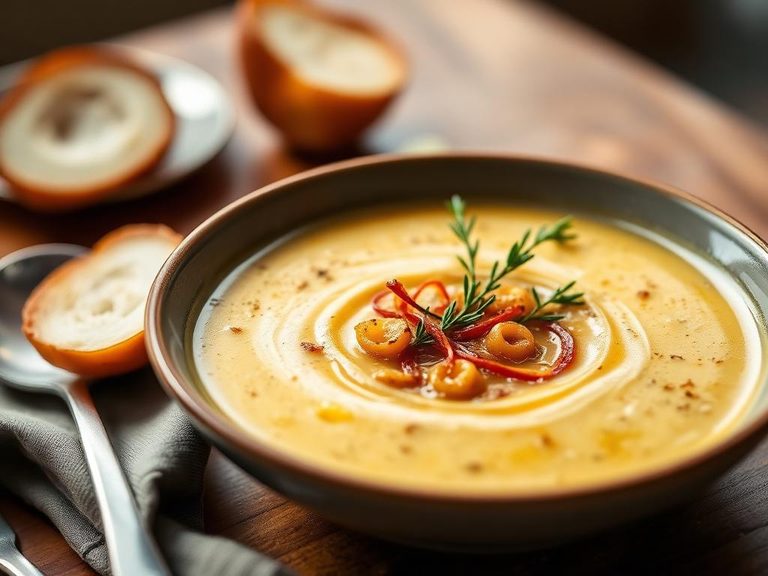
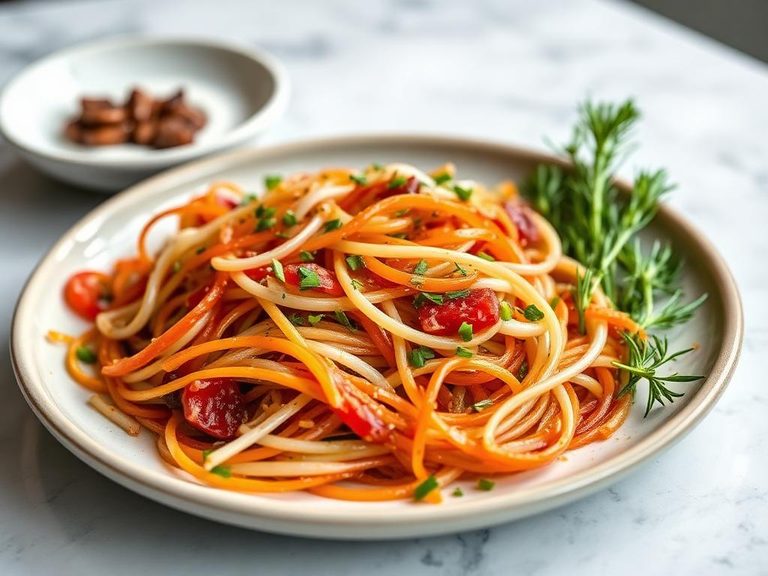
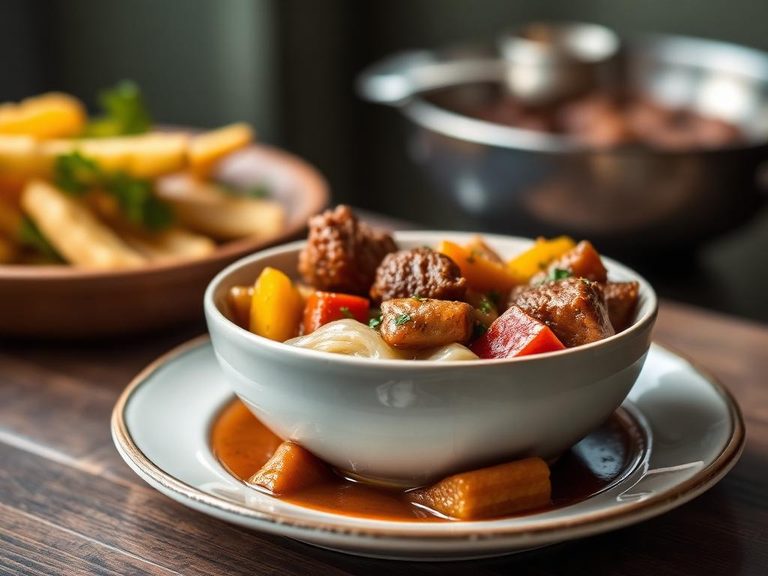
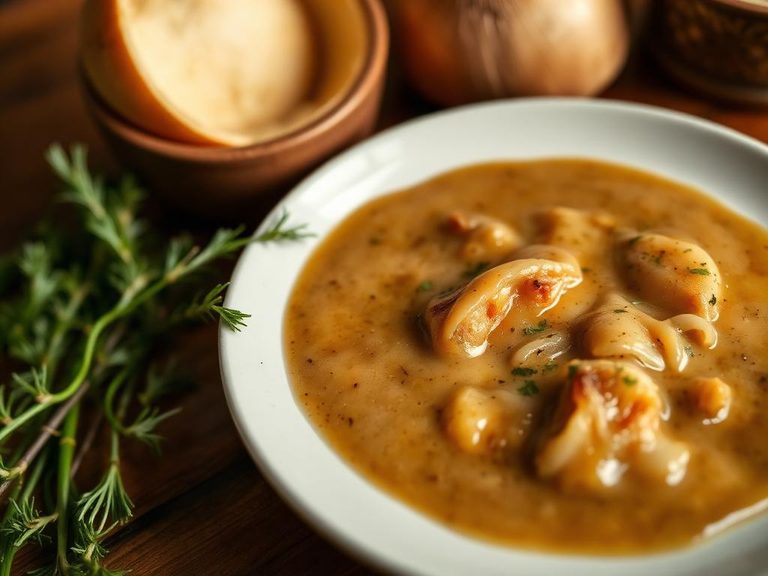
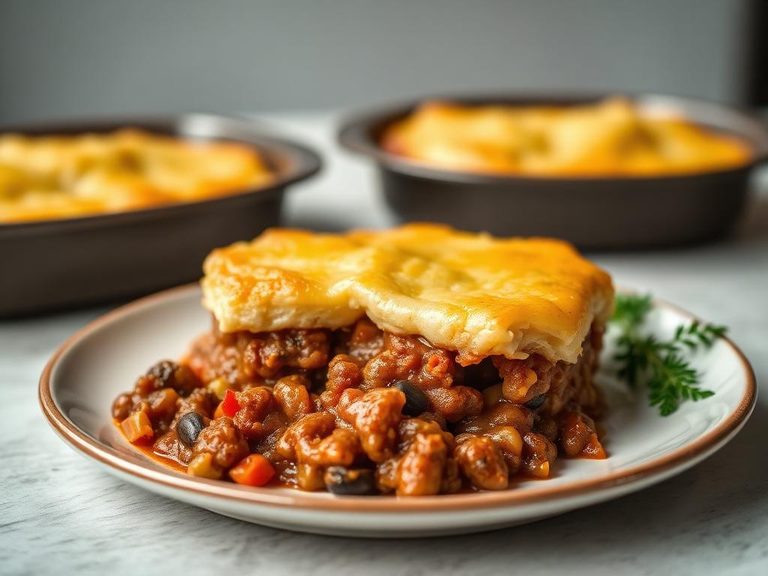
🌍 Where it's eaten
💡 Did you know?
The process of flash-freezing chopped onions can actually increase their perceived sweetness slightly, as the ice crystals break down cell walls and release more of the natural sugars during cooking.
Full nutrition (USDA data · scales with serving)
| Water | 92.0 g |
| Energy | 29.0 kcal |
| Energy | 122 kj |
| Protein | 0.79 g |
| Total lipid (fat) | 0.10 g |
| Ash | 0.30 g |
| Carbohydrate, by difference | 6.8 g |
| Fiber, total dietary | 1.8 g |
| Calcium, Ca | 17.0 mg |
| Iron, Fe | 0.33 mg |
| Magnesium, Mg | 7.0 mg |
| Phosphorus, P | 22.0 mg |
| Potassium, K | 124 mg |
| Sodium, Na | 12.0 mg |
| Zinc, Zn | 0.07 mg |
| Copper, Cu | 0.02 mg |
| Manganese, Mn | 0.07 mg |
| Selenium, Se | 0.40 ug |
| Vitamin C, total ascorbic acid | 3.3 mg |
| Thiamin | 0.03 mg |
| Riboflavin | 0.03 mg |
| Niacin | 0.15 mg |
| Pantothenic acid | 0.10 mg |
| Vitamin B-6 | 0.07 mg |
| Folate, total | 17.0 ug |
| Folic acid | 0.00 ug |
| Folate, food | 17.0 ug |
| Folate, DFE | 17.0 ug |
| Vitamin B-12 | 0.00 ug |
| Vitamin A, RAE | 2.0 ug |
| Retinol | 0.00 ug |
| Vitamin A, IU | 35.0 iu |
| Vitamin D (D2 + D3), International Units | 0.00 iu |
| Vitamin D (D2 + D3) | 0.00 ug |
| Alcohol, ethyl | 0.00 g |
Fat & fatty acid profile (per 100g)
| Fatty acids, total saturated | 0.02 g |
| SFA 4:0 | 0.00 g |
| SFA 6:0 | 0.00 g |
| SFA 8:0 | 0.00 g |
| SFA 10:0 | 0.00 g |
| SFA 12:0 | 0.00 g |
| SFA 14:0 | 0.00 g |
| SFA 16:0 | 0.01 g |
| SFA 18:0 | 0.00 g |
| Fatty acids, total monounsaturated | 0.01 g |
| MUFA 16:1 | 0.00 g |
| MUFA 18:1 | 0.01 g |
| MUFA 20:1 | 0.00 g |
| MUFA 22:1 | 0.00 g |
| Fatty acids, total polyunsaturated | 0.04 g |
| PUFA 18:2 | 0.04 g |
| PUFA 18:3 | 0.00 g |
| PUFA 18:4 | 0.00 g |
| PUFA 20:4 | 0.00 g |
| PUFA 20:5 n-3 (EPA) | 0.00 g |
| PUFA 22:5 n-3 (DPA) | 0.00 g |
| PUFA 22:6 n-3 (DHA) | 0.00 g |
| Fatty acids, total trans | 0.00 g |
| Cholesterol | 0.00 mg |
Amino acid profile (per 100g)
| Tryptophan | 0.01 g |
| Threonine | 0.02 g |
| Isoleucine | 0.03 g |
| Leucine | 0.03 g |
| Lysine | 0.04 g |
| Methionine | 0.01 g |
| Cystine | 0.01 g |
| Phenylalanine | 0.02 g |
| Tyrosine | 0.02 g |
| Valine | 0.02 g |
| Arginine | 0.11 g |
| Histidine | 0.01 g |
| Alanine | 0.02 g |
| Aspartic acid | 0.04 g |
| Glutamic acid | 0.13 g |
| Glycine | 0.03 g |
| Proline | 0.03 g |
| Serine | 0.02 g |
FAQ
Can I use frozen chopped onions directly from the bag in recipes?
Yes, absolutely. They are designed to be added directly to hot pans or simmering liquids. There's no need to thaw them first, which can make them mushy.
How do frozen onions compare nutritionally to fresh?
The nutritional profile is very similar. Freezing preserves most vitamins and minerals. The primary difference is texture, not nutrition.
What's the best way to store them after opening the bag?
Reseal the bag tightly, pressing out as much air as possible, and keep it in the freezer. They will maintain best quality for 6-8 months.
Nutrient density (calculated · NRF9.3)
Nutrient Rich Foods index: beneficial nutrients (protein, fiber, vitamins, minerals) minus saturated fat, added sugar & sodium, per 100 kcal.
NRF9.3 index — Fulgoni, Keast & Drewnowski, 2009. Computed from USDA nutrients.
Weight-loss friendliness (composite index)
Energy density 0.29 kcal/g · 11% calories from protein · 1.8 g fiber · 0.0 g sugar per 100 g.
Composite of energy density (Rolls et al., 1999), protein & fiber satiety, minus sugar. A calculated heuristic — ranks satiety-per-calorie, not a clinical measure.
Dietary load (calculated from USDA values)
Potential renal acid load. Positive = acid-forming, negative = alkaline-forming.
Sodium-to-potassium ratio: 0.10 (lower is better — aim for ≤ 1)
Sodium:potassium per WHO potassium guidance. Computed from USDA nutrients.