

Oatmeal, fast food, plain
Common food

Photo: Wikipedia
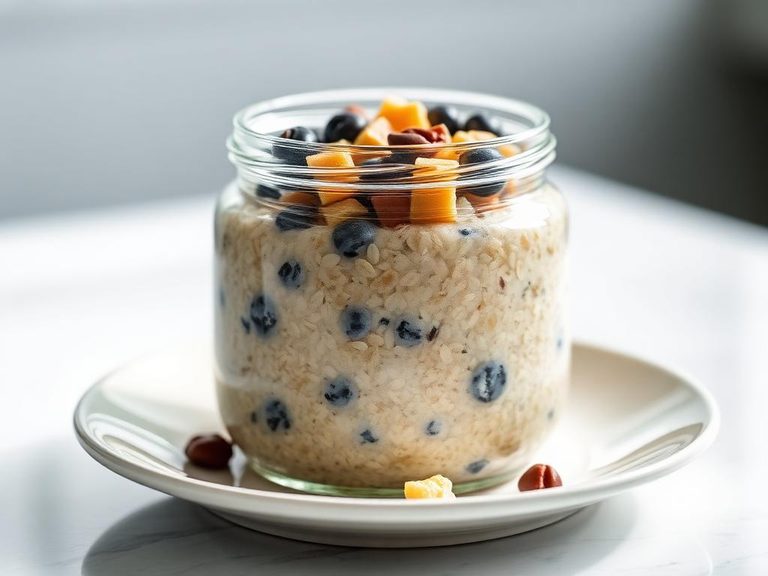
This is a plain, pre-cooked oatmeal packet, the kind you might grab at a fast-food counter or convenience store. It has a soft, slightly gummy texture and a mild, toasted grain flavor that serves as a blank canvas. Nutritionally, it's a light, low-calorie base with modest protein and fiber.
Calorie split: 13% protein · 59% carbs · 28% fat
↓ Full nutrition💚 Why it's loved
People love its comforting, warm simplicity and the speed it offers for a quick breakfast or snack. It's a nostalgic, customizable staple that can be dressed up with fruits, nuts, or spices to suit any taste.
⚠️ Watch-outs & how to enjoy it better
On its own, it can be bland and may cause a quicker blood-sugar spike compared to steel-cut oats due to processing. To counteract this, always pair it with a source of protein (like nuts, seeds, or yogurt) and healthy fat to slow digestion and increase satiety.
Key benefits
- Quick, convenient source of complex carbohydrates
- Low in fat and naturally cholesterol-free
- Provides soluble fiber (beta-glucan) for heart health
- Simple, versatile base for sweet or savory toppings
🍽️ Popular dishes
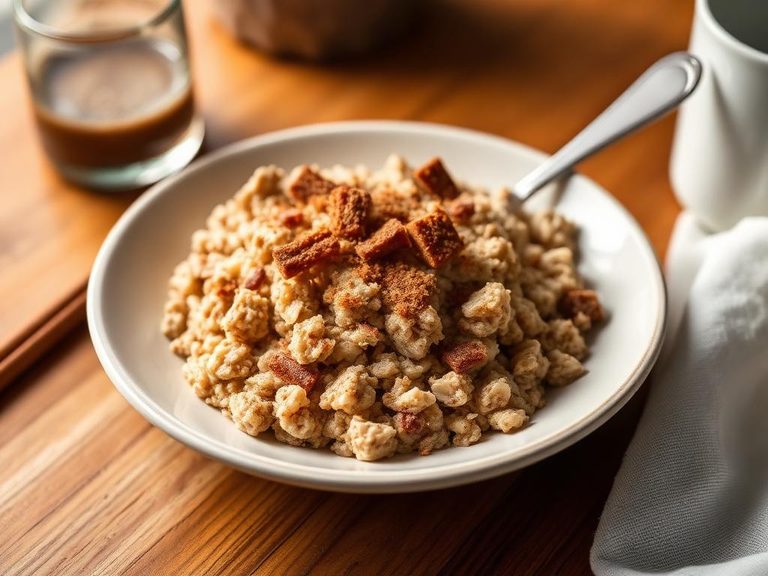
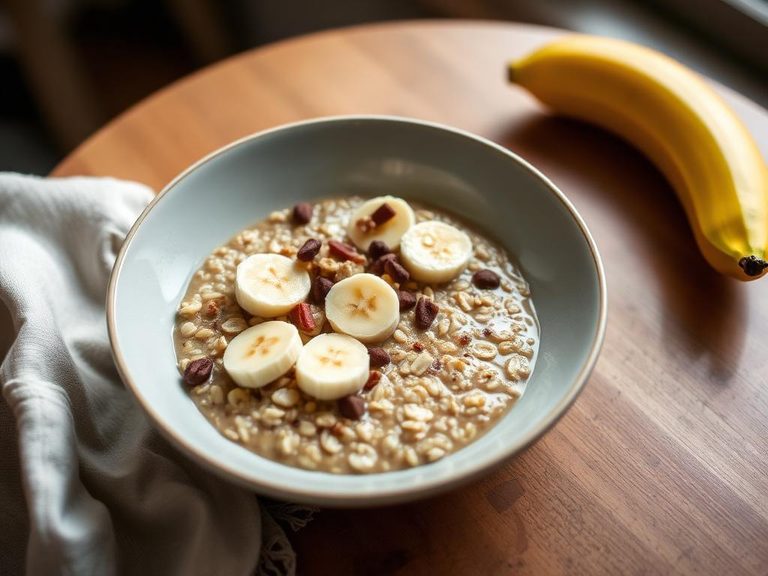
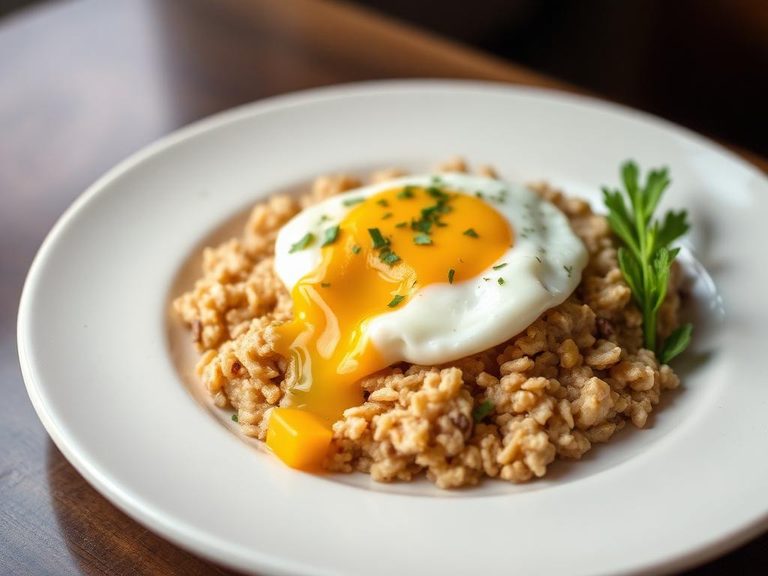
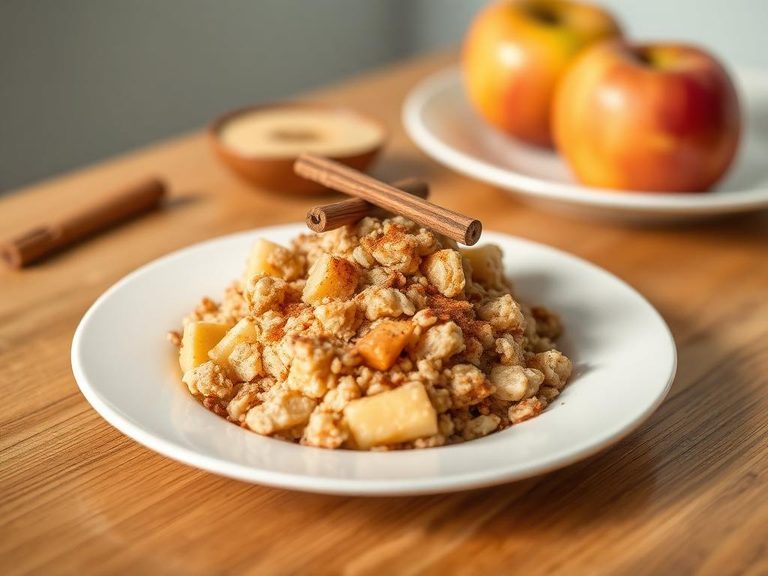
🌍 Where it's eaten
💡 Did you know?
The 'instant' or 'fast-food' oatmeal you eat today was popularized in the 1960s by a Quaker Oats chemist who discovered a way to pre-cook and dry oats so they'd rehydrate in minutes.
Full nutrition (USDA data · scales with serving)
| Water | 82.3 g |
| Energy | 80.0 kcal |
| Protein | 2.6 g |
| Total lipid (fat) | 2.5 g |
| Carbohydrate, by difference | 11.9 g |
| Fiber, total dietary | 1.7 g |
| Total Sugars | 0.69 g |
| Calcium, Ca | 25.0 mg |
| Iron, Fe | 0.68 mg |
| Magnesium, Mg | 25.0 mg |
| Phosphorus, P | 77.0 mg |
| Potassium, K | 74.0 mg |
| Sodium, Na | 93.0 mg |
| Zinc, Zn | 0.67 mg |
| Copper, Cu | 0.07 mg |
| Selenium, Se | 5.3 ug |
| Vitamin C, total ascorbic acid | 0.10 mg |
| Thiamin | 0.07 mg |
| Riboflavin | 0.05 mg |
| Niacin | 0.18 mg |
| Vitamin B-6 | 0.02 mg |
| Folate, total | 4.0 ug |
| Folic acid | 0.00 ug |
| Folate, food | 4.0 ug |
| Folate, DFE | 4.0 ug |
| Choline, total | 9.0 mg |
| Vitamin B-12 | 0.02 ug |
| Vitamin B-12, added | 0.00 ug |
| Vitamin A, RAE | 12.0 ug |
| Retinol | 12.0 ug |
| Carotene, beta | 3.0 ug |
| Carotene, alpha | 0.00 ug |
| Cryptoxanthin, beta | 0.00 ug |
| Lycopene | 0.00 ug |
| Lutein + zeaxanthin | 27.0 ug |
| Vitamin E (alpha-tocopherol) | 0.10 mg |
| Vitamin E, added | 0.00 mg |
| Vitamin D (D2 + D3) | 0.00 ug |
| Vitamin K (phylloquinone) | 0.50 ug |
| Alcohol, ethyl | 0.00 g |
| Caffeine | 0.00 mg |
| Theobromine | 0.00 mg |
Fat & fatty acid profile (per 100g)
| Fatty acids, total saturated | 1.1 g |
| SFA 4:0 | 0.03 g |
| SFA 6:0 | 0.03 g |
| SFA 8:0 | 0.02 g |
| SFA 10:0 | 0.04 g |
| SFA 12:0 | 0.05 g |
| SFA 14:0 | 0.15 g |
| SFA 16:0 | 0.56 g |
| SFA 18:0 | 0.16 g |
| Fatty acids, total monounsaturated | 0.75 g |
| MUFA 16:1 | 0.03 g |
| MUFA 18:1 | 0.70 g |
| MUFA 20:1 | 0.00 g |
| MUFA 22:1 | 0.00 g |
| Fatty acids, total polyunsaturated | 0.46 g |
| PUFA 18:2 | 0.43 g |
| PUFA 18:3 | 0.02 g |
| PUFA 18:4 | 0.00 g |
| PUFA 20:4 | 0.00 g |
| PUFA 20:5 n-3 (EPA) | 0.00 g |
| PUFA 22:5 n-3 (DPA) | 0.00 g |
| PUFA 22:6 n-3 (DHA) | 0.00 g |
| Cholesterol | 4.0 mg |
Amino acid profile (per 100g)
Estimated from Cookies, oatmeal, refrigerated dough, baked — USDA does not publish this profile for Oatmeal.
| Tryptophan | 0.10 g |
| Threonine | 0.20 g |
| Isoleucine | 0.25 g |
| Leucine | 0.46 g |
| Lysine | 0.29 g |
| Methionine | 0.14 g |
| Cystine | 0.17 g |
| Phenylalanine | 0.31 g |
| Tyrosine | 0.22 g |
| Valine | 0.32 g |
| Arginine | 0.37 g |
| Histidine | 0.14 g |
| Alanine | 0.28 g |
| Aspartic acid | 0.50 g |
| Glutamic acid | 1.3 g |
| Glycine | 0.27 g |
| Proline | 0.39 g |
| Serine | 0.34 g |
FAQ
Is fast-food oatmeal the same as instant oatmeal?
They are very similar. Both are typically pre-cooked and rolled thinner than old-fashioned oats for rapid preparation. The main difference is often packaging and where it's sold.
Why is the sugar content listed so low?
The data is for 'plain' oatmeal without added sugars. Most pre-packaged or fast-food versions come with a separate sugar packet or have added sweeteners, which would significantly increase the sugar content.
Can I eat this if I'm gluten-free?
Pure oats are naturally gluten-free, but they are often processed in facilities that handle wheat. Look for packages specifically labeled 'certified gluten-free' to avoid cross-contamination.
Nutrient density (calculated · NRF9.3)
Nutrient Rich Foods index: beneficial nutrients (protein, fiber, vitamins, minerals) minus saturated fat, added sugar & sodium, per 100 kcal.
NRF9.3 index — Fulgoni, Keast & Drewnowski, 2009. Computed from USDA nutrients.
Weight-loss friendliness (composite index)
Energy density 0.80 kcal/g · 13% calories from protein · 1.7 g fiber · 0.7 g sugar per 100 g.
Composite of energy density (Rolls et al., 1999), protein & fiber satiety, minus sugar. A calculated heuristic — ranks satiety-per-calorie, not a clinical measure.
Dietary load (calculated from USDA values)
Potential renal acid load. Positive = acid-forming, negative = alkaline-forming.
Sodium-to-potassium ratio: 1.26 (lower is better — aim for ≤ 1)
Sodium:potassium per WHO potassium guidance. Computed from USDA nutrients.