

Oatmeal, fast food, flavored
Common food

Photo: Wikipedia
This is a convenient, pre-packaged oatmeal designed for quick preparation, typically with a sweet, flavored coating or mix-in. It offers a soft, mushy texture when cooked, with a mild oat base and a distinct, often artificial, flavor profile. Nutritionally, it's a low-calorie, high-carb option with minimal protein and fat.
Calorie split: 9% protein · 73% carbs · 19% fat
↓ Full nutrition💚 Why it's loved
People love it for its sheer convenience and the comforting, sweet taste that makes a warm breakfast feel like a treat. It's a nostalgic, no-fuss staple for busy mornings or a quick snack.
⚠️ Watch-outs & how to enjoy it better
The high sugar content can lead to a rapid blood-sugar spike and subsequent crash, leaving you hungry soon after. To counteract this, pair it with a source of protein or healthy fat like a handful of nuts, a spoonful of nut butter, or a side of Greek yogurt.
Key benefits
- Quick and convenient source of energy
- Low in fat and cholesterol
- Provides some dietary fiber
- Fortified with vitamins and minerals in many brands
- Easy to digest
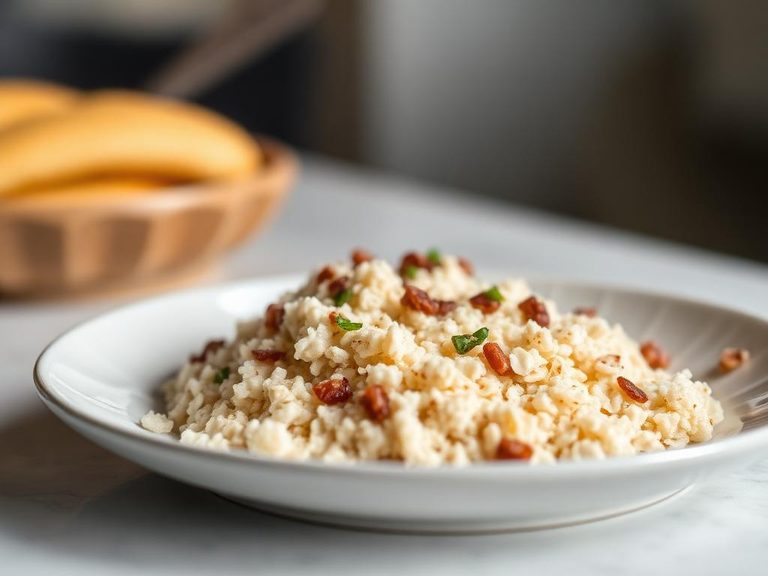
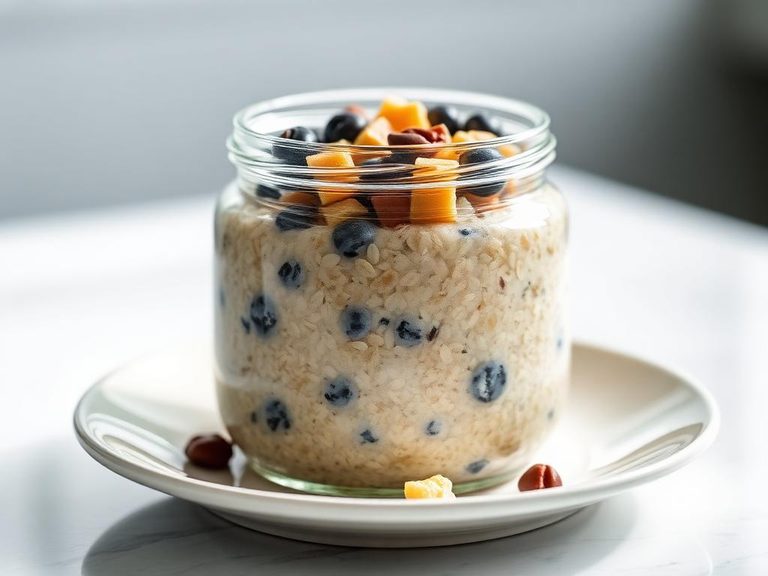
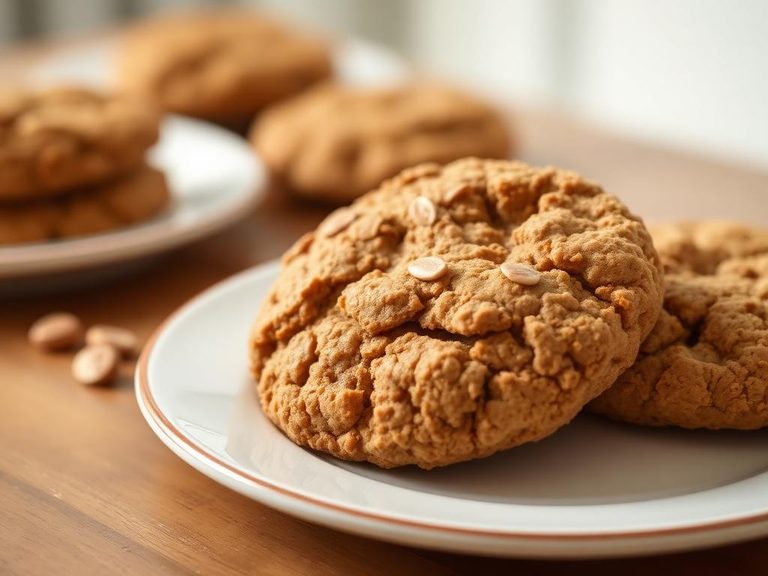
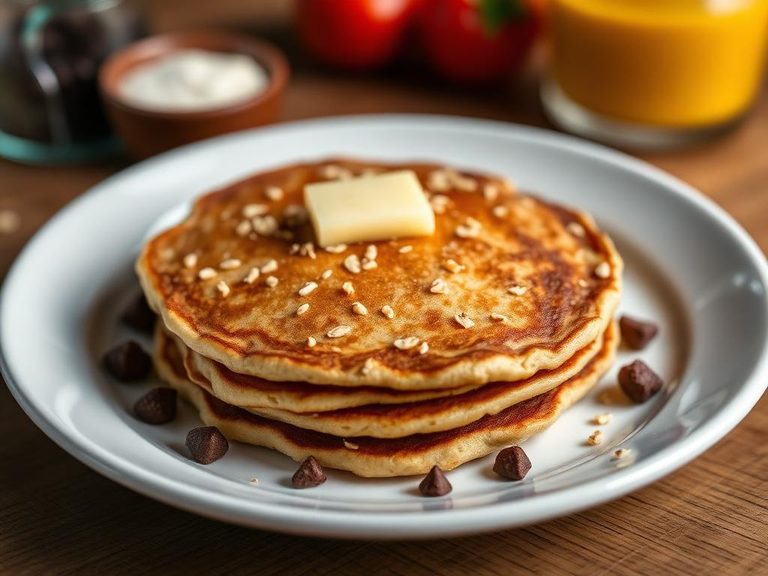
🍽️ Popular dishes
🌍 Where it's eaten
💡 Did you know?
The 'instant' or 'quick-cook' oats in these packets are often pre-cooked and then rolled thinner than traditional oats, which is why they rehydrate and soften so rapidly with just hot water.
Full nutrition (USDA data · scales with serving)
| Water | 74.1 g |
| Energy | 110 kcal |
| Protein | 2.4 g |
| Total lipid (fat) | 2.3 g |
| Carbohydrate, by difference | 20.3 g |
| Fiber, total dietary | 1.6 g |
| Total Sugars | 9.9 g |
| Calcium, Ca | 31.0 mg |
| Iron, Fe | 0.70 mg |
| Magnesium, Mg | 24.0 mg |
| Phosphorus, P | 71.0 mg |
| Potassium, K | 81.0 mg |
| Sodium, Na | 163 mg |
| Zinc, Zn | 0.62 mg |
| Copper, Cu | 0.07 mg |
| Selenium, Se | 4.9 ug |
| Vitamin C, total ascorbic acid | 0.10 mg |
| Thiamin | 0.06 mg |
| Riboflavin | 0.04 mg |
| Niacin | 0.18 mg |
| Vitamin B-6 | 0.02 mg |
| Folate, total | 4.0 ug |
| Folic acid | 0.00 ug |
| Folate, food | 4.0 ug |
| Folate, DFE | 4.0 ug |
| Choline, total | 8.5 mg |
| Vitamin B-12 | 0.02 ug |
| Vitamin B-12, added | 0.00 ug |
| Vitamin A, RAE | 11.0 ug |
| Retinol | 11.0 ug |
| Carotene, beta | 3.0 ug |
| Carotene, alpha | 0.00 ug |
| Cryptoxanthin, beta | 0.00 ug |
| Lycopene | 0.00 ug |
| Lutein + zeaxanthin | 25.0 ug |
| Vitamin E (alpha-tocopherol) | 0.09 mg |
| Vitamin E, added | 0.00 mg |
| Vitamin D (D2 + D3) | 0.00 ug |
| Vitamin K (phylloquinone) | 0.50 ug |
| Alcohol, ethyl | 0.00 g |
| Caffeine | 0.00 mg |
| Theobromine | 0.00 mg |
Fat & fatty acid profile (per 100g)
| Fatty acids, total saturated | 0.98 g |
| SFA 4:0 | 0.03 g |
| SFA 6:0 | 0.02 g |
| SFA 8:0 | 0.01 g |
| SFA 10:0 | 0.04 g |
| SFA 12:0 | 0.04 g |
| SFA 14:0 | 0.13 g |
| SFA 16:0 | 0.51 g |
| SFA 18:0 | 0.15 g |
| Fatty acids, total monounsaturated | 0.69 g |
| MUFA 16:1 | 0.03 g |
| MUFA 18:1 | 0.64 g |
| MUFA 20:1 | 0.00 g |
| MUFA 22:1 | 0.00 g |
| Fatty acids, total polyunsaturated | 0.42 g |
| PUFA 18:2 | 0.39 g |
| PUFA 18:3 | 0.02 g |
| PUFA 18:4 | 0.00 g |
| PUFA 20:4 | 0.00 g |
| PUFA 20:5 n-3 (EPA) | 0.00 g |
| PUFA 22:5 n-3 (DPA) | 0.00 g |
| PUFA 22:6 n-3 (DHA) | 0.00 g |
| Cholesterol | 4.0 mg |
Amino acid profile (per 100g)
Estimated from Cookies, oatmeal, refrigerated dough, baked — USDA does not publish this profile for Oatmeal.
| Tryptophan | 0.10 g |
| Threonine | 0.20 g |
| Isoleucine | 0.25 g |
| Leucine | 0.46 g |
| Lysine | 0.29 g |
| Methionine | 0.14 g |
| Cystine | 0.17 g |
| Phenylalanine | 0.31 g |
| Tyrosine | 0.22 g |
| Valine | 0.32 g |
| Arginine | 0.37 g |
| Histidine | 0.14 g |
| Alanine | 0.28 g |
| Aspartic acid | 0.50 g |
| Glutamic acid | 1.3 g |
| Glycine | 0.27 g |
| Proline | 0.39 g |
| Serine | 0.34 g |
FAQ
Is flavored instant oatmeal healthy?
It can be part of a balanced diet, but many varieties are high in added sugar and sodium. Look for brands with lower sugar content or choose plain instant oatmeal and add your own fruit and spices.
How does it differ from regular rolled oats?
Instant oats are rolled thinner and often pre-cooked, so they cook faster. They typically have a softer, mushier texture and a higher glycemic index than less-processed rolled or steel-cut oats.
Can I use it for baking?
Yes, its fine texture works well in cookies, muffins, and pancakes where a smoother oat consistency is desired, unlike the chewier texture of rolled oats.
Nutrient density (calculated · NRF9.3)
Nutrient Rich Foods index: beneficial nutrients (protein, fiber, vitamins, minerals) minus saturated fat, added sugar & sodium, per 100 kcal.
NRF9.3 index — Fulgoni, Keast & Drewnowski, 2009. Computed from USDA nutrients.
Weight-loss friendliness (composite index)
Energy density 1.10 kcal/g · 9% calories from protein · 1.6 g fiber · 9.9 g sugar per 100 g.
Composite of energy density (Rolls et al., 1999), protein & fiber satiety, minus sugar. A calculated heuristic — ranks satiety-per-calorie, not a clinical measure.
Dietary load (calculated from USDA values)
Potential renal acid load. Positive = acid-forming, negative = alkaline-forming.
Sodium-to-potassium ratio: 2.01 (lower is better — aim for ≤ 1)
Sodium:potassium per WHO potassium guidance. Computed from USDA nutrients.