

Mozzarella sticks, breaded, baked, or fried
Common food

Photo: Wikipedia
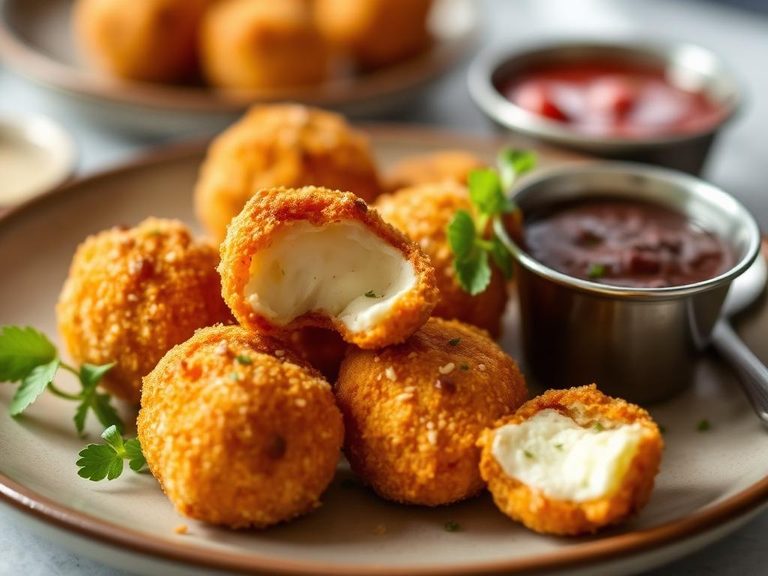
Mozzarella sticks are golden, crispy pillars of cheese, offering a satisfying crunch that gives way to a stretchy, molten interior. They deliver a potent dose of protein and fat, making them a calorie-dense snack or appetizer that hits savory, salty, and umami notes.
Calorie split: 18% protein · 31% carbs · 51% fat
↓ Full nutrition💚 Why it's loved
People adore the textural contrast of the crispy breadcrumb shell and the gooey, pull-apart cheese inside. Their cultural status as a beloved bar food, party staple, and comfort snack makes them a nostalgic and shareable indulgence.
⚠️ Watch-outs & how to enjoy it better
The combination of refined carbs from breading and high fat can lead to blood sugar spikes and is calorie-dense, which may be a concern for some. To counteract, pair with a fiber-rich marinara or a side salad to slow digestion, practice strict portion control (stick to 2-3 sticks), and opt for baked versions to reduce total fat content.
Key benefits
- Excellent source of complete protein for muscle maintenance.
- Provides calcium for bone health.
- High in fat for satiety and energy.
- Quick, convenient source of calories.
- Versatile base for various dipping sauces.
🍽️ Popular dishes
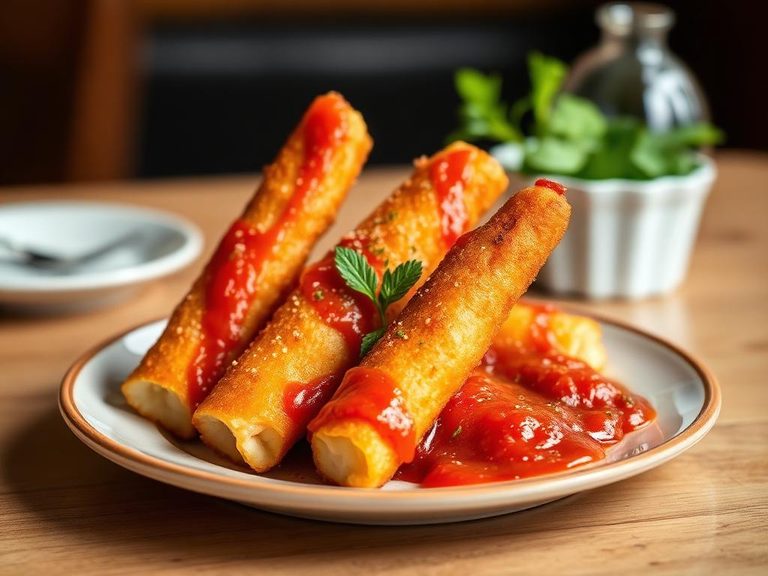
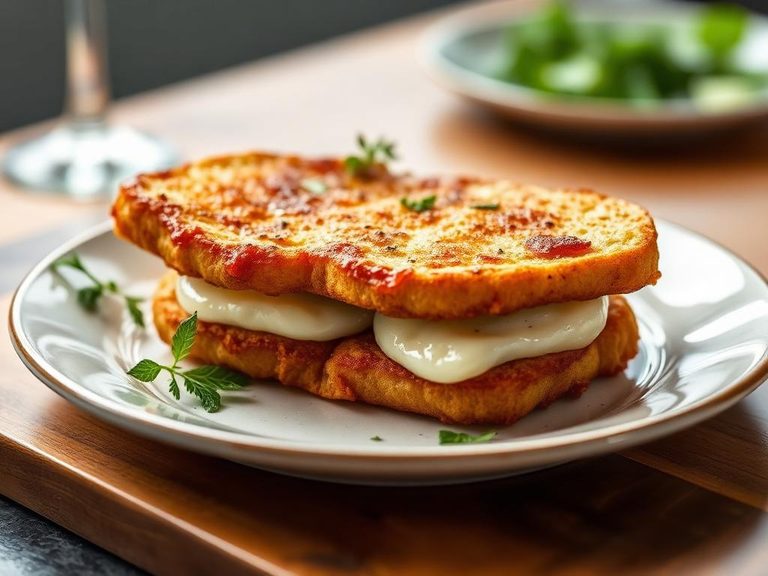
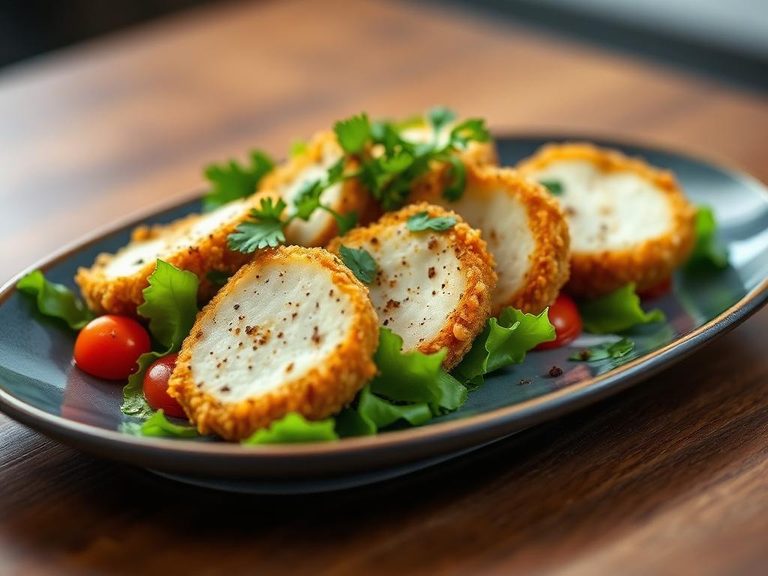
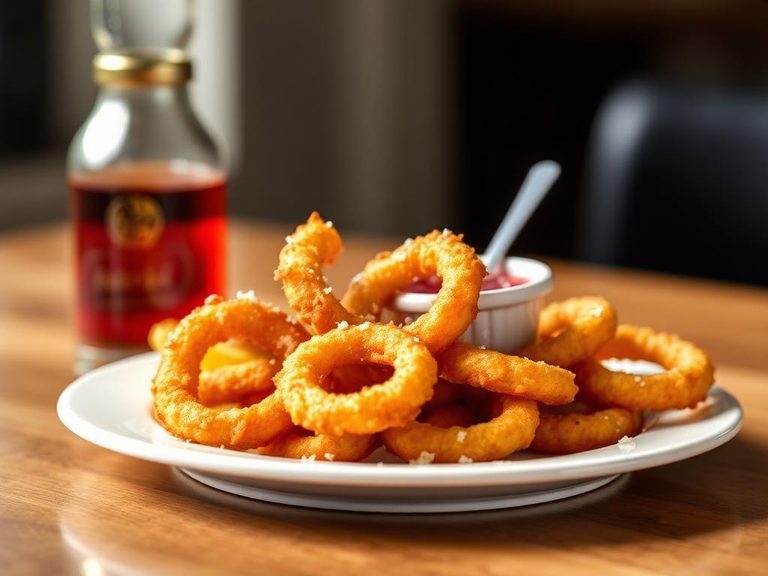
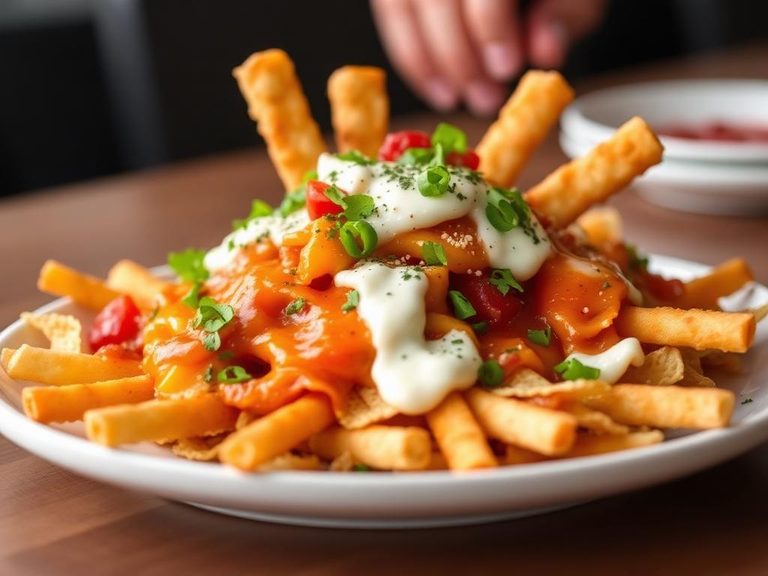
🌍 Where it's eaten
💡 Did you know?
The stretchy quality of mozzarella is due to a pasta filata (stretched curd) cheese-making process, which aligns the protein fibers to create that iconic pull.
Full nutrition (USDA data · scales with serving)
| Water | 38.4 g |
| Energy | 325 kcal |
| Protein | 14.8 g |
| Total lipid (fat) | 18.3 g |
| Carbohydrate, by difference | 25.1 g |
| Fiber, total dietary | 2.0 g |
| Total Sugars | 2.4 g |
| Calcium, Ca | 334 mg |
| Iron, Fe | 0.62 mg |
| Magnesium, Mg | 21.0 mg |
| Phosphorus, P | 318 mg |
| Potassium, K | 108 mg |
| Sodium, Na | 861 mg |
| Zinc, Zn | 2.1 mg |
| Copper, Cu | 0.07 mg |
| Selenium, Se | 18.9 ug |
| Vitamin C, total ascorbic acid | 0.00 mg |
| Thiamin | 0.10 mg |
| Riboflavin | 0.26 mg |
| Niacin | 0.78 mg |
| Vitamin B-6 | 0.07 mg |
| Folate, total | 26.0 ug |
| Folic acid | 14.0 ug |
| Folate, food | 12.0 ug |
| Folate, DFE | 36.0 ug |
| Choline, total | 9.9 mg |
| Vitamin B-12 | 0.96 ug |
| Vitamin B-12, added | 0.00 ug |
| Vitamin A, RAE | 99.0 ug |
| Retinol | 97.0 ug |
| Carotene, beta | 25.0 ug |
| Carotene, alpha | 0.00 ug |
| Cryptoxanthin, beta | 2.0 ug |
| Lycopene | 0.00 ug |
| Lutein + zeaxanthin | 43.0 ug |
| Vitamin E (alpha-tocopherol) | 0.77 mg |
| Vitamin E, added | 0.00 mg |
| Vitamin D (D2 + D3) | 0.20 ug |
| Vitamin K (phylloquinone) | 22.9 ug |
| Alcohol, ethyl | 0.00 g |
| Caffeine | 0.00 mg |
| Theobromine | 0.00 mg |
Fat & fatty acid profile (per 100g)
| Fatty acids, total saturated | 6.8 g |
| SFA 4:0 | 0.18 g |
| SFA 6:0 | 0.15 g |
| SFA 8:0 | 0.10 g |
| SFA 10:0 | 0.23 g |
| SFA 12:0 | 0.27 g |
| SFA 14:0 | 0.87 g |
| SFA 16:0 | 3.4 g |
| SFA 18:0 | 1.4 g |
| Fatty acids, total monounsaturated | 4.3 g |
| MUFA 16:1 | 0.16 g |
| MUFA 18:1 | 4.0 g |
| MUFA 20:1 | 0.08 g |
| MUFA 22:1 | 0.00 g |
| Fatty acids, total polyunsaturated | 5.0 g |
| PUFA 18:2 | 4.3 g |
| PUFA 18:3 | 0.57 g |
| PUFA 18:4 | 0.00 g |
| PUFA 20:4 | 0.02 g |
| PUFA 20:5 n-3 (EPA) | 0.00 g |
| PUFA 22:5 n-3 (DPA) | 0.01 g |
| PUFA 22:6 n-3 (DHA) | 0.00 g |
| Cholesterol | 36.0 mg |
Amino acid profile (per 100g)
Estimated from DENNY'S, mozzarella cheese sticks — USDA does not publish this profile for Mozzarella sticks.
| Tryptophan | 0.17 g |
| Threonine | 0.47 g |
| Isoleucine | 0.72 g |
| Leucine | 1.5 g |
| Lysine | 1.2 g |
| Methionine | 0.41 g |
| Cystine | 0.17 g |
| Phenylalanine | 0.81 g |
| Tyrosine | 0.61 g |
| Valine | 0.93 g |
| Arginine | 0.61 g |
| Histidine | 0.44 g |
| Alanine | 0.46 g |
| Aspartic acid | 1.0 g |
| Glutamic acid | 4.0 g |
| Glycine | 0.35 g |
| Proline | 2.6 g |
| Serine | 0.78 g |
| Hydroxyproline | 0.00 g |
FAQ
What is the best way to reheat frozen mozzarella sticks to keep them crispy?
Use an air fryer or a conventional oven at 400°F (200°C) for 5-8 minutes. Avoid microwaving, which will make the breading soggy and the cheese rubbery.
Can I make baked mozzarella sticks at home?
Yes. Freeze mozzarella string cheese sticks, then dip in flour, beaten egg, and seasoned Italian breadcrumbs. Bake on a rack at 400°F (200°C) for 8-10 minutes until golden.
Why do my homemade mozzarella sticks often leak cheese while cooking?
The key is to freeze the breaded sticks thoroughly (at least 2 hours) before baking or frying. This ensures the cheese melts after the crust has set.
Nutrient density (calculated · NRF9.3)
Nutrient Rich Foods index: beneficial nutrients (protein, fiber, vitamins, minerals) minus saturated fat, added sugar & sodium, per 100 kcal.
NRF9.3 index — Fulgoni, Keast & Drewnowski, 2009. Computed from USDA nutrients.
Weight-loss friendliness (composite index)
Energy density 3.25 kcal/g · 18% calories from protein · 2.0 g fiber · 2.4 g sugar per 100 g.
Composite of energy density (Rolls et al., 1999), protein & fiber satiety, minus sugar. A calculated heuristic — ranks satiety-per-calorie, not a clinical measure.
Dietary load (calculated from USDA values)
Potential renal acid load. Positive = acid-forming, negative = alkaline-forming.
Sodium-to-potassium ratio: 7.97 (lower is better — aim for ≤ 1)
Sodium:potassium per WHO potassium guidance. Computed from USDA nutrients.