

Lentils, NFS
Common food

Photo: Wikipedia
Lentils are small, lens-shaped legumes that cook into a tender, earthy, and slightly peppery bite. They offer a substantial, protein-packed punch with a hearty, fiber-rich texture that holds up beautifully in soups and stews. Nutritionally, they are a standout for delivering significant plant-based protein and complex carbohydrates for sustained energy.
Calorie split: 20% protein · 44% carbs · 36% fat
↓ Full nutrition💚 Why it's loved
People adore lentils for their incredible versatility and ability to absorb flavors, making them a comforting staple in countless cuisines. They are also cherished for being a quick-cooking, affordable, and nutritious pantry hero.
⚠️ Watch-outs & how to enjoy it better
Lentils contain oligosaccharides, which can cause gas and bloating in some individuals. To counteract this, introduce them gradually into your diet, rinse them well before cooking, and consider soaking them or using digestive spices like cumin or ginger in your recipe.
Key benefits
- Excellent source of plant-based protein
- High in dietary fiber for digestive health
- Rich in iron and folate
- Low glycemic index for stable blood sugar
- Naturally low in fat
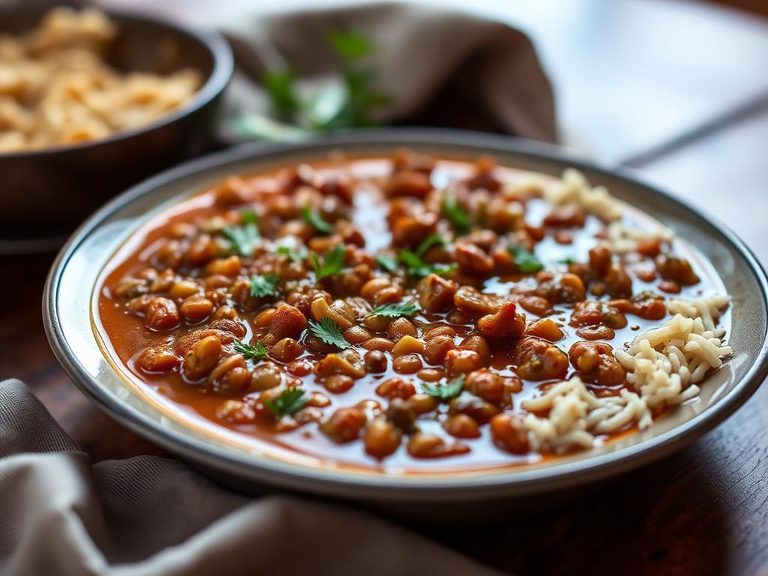
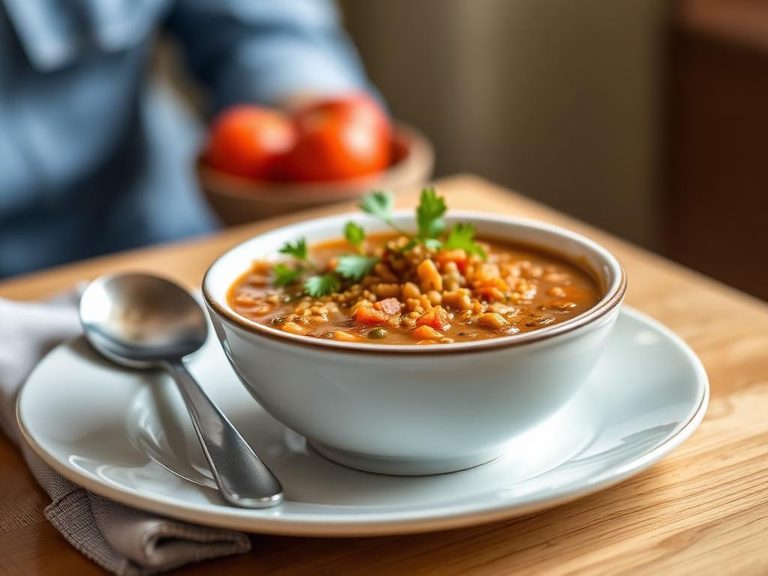
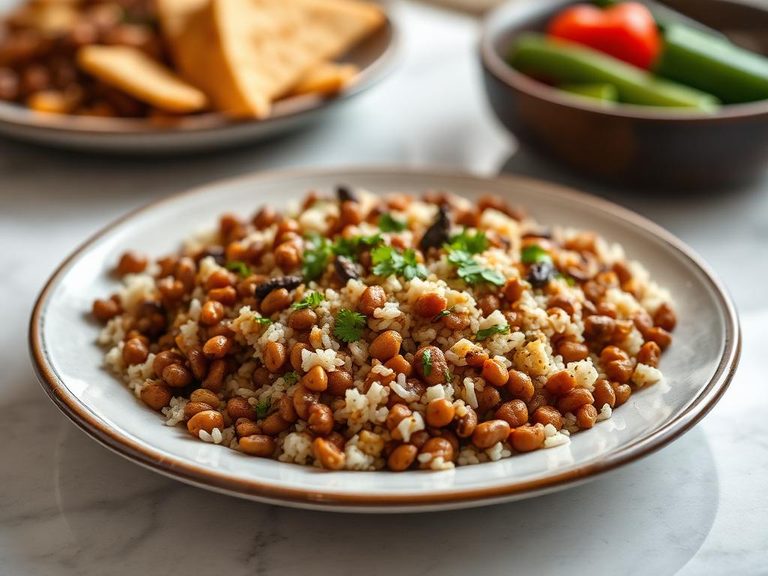
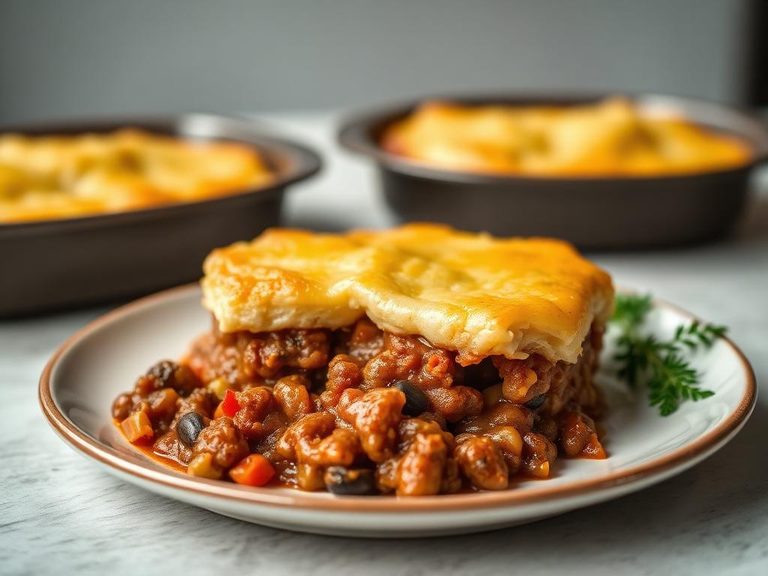
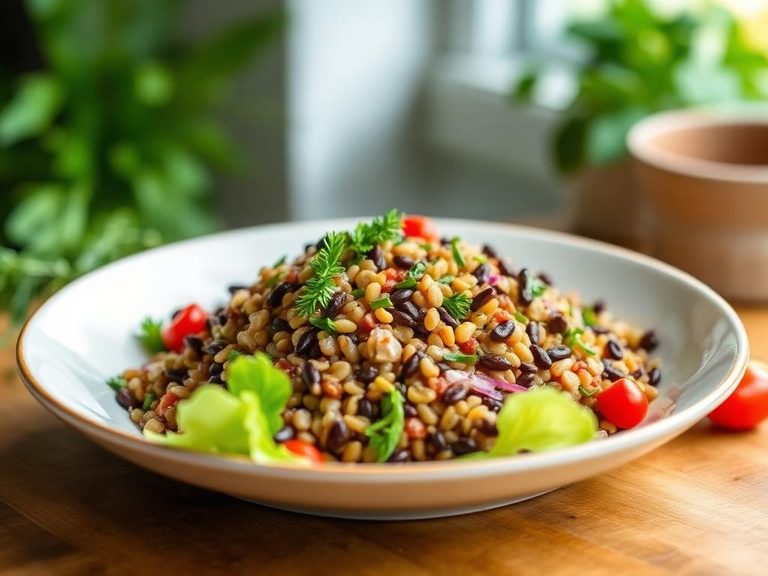
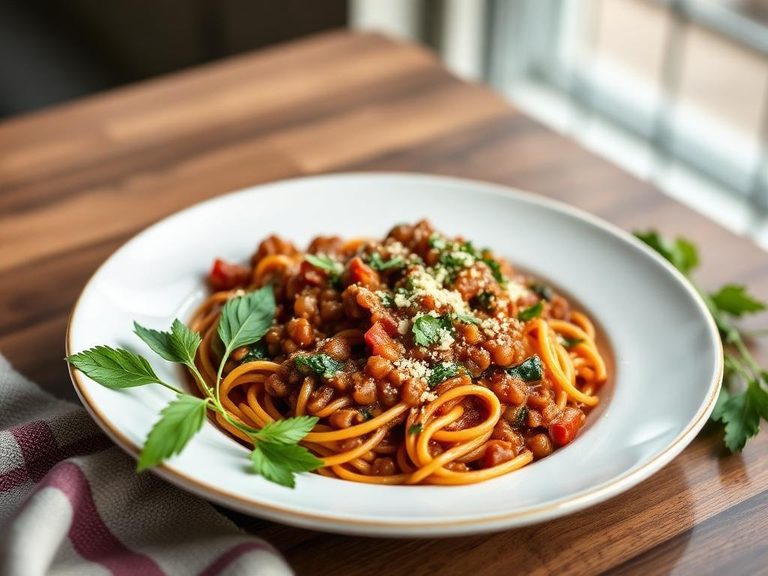
🍽️ Popular dishes
🌍 Where it's eaten
💡 Did you know?
The ancient Roman writer Cato the Elder wrote about lentils in his agricultural manual, and they were a dietary staple for Roman soldiers due to their high nutritional value and ease of storage.
Full nutrition (USDA data · scales with serving)
| Water | 64.7 g |
| Energy | 166 kcal |
| Protein | 8.4 g |
| Total lipid (fat) | 6.9 g |
| Carbohydrate, by difference | 18.7 g |
| Fiber, total dietary | 7.3 g |
| Total Sugars | 1.7 g |
| Calcium, Ca | 18.0 mg |
| Iron, Fe | 3.1 mg |
| Magnesium, Mg | 33.0 mg |
| Phosphorus, P | 167 mg |
| Potassium, K | 343 mg |
| Sodium, Na | 218 mg |
| Zinc, Zn | 1.2 mg |
| Copper, Cu | 0.23 mg |
| Selenium, Se | 2.6 ug |
| Vitamin C, total ascorbic acid | 1.3 mg |
| Thiamin | 0.15 mg |
| Riboflavin | 0.06 mg |
| Niacin | 0.94 mg |
| Vitamin B-6 | 0.16 mg |
| Folate, total | 160 ug |
| Folic acid | 0.00 ug |
| Folate, food | 160 ug |
| Folate, DFE | 160 ug |
| Choline, total | 30.4 mg |
| Vitamin B-12 | 0.00 ug |
| Vitamin B-12, added | 0.00 ug |
| Vitamin A, RAE | 0.00 ug |
| Retinol | 0.00 ug |
| Carotene, beta | 5.0 ug |
| Carotene, alpha | 0.00 ug |
| Cryptoxanthin, beta | 0.00 ug |
| Lycopene | 0.00 ug |
| Lutein + zeaxanthin | 0.00 ug |
| Vitamin E (alpha-tocopherol) | 1.3 mg |
| Vitamin E, added | 0.00 mg |
| Vitamin D (D2 + D3) | 0.00 ug |
| Vitamin K (phylloquinone) | 8.1 ug |
| Alcohol, ethyl | 0.00 g |
| Caffeine | 0.00 mg |
| Theobromine | 0.00 mg |
Fat & fatty acid profile (per 100g)
| Fatty acids, total saturated | 0.92 g |
| SFA 4:0 | 0.00 g |
| SFA 6:0 | 0.00 g |
| SFA 8:0 | 0.00 g |
| SFA 10:0 | 0.00 g |
| SFA 12:0 | 0.00 g |
| SFA 14:0 | 0.00 g |
| SFA 16:0 | 0.67 g |
| SFA 18:0 | 0.19 g |
| Fatty acids, total monounsaturated | 2.8 g |
| MUFA 16:1 | 0.02 g |
| MUFA 18:1 | 2.7 g |
| MUFA 20:1 | 0.05 g |
| MUFA 22:1 | 0.00 g |
| Fatty acids, total polyunsaturated | 2.7 g |
| PUFA 18:2 | 2.3 g |
| PUFA 18:3 | 0.32 g |
| PUFA 18:4 | 0.00 g |
| PUFA 20:4 | 0.00 g |
| PUFA 20:5 n-3 (EPA) | 0.00 g |
| PUFA 22:5 n-3 (DPA) | 0.00 g |
| PUFA 22:6 n-3 (DHA) | 0.00 g |
| Cholesterol | 0.00 mg |
Amino acid profile (per 100g)
Estimated from Lentils, sprouted, raw — USDA does not publish this profile for Lentils.
| Threonine | 0.33 g |
| Isoleucine | 0.33 g |
| Leucine | 0.63 g |
| Lysine | 0.71 g |
| Methionine | 0.10 g |
| Cystine | 0.33 g |
| Phenylalanine | 0.44 g |
| Tyrosine | 0.25 g |
| Valine | 0.40 g |
| Arginine | 0.61 g |
| Histidine | 0.26 g |
| Alanine | 0.36 g |
| Aspartic acid | 1.4 g |
| Glutamic acid | 1.3 g |
| Glycine | 0.32 g |
| Proline | 0.36 g |
| Serine | 0.49 g |
FAQ
Do I need to soak lentils before cooking?
No, unlike many other dried beans, lentils do not require soaking. Simply rinse them, pick over to remove any debris, and cook. They typically soften in 15-25 minutes.
What's the difference between red, green, and brown lentils?
Red and yellow lentils are split and tend to cook down into a soft, creamy purée, perfect for Indian dals. Green and brown lentils hold their shape better after cooking, making them ideal for salads, stews, and side dishes.
Are lentils a complete protein?
Lentils are a great source of protein but are not a complete protein on their own, as they are low in the amino acid methionine. Pairing them with grains like rice or bread creates a complete amino acid profile.
Nutrient density (calculated · NRF9.3)
Nutrient Rich Foods index: beneficial nutrients (protein, fiber, vitamins, minerals) minus saturated fat, added sugar & sodium, per 100 kcal.
NRF9.3 index — Fulgoni, Keast & Drewnowski, 2009. Computed from USDA nutrients.
Weight-loss friendliness (composite index)
Energy density 1.66 kcal/g · 20% calories from protein · 7.3 g fiber · 1.7 g sugar per 100 g.
Composite of energy density (Rolls et al., 1999), protein & fiber satiety, minus sugar. A calculated heuristic — ranks satiety-per-calorie, not a clinical measure.
Dietary load (calculated from USDA values)
Potential renal acid load. Positive = acid-forming, negative = alkaline-forming.
Sodium-to-potassium ratio: 0.64 (lower is better — aim for ≤ 1)
Sodium:potassium per WHO potassium guidance. Computed from USDA nutrients.