

Lentils, from canned
Common food

Photo: Wikipedia
Canned lentils are pre-cooked, shelf-stable legumes that offer a tender, slightly earthy flavor with a soft, uniform texture. They are a nutritional powerhouse, providing a solid 8.36g of protein and 7.3g of fiber per 100g, making them a quick and convenient plant-based staple.
Calorie split: 20% protein · 44% carbs · 36% fat
↓ Full nutrition💚 Why it's loved
People love canned lentils for their incredible versatility and time-saving convenience, as they are ready to toss into salads, soups, or curries. Their mild, earthy taste acts as a perfect canvas for bold spices and flavors from cuisines around the world.
⚠️ Watch-outs & how to enjoy it better
Canned lentils can be high in sodium, which may be a concern for those monitoring their salt intake. To counteract this, rinse them thoroughly under cold water to reduce sodium by up to 40%, and pair them with a source of vitamin C (like lemon juice or tomatoes) to enhance iron absorption.
Key benefits
- Excellent source of plant-based protein
- High in dietary fiber for digestive health
- Rich in iron, folate, and manganese
- Quick-cooking and convenient for meal prep
- Low glycemic index, supporting stable blood sugar
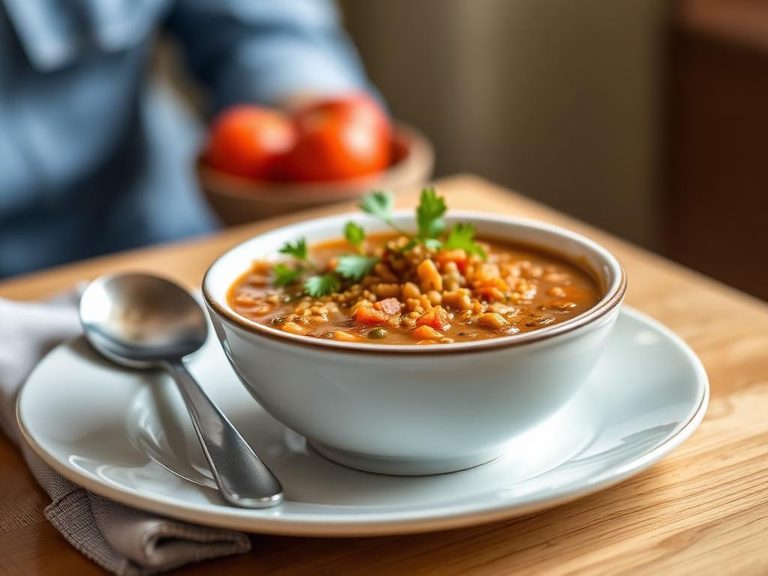
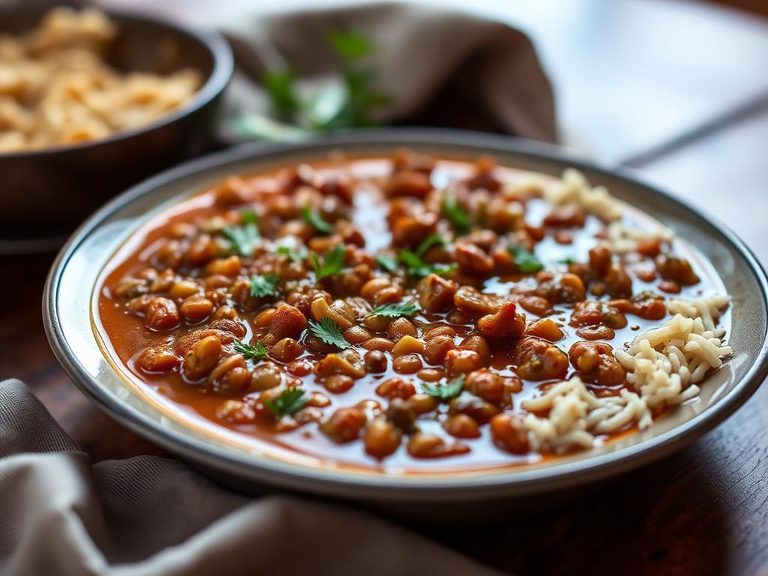
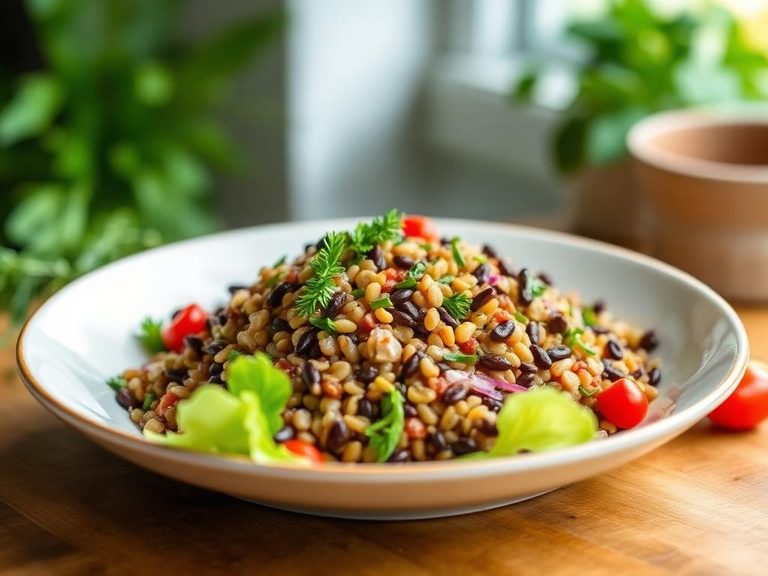
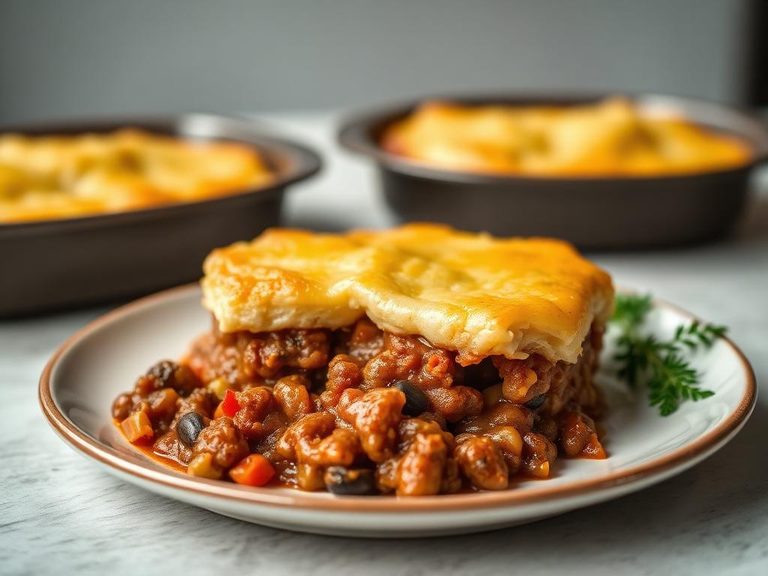
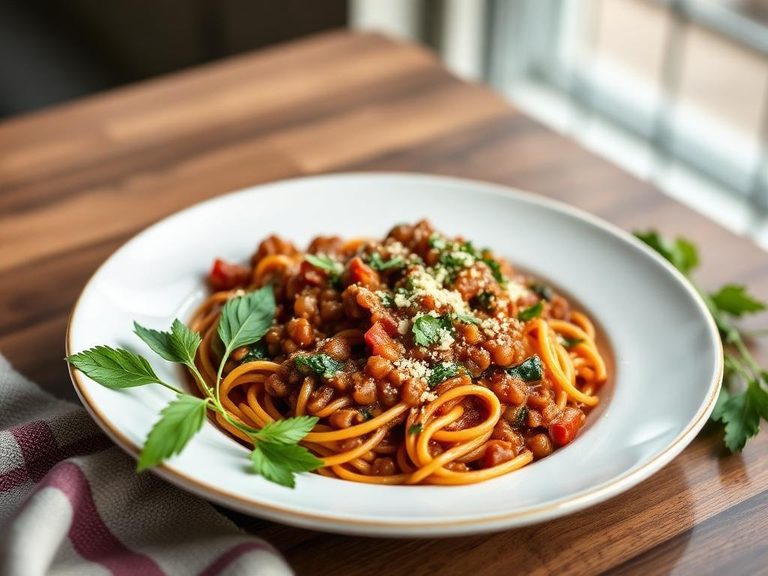
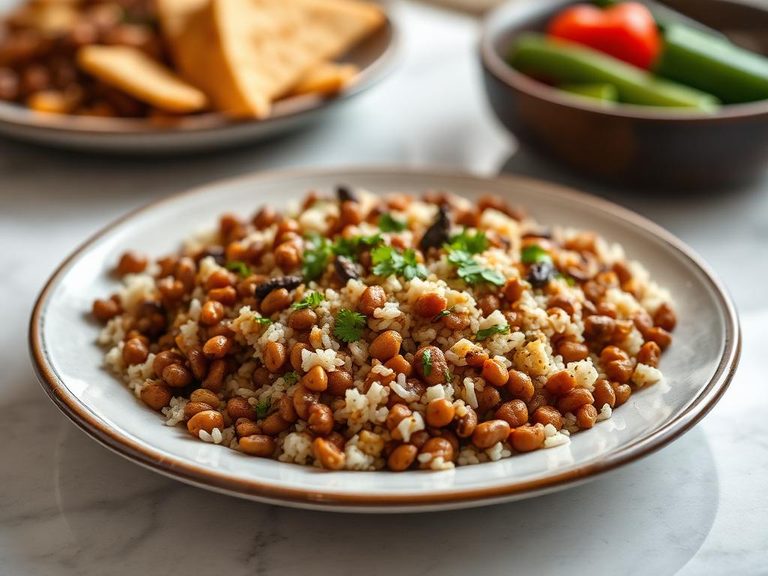
🍽️ Popular dishes
🌍 Where it's eaten
💡 Did you know?
Lentils are one of the oldest cultivated crops, with evidence of their consumption dating back over 8,000 years to the Fertile Crescent.
Full nutrition (USDA data · scales with serving)
| Water | 64.5 g |
| Energy | 166 kcal |
| Protein | 8.4 g |
| Total lipid (fat) | 6.8 g |
| Carbohydrate, by difference | 18.7 g |
| Fiber, total dietary | 7.3 g |
| Total Sugars | 1.7 g |
| Calcium, Ca | 18.0 mg |
| Iron, Fe | 3.1 mg |
| Magnesium, Mg | 33.0 mg |
| Phosphorus, P | 167 mg |
| Potassium, K | 342 mg |
| Sodium, Na | 325 mg |
| Zinc, Zn | 1.2 mg |
| Copper, Cu | 0.23 mg |
| Selenium, Se | 2.6 ug |
| Vitamin C, total ascorbic acid | 1.3 mg |
| Thiamin | 0.15 mg |
| Riboflavin | 0.06 mg |
| Niacin | 0.93 mg |
| Vitamin B-6 | 0.16 mg |
| Folate, total | 159 ug |
| Folic acid | 0.00 ug |
| Folate, food | 159 ug |
| Folate, DFE | 159 ug |
| Choline, total | 30.3 mg |
| Vitamin B-12 | 0.00 ug |
| Vitamin B-12, added | 0.00 ug |
| Vitamin A, RAE | 0.00 ug |
| Retinol | 0.00 ug |
| Carotene, beta | 5.0 ug |
| Carotene, alpha | 0.00 ug |
| Cryptoxanthin, beta | 0.00 ug |
| Lycopene | 0.00 ug |
| Lutein + zeaxanthin | 0.00 ug |
| Vitamin E (alpha-tocopherol) | 1.3 mg |
| Vitamin E, added | 0.00 mg |
| Vitamin D (D2 + D3) | 0.00 ug |
| Vitamin K (phylloquinone) | 8.1 ug |
| Alcohol, ethyl | 0.00 g |
| Caffeine | 0.00 mg |
| Theobromine | 0.00 mg |
Fat & fatty acid profile (per 100g)
| Fatty acids, total saturated | 0.92 g |
| SFA 4:0 | 0.00 g |
| SFA 6:0 | 0.00 g |
| SFA 8:0 | 0.00 g |
| SFA 10:0 | 0.00 g |
| SFA 12:0 | 0.00 g |
| SFA 14:0 | 0.00 g |
| SFA 16:0 | 0.66 g |
| SFA 18:0 | 0.19 g |
| Fatty acids, total monounsaturated | 2.8 g |
| MUFA 16:1 | 0.02 g |
| MUFA 18:1 | 2.7 g |
| MUFA 20:1 | 0.05 g |
| MUFA 22:1 | 0.00 g |
| Fatty acids, total polyunsaturated | 2.7 g |
| PUFA 18:2 | 2.3 g |
| PUFA 18:3 | 0.32 g |
| PUFA 18:4 | 0.00 g |
| PUFA 20:4 | 0.00 g |
| PUFA 20:5 n-3 (EPA) | 0.00 g |
| PUFA 22:5 n-3 (DPA) | 0.00 g |
| PUFA 22:6 n-3 (DHA) | 0.00 g |
| Cholesterol | 0.00 mg |
Amino acid profile (per 100g)
Estimated from Lentils, sprouted, raw — USDA does not publish this profile for Lentils.
| Threonine | 0.33 g |
| Isoleucine | 0.33 g |
| Leucine | 0.63 g |
| Lysine | 0.71 g |
| Methionine | 0.10 g |
| Cystine | 0.33 g |
| Phenylalanine | 0.44 g |
| Tyrosine | 0.25 g |
| Valine | 0.40 g |
| Arginine | 0.61 g |
| Histidine | 0.26 g |
| Alanine | 0.36 g |
| Aspartic acid | 1.4 g |
| Glutamic acid | 1.3 g |
| Glycine | 0.32 g |
| Proline | 0.36 g |
| Serine | 0.49 g |
FAQ
Do I need to cook canned lentils before eating them?
No, canned lentils are already cooked and ready to eat. You can use them directly from the can after rinsing, or gently heat them if you prefer.
How do I reduce the sodium in canned lentils?
Rinse the lentils thoroughly under cold running water for 1-2 minutes. This can reduce the sodium content by approximately 40%.
Can I substitute canned lentils for dried lentils in recipes?
Yes, but adjust cooking times. Since canned lentils are already soft, add them later in the cooking process to prevent them from becoming mushy. Use roughly 1.5 cups of canned lentils for every 1 cup of dried lentils called for in a recipe.
Nutrient density (calculated · NRF9.3)
Nutrient Rich Foods index: beneficial nutrients (protein, fiber, vitamins, minerals) minus saturated fat, added sugar & sodium, per 100 kcal.
NRF9.3 index — Fulgoni, Keast & Drewnowski, 2009. Computed from USDA nutrients.
Weight-loss friendliness (composite index)
Energy density 1.66 kcal/g · 20% calories from protein · 7.3 g fiber · 1.7 g sugar per 100 g.
Composite of energy density (Rolls et al., 1999), protein & fiber satiety, minus sugar. A calculated heuristic — ranks satiety-per-calorie, not a clinical measure.
Dietary load (calculated from USDA values)
Potential renal acid load. Positive = acid-forming, negative = alkaline-forming.
Sodium-to-potassium ratio: 0.95 (lower is better — aim for ≤ 1)
Sodium:potassium per WHO potassium guidance. Computed from USDA nutrients.