

Kidney beans, from fast food / restaurant
Common food

Photo: Wikipedia
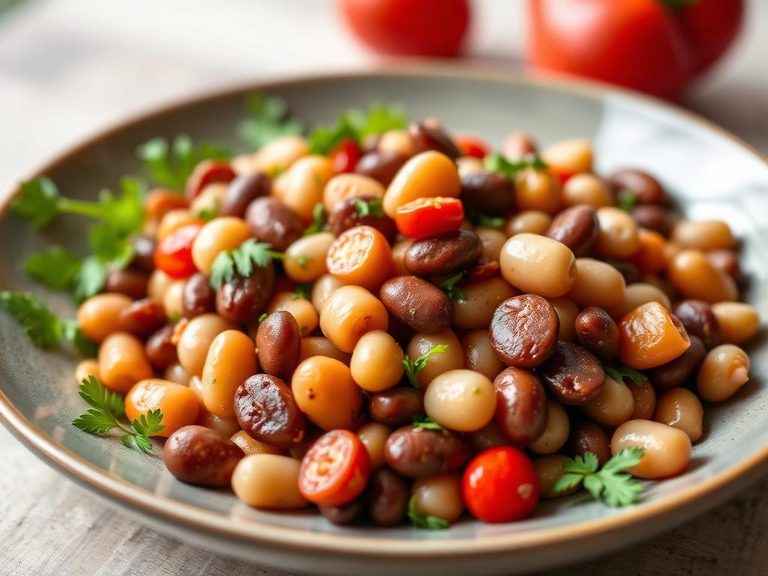
Kidney beans from fast food or restaurants are typically served as a hearty, savory side or component, often simmered in a flavorful sauce or broth. They have a firm, creamy texture and a mild, earthy taste that readily absorbs surrounding seasonings. Nutritionally, they are a notable source of plant-based protein and dietary fiber, while being relatively moderate in calories.
Calorie split: 16% protein · 41% carbs · 43% fat
↓ Full nutrition💚 Why it's loved
People love kidney beans for their satisfying, hearty texture and ability to soak up rich flavors from spices, tomatoes, and savory broths. They are a versatile and comforting staple in many cuisines, offering a filling and nutritious component to meals.
⚠️ Watch-outs & how to enjoy it better
Fast-food or restaurant preparations can be high in sodium, which may be a concern for those monitoring blood pressure. They also contain lectins and oligosaccharides, which can cause digestive discomfort in some individuals. To mitigate, rinse canned beans if possible, choose lower-sodium options when available, and ensure they are thoroughly cooked to reduce lectins. Pairing with a source of vitamin C (like a side salad) can enhance iron absorption.
Key benefits
- Excellent source of plant-based protein for muscle maintenance.
- High in dietary fiber, supporting digestive health and satiety.
- Provides complex carbohydrates for sustained energy release.
- Contains essential minerals like iron and folate.
- Low in sugar, making it a stable carbohydrate choice.
🍽️ Popular dishes
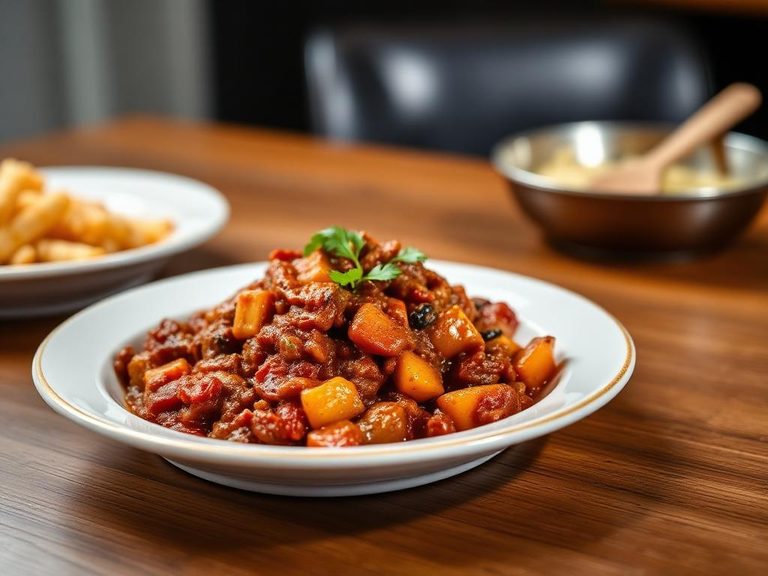
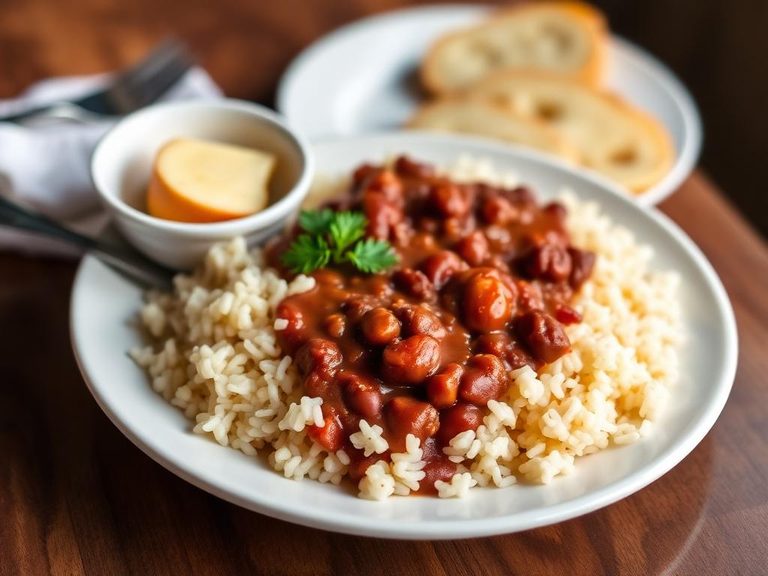
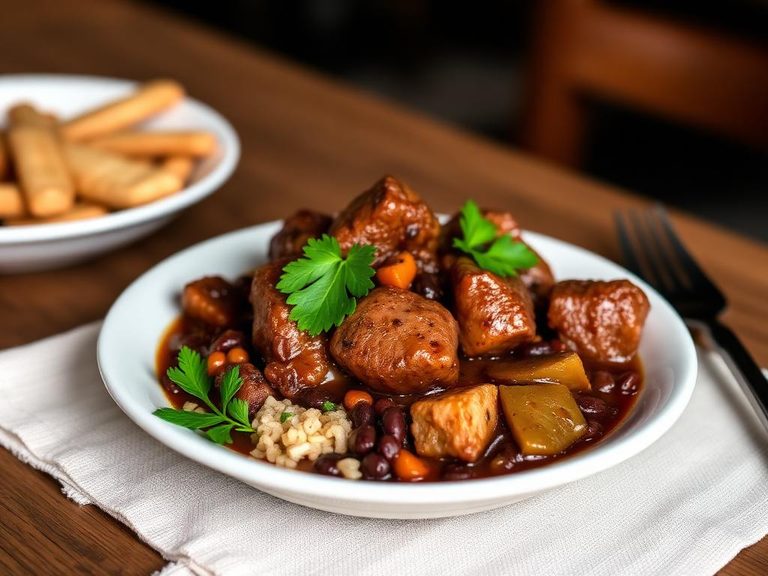
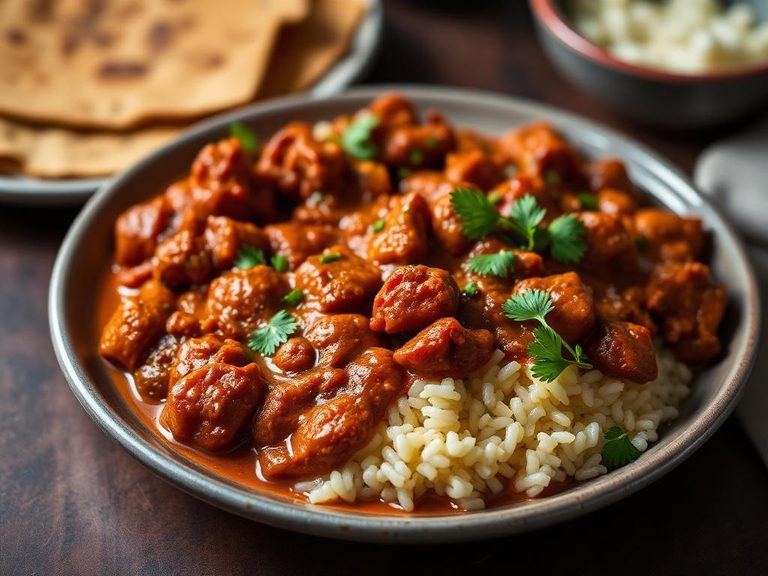
🌍 Where it's eaten
💡 Did you know?
The name 'kidney bean' directly references its shape and color, which closely resemble a human kidney.
Full nutrition (USDA data · scales with serving)
| Water | 60.3 g |
| Energy | 195 kcal |
| Protein | 7.8 g |
| Total lipid (fat) | 9.5 g |
| Carbohydrate, by difference | 20.5 g |
| Fiber, total dietary | 6.7 g |
| Total Sugars | 0.29 g |
| Calcium, Ca | 26.0 mg |
| Iron, Fe | 2.7 mg |
| Magnesium, Mg | 41.0 mg |
| Phosphorus, P | 128 mg |
| Potassium, K | 363 mg |
| Sodium, Na | 350 mg |
| Zinc, Zn | 0.96 mg |
| Copper, Cu | 0.22 mg |
| Selenium, Se | 1.1 ug |
| Vitamin C, total ascorbic acid | 1.0 mg |
| Thiamin | 0.14 mg |
| Riboflavin | 0.05 mg |
| Niacin | 0.49 mg |
| Vitamin B-6 | 0.10 mg |
| Folate, total | 111 ug |
| Folic acid | 0.00 ug |
| Folate, food | 111 ug |
| Folate, DFE | 111 ug |
| Choline, total | 27.5 mg |
| Vitamin B-12 | 0.00 ug |
| Vitamin B-12, added | 0.00 ug |
| Vitamin A, RAE | 0.00 ug |
| Retinol | 0.00 ug |
| Carotene, beta | 0.00 ug |
| Carotene, alpha | 0.00 ug |
| Cryptoxanthin, beta | 0.00 ug |
| Lycopene | 0.00 ug |
| Lutein + zeaxanthin | 0.00 ug |
| Vitamin E (alpha-tocopherol) | 1.7 mg |
| Vitamin E, added | 0.00 mg |
| Vitamin D (D2 + D3) | 0.00 ug |
| Vitamin K (phylloquinone) | 16.6 ug |
| Alcohol, ethyl | 0.00 g |
| Caffeine | 0.00 mg |
| Theobromine | 0.00 mg |
Fat & fatty acid profile (per 100g)
| Fatty acids, total saturated | 1.3 g |
| SFA 4:0 | 0.00 g |
| SFA 6:0 | 0.00 g |
| SFA 8:0 | 0.00 g |
| SFA 10:0 | 0.00 g |
| SFA 12:0 | 0.00 g |
| SFA 14:0 | 0.01 g |
| SFA 16:0 | 0.92 g |
| SFA 18:0 | 0.27 g |
| Fatty acids, total monounsaturated | 3.9 g |
| MUFA 16:1 | 0.03 g |
| MUFA 18:1 | 3.8 g |
| MUFA 20:1 | 0.06 g |
| MUFA 22:1 | 0.00 g |
| Fatty acids, total polyunsaturated | 3.7 g |
| PUFA 18:2 | 3.2 g |
| PUFA 18:3 | 0.55 g |
| PUFA 18:4 | 0.00 g |
| PUFA 20:4 | 0.00 g |
| PUFA 20:5 n-3 (EPA) | 0.00 g |
| PUFA 22:5 n-3 (DPA) | 0.00 g |
| PUFA 22:6 n-3 (DHA) | 0.00 g |
| Cholesterol | 0.00 mg |
Amino acid profile (per 100g)
Estimated from Beans, kidney, mature seeds, sprouted, cooked, boiled, drained, without salt — USDA does not publish this profile for Kidney beans.
| Tryptophan | 0.05 g |
| Threonine | 0.20 g |
| Isoleucine | 0.21 g |
| Leucine | 0.35 g |
| Lysine | 0.28 g |
| Methionine | 0.05 g |
| Cystine | 0.06 g |
| Phenylalanine | 0.24 g |
| Tyrosine | 0.17 g |
| Valine | 0.25 g |
| Arginine | 0.26 g |
| Histidine | 0.14 g |
| Alanine | 0.20 g |
| Aspartic acid | 0.63 g |
| Glutamic acid | 0.59 g |
| Glycine | 0.17 g |
| Proline | 0.20 g |
| Serine | 0.26 g |
FAQ
Are kidney beans from a can as nutritious as dried ones?
Yes, canned kidney beans retain most of their nutrients. The main difference is often higher sodium content in the canning liquid. Rinsing them under water can reduce sodium by up to 40%.
Why are kidney beans sometimes called 'chili beans'?
The term is often used interchangeably because kidney beans are a primary, traditional ingredient in many chili con carne recipes, especially in Tex-Mex and American cuisine.
Can I eat kidney beans on a low-carb diet?
Kidney beans are relatively high in carbohydrates, so they are typically limited or avoided on strict low-carb diets like keto. However, they can fit into a moderate-carb or balanced diet due to their high fiber content, which lowers the net carb impact.
Nutrient density (calculated · NRF9.3)
Nutrient Rich Foods index: beneficial nutrients (protein, fiber, vitamins, minerals) minus saturated fat, added sugar & sodium, per 100 kcal.
NRF9.3 index — Fulgoni, Keast & Drewnowski, 2009. Computed from USDA nutrients.
Weight-loss friendliness (composite index)
Energy density 1.95 kcal/g · 16% calories from protein · 6.7 g fiber · 0.3 g sugar per 100 g.
Composite of energy density (Rolls et al., 1999), protein & fiber satiety, minus sugar. A calculated heuristic — ranks satiety-per-calorie, not a clinical measure.
Dietary load (calculated from USDA values)
Potential renal acid load. Positive = acid-forming, negative = alkaline-forming.
Sodium-to-potassium ratio: 0.96 (lower is better — aim for ≤ 1)
Sodium:potassium per WHO potassium guidance. Computed from USDA nutrients.