

Ice cream, chocolate
Common food

Photo: Wikipedia
Chocolate ice cream is a frozen dessert that blends a creamy, smooth base with rich cocoa, delivering a deep, bittersweet chocolate flavor and a velvety texture that melts on the tongue. Nutritionally, it's a calorie-dense treat, with a 100g serving providing about 216 kcal, primarily from carbohydrates (28.2g, including 25.36g of sugar) and fat (11g), while offering a modest amount of protein (3.8g).
Calorie split: 7% protein · 50% carbs · 44% fat
↓ Full nutrition💚 Why it's loved
People love chocolate ice cream for its universal appeal, combining the indulgent richness of chocolate with the refreshing, creamy coldness of ice cream. It's a versatile flavor that pairs well with other desserts and is a staple in celebrations and casual enjoyment across many cultures.
⚠️ Watch-outs & how to enjoy it better
The high sugar and fat content can contribute to blood sugar spikes and is a concern for those managing weight or diabetes. It is also a common allergen due to milk and may contain soy lecithin. To counteract this, practice strict portion control (e.g., a single scoop) and pair it with a source of protein or fiber, like a handful of nuts, to slow sugar absorption.
Key benefits
- Provides a quick source of energy from carbohydrates and fats.
- Contains small amounts of minerals like calcium and phosphorus from milk.
- Can be a source of antioxidants from cocoa content.
- Offers a comforting and enjoyable sensory experience.
🍽️ Popular dishes
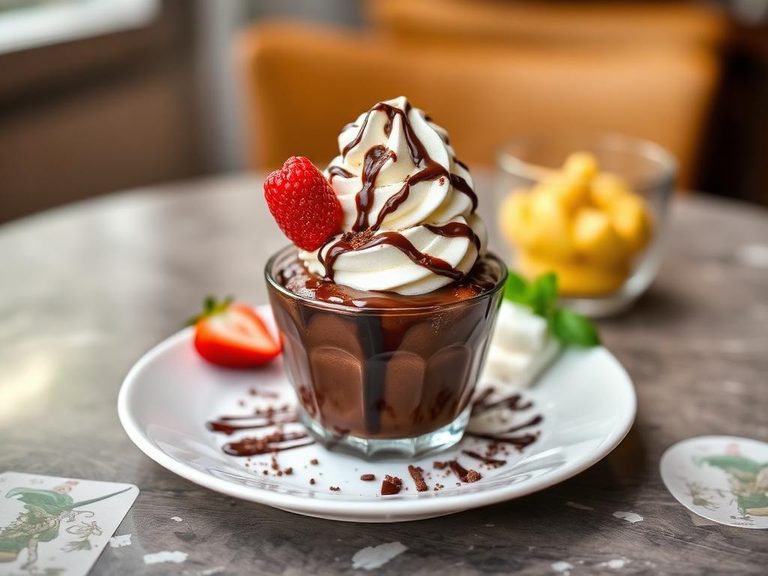
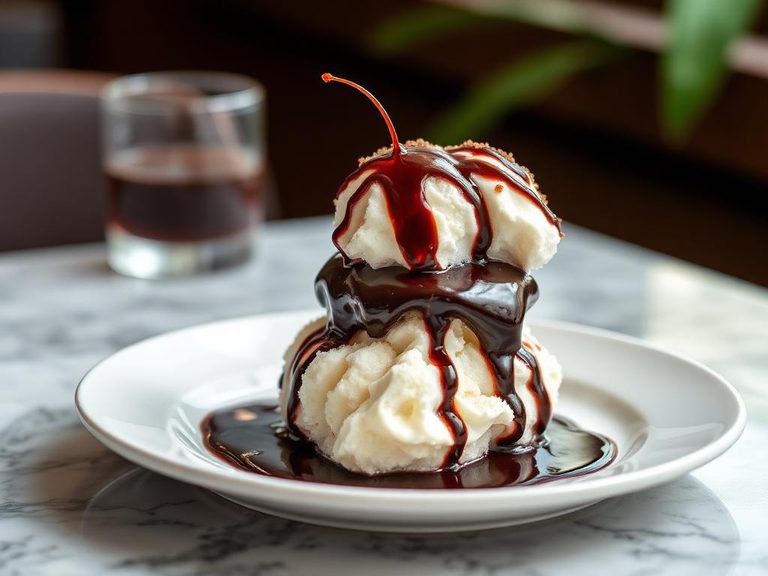
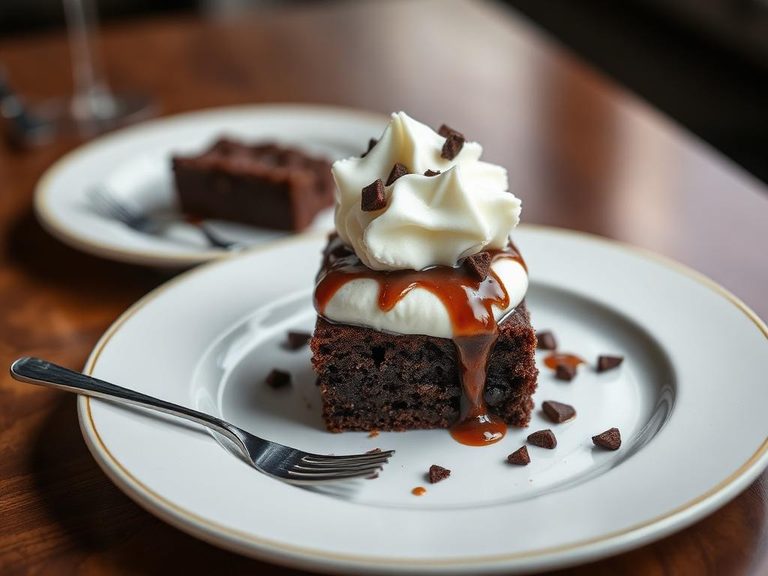
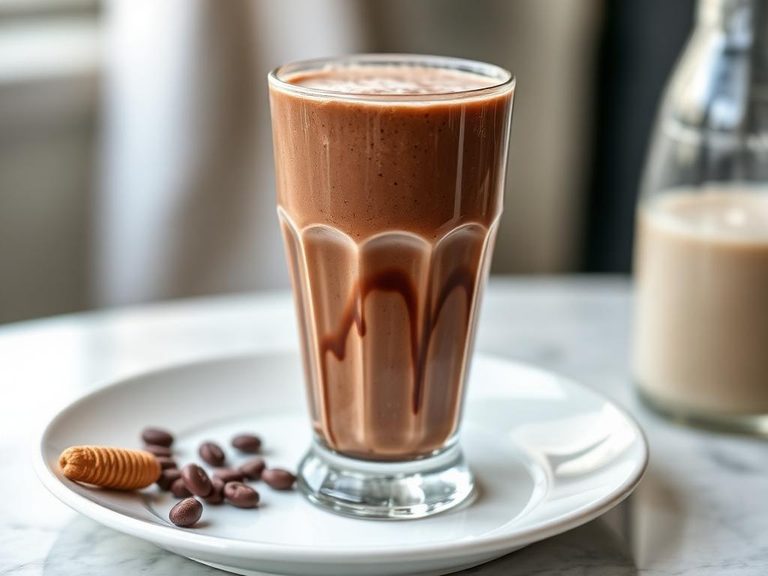

🌍 Where it's eaten
💡 Did you know?
The first known chocolate ice cream recipe appears in a 1693 Italian cookbook, 'The Modern Steward', but it was likely a frozen chocolate drink, not the scoopable dessert we know today.
Full nutrition (USDA data · scales with serving)
| Water | 55.7 g |
| Energy | 216 kcal |
| Protein | 3.8 g |
| Total lipid (fat) | 11.0 g |
| Carbohydrate, by difference | 28.2 g |
| Fiber, total dietary | 1.2 g |
| Total Sugars | 25.4 g |
| Calcium, Ca | 109 mg |
| Iron, Fe | 0.93 mg |
| Magnesium, Mg | 29.0 mg |
| Phosphorus, P | 107 mg |
| Potassium, K | 249 mg |
| Sodium, Na | 76.0 mg |
| Zinc, Zn | 0.58 mg |
| Copper, Cu | 0.14 mg |
| Selenium, Se | 2.5 ug |
| Vitamin C, total ascorbic acid | 0.70 mg |
| Thiamin | 0.04 mg |
| Riboflavin | 0.19 mg |
| Niacin | 0.23 mg |
| Vitamin B-6 | 0.06 mg |
| Folate, total | 16.0 ug |
| Folic acid | 0.00 ug |
| Folate, food | 16.0 ug |
| Folate, DFE | 16.0 ug |
| Choline, total | 22.5 mg |
| Vitamin B-12 | 0.29 ug |
| Vitamin B-12, added | 0.00 ug |
| Vitamin A, RAE | 118 ug |
| Retinol | 116 ug |
| Carotene, beta | 19.0 ug |
| Carotene, alpha | 0.00 ug |
| Cryptoxanthin, beta | 0.00 ug |
| Lycopene | 0.00 ug |
| Lutein + zeaxanthin | 0.00 ug |
| Vitamin E (alpha-tocopherol) | 0.30 mg |
| Vitamin E, added | 0.00 mg |
| Vitamin D (D2 + D3) | 0.20 ug |
| Vitamin K (phylloquinone) | 0.30 ug |
| Alcohol, ethyl | 0.00 g |
| Caffeine | 3.0 mg |
| Theobromine | 62.0 mg |
Fat & fatty acid profile (per 100g)
| Fatty acids, total saturated | 6.8 g |
| SFA 4:0 | 0.34 g |
| SFA 6:0 | 0.20 g |
| SFA 8:0 | 0.12 g |
| SFA 10:0 | 0.26 g |
| SFA 12:0 | 0.29 g |
| SFA 14:0 | 1.1 g |
| SFA 16:0 | 3.1 g |
| SFA 18:0 | 1.5 g |
| Fatty acids, total monounsaturated | 3.2 g |
| MUFA 16:1 | 0.24 g |
| MUFA 18:1 | 3.0 g |
| MUFA 20:1 | 0.00 g |
| MUFA 22:1 | 0.00 g |
| Fatty acids, total polyunsaturated | 0.41 g |
| PUFA 18:2 | 0.25 g |
| PUFA 18:3 | 0.15 g |
| PUFA 18:4 | 0.00 g |
| PUFA 20:4 | 0.00 g |
| PUFA 20:5 n-3 (EPA) | 0.00 g |
| PUFA 22:5 n-3 (DPA) | 0.00 g |
| PUFA 22:6 n-3 (DHA) | 0.00 g |
| Cholesterol | 34.0 mg |
Amino acid profile (per 100g)
Estimated from Ice creams, vanilla, rich — USDA does not publish this profile for Ice cream.
| Tryptophan | 0.04 g |
| Threonine | 0.14 g |
| Isoleucine | 0.18 g |
| Leucine | 0.30 g |
| Lysine | 0.25 g |
| Methionine | 0.08 g |
| Cystine | 0.03 g |
| Phenylalanine | 0.15 g |
| Tyrosine | 0.14 g |
| Valine | 0.20 g |
| Arginine | 0.14 g |
| Histidine | 0.08 g |
| Alanine | 0.14 g |
| Glutamic acid | 0.65 g |
| Glycine | 0.15 g |
| Proline | 0.34 g |
| Serine | 0.17 g |
FAQ
Is chocolate ice cream a good source of protein?
It contains a modest amount of protein (about 3.8g per 100g), primarily from milk, but it is not considered a significant protein source compared to foods like eggs, meat, or legumes.
Why does chocolate ice cream sometimes cause brain freeze?
The rapid cooling of blood vessels in the roof of the mouth and throat from the cold dessert can cause a temporary spasm, leading to the sharp headache known as brain freeze.
Can I make a healthier version at home?
Yes, you can blend frozen bananas with cocoa powder and a splash of milk for a lower-sugar, higher-fiber alternative, or use Greek yogurt as a base for more protein.
Nutrient density (calculated · NRF9.3)
Nutrient Rich Foods index: beneficial nutrients (protein, fiber, vitamins, minerals) minus saturated fat, added sugar & sodium, per 100 kcal.
NRF9.3 index — Fulgoni, Keast & Drewnowski, 2009. Computed from USDA nutrients.
Weight-loss friendliness (composite index)
Energy density 2.16 kcal/g · 7% calories from protein · 1.2 g fiber · 25.4 g sugar per 100 g.
Composite of energy density (Rolls et al., 1999), protein & fiber satiety, minus sugar. A calculated heuristic — ranks satiety-per-calorie, not a clinical measure.
Dietary load (calculated from USDA values)
Potential renal acid load. Positive = acid-forming, negative = alkaline-forming.
Sodium-to-potassium ratio: 0.31 (lower is better — aim for ≤ 1)
Sodium:potassium per WHO potassium guidance. Computed from USDA nutrients.