

Hot chocolate / cocoa, NFS
Common food

Photo: Wikipedia
Hot chocolate, or cocoa, is a warm, comforting beverage made from cocoa powder or melted chocolate dissolved in milk or water. Its rich, velvety texture and deep, bittersweet flavor are instantly soothing. Nutritionally, it's a moderate source of quick energy from carbohydrates, primarily sugars.
Calorie split: 10% protein · 77% carbs · 13% fat
↓ Full nutrition💚 Why it's loved
People love it for its deep, complex chocolate flavor that is both nostalgic and indulgent, offering a warm hug in a mug. It's a beloved ritual across cultures, easily customized with spices, sweeteners, or toppings.
⚠️ Watch-outs & how to enjoy it better
The high sugar content can lead to energy spikes and crashes, making it less ideal for those monitoring blood sugar. To counteract this, opt for unsweetened cocoa and sweeten minimally, or pair it with a source of protein or healthy fat (like a handful of nuts) to slow sugar absorption. Be mindful of portion sizes to manage calorie intake.
Key benefits
- Provides a quick energy boost from carbohydrates.
- Contains small amounts of minerals like magnesium and potassium from cocoa.
- Can be a comforting ritual that reduces stress.
- Versatile base for many flavor variations.
🍽️ Popular dishes

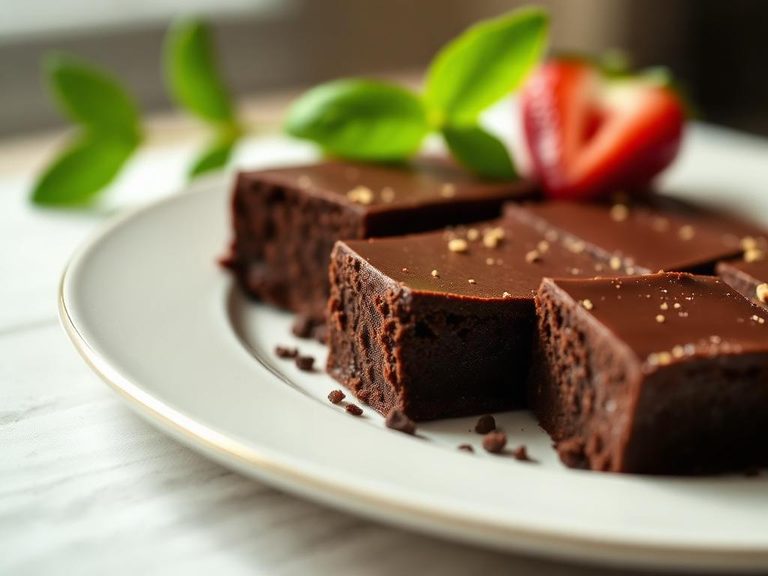
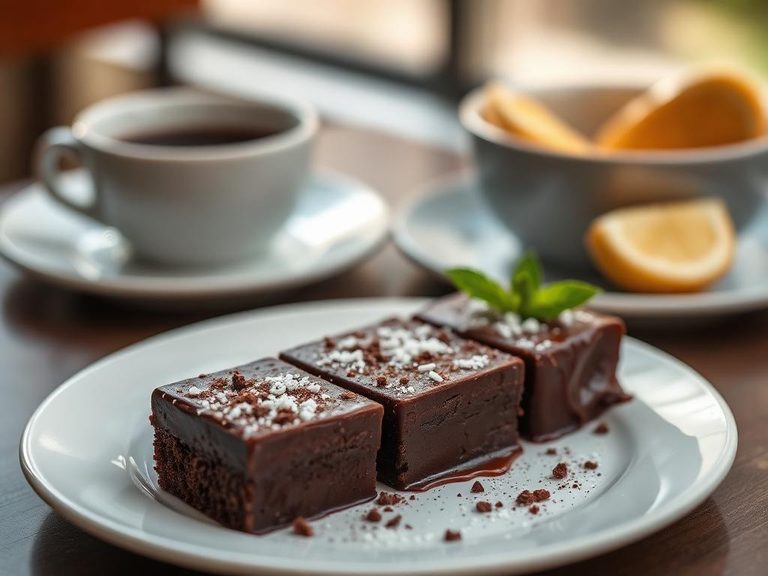
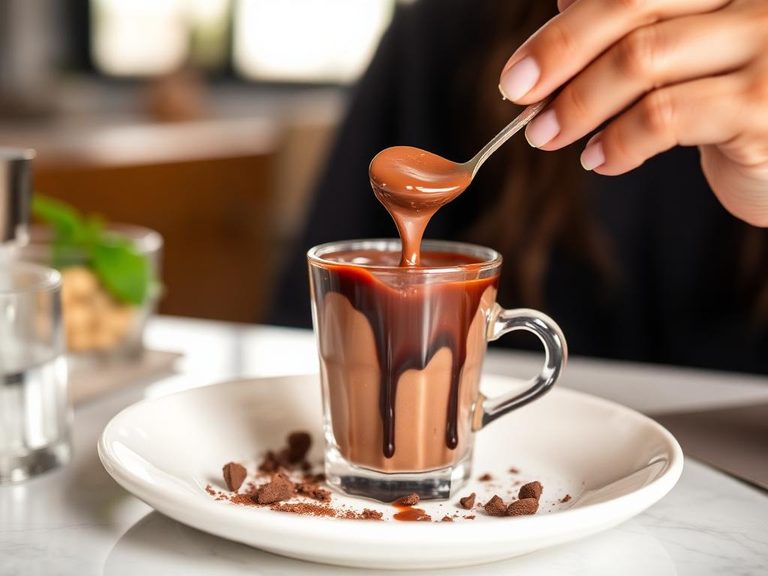

🌍 Where it's eaten
💡 Did you know?
The original hot chocolate, consumed by the Aztecs, was a bitter, spicy drink often seasoned with chili peppers and cornmeal, with no sugar added.
Full nutrition (USDA data · scales with serving)
| Water | 82.5 g |
| Energy | 72.0 kcal |
| Protein | 1.8 g |
| Total lipid (fat) | 1.0 g |
| Carbohydrate, by difference | 13.9 g |
| Fiber, total dietary | 0.20 g |
| Total Sugars | 12.0 g |
| Calcium, Ca | 61.0 mg |
| Iron, Fe | 0.08 mg |
| Magnesium, Mg | 15.0 mg |
| Phosphorus, P | 69.0 mg |
| Potassium, K | 124 mg |
| Sodium, Na | 66.0 mg |
| Zinc, Zn | 0.33 mg |
| Copper, Cu | 0.05 mg |
| Selenium, Se | 1.2 ug |
| Vitamin C, total ascorbic acid | 0.10 mg |
| Thiamin | 0.03 mg |
| Riboflavin | 0.10 mg |
| Niacin | 0.10 mg |
| Vitamin B-6 | 0.03 mg |
| Folate, total | 1.0 ug |
| Folic acid | 0.00 ug |
| Folate, food | 1.0 ug |
| Folate, DFE | 1.0 ug |
| Choline, total | 9.3 mg |
| Vitamin B-12 | 0.24 ug |
| Vitamin B-12, added | 0.00 ug |
| Vitamin A, RAE | 34.0 ug |
| Retinol | 34.0 ug |
| Carotene, beta | 1.0 ug |
| Carotene, alpha | 0.00 ug |
| Cryptoxanthin, beta | 0.00 ug |
| Lycopene | 0.00 ug |
| Lutein + zeaxanthin | 1.0 ug |
| Vitamin E (alpha-tocopherol) | 0.03 mg |
| Vitamin E, added | 0.00 mg |
| Vitamin D (D2 + D3) | 0.40 ug |
| Vitamin K (phylloquinone) | 0.20 ug |
| Alcohol, ethyl | 0.00 g |
| Caffeine | 3.0 mg |
| Theobromine | 37.0 mg |
Fat & fatty acid profile (per 100g)
| Fatty acids, total saturated | 0.61 g |
| SFA 4:0 | 0.02 g |
| SFA 6:0 | 0.01 g |
| SFA 8:0 | 0.01 g |
| SFA 10:0 | 0.02 g |
| SFA 12:0 | 0.02 g |
| SFA 14:0 | 0.08 g |
| SFA 16:0 | 0.28 g |
| SFA 18:0 | 0.15 g |
| Fatty acids, total monounsaturated | 0.25 g |
| MUFA 16:1 | 0.01 g |
| MUFA 18:1 | 0.26 g |
| MUFA 20:1 | 0.00 g |
| MUFA 22:1 | 0.00 g |
| Fatty acids, total polyunsaturated | 0.03 g |
| PUFA 18:2 | 0.03 g |
| PUFA 18:3 | 0.00 g |
| PUFA 18:4 | 0.00 g |
| PUFA 20:4 | 0.00 g |
| PUFA 20:5 n-3 (EPA) | 0.00 g |
| PUFA 22:5 n-3 (DPA) | 0.00 g |
| PUFA 22:6 n-3 (DHA) | 0.00 g |
| Cholesterol | 3.0 mg |
Amino acid profile (per 100g)
Estimated from Milk, chocolate beverage, hot cocoa, homemade — USDA does not publish this profile for Hot chocolate / cocoa.
| Tryptophan | 0.04 g |
| Threonine | 0.10 g |
| Isoleucine | 0.17 g |
| Leucine | 0.30 g |
| Lysine | 0.21 g |
| Methionine | 0.08 g |
| Cystine | 0.10 g |
| Phenylalanine | 0.15 g |
| Tyrosine | 0.14 g |
| Valine | 0.20 g |
| Arginine | 0.10 g |
| Histidine | 0.07 g |
| Alanine | 0.10 g |
| Aspartic acid | 0.28 g |
| Glutamic acid | 0.72 g |
| Glycine | 0.06 g |
| Proline | 0.34 g |
| Serine | 0.18 g |
FAQ
Is hot chocolate the same as hot cocoa?
Not exactly. Hot cocoa is made primarily from cocoa powder, which is less fatty. Hot chocolate can be made with melted chocolate, resulting in a richer, thicker drink with more cocoa butter.
Can I make hot chocolate healthier?
Yes. Use unsweetened cocoa powder or dark chocolate (70%+), choose unsweetened plant-based or low-fat dairy milk, and sweeten with a small amount of natural sweetener like maple syrup or a date.
Why does my hot chocolate get a skin on top?
That's a layer of proteins and fats from the milk that form as it cools. You can prevent it by stirring frequently, using a whisk, or skimming it off before drinking.
Nutrient density (calculated · NRF9.3)
Nutrient Rich Foods index: beneficial nutrients (protein, fiber, vitamins, minerals) minus saturated fat, added sugar & sodium, per 100 kcal.
NRF9.3 index — Fulgoni, Keast & Drewnowski, 2009. Computed from USDA nutrients.
Weight-loss friendliness (composite index)
Energy density 0.72 kcal/g · 10% calories from protein · 0.2 g fiber · 12.0 g sugar per 100 g.
Composite of energy density (Rolls et al., 1999), protein & fiber satiety, minus sugar. A calculated heuristic — ranks satiety-per-calorie, not a clinical measure.
Dietary load (calculated from USDA values)
Potential renal acid load. Positive = acid-forming, negative = alkaline-forming.
Sodium-to-potassium ratio: 0.53 (lower is better — aim for ≤ 1)
Sodium:potassium per WHO potassium guidance. Computed from USDA nutrients.