

Hot chocolate / cocoa, dry mix, reduced sugar, made with lowfat (1%) or fat free (skim) milk
Common food

Photo: Wikipedia
A light, cocoa-forward powder blend designed for a guilt-free warm drink. It dissolves smoothly into hot milk, creating a comforting, mildly sweet beverage with a frothy top. At just 62 kcal per 100g, it's a lean way to enjoy a classic chocolate fix.
Calorie split: 28% protein · 67% carbs · 5% fat
↓ Full nutrition💚 Why it's loved
People love it for delivering the nostalgic, soul-warming comfort of hot chocolate with far less nutritional guilt. Its simplicity and quick preparation make it a versatile staple for a cozy moment or a post-workout treat.
⚠️ Watch-outs & how to enjoy it better
The reduced sugar can lead to a less rich, sometimes thinner flavor profile that may disappoint purists. The cocoa content can still cause a mild blood-sugar spike for sensitive individuals; pairing it with a handful of nuts or a piece of cheese can help stabilize the response.
Key benefits
- Significantly lower in calories and sugar than standard mixes
- Good source of protein when mixed with milk
- Provides a quick, comforting energy boost
- Contains some dietary fiber from cocoa
🍽️ Popular dishes
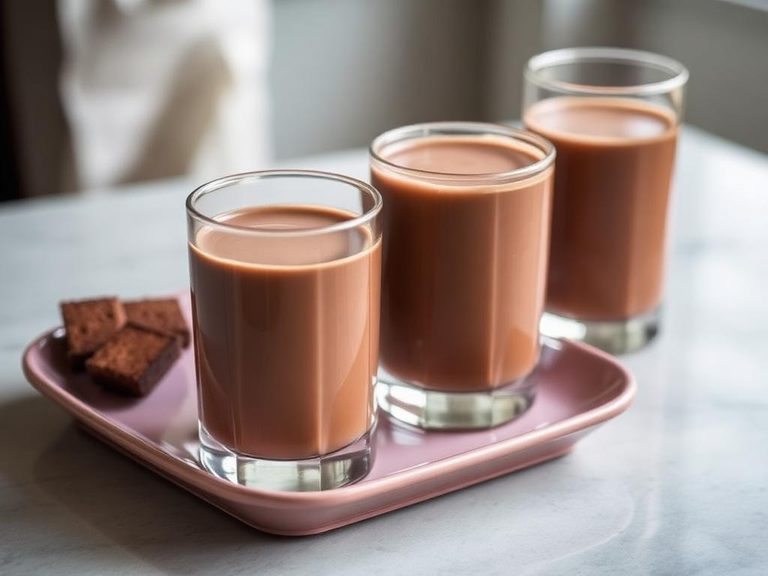
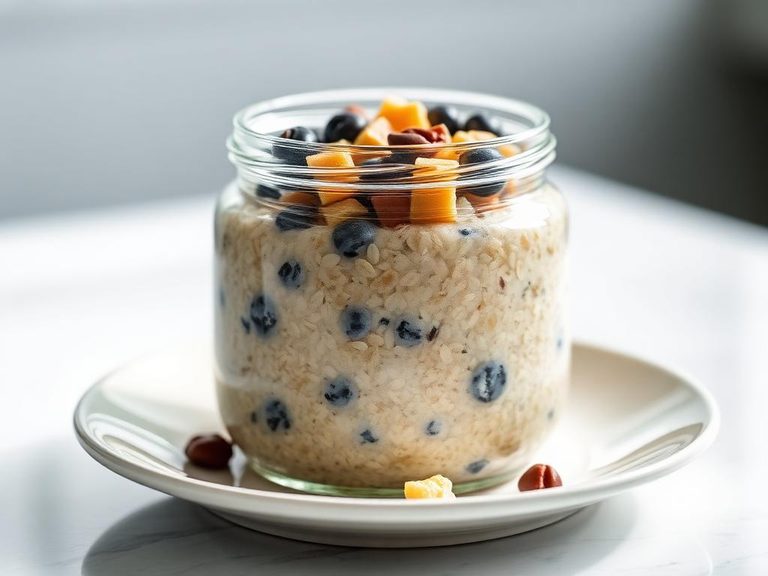
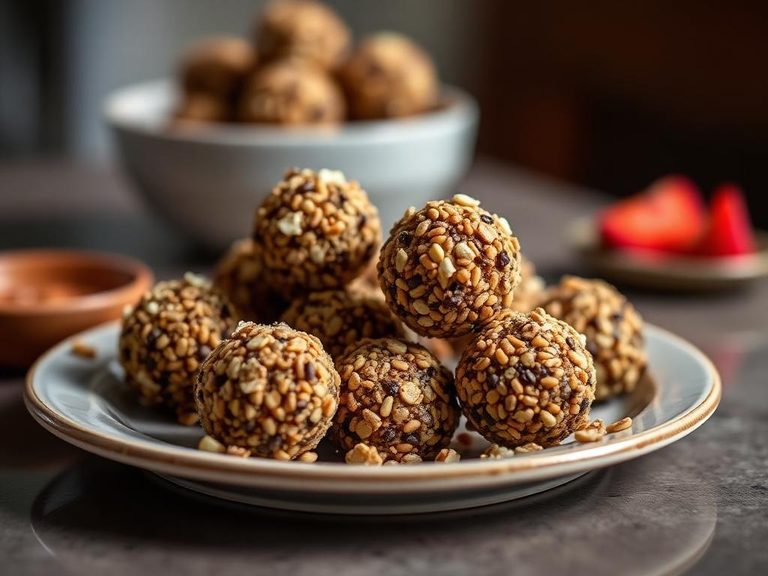
🌍 Where it's eaten
💡 Did you know?
The process of 'Dutching' cocoa with an alkalizing agent, which many mixes use, was invented in 1828 by Coenraad van Houten to make cocoa powder mix more easily with liquids.
Full nutrition (USDA data · scales with serving)
| Water | 83.7 g |
| Energy | 62.0 kcal |
| Protein | 4.4 g |
| Total lipid (fat) | 0.32 g |
| Carbohydrate, by difference | 10.4 g |
| Fiber, total dietary | 0.60 g |
| Total Sugars | 7.7 g |
| Calcium, Ca | 168 mg |
| Iron, Fe | 0.40 mg |
| Magnesium, Mg | 28.0 mg |
| Phosphorus, P | 171 mg |
| Potassium, K | 374 mg |
| Sodium, Na | 109 mg |
| Zinc, Zn | 0.69 mg |
| Copper, Cu | 0.06 mg |
| Selenium, Se | 3.2 ug |
| Vitamin C, total ascorbic acid | 0.00 mg |
| Thiamin | 0.07 mg |
| Riboflavin | 0.23 mg |
| Niacin | 0.20 mg |
| Vitamin B-6 | 0.08 mg |
| Folate, total | 3.0 ug |
| Folic acid | 0.00 ug |
| Folate, food | 3.0 ug |
| Folate, DFE | 3.0 ug |
| Choline, total | 25.3 mg |
| Vitamin B-12 | 0.60 ug |
| Vitamin B-12, added | 0.00 ug |
| Vitamin A, RAE | 59.0 ug |
| Retinol | 59.0 ug |
| Carotene, beta | 2.0 ug |
| Carotene, alpha | 0.00 ug |
| Cryptoxanthin, beta | 0.00 ug |
| Lycopene | 0.00 ug |
| Lutein + zeaxanthin | 1.0 ug |
| Vitamin E (alpha-tocopherol) | 0.00 mg |
| Vitamin E, added | 0.00 mg |
| Vitamin D (D2 + D3) | 1.0 ug |
| Vitamin K (phylloquinone) | 0.10 ug |
| Alcohol, ethyl | 0.00 g |
| Caffeine | 2.0 mg |
| Theobromine | 54.0 mg |
Fat & fatty acid profile (per 100g)
| Fatty acids, total saturated | 0.19 g |
| SFA 4:0 | 0.01 g |
| SFA 6:0 | 0.00 g |
| SFA 8:0 | 0.00 g |
| SFA 10:0 | 0.00 g |
| SFA 12:0 | 0.00 g |
| SFA 14:0 | 0.01 g |
| SFA 16:0 | 0.09 g |
| SFA 18:0 | 0.08 g |
| Fatty acids, total monounsaturated | 0.10 g |
| MUFA 16:1 | 0.00 g |
| MUFA 18:1 | 0.09 g |
| MUFA 20:1 | 0.00 g |
| MUFA 22:1 | 0.00 g |
| Fatty acids, total polyunsaturated | 0.01 g |
| PUFA 18:2 | 0.01 g |
| PUFA 18:3 | 0.00 g |
| PUFA 18:4 | 0.00 g |
| PUFA 20:4 | 0.00 g |
| PUFA 20:5 n-3 (EPA) | 0.00 g |
| PUFA 22:5 n-3 (DPA) | 0.00 g |
| PUFA 22:6 n-3 (DHA) | 0.00 g |
| Cholesterol | 3.0 mg |
Amino acid profile (per 100g)
Estimated from Milk, chocolate beverage, hot cocoa, homemade — USDA does not publish this profile for Hot chocolate / cocoa.
| Tryptophan | 0.04 g |
| Threonine | 0.10 g |
| Isoleucine | 0.17 g |
| Leucine | 0.30 g |
| Lysine | 0.21 g |
| Methionine | 0.08 g |
| Cystine | 0.10 g |
| Phenylalanine | 0.15 g |
| Tyrosine | 0.14 g |
| Valine | 0.20 g |
| Arginine | 0.10 g |
| Histidine | 0.07 g |
| Alanine | 0.10 g |
| Aspartic acid | 0.28 g |
| Glutamic acid | 0.72 g |
| Glycine | 0.06 g |
| Proline | 0.34 g |
| Serine | 0.18 g |
FAQ
How does the taste differ from regular hot chocolate mix?
It has a more pronounced, slightly bitter cocoa flavor with less cloying sweetness. The taste is cleaner and more focused on the chocolate itself.
Can I use water instead of milk?
Yes, but you'll lose the creaminess, added protein, and some flavor. Using low-fat or skim milk as intended gives the best balance of taste and nutrition.
Is it suitable for a low-carb diet?
While lower in sugar than regular mixes, it still contains about 10g of carbs per 100g of powder. It can fit into a moderate-carb diet but may not be ideal for strict keto.
Nutrient density (calculated · NRF9.3)
Nutrient Rich Foods index: beneficial nutrients (protein, fiber, vitamins, minerals) minus saturated fat, added sugar & sodium, per 100 kcal.
NRF9.3 index — Fulgoni, Keast & Drewnowski, 2009. Computed from USDA nutrients.
Weight-loss friendliness (composite index)
Energy density 0.62 kcal/g · 28% calories from protein · 0.6 g fiber · 7.7 g sugar per 100 g.
Composite of energy density (Rolls et al., 1999), protein & fiber satiety, minus sugar. A calculated heuristic — ranks satiety-per-calorie, not a clinical measure.
Dietary load (calculated from USDA values)
Potential renal acid load. Positive = acid-forming, negative = alkaline-forming.
Sodium-to-potassium ratio: 0.29 (lower is better — aim for ≤ 1)
Sodium:potassium per WHO potassium guidance. Computed from USDA nutrients.