

Guava, raw
Common food

Photo: Wikipedia
Guava is a tropical fruit with a fragrant, floral aroma and a creamy, granular texture studded with small, edible seeds. Its flavor is a unique blend of strawberry, pear, and floral notes, ranging from sweet to tart depending on the variety. Nutritionally, it's a standout for delivering more than double the daily recommended vitamin C in a single fruit.
Calorie split: 13% protein · 75% carbs · 11% fat
↓ Full nutrition💚 Why it's loved
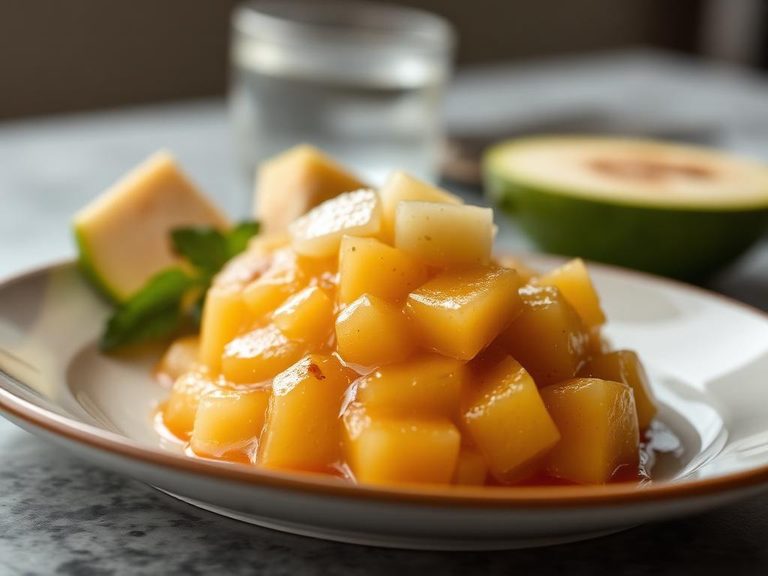
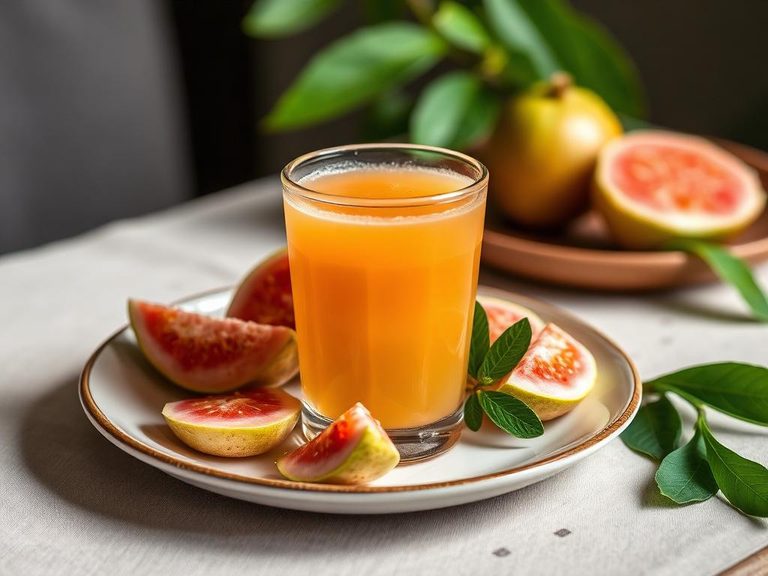
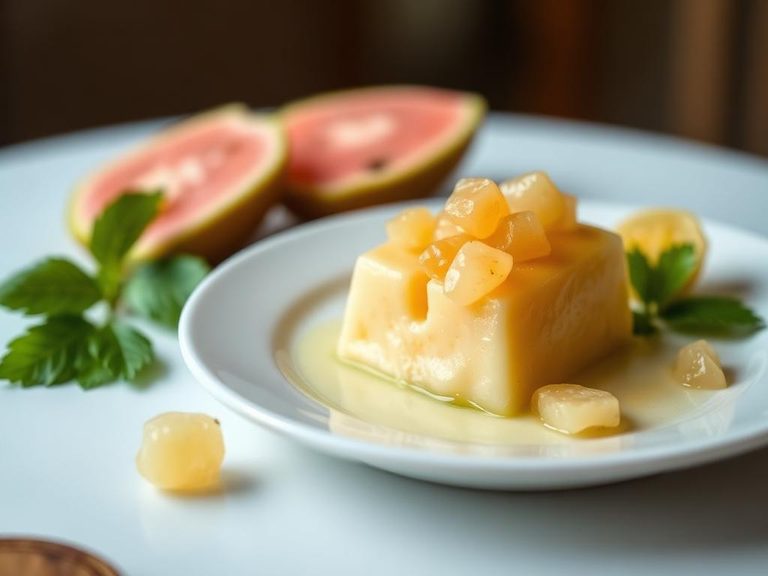
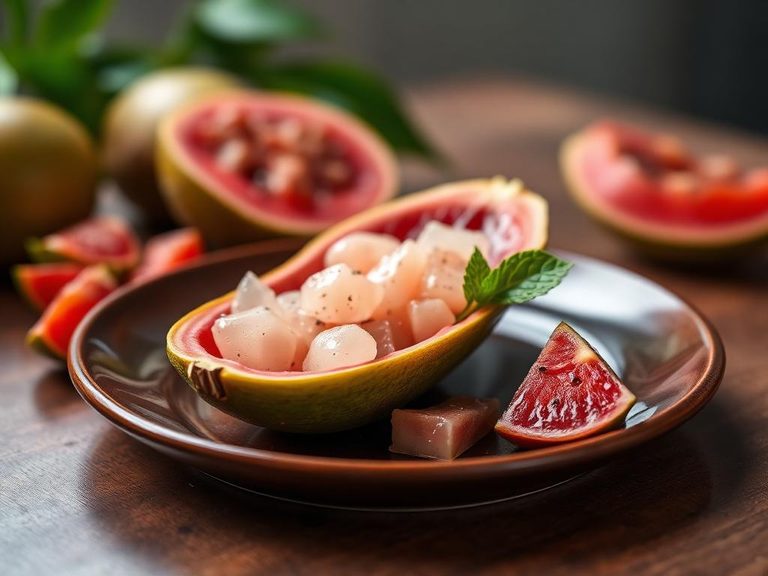
People love guava for its intoxicating fragrance and the complex, sweet-tart flavor that's hard to compare to any other fruit. It's cherished in cultures worldwide, eaten fresh, juiced, or transformed into iconic pastes, candies, and cheeses.
⚠️ Watch-outs & how to enjoy it better
The hard, crunchy seeds can be off-putting to some, and the strong aroma can be overwhelming if you're not accustomed to it. For those monitoring blood sugar, the natural sugars (about 9g per 100g) are notable; pairing guava with a source of protein or fat, like nuts or yogurt, can help moderate the glycemic response.
Key benefits
- Exceptionally high in vitamin C, supporting immune function.
- Rich in dietary fiber, promoting digestive health.
- Good source of potassium, which helps regulate blood pressure.
- Contains antioxidants like lycopene and quercetin.
- Low in calories and high in water content for hydration.
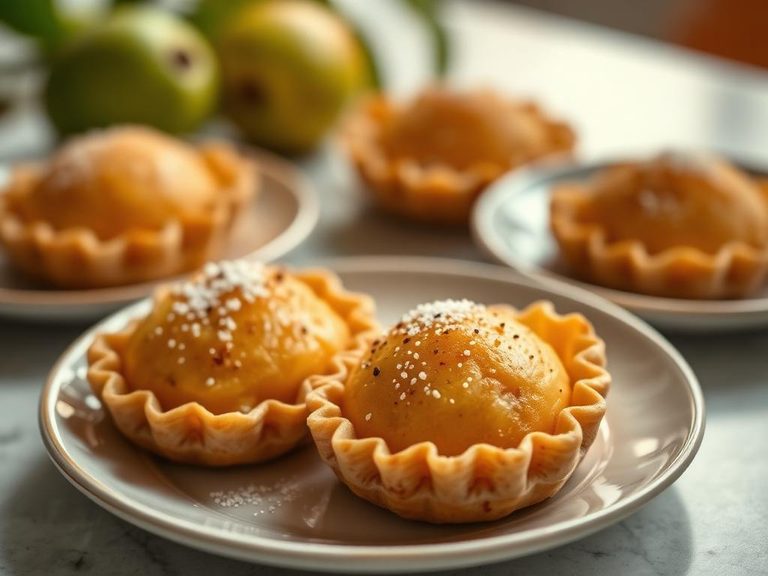
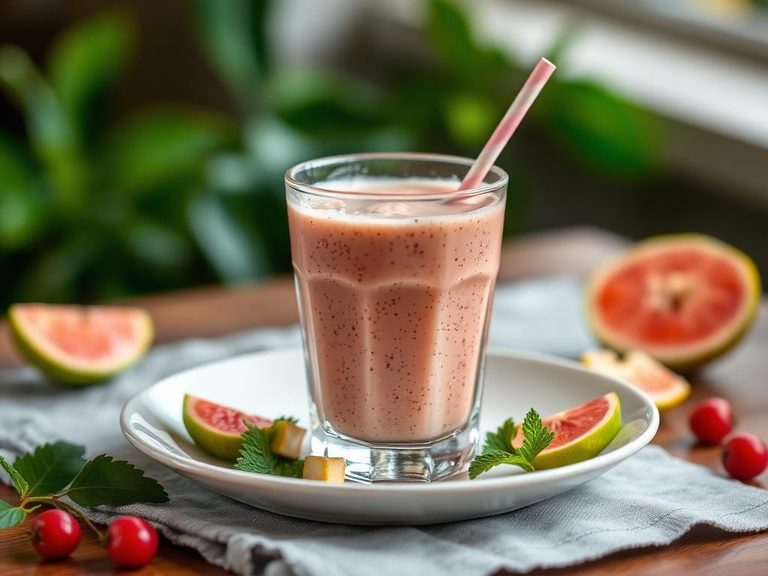
🍽️ Popular dishes
🌍 Where it's eaten
💡 Did you know?
A single guava fruit can contain 100 to 500 tiny, hard seeds, and the pink-fleshed varieties get their color from the antioxidant lycopene, the same compound that gives tomatoes and watermelons their red hue.
Full nutrition (USDA data · scales with serving)
| Water | 80.8 g |
| Energy | 68.0 kcal |
| Protein | 2.5 g |
| Total lipid (fat) | 0.95 g |
| Carbohydrate, by difference | 14.3 g |
| Fiber, total dietary | 5.4 g |
| Total Sugars | 8.9 g |
| Calcium, Ca | 18.0 mg |
| Iron, Fe | 0.26 mg |
| Magnesium, Mg | 22.0 mg |
| Phosphorus, P | 40.0 mg |
| Potassium, K | 417 mg |
| Sodium, Na | 2.0 mg |
| Zinc, Zn | 0.23 mg |
| Copper, Cu | 0.23 mg |
| Selenium, Se | 0.60 ug |
| Vitamin C, total ascorbic acid | 228 mg |
| Thiamin | 0.07 mg |
| Riboflavin | 0.04 mg |
| Niacin | 1.1 mg |
| Vitamin B-6 | 0.11 mg |
| Folate, total | 49.0 ug |
| Folic acid | 0.00 ug |
| Folate, food | 49.0 ug |
| Folate, DFE | 49.0 ug |
| Choline, total | 7.6 mg |
| Vitamin B-12 | 0.00 ug |
| Vitamin B-12, added | 0.00 ug |
| Vitamin A, RAE | 31.0 ug |
| Retinol | 0.00 ug |
| Carotene, beta | 374 ug |
| Carotene, alpha | 0.00 ug |
| Cryptoxanthin, beta | 0.00 ug |
| Lycopene | 5204 ug |
| Lutein + zeaxanthin | 0.00 ug |
| Vitamin E (alpha-tocopherol) | 0.73 mg |
| Vitamin E, added | 0.00 mg |
| Vitamin D (D2 + D3) | 0.00 ug |
| Vitamin K (phylloquinone) | 2.6 ug |
| Alcohol, ethyl | 0.00 g |
| Caffeine | 0.00 mg |
| Theobromine | 0.00 mg |
Fat & fatty acid profile (per 100g)
| Fatty acids, total saturated | 0.27 g |
| SFA 4:0 | 0.00 g |
| SFA 6:0 | 0.00 g |
| SFA 8:0 | 0.00 g |
| SFA 10:0 | 0.00 g |
| SFA 12:0 | 0.00 g |
| SFA 14:0 | 0.02 g |
| SFA 16:0 | 0.23 g |
| SFA 18:0 | 0.03 g |
| Fatty acids, total monounsaturated | 0.09 g |
| MUFA 16:1 | 0.01 g |
| MUFA 18:1 | 0.08 g |
| MUFA 20:1 | 0.00 g |
| MUFA 22:1 | 0.00 g |
| Fatty acids, total polyunsaturated | 0.40 g |
| PUFA 18:2 | 0.29 g |
| PUFA 18:3 | 0.11 g |
| PUFA 18:4 | 0.00 g |
| PUFA 20:4 | 0.00 g |
| PUFA 20:5 n-3 (EPA) | 0.00 g |
| PUFA 22:5 n-3 (DPA) | 0.00 g |
| PUFA 22:6 n-3 (DHA) | 0.00 g |
| Cholesterol | 0.00 mg |
Amino acid profile (per 100g)
Estimated from Guavas, common, raw — USDA does not publish this profile for Guava.
| Tryptophan | 0.02 g |
| Threonine | 0.10 g |
| Isoleucine | 0.09 g |
| Leucine | 0.17 g |
| Lysine | 0.07 g |
| Methionine | 0.02 g |
| Phenylalanine | 0.01 g |
| Tyrosine | 0.03 g |
| Valine | 0.09 g |
| Arginine | 0.07 g |
| Histidine | 0.02 g |
| Alanine | 0.13 g |
| Aspartic acid | 0.16 g |
| Glutamic acid | 0.33 g |
| Glycine | 0.13 g |
| Proline | 0.08 g |
| Serine | 0.07 g |
FAQ
Can you eat the skin of a guava?
Yes, the skin is edible and nutritious, though it can be tough. Many people wash it well and eat it whole. If the texture is too firm, you can peel it.
Why is my guava hard?
A hard guava is simply unripe. Leave it at room temperature for a few days until it yields slightly to gentle pressure and its aroma intensifies.
How do I reduce the seeds when eating guava?
You can cut the guava in half and scoop out the seedy pulp with a spoon, or blend the fruit and strain it to make a smooth juice or puree.
Nutrient density (calculated · NRF9.3)
Nutrient Rich Foods index: beneficial nutrients (protein, fiber, vitamins, minerals) minus saturated fat, added sugar & sodium, per 100 kcal.
NRF9.3 index — Fulgoni, Keast & Drewnowski, 2009. Computed from USDA nutrients.
Weight-loss friendliness (composite index)
Energy density 0.68 kcal/g · 15% calories from protein · 5.4 g fiber · 8.9 g sugar per 100 g.
Composite of energy density (Rolls et al., 1999), protein & fiber satiety, minus sugar. A calculated heuristic — ranks satiety-per-calorie, not a clinical measure.
Dietary load (calculated from USDA values)
Potential renal acid load. Positive = acid-forming, negative = alkaline-forming.
Sodium-to-potassium ratio: 0.00 (lower is better — aim for ≤ 1)
Sodium:potassium per WHO potassium guidance. Computed from USDA nutrients.