

Gravy, for use with vegetables
Common food

Photo: Wikipedia
This is a smooth, savory sauce designed to coat and enhance vegetables, ranging from a light, glossy glaze to a richer, opaque pour. Its flavor profile is typically umami-forward, salty, and herbaceous, with a velvety mouthfeel that clings to produce. Nutritionally, it is a low-calorie, low-fat way to add significant flavor, though its carbohydrate content comes primarily from starches used as thickeners.
Calorie split: 2% protein · 81% carbs · 17% fat
↓ Full nutrition💚 Why it's loved
People love it for its transformative ability to turn plain steamed or roasted vegetables into a comforting, savory side dish. Its versatility and familiar, savory profile make it a staple for adding instant depth and a 'home-cooked' feel to meals.
⚠️ Watch-outs & how to enjoy it better
Commercial versions can be high in sodium, which may concern those monitoring blood pressure. The primary carbohydrate source is often a refined starch, which can contribute to faster blood sugar spikes compared to whole vegetables. To counteract this, pair it with a source of protein or healthy fat (like adding nuts or serving with chicken), and consider making a homemade version using whole-grain flour or cornstarch for more fiber.
Key benefits
- Adds moisture and flavor without significant calories
- Can increase vegetable consumption by improving palatability
- Quick and convenient way to create a cohesive dish
- Often contains herbs and spices with antioxidant properties
- Provides a savory (umami) taste that satisfies cravings
🍽️ Popular dishes


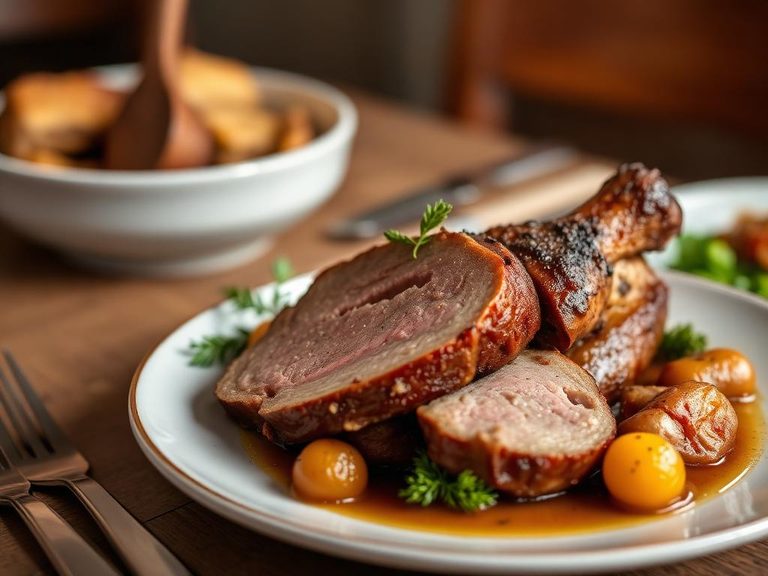
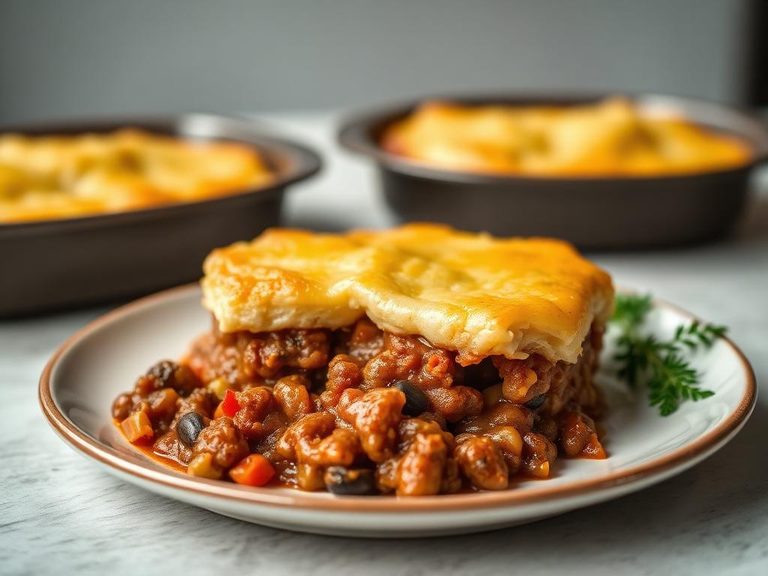
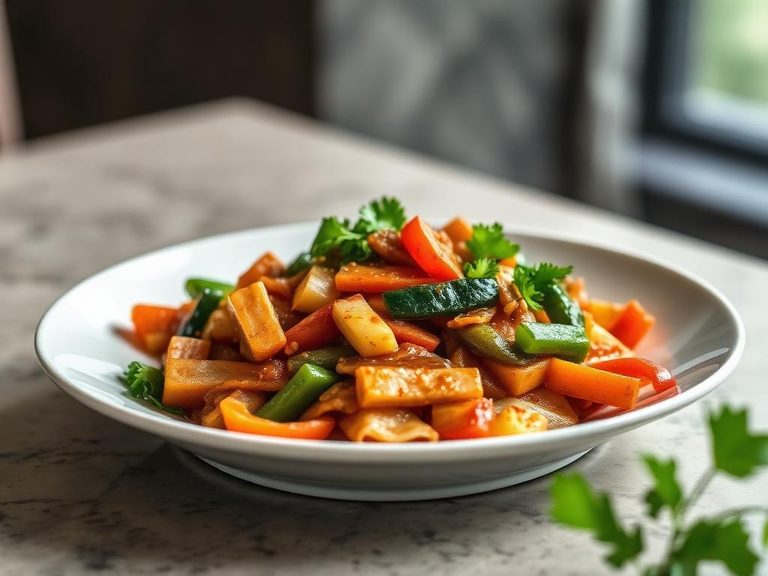
🌍 Where it's eaten
💡 Did you know?
The word 'gravy' first appeared in English in the 14th century, likely derived from the French word 'gré' meaning 'pleasing' or 'agreeable.'
Full nutrition (USDA data · scales with serving)
| Water | 84.9 g |
| Energy | 57.0 kcal |
| Protein | 0.31 g |
| Total lipid (fat) | 1.1 g |
| Carbohydrate, by difference | 11.2 g |
| Fiber, total dietary | 0.10 g |
| Total Sugars | 0.12 g |
| Calcium, Ca | 7.0 mg |
| Iron, Fe | 0.08 mg |
| Magnesium, Mg | 2.0 mg |
| Phosphorus, P | 9.0 mg |
| Potassium, K | 18.0 mg |
| Sodium, Na | 932 mg |
| Zinc, Zn | 0.04 mg |
| Copper, Cu | 0.02 mg |
| Selenium, Se | 0.40 ug |
| Vitamin C, total ascorbic acid | 0.00 mg |
| Thiamin | 0.01 mg |
| Riboflavin | 0.02 mg |
| Niacin | 0.11 mg |
| Vitamin B-6 | 0.01 mg |
| Folate, total | 1.0 ug |
| Folic acid | 0.00 ug |
| Folate, food | 1.0 ug |
| Folate, DFE | 1.0 ug |
| Choline, total | 1.5 mg |
| Vitamin B-12 | 0.00 ug |
| Vitamin B-12, added | 0.00 ug |
| Vitamin A, RAE | 0.00 ug |
| Retinol | 0.00 ug |
| Carotene, beta | 0.00 ug |
| Carotene, alpha | 0.00 ug |
| Cryptoxanthin, beta | 0.00 ug |
| Lycopene | 0.00 ug |
| Lutein + zeaxanthin | 0.00 ug |
| Vitamin E (alpha-tocopherol) | 0.04 mg |
| Vitamin E, added | 0.00 mg |
| Vitamin D (D2 + D3) | 0.00 ug |
| Vitamin K (phylloquinone) | 0.20 ug |
| Alcohol, ethyl | 0.00 g |
| Caffeine | 0.00 mg |
| Theobromine | 0.00 mg |
Fat & fatty acid profile (per 100g)
| Fatty acids, total saturated | 0.26 g |
| SFA 4:0 | 0.00 g |
| SFA 6:0 | 0.00 g |
| SFA 8:0 | 0.00 g |
| SFA 10:0 | 0.00 g |
| SFA 12:0 | 0.00 g |
| SFA 14:0 | 0.01 g |
| SFA 16:0 | 0.20 g |
| SFA 18:0 | 0.05 g |
| Fatty acids, total monounsaturated | 0.41 g |
| MUFA 16:1 | 0.05 g |
| MUFA 18:1 | 0.36 g |
| MUFA 20:1 | 0.01 g |
| MUFA 22:1 | 0.00 g |
| Fatty acids, total polyunsaturated | 0.17 g |
| PUFA 18:2 | 0.15 g |
| PUFA 18:3 | 0.01 g |
| PUFA 18:4 | 0.00 g |
| PUFA 20:4 | 0.00 g |
| PUFA 20:5 n-3 (EPA) | 0.00 g |
| PUFA 22:5 n-3 (DPA) | 0.00 g |
| PUFA 22:6 n-3 (DHA) | 0.00 g |
| Cholesterol | 2.0 mg |
Amino acid profile (per 100g)
Estimated from Turkey and gravy, frozen — USDA does not publish this profile for Gravy.
| Tryptophan | 0.07 g |
| Threonine | 0.26 g |
| Isoleucine | 0.31 g |
| Leucine | 0.47 g |
| Lysine | 0.55 g |
| Methionine | 0.17 g |
| Cystine | 0.06 g |
| Phenylalanine | 0.23 g |
| Tyrosine | 0.23 g |
| Valine | 0.31 g |
| Arginine | 0.41 g |
| Histidine | 0.18 g |
| Alanine | 0.36 g |
| Aspartic acid | 0.57 g |
| Glutamic acid | 0.96 g |
| Glycine | 0.29 g |
| Proline | 0.24 g |
| Serine | 0.26 g |
FAQ
Is vegetable gravy vegan?
Not always. Traditional gravy often uses meat drippings and stock. However, many modern recipes and store-bought versions are specifically made with vegetable stock and are fully vegan. Always check the ingredients list for animal-derived components like gelatin or meat extracts.
How can I make a healthier version at home?
Sauté onions and garlic in a little olive oil, whisk in whole-wheat flour or cornstarch to make a roux, then slowly add low-sodium vegetable broth. Season with herbs like thyme, rosemary, and black pepper instead of relying on salt.
What's the difference between brown and white gravy?
Brown gravy gets its color and deeper flavor from using browned meat drippings or a dark roux (flour cooked longer). White gravy (or country gravy) is made from a light roux and typically includes milk or cream, common in Southern U.S. cuisine.
Nutrient density (calculated · NRF9.3)
Nutrient Rich Foods index: beneficial nutrients (protein, fiber, vitamins, minerals) minus saturated fat, added sugar & sodium, per 100 kcal.
NRF9.3 index — Fulgoni, Keast & Drewnowski, 2009. Computed from USDA nutrients.
Weight-loss friendliness (composite index)
Energy density 0.57 kcal/g · 2% calories from protein · 0.1 g fiber · 0.1 g sugar per 100 g.
Composite of energy density (Rolls et al., 1999), protein & fiber satiety, minus sugar. A calculated heuristic — ranks satiety-per-calorie, not a clinical measure.
Dietary load (calculated from USDA values)
Potential renal acid load. Positive = acid-forming, negative = alkaline-forming.
Sodium-to-potassium ratio: 51.78 (lower is better — aim for ≤ 1)
Sodium:potassium per WHO potassium guidance. Computed from USDA nutrients.