

Garlic, cooked
Common food
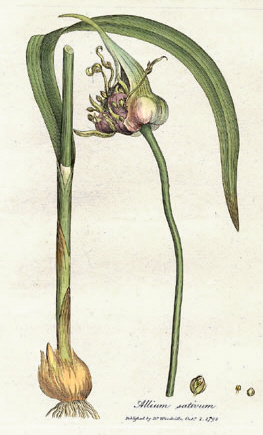
Photo: Wikipedia
Cooked garlic transforms from a pungent, sharp bulb into a sweet, nutty, and deeply savory ingredient with a soft, spreadable texture. Its flavor mellows and caramelizes, becoming a foundational base for countless dishes. Nutritionally, it's a low-calorie, high-fiber carbohydrate source, providing a significant amount of the daily recommended manganese.
Calorie split: 19% protein · 79% carbs · 2% fat
↓ Full nutrition💚 Why it's loved
People love cooked garlic for its ability to transform from harsh to sweet and savory, creating an irreplaceable aromatic foundation for cuisines worldwide. Its versatility allows it to be roasted whole, sautéed into a base, or simmered into sauces, adding a complex umami depth.
⚠️ Watch-outs & how to enjoy it better
The high fermentable carbohydrate (FODMAP) content can cause digestive discomfort like bloating or gas in sensitive individuals, particularly those with IBS. To mitigate, start with smaller portions, use garlic-infused oil (which extracts flavor but not the FODMAPs), or opt for the green parts of garlic shoots. Some may also experience heartburn or acid reflux.
Key benefits
- Excellent source of manganese (over 80% DV per 100g).
- Provides prebiotic fiber to support gut health.
- Rich in organosulfur compounds like allicin (formed when crushed).
- Adds deep flavor without significant fat or sodium.
- Contains antioxidants like selenium and vitamin C.
🍽️ Popular dishes
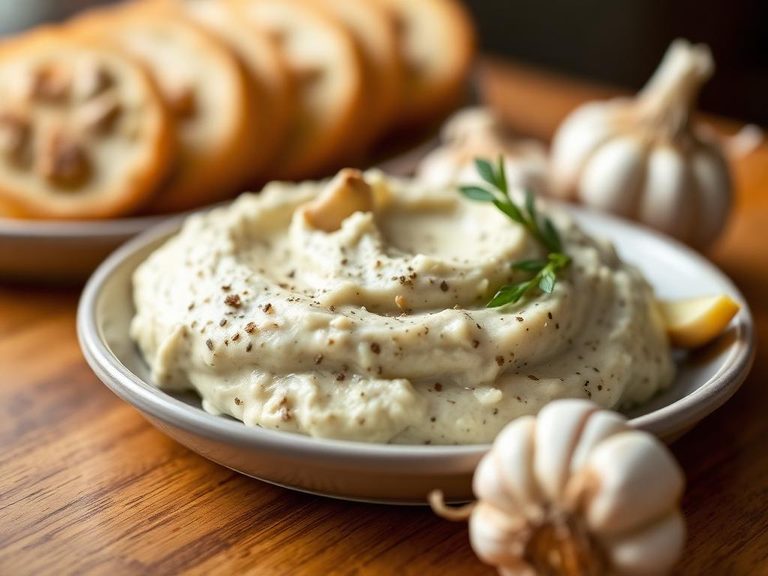
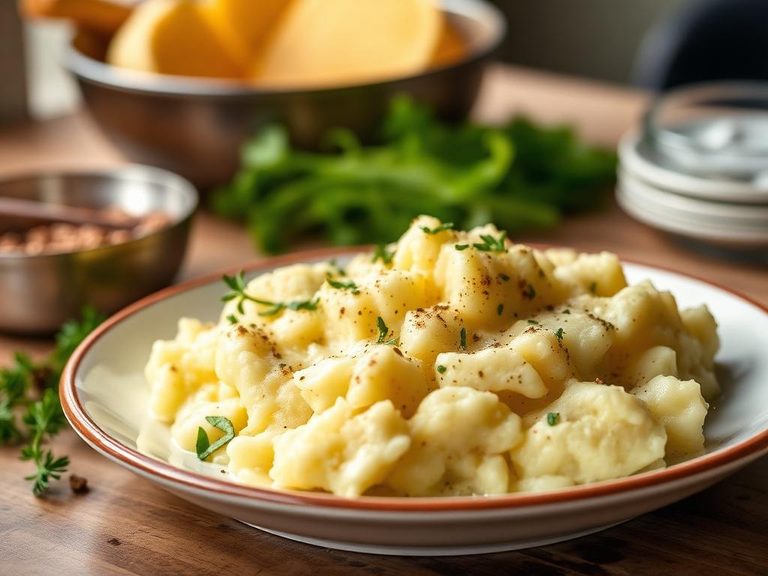
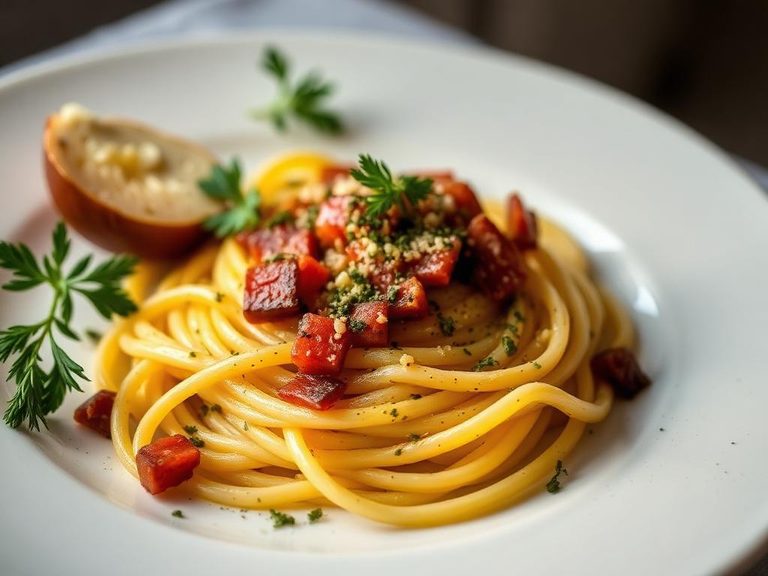
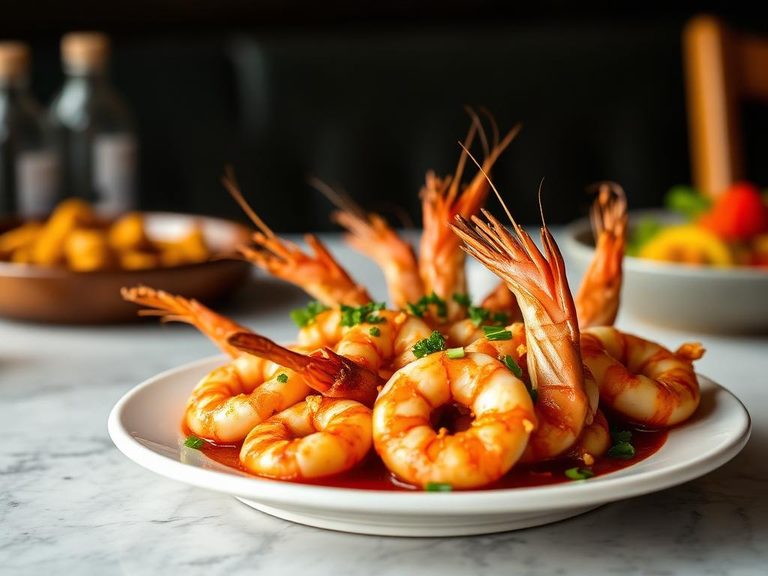
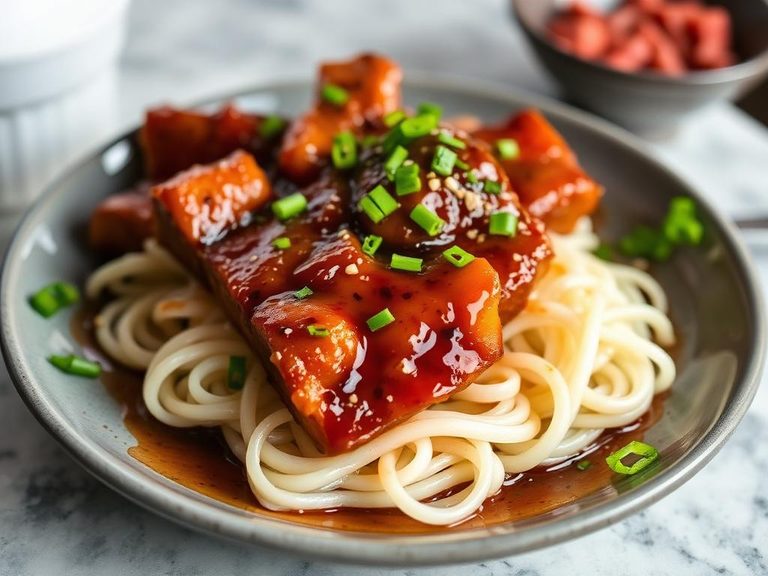
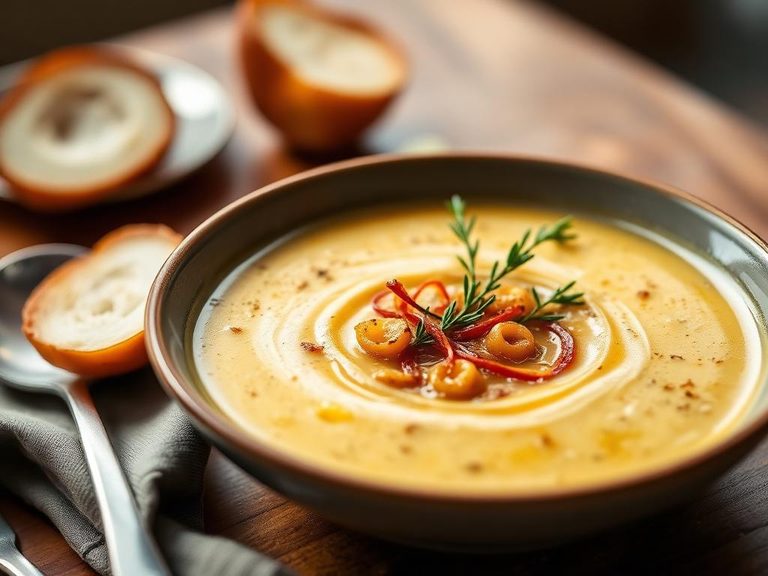
🌍 Where it's eaten
💡 Did you know?
Ancient Egyptian laborers building the pyramids were reportedly given garlic daily for stamina and to prevent disease, and it was even found in Tutankhamun's tomb.
Full nutrition (USDA data · scales with serving)
| Water | 62.7 g |
| Energy | 142 kcal |
| Protein | 6.6 g |
| Total lipid (fat) | 0.38 g |
| Carbohydrate, by difference | 28.0 g |
| Fiber, total dietary | 2.7 g |
| Total Sugars | 0.99 g |
| Calcium, Ca | 180 mg |
| Iron, Fe | 1.7 mg |
| Magnesium, Mg | 25.0 mg |
| Phosphorus, P | 152 mg |
| Potassium, K | 399 mg |
| Sodium, Na | 248 mg |
| Zinc, Zn | 1.1 mg |
| Copper, Cu | 0.30 mg |
| Selenium, Se | 9.7 ug |
| Vitamin C, total ascorbic acid | 8.0 mg |
| Thiamin | 0.18 mg |
| Riboflavin | 0.10 mg |
| Niacin | 0.66 mg |
| Vitamin B-6 | 1.2 mg |
| Folate, total | 2.0 ug |
| Folic acid | 0.00 ug |
| Folate, food | 2.0 ug |
| Folate, DFE | 2.0 ug |
| Choline, total | 23.1 mg |
| Vitamin B-12 | 0.00 ug |
| Vitamin B-12, added | 0.00 ug |
| Vitamin A, RAE | 0.00 ug |
| Retinol | 0.00 ug |
| Carotene, beta | 4.0 ug |
| Carotene, alpha | 0.00 ug |
| Cryptoxanthin, beta | 0.00 ug |
| Lycopene | 0.00 ug |
| Lutein + zeaxanthin | 14.0 ug |
| Vitamin E (alpha-tocopherol) | 0.08 mg |
| Vitamin E, added | 0.00 mg |
| Vitamin D (D2 + D3) | 0.00 ug |
| Vitamin K (phylloquinone) | 1.7 ug |
| Alcohol, ethyl | 0.00 g |
| Caffeine | 0.00 mg |
| Theobromine | 0.00 mg |
Fat & fatty acid profile (per 100g)
| Fatty acids, total saturated | 0.09 g |
| SFA 4:0 | 0.00 g |
| SFA 6:0 | 0.00 g |
| SFA 8:0 | 0.00 g |
| SFA 10:0 | 0.00 g |
| SFA 12:0 | 0.00 g |
| SFA 14:0 | 0.00 g |
| SFA 16:0 | 0.09 g |
| SFA 18:0 | 0.00 g |
| Fatty acids, total monounsaturated | 0.01 g |
| MUFA 16:1 | 0.00 g |
| MUFA 18:1 | 0.01 g |
| MUFA 20:1 | 0.00 g |
| MUFA 22:1 | 0.00 g |
| Fatty acids, total polyunsaturated | 0.25 g |
| PUFA 18:2 | 0.23 g |
| PUFA 18:3 | 0.02 g |
| PUFA 18:4 | 0.00 g |
| PUFA 20:4 | 0.00 g |
| PUFA 20:5 n-3 (EPA) | 0.00 g |
| PUFA 22:5 n-3 (DPA) | 0.00 g |
| PUFA 22:6 n-3 (DHA) | 0.00 g |
| Cholesterol | 0.00 mg |
Amino acid profile (per 100g)
Estimated from Garlic bread, frozen — USDA does not publish this profile for Garlic.
| Tryptophan | 0.07 g |
| Threonine | 0.19 g |
| Isoleucine | 0.23 g |
| Leucine | 0.41 g |
| Lysine | 0.24 g |
| Methionine | 0.10 g |
| Cystine | 0.10 g |
| Phenylalanine | 0.27 g |
| Tyrosine | 0.19 g |
| Valine | 0.26 g |
| Arginine | 0.23 g |
| Histidine | 0.13 g |
| Alanine | 0.22 g |
| Aspartic acid | 0.33 g |
| Glutamic acid | 1.5 g |
| Glycine | 0.20 g |
| Proline | 0.52 g |
| Serine | 0.27 g |
FAQ
How does cooking affect garlic's nutrition?
Cooking, especially with dry heat like roasting, can reduce some heat-sensitive compounds like allicin but increases the bioavailability of others and creates new antioxidant compounds. It also significantly reduces the sharp, pungent compounds that can cause digestive issues.
Is cooked garlic as healthy as raw garlic?
Both have benefits. Raw garlic has higher levels of allicin, which is formed when cloves are crushed and is linked to many health benefits. Cooking makes garlic's nutrients more digestible and creates different beneficial compounds, while being gentler on the stomach.
Why does my cooked garlic sometimes taste bitter?
Bitterness often occurs when garlic is burned or overcooked, especially when sautéed at too high a heat. The sugars and compounds in garlic can quickly go from caramelized to acrid. To avoid this, cook garlic over medium-low heat and add it later in the cooking process if using high heat.
Nutrient density (calculated · NRF9.3)
Nutrient Rich Foods index: beneficial nutrients (protein, fiber, vitamins, minerals) minus saturated fat, added sugar & sodium, per 100 kcal.
NRF9.3 index — Fulgoni, Keast & Drewnowski, 2009. Computed from USDA nutrients.
Weight-loss friendliness (composite index)
Energy density 1.42 kcal/g · 19% calories from protein · 2.7 g fiber · 1.0 g sugar per 100 g.
Composite of energy density (Rolls et al., 1999), protein & fiber satiety, minus sugar. A calculated heuristic — ranks satiety-per-calorie, not a clinical measure.
Dietary load (calculated from USDA values)
Potential renal acid load. Positive = acid-forming, negative = alkaline-forming.
Sodium-to-potassium ratio: 0.62 (lower is better — aim for ≤ 1)
Sodium:potassium per WHO potassium guidance. Computed from USDA nutrients.