

Fruit juice drink, added calcium (Sunny D)
Common food
Photo: Wikipedia
Sunny D is a bright, citrus-flavored fruit drink known for its smooth, non-carbonated texture and sweet, tangy taste reminiscent of a diluted orange-lemon blend. It's fortified with calcium, making it a familiar, shelf-stable beverage often found in school lunchboxes and family fridges. Nutritionally, it's a low-calorie, fat-free source of quick energy from its 13.2g of carbohydrates per 100g, primarily from added sugars.
Calorie split: 0% protein · 100% carbs · 0% fat
↓ Full nutrition💚 Why it's loved
People love Sunny D for its nostalgic, sweet-tart flavor that's more juice-like than soda, making it a popular, refreshing choice for kids and a convenient, non-carbonated option for adults. Its versatility as a standalone drink, a mixer, or a base for smoothies adds to its appeal.
⚠️ Watch-outs & how to enjoy it better
The primary downside is its high sugar content (8.02g per 100g), which can contribute to blood sugar spikes and empty calories. To counteract this, practice portion control by diluting it with water or sparkling water, or pair it with a source of protein or healthy fat (like nuts or yogurt) to slow sugar absorption. It also contains additives like citric acid, which may concern some.
Key benefits
- Provides a quick source of energy from carbohydrates.
- Fortified with calcium to support bone health.
- Low in calories (53 kcal per 100g).
- Fat-free and cholesterol-free.
- Shelf-stable and convenient for on-the-go consumption.
🍽️ Popular dishes
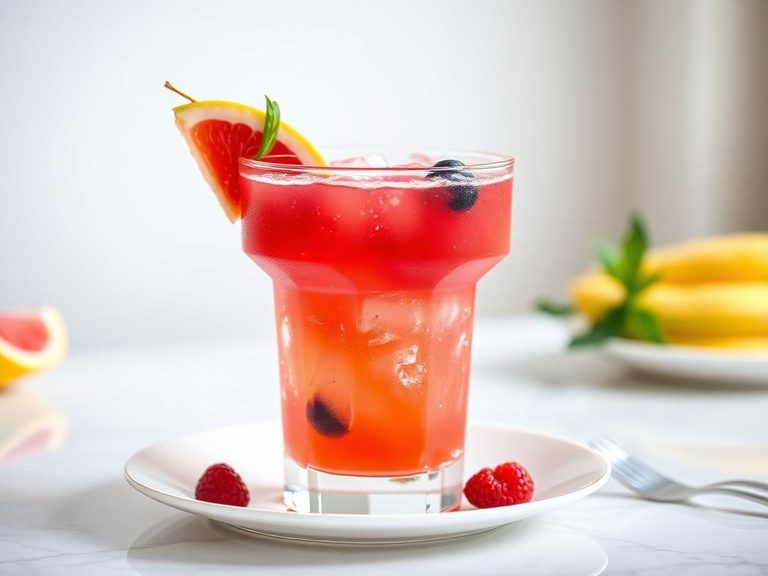
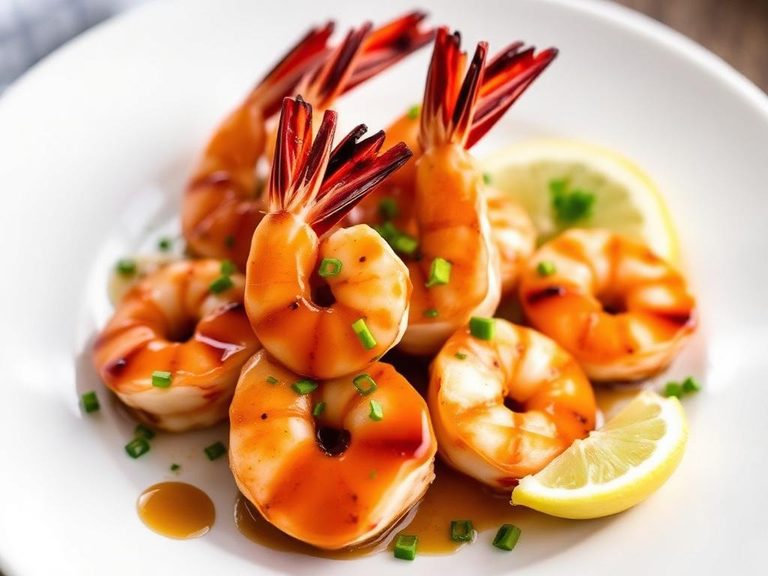
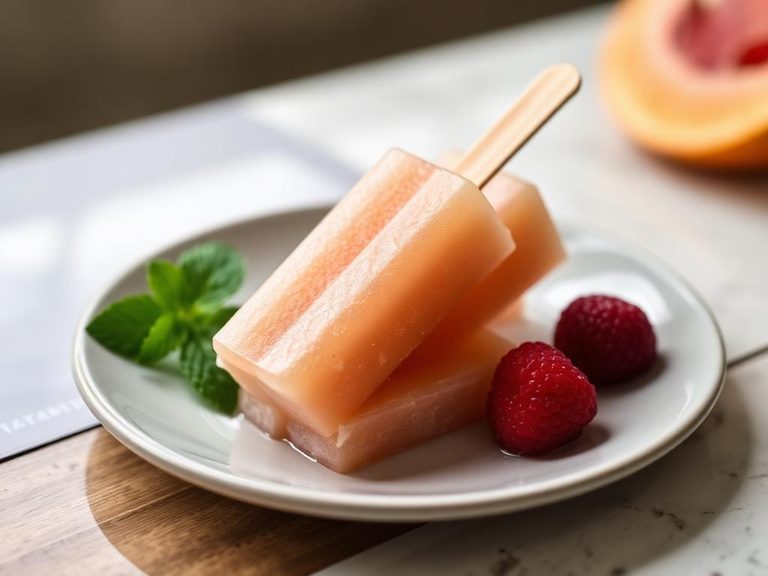
🌍 Where it's eaten
💡 Did you know?
Sunny D was originally developed in the 1960s by a chemist named Jim Redd, who created it as a 'sunshine in a bottle' alternative to fresh-squeezed orange juice, and it became a cultural icon in the 1990s with its memorable 'Sunny Delight' ad campaigns.
Full nutrition (USDA data · scales with serving)
| Water | 85.4 g |
| Energy | 53.0 kcal |
| Protein | 0.00 g |
| Total lipid (fat) | 0.00 g |
| Carbohydrate, by difference | 13.2 g |
| Fiber, total dietary | 0.10 g |
| Total Sugars | 8.0 g |
| Calcium, Ca | 100 mg |
| Iron, Fe | 0.05 mg |
| Magnesium, Mg | 5.0 mg |
| Phosphorus, P | 7.0 mg |
| Potassium, K | 83.0 mg |
| Sodium, Na | 54.0 mg |
| Zinc, Zn | 0.05 mg |
| Copper, Cu | 0.03 mg |
| Selenium, Se | 0.00 ug |
| Vitamin C, total ascorbic acid | 24.0 mg |
| Thiamin | 0.12 mg |
| Riboflavin | 0.01 mg |
| Niacin | 0.09 mg |
| Vitamin B-6 | 0.02 mg |
| Folate, total | 5.0 ug |
| Folic acid | 0.00 ug |
| Folate, food | 5.0 ug |
| Folate, DFE | 5.0 ug |
| Choline, total | 0.50 mg |
| Vitamin B-12 | 0.00 ug |
| Vitamin B-12, added | 0.00 ug |
| Vitamin A, RAE | 21.0 ug |
| Retinol | 0.00 ug |
| Carotene, beta | 219 ug |
| Carotene, alpha | 0.00 ug |
| Cryptoxanthin, beta | 62.0 ug |
| Lycopene | 0.00 ug |
| Lutein + zeaxanthin | 8.0 ug |
| Vitamin E (alpha-tocopherol) | 0.04 mg |
| Vitamin E, added | 0.00 mg |
| Vitamin D (D2 + D3) | 0.00 ug |
| Vitamin K (phylloquinone) | 0.00 ug |
| Alcohol, ethyl | 0.00 g |
| Caffeine | 0.00 mg |
| Theobromine | 0.00 mg |
Fat & fatty acid profile (per 100g)
| Fatty acids, total saturated | 0.00 g |
| SFA 4:0 | 0.00 g |
| SFA 6:0 | 0.00 g |
| SFA 8:0 | 0.00 g |
| SFA 10:0 | 0.00 g |
| SFA 12:0 | 0.00 g |
| SFA 14:0 | 0.00 g |
| SFA 16:0 | 0.00 g |
| SFA 18:0 | 0.00 g |
| Fatty acids, total monounsaturated | 0.00 g |
| MUFA 16:1 | 0.00 g |
| MUFA 18:1 | 0.00 g |
| MUFA 20:1 | 0.00 g |
| MUFA 22:1 | 0.00 g |
| Fatty acids, total polyunsaturated | 0.00 g |
| PUFA 18:2 | 0.00 g |
| PUFA 18:3 | 0.00 g |
| PUFA 18:4 | 0.00 g |
| PUFA 20:4 | 0.00 g |
| PUFA 20:5 n-3 (EPA) | 0.00 g |
| PUFA 22:5 n-3 (DPA) | 0.00 g |
| PUFA 22:6 n-3 (DHA) | 0.00 g |
| Cholesterol | 0.00 mg |
Amino acid profile (per 100g)
Estimated from Babyfood, juice treats, fruit medley, toddler — USDA does not publish this profile for Fruit juice drink.
| Tryptophan | 0.00 g |
| Threonine | 0.00 g |
| Isoleucine | 0.00 g |
| Leucine | 0.00 g |
| Lysine | 0.00 g |
| Methionine | 0.00 g |
| Cystine | 0.00 g |
| Phenylalanine | 0.00 g |
| Tyrosine | 0.00 g |
| Valine | 0.00 g |
| Arginine | 0.00 g |
| Histidine | 0.00 g |
| Alanine | 0.00 g |
| Aspartic acid | 0.00 g |
| Glutamic acid | 0.00 g |
| Glycine | 0.00 g |
| Proline | 0.00 g |
| Serine | 0.00 g |
FAQ
Is Sunny D actually fruit juice?
No, it's classified as a fruit drink. It contains a small percentage of fruit juice concentrate (like orange) but is primarily water, high-fructose corn syrup, and added vitamins and minerals.
How does the added calcium benefit me?
The calcium citrate added to Sunny D contributes to your daily intake, which is essential for maintaining strong bones and teeth, especially for those who may not consume enough dairy.
Can I use Sunny D in cooking?
Yes, it's a versatile ingredient. Its sweet-tart profile works well in marinades, glazes for meats, salad dressings, and as a base for fruity cocktails or non-alcoholic punches.
Nutrient density (calculated · NRF9.3)
Nutrient Rich Foods index: beneficial nutrients (protein, fiber, vitamins, minerals) minus saturated fat, added sugar & sodium, per 100 kcal.
NRF9.3 index — Fulgoni, Keast & Drewnowski, 2009. Computed from USDA nutrients.
Weight-loss friendliness (composite index)
Energy density 0.53 kcal/g · 0% calories from protein · 0.1 g fiber · 8.0 g sugar per 100 g.
Composite of energy density (Rolls et al., 1999), protein & fiber satiety, minus sugar. A calculated heuristic — ranks satiety-per-calorie, not a clinical measure.
Dietary load (calculated from USDA values)
Potential renal acid load. Positive = acid-forming, negative = alkaline-forming.
Sodium-to-potassium ratio: 0.65 (lower is better — aim for ≤ 1)
Sodium:potassium per WHO potassium guidance. Computed from USDA nutrients.