

Fish, tilapia, baked or broiled
Common food

Photo: Wikipedia
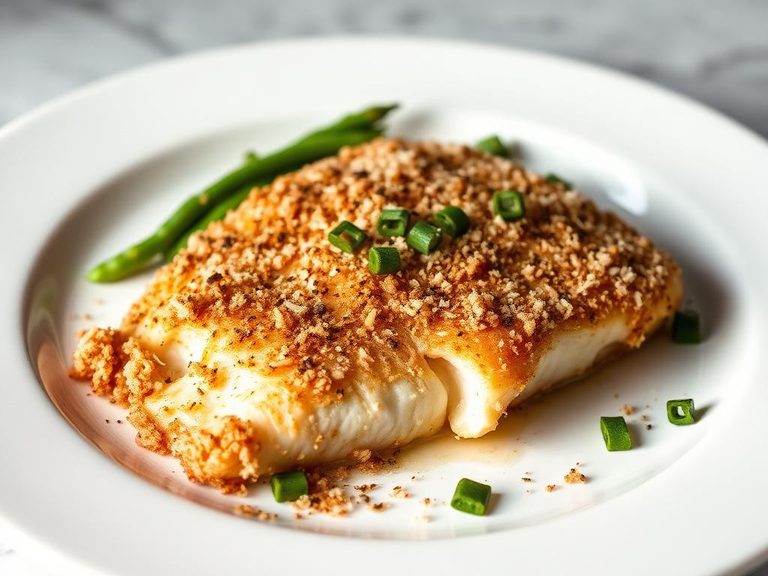
Baked or broiled tilapia is a lean, mild white fish with a delicate, flaky texture that turns tender and slightly sweet when cooked with high, dry heat. It's a protein powerhouse, delivering nearly 25 grams of high-quality protein per 100-gram serving with virtually no carbohydrates. This cooking method keeps it light and clean-tasting, making it a versatile canvas for a wide range of seasonings and sauces.
Calorie split: 62% protein · 0% carbs · 37% fat
↓ Full nutrition💚 Why it's loved
People love tilapia for its mild, non-fishy flavor and adaptable texture, which readily absorbs marinades and spices from lemon-herb to spicy blackened. Its affordability and availability make it a reliable weeknight dinner staple across many cultures.
⚠️ Watch-outs & how to enjoy it better
The main caution is its low omega-3 content compared to fatty fish like salmon, so it shouldn't be the sole source of these beneficial fats. To counteract this, pair it with a side of omega-3-rich foods like a handful of walnuts, a drizzle of flaxseed oil, or serve it alongside a leafy green salad dressed with olive oil.
Key benefits
- Excellent source of complete, lean protein for muscle maintenance.
- Very low in carbohydrates and sugars, suitable for low-carb diets.
- Provides essential nutrients like selenium, vitamin B12, and phosphorus.
- Low in saturated fat and contains some heart-healthy omega-3 fatty acids.
- A quick-cooking, affordable staple for healthy meal preparation.
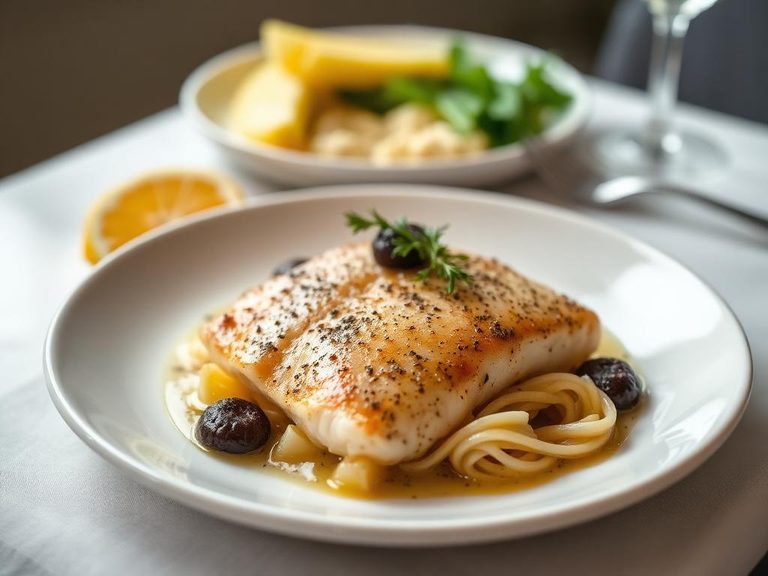
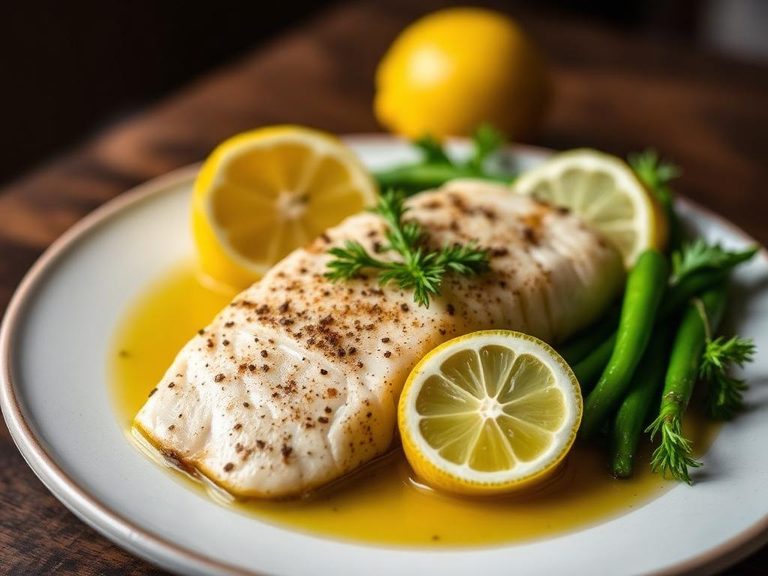
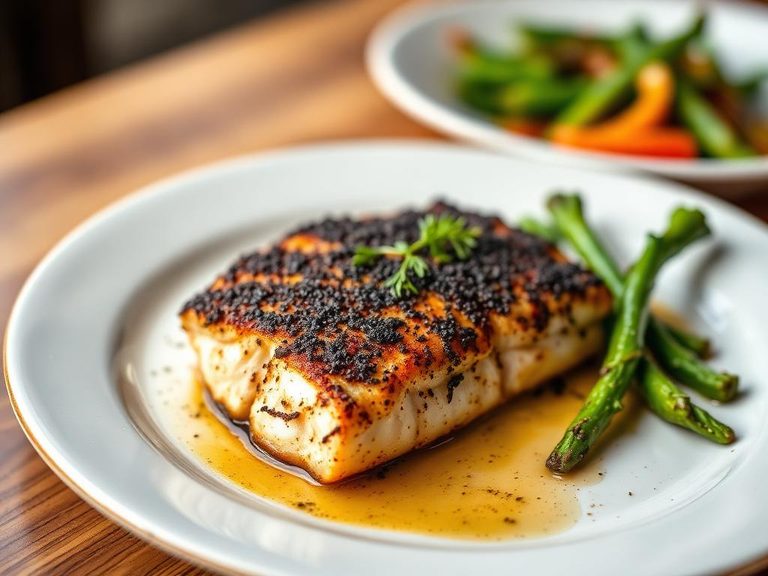
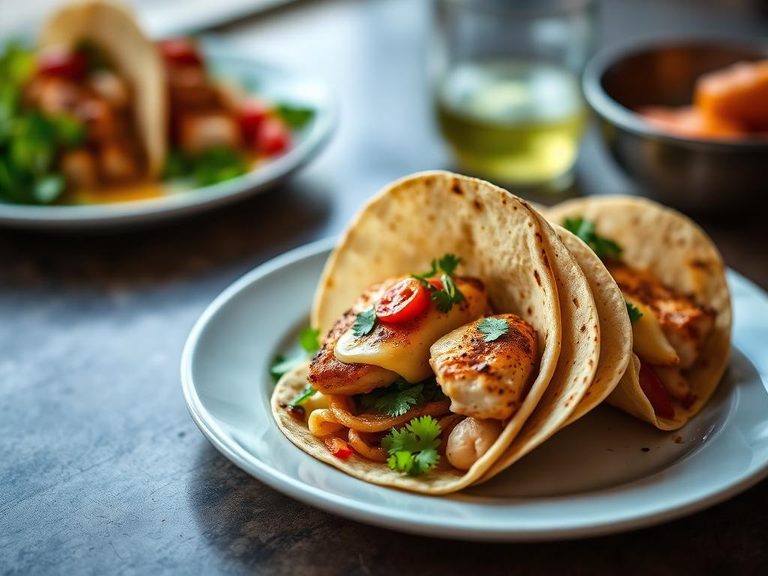
🍽️ Popular dishes
🌍 Where it's eaten
💡 Did you know?
Tilapia is one of the most farmed fish in the world and is sometimes nicknamed 'aquatic chicken' due to its mild taste, low cost, and widespread farming.
Full nutrition (USDA data · scales with serving)
| Water | 67.7 g |
| Energy | 160 kcal |
| Protein | 24.9 g |
| Total lipid (fat) | 6.7 g |
| Carbohydrate, by difference | 0.01 g |
| Fiber, total dietary | 0.00 g |
| Total Sugars | 0.01 g |
| Calcium, Ca | 13.0 mg |
| Iron, Fe | 0.70 mg |
| Magnesium, Mg | 34.0 mg |
| Phosphorus, P | 212 mg |
| Potassium, K | 376 mg |
| Sodium, Na | 280 mg |
| Zinc, Zn | 0.41 mg |
| Copper, Cu | 0.09 mg |
| Selenium, Se | 51.9 ug |
| Vitamin C, total ascorbic acid | 0.00 mg |
| Thiamin | 0.04 mg |
| Riboflavin | 0.07 mg |
| Niacin | 4.8 mg |
| Vitamin B-6 | 0.21 mg |
| Folate, total | 27.0 ug |
| Folic acid | 0.00 ug |
| Folate, food | 27.0 ug |
| Folate, DFE | 27.0 ug |
| Choline, total | 53.2 mg |
| Vitamin B-12 | 1.8 ug |
| Vitamin B-12, added | 0.00 ug |
| Vitamin A, RAE | 20.0 ug |
| Retinol | 19.0 ug |
| Carotene, beta | 9.0 ug |
| Carotene, alpha | 0.00 ug |
| Cryptoxanthin, beta | 0.00 ug |
| Lycopene | 0.00 ug |
| Lutein + zeaxanthin | 0.00 ug |
| Vitamin E (alpha-tocopherol) | 1.2 mg |
| Vitamin E, added | 0.00 mg |
| Vitamin D (D2 + D3) | 3.9 ug |
| Vitamin K (phylloquinone) | 5.5 ug |
| Alcohol, ethyl | 0.00 g |
| Caffeine | 0.00 mg |
| Theobromine | 0.00 mg |
Fat & fatty acid profile (per 100g)
| Fatty acids, total saturated | 1.9 g |
| SFA 4:0 | 0.03 g |
| SFA 6:0 | 0.02 g |
| SFA 8:0 | 0.01 g |
| SFA 10:0 | 0.03 g |
| SFA 12:0 | 0.04 g |
| SFA 14:0 | 0.18 g |
| SFA 16:0 | 1.2 g |
| SFA 18:0 | 0.38 g |
| Fatty acids, total monounsaturated | 2.2 g |
| MUFA 16:1 | 0.15 g |
| MUFA 18:1 | 2.0 g |
| MUFA 20:1 | 0.05 g |
| MUFA 22:1 | 0.00 g |
| Fatty acids, total polyunsaturated | 1.8 g |
| PUFA 18:2 | 1.4 g |
| PUFA 18:3 | 0.18 g |
| PUFA 18:4 | 0.00 g |
| PUFA 20:4 | 0.03 g |
| PUFA 20:5 n-3 (EPA) | 0.01 g |
| PUFA 22:5 n-3 (DPA) | 0.05 g |
| PUFA 22:6 n-3 (DHA) | 0.11 g |
| Cholesterol | 66.0 mg |
Amino acid profile (per 100g)
Estimated from Fish, fish sticks, frozen, prepared — USDA does not publish this profile for Fish.
| Tryptophan | 0.12 g |
| Threonine | 0.37 g |
| Isoleucine | 0.43 g |
| Leucine | 0.85 g |
| Lysine | 0.80 g |
| Methionine | 0.30 g |
| Phenylalanine | 0.47 g |
| Tyrosine | 0.29 g |
| Valine | 0.50 g |
| Arginine | 0.59 g |
| Histidine | 0.23 g |
| Alanine | 0.55 g |
| Aspartic acid | 0.82 g |
| Glutamic acid | 2.3 g |
| Glycine | 0.47 g |
| Proline | 0.78 g |
| Serine | 0.49 g |
| Hydroxyproline | 0.00 g |
FAQ
Is baked tilapia healthy?
Yes, it's a very healthy choice. It's low in calories and fat, high in protein, and provides important nutrients like selenium and B12. The baking method avoids adding excess fats.
How do I know when tilapia is done?
The fish is done when it turns opaque and flakes easily with a fork. The internal temperature should reach 145°F (63°C). Be careful not to overcook, as it can become dry.
What does tilapia taste like?
Tilapia has a very mild, slightly sweet flavor with a hint of earthiness. Its neutral taste makes it a great base for bold seasonings and sauces.
Nutrient density (calculated · NRF9.3)
Nutrient Rich Foods index: beneficial nutrients (protein, fiber, vitamins, minerals) minus saturated fat, added sugar & sodium, per 100 kcal.
NRF9.3 index — Fulgoni, Keast & Drewnowski, 2009. Computed from USDA nutrients.
Weight-loss friendliness (composite index)
Energy density 1.60 kcal/g · 62% calories from protein · 0.0 g fiber · 0.0 g sugar per 100 g.
Composite of energy density (Rolls et al., 1999), protein & fiber satiety, minus sugar. A calculated heuristic — ranks satiety-per-calorie, not a clinical measure.
Dietary load (calculated from USDA values)
Potential renal acid load. Positive = acid-forming, negative = alkaline-forming.
Sodium-to-potassium ratio: 0.74 (lower is better — aim for ≤ 1)
Sodium:potassium per WHO potassium guidance. Computed from USDA nutrients.