

Fish, pompano, fried
Common food

Photo: Wikipedia
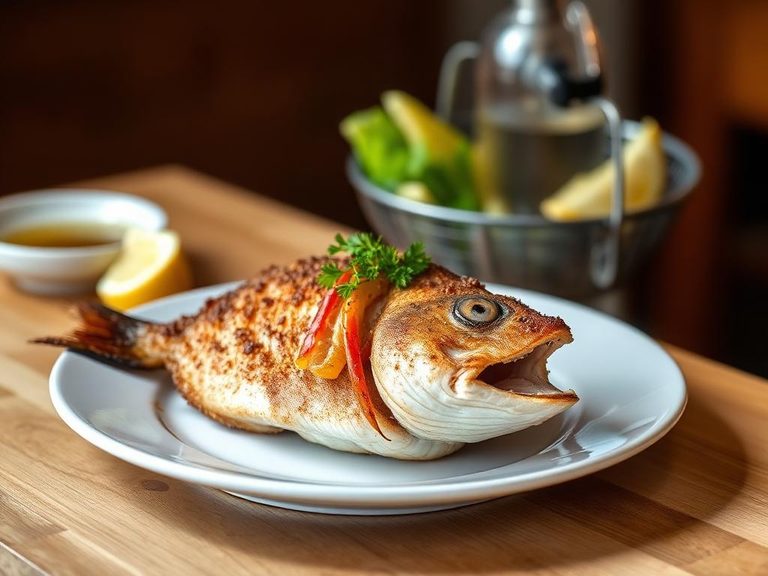
Fried pompano is a prized, whole fish known for its rich, buttery flavor and a tender, flaky texture that crisps beautifully when fried. Nutritionally, it's a solid source of protein and healthy fats, particularly omega-3s, with a moderate calorie count for a fried dish. Its naturally high fat content means it stays moist and flavorful even after cooking.
Calorie split: 22% protein · 16% carbs · 61% fat
↓ Full nutrition💚 Why it's loved
People love fried pompano for its luxurious, melt-in-your-mouth texture and deep, savory flavor that stands up beautifully to frying. It's a celebrated centerpiece in many coastal cuisines, often served whole for a dramatic and delicious presentation.
⚠️ Watch-outs & how to enjoy it better
As a fried food, it is higher in calories and fats, which may be a concern for those monitoring intake. The frying process can also generate advanced glycation end products (AGEs) and potentially oxidize the delicate fats. To counteract this, use a high-smoke-point oil, fry at the correct temperature to minimize absorption, and pair it with a large portion of acidic, fiber-rich vegetables like a vinegar-based slaw or a lemony salad to balance the meal.
Key benefits
- Excellent source of high-quality protein for muscle maintenance.
- Rich in heart-healthy omega-3 fatty acids (EPA and DHA).
- Provides essential minerals like selenium and phosphorus.
- Naturally high in monounsaturated fats, similar to olive oil.
- A whole, minimally processed food when fried simply.
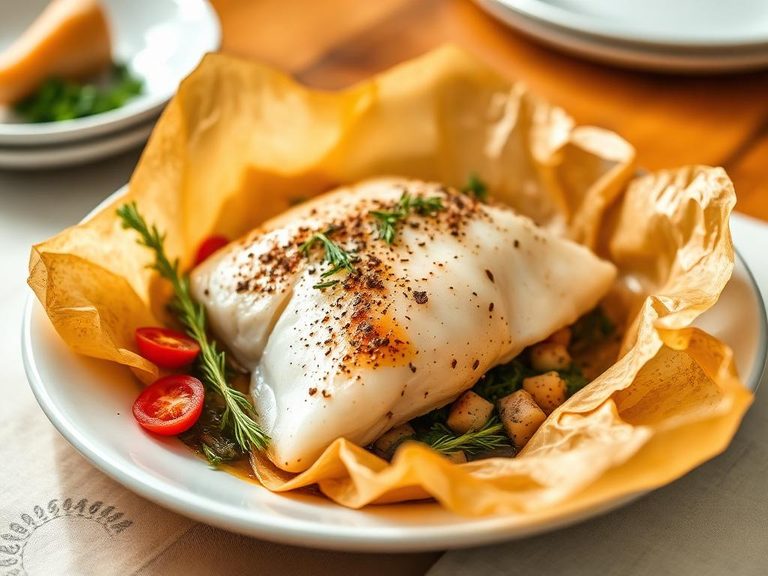
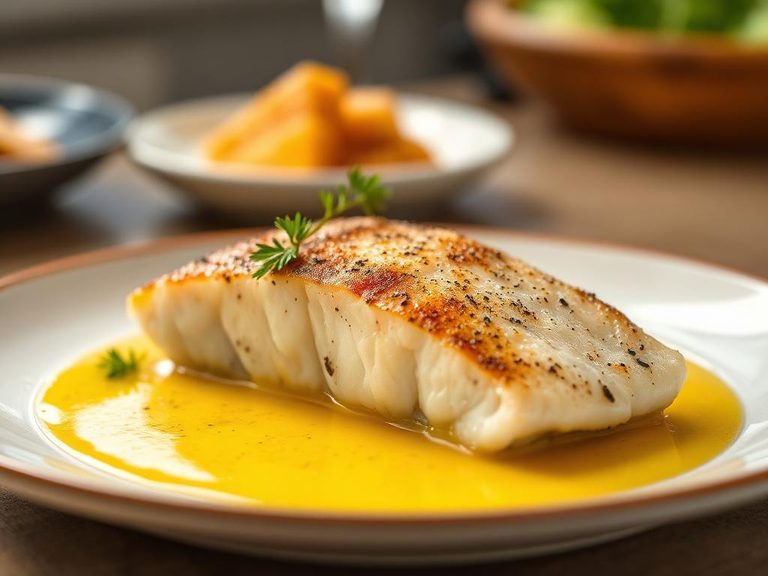
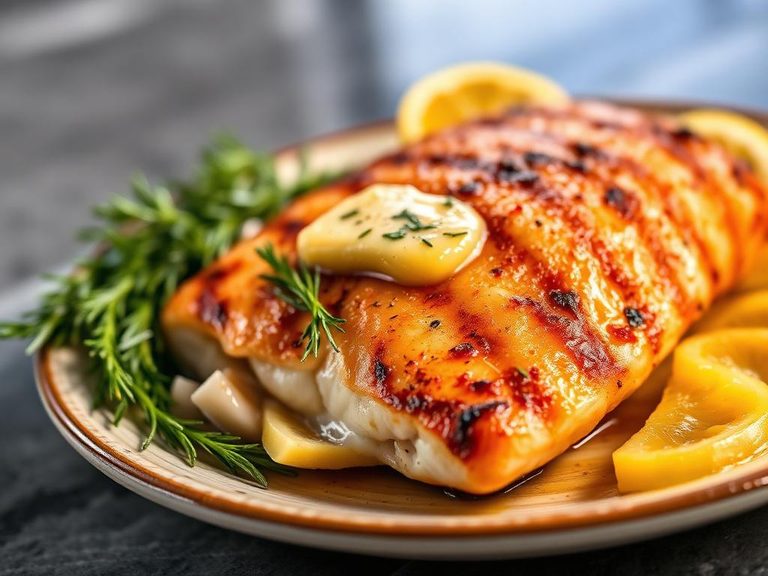
🍽️ Popular dishes
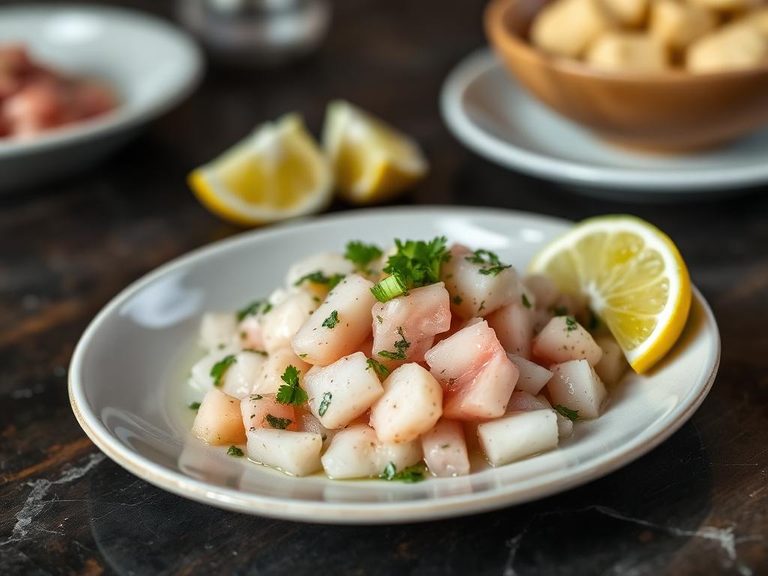
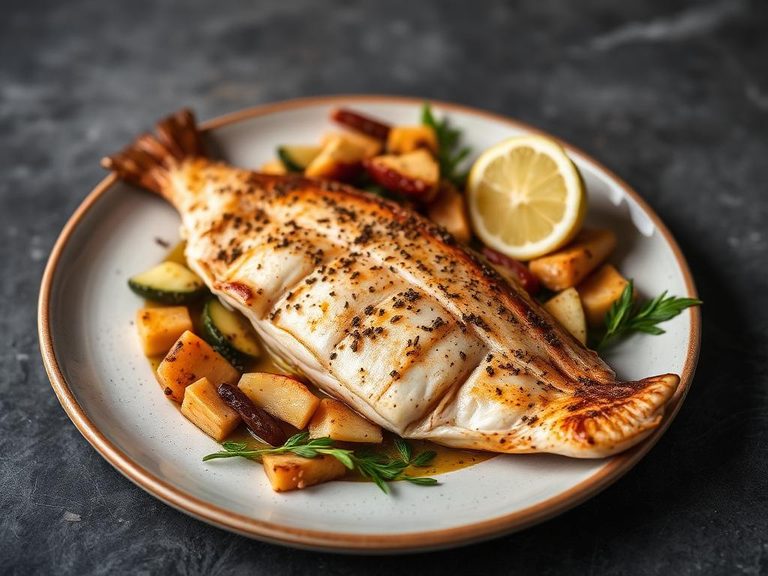
🌍 Where it's eaten
💡 Did you know?
The Florida pompano is so revered in its namesake state that it has an official state fish designation, but it's the 'common' pompano (Trachinotus carolinus) that is most frequently caught and eaten.
Full nutrition (USDA data · scales with serving)
| Water | 51.2 g |
| Energy | 289 kcal |
| Protein | 16.0 g |
| Total lipid (fat) | 19.4 g |
| Carbohydrate, by difference | 11.7 g |
| Fiber, total dietary | 0.50 g |
| Total Sugars | 0.20 g |
| Calcium, Ca | 31.0 mg |
| Iron, Fe | 1.4 mg |
| Magnesium, Mg | 25.0 mg |
| Phosphorus, P | 171 mg |
| Potassium, K | 314 mg |
| Sodium, Na | 393 mg |
| Zinc, Zn | 0.70 mg |
| Copper, Cu | 0.06 mg |
| Selenium, Se | 30.9 ug |
| Vitamin C, total ascorbic acid | 0.00 mg |
| Thiamin | 0.51 mg |
| Riboflavin | 0.16 mg |
| Niacin | 3.3 mg |
| Vitamin B-6 | 0.15 mg |
| Folate, total | 34.0 ug |
| Folic acid | 20.0 ug |
| Folate, food | 15.0 ug |
| Folate, DFE | 48.0 ug |
| Choline, total | 46.0 mg |
| Vitamin B-12 | 0.91 ug |
| Vitamin B-12, added | 0.00 ug |
| Vitamin A, RAE | 29.0 ug |
| Retinol | 29.0 ug |
| Carotene, beta | 0.00 ug |
| Carotene, alpha | 0.00 ug |
| Cryptoxanthin, beta | 0.00 ug |
| Lycopene | 0.00 ug |
| Lutein + zeaxanthin | 10.0 ug |
| Vitamin E (alpha-tocopherol) | 2.4 mg |
| Vitamin E, added | 0.00 mg |
| Vitamin D (D2 + D3) | 8.4 ug |
| Vitamin K (phylloquinone) | 12.0 ug |
| Alcohol, ethyl | 0.00 g |
| Caffeine | 0.00 mg |
| Theobromine | 0.00 mg |
Fat & fatty acid profile (per 100g)
| Fatty acids, total saturated | 4.3 g |
| SFA 4:0 | 0.00 g |
| SFA 6:0 | 0.00 g |
| SFA 8:0 | 0.00 g |
| SFA 10:0 | 0.00 g |
| SFA 12:0 | 0.00 g |
| SFA 14:0 | 0.32 g |
| SFA 16:0 | 2.9 g |
| SFA 18:0 | 0.99 g |
| Fatty acids, total monounsaturated | 7.0 g |
| MUFA 16:1 | 0.47 g |
| MUFA 18:1 | 6.5 g |
| MUFA 20:1 | 0.08 g |
| MUFA 22:1 | 0.00 g |
| Fatty acids, total polyunsaturated | 5.5 g |
| PUFA 18:2 | 4.2 g |
| PUFA 18:3 | 0.52 g |
| PUFA 18:4 | 0.00 g |
| PUFA 20:4 | 0.19 g |
| PUFA 20:5 n-3 (EPA) | 0.13 g |
| PUFA 22:5 n-3 (DPA) | 0.15 g |
| PUFA 22:6 n-3 (DHA) | 0.30 g |
| Cholesterol | 44.0 mg |
Amino acid profile (per 100g)
Estimated from Fish, fish sticks, frozen, prepared — USDA does not publish this profile for Fish.
| Tryptophan | 0.12 g |
| Threonine | 0.37 g |
| Isoleucine | 0.43 g |
| Leucine | 0.85 g |
| Lysine | 0.80 g |
| Methionine | 0.30 g |
| Phenylalanine | 0.47 g |
| Tyrosine | 0.29 g |
| Valine | 0.50 g |
| Arginine | 0.59 g |
| Histidine | 0.23 g |
| Alanine | 0.55 g |
| Aspartic acid | 0.82 g |
| Glutamic acid | 2.3 g |
| Glycine | 0.47 g |
| Proline | 0.78 g |
| Serine | 0.49 g |
| Hydroxyproline | 0.00 g |
FAQ
Is fried pompano a healthy choice?
It can be part of a healthy diet. Pompano itself is a fatty fish rich in beneficial omega-3s. The healthiness of the final dish depends heavily on the frying method—using fresh, clean oil at the right temperature and not over-frying helps. It's best enjoyed in moderation and balanced with vegetables.
How do you get crispy skin when frying pompano?
Pat the fish completely dry with paper towels before seasoning. Use a heavy-bottomed pan with enough oil to come about halfway up the fish. Ensure the oil is hot (around 350°F/175°C) before adding the fish, and don't move it until the skin releases easily, about 3-4 minutes.
What does pompano taste like?
Pompano has a mild, sweet, and rich flavor with a firm yet tender texture. It's often described as buttery or nutty, with less of a 'fishy' taste than many other species, making it appealing even to those who are cautious about seafood.
Nutrient density (calculated · NRF9.3)
Nutrient Rich Foods index: beneficial nutrients (protein, fiber, vitamins, minerals) minus saturated fat, added sugar & sodium, per 100 kcal.
NRF9.3 index — Fulgoni, Keast & Drewnowski, 2009. Computed from USDA nutrients.
Weight-loss friendliness (composite index)
Energy density 2.89 kcal/g · 22% calories from protein · 0.5 g fiber · 0.2 g sugar per 100 g.
Composite of energy density (Rolls et al., 1999), protein & fiber satiety, minus sugar. A calculated heuristic — ranks satiety-per-calorie, not a clinical measure.
Dietary load (calculated from USDA values)
Potential renal acid load. Positive = acid-forming, negative = alkaline-forming.
Sodium-to-potassium ratio: 1.25 (lower is better — aim for ≤ 1)
Sodium:potassium per WHO potassium guidance. Computed from USDA nutrients.