

Fish, anchovy
Common food

Photo: Wikipedia
Anchovies are small, silvery forage fish, typically cured in salt, that deliver an intensely savory, umami-rich flavor with a soft, melt-in-the-mouth texture. Despite their tiny size, they are a nutritional powerhouse, packed with high-quality protein and heart-healthy omega-3 fatty acids, while being virtually carb-free.
Calorie split: 57% protein · 0% carbs · 43% fat
↓ Full nutrition💚 Why it's loved
People love anchovies for their unparalleled ability to add a deep, savory complexity to dishes without a strong 'fishy' taste when cooked. Their versatility as a flavor base in sauces, dressings, and pastas, and their cultural significance in Mediterranean and Asian cuisines, make them a beloved pantry staple.
⚠️ Watch-outs & how to enjoy it better
The primary concern is their very high sodium content from the curing process, which can be problematic for those monitoring salt intake. To mitigate this, you can rinse fillets under water, soak them briefly, or choose 'salt-packed' varieties and rinse them yourself to control the salt level. They are also a common fish allergen.
Key benefits
- Excellent source of complete protein for muscle maintenance.
- Rich in omega-3 fatty acids (EPA & DHA) for heart and brain health.
- Provides significant amounts of vitamin B12 and niacin.
- High in selenium, a key antioxidant mineral.
- Naturally low in carbohydrates.
🍽️ Popular dishes
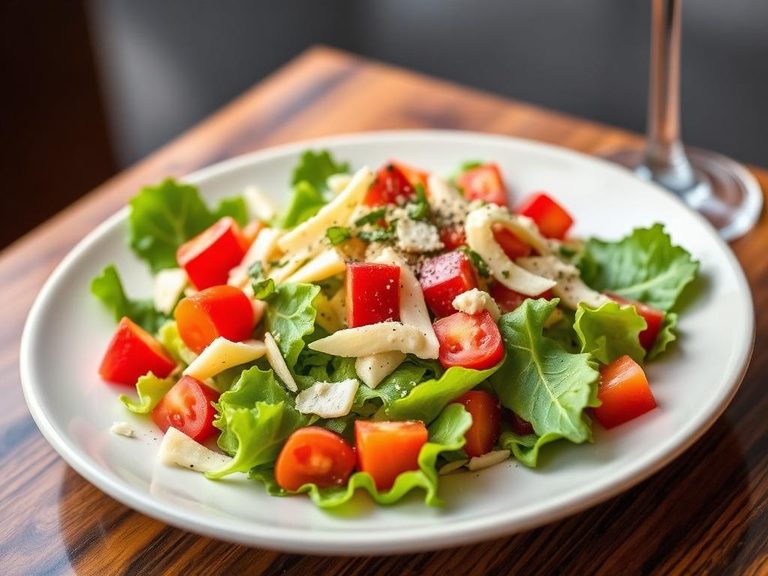
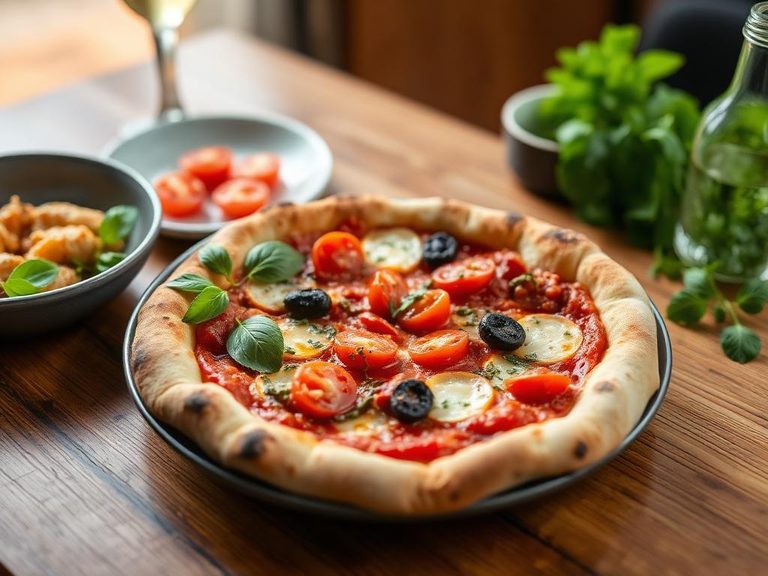
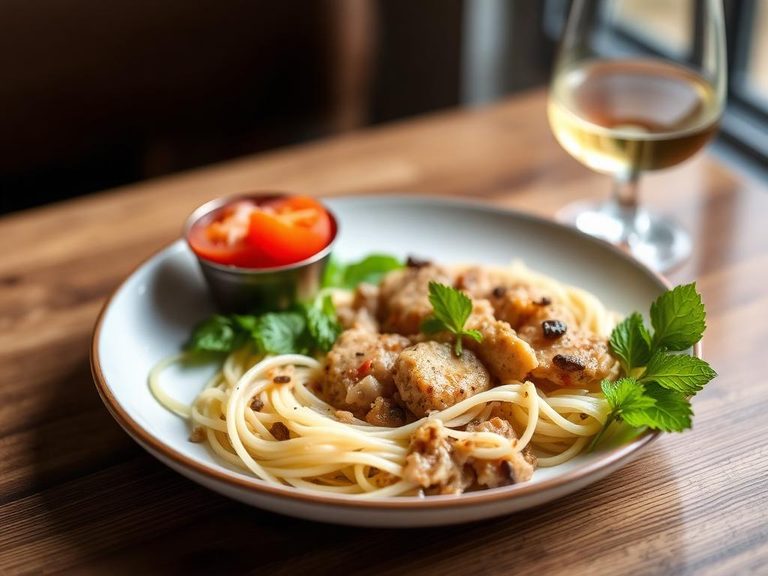
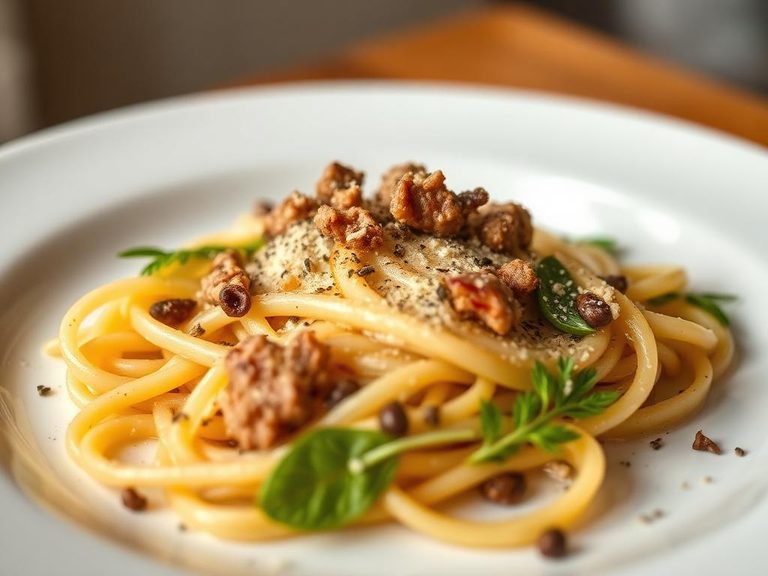
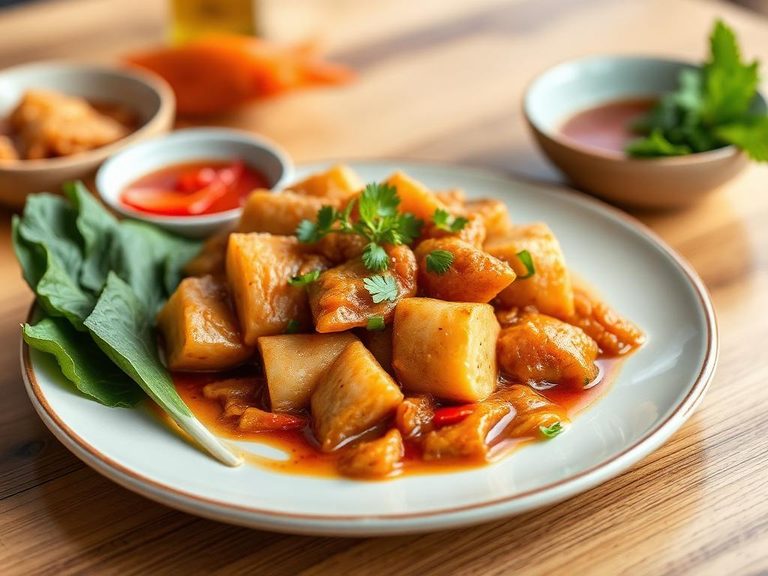
🌍 Where it's eaten
💡 Did you know?
The Worcestershire sauce, a cornerstone of British cuisine, gets its signature umami depth from a long fermentation of anchovies.
Full nutrition (USDA data · scales with serving)
| Water | 50.3 g |
| Energy | 210 kcal |
| Protein | 28.9 g |
| Total lipid (fat) | 9.7 g |
| Carbohydrate, by difference | 0.00 g |
| Fiber, total dietary | 0.00 g |
| Total Sugars | 0.00 g |
| Calcium, Ca | 232 mg |
| Iron, Fe | 4.6 mg |
| Magnesium, Mg | 69.0 mg |
| Phosphorus, P | 252 mg |
| Potassium, K | 544 mg |
| Sodium, Na | 3668 mg |
| Zinc, Zn | 2.4 mg |
| Copper, Cu | 0.34 mg |
| Selenium, Se | 68.1 ug |
| Vitamin C, total ascorbic acid | 0.00 mg |
| Thiamin | 0.08 mg |
| Riboflavin | 0.36 mg |
| Niacin | 19.9 mg |
| Vitamin B-6 | 0.20 mg |
| Folate, total | 13.0 ug |
| Folic acid | 0.00 ug |
| Folate, food | 13.0 ug |
| Folate, DFE | 13.0 ug |
| Choline, total | 85.0 mg |
| Vitamin B-12 | 0.88 ug |
| Vitamin B-12, added | 0.00 ug |
| Vitamin A, RAE | 12.0 ug |
| Retinol | 12.0 ug |
| Carotene, beta | 0.00 ug |
| Carotene, alpha | 0.00 ug |
| Cryptoxanthin, beta | 0.00 ug |
| Lycopene | 0.00 ug |
| Lutein + zeaxanthin | 0.00 ug |
| Vitamin E (alpha-tocopherol) | 3.3 mg |
| Vitamin E, added | 0.00 mg |
| Vitamin D (D2 + D3) | 1.7 ug |
| Vitamin K (phylloquinone) | 12.1 ug |
| Alcohol, ethyl | 0.00 g |
| Caffeine | 0.00 mg |
| Theobromine | 0.00 mg |
Fat & fatty acid profile (per 100g)
| Fatty acids, total saturated | 2.2 g |
| SFA 4:0 | 0.00 g |
| SFA 6:0 | 0.00 g |
| SFA 8:0 | 0.00 g |
| SFA 10:0 | 0.00 g |
| SFA 12:0 | 0.02 g |
| SFA 14:0 | 0.43 g |
| SFA 16:0 | 1.3 g |
| SFA 18:0 | 0.42 g |
| Fatty acids, total monounsaturated | 3.8 g |
| MUFA 16:1 | 0.59 g |
| MUFA 18:1 | 2.9 g |
| MUFA 20:1 | 0.01 g |
| MUFA 22:1 | 0.16 g |
| Fatty acids, total polyunsaturated | 2.6 g |
| PUFA 18:2 | 0.36 g |
| PUFA 18:3 | 0.02 g |
| PUFA 18:4 | 0.08 g |
| PUFA 20:4 | 0.01 g |
| PUFA 20:5 n-3 (EPA) | 0.76 g |
| PUFA 22:5 n-3 (DPA) | 0.04 g |
| PUFA 22:6 n-3 (DHA) | 1.3 g |
| Cholesterol | 85.0 mg |
Amino acid profile (per 100g)
Estimated from Fish, fish sticks, frozen, prepared — USDA does not publish this profile for Fish.
| Tryptophan | 0.12 g |
| Threonine | 0.37 g |
| Isoleucine | 0.43 g |
| Leucine | 0.85 g |
| Lysine | 0.80 g |
| Methionine | 0.30 g |
| Phenylalanine | 0.47 g |
| Tyrosine | 0.29 g |
| Valine | 0.50 g |
| Arginine | 0.59 g |
| Histidine | 0.23 g |
| Alanine | 0.55 g |
| Aspartic acid | 0.82 g |
| Glutamic acid | 2.3 g |
| Glycine | 0.47 g |
| Proline | 0.78 g |
| Serine | 0.49 g |
| Hydroxyproline | 0.00 g |
FAQ
Do anchovies taste very fishy?
When used in cooking, the intense flavor mellows and transforms into a rich, savory, almost meaty umami depth that enhances other ingredients rather than tasting overtly 'fishy'.
What's the difference between salt-packed and oil-packed anchovies?
Salt-packed anchovies are cured in salt and must be rinsed and filleted before use, offering more control over saltiness. Oil-packed anchovies are ready to eat, softer, and milder in flavor.
Are anchovies sustainable?
Sustainability varies by region and fishing method. Look for anchovies certified by organizations like the Marine Stewardship Council (MSC) or from well-managed fisheries in the Pacific (e.g., Peru, Chile).
Nutrient density (calculated · NRF9.3)
Nutrient Rich Foods index: beneficial nutrients (protein, fiber, vitamins, minerals) minus saturated fat, added sugar & sodium, per 100 kcal.
NRF9.3 index — Fulgoni, Keast & Drewnowski, 2009. Computed from USDA nutrients.
Weight-loss friendliness (composite index)
Energy density 2.10 kcal/g · 55% calories from protein · 0.0 g fiber · 0.0 g sugar per 100 g.
Composite of energy density (Rolls et al., 1999), protein & fiber satiety, minus sugar. A calculated heuristic — ranks satiety-per-calorie, not a clinical measure.
Dietary load (calculated from USDA values)
Potential renal acid load. Positive = acid-forming, negative = alkaline-forming.
Sodium-to-potassium ratio: 6.74 (lower is better — aim for ≤ 1)
Sodium:potassium per WHO potassium guidance. Computed from USDA nutrients.