

Cream, half and half
Common food
Half and half is a simple, equal-parts blend of whole milk and light cream, creating a liquid that's richer than milk but lighter than heavy cream. It has a smooth, pourable texture and a clean, mildly sweet dairy flavor that adds a luxurious creaminess without overwhelming a dish. Nutritionally, it's a moderate source of fat and calories, offering a significant calcium boost.
Calorie split: 9% protein · 13% carbs · 78% fat
↓ Full nutrition💚 Why it's loved
People love half and half for its perfect middle ground—it instantly elevates coffee, soups, and sauces with a rich, velvety texture without the heaviness or high fat content of pure cream. It's a staple of comfort and convenience, beloved in American coffee culture and as a kitchen workhorse for creating creamy dishes.
⚠️ Watch-outs & how to enjoy it better
As a dairy product, it's high in saturated fat and contains lactose, which can be problematic for those with lactose intolerance or watching their saturated fat intake. To enjoy it mindfully, use it sparingly as a flavor enhancer rather than a main ingredient, and opt for lactose-free versions if sensitive. Pairing it with fiber-rich foods like whole-grain toast can help moderate its impact on blood sugar.
Key benefits
- Provides a good source of calcium for bone health.
- Offers a balance of protein and fat for satiety.
- A versatile, lower-fat alternative to heavy cream in recipes.
- Contains vitamin D, often added to dairy products.
- Enhances the texture and mouthfeel of beverages and sauces.
🍽️ Popular dishes


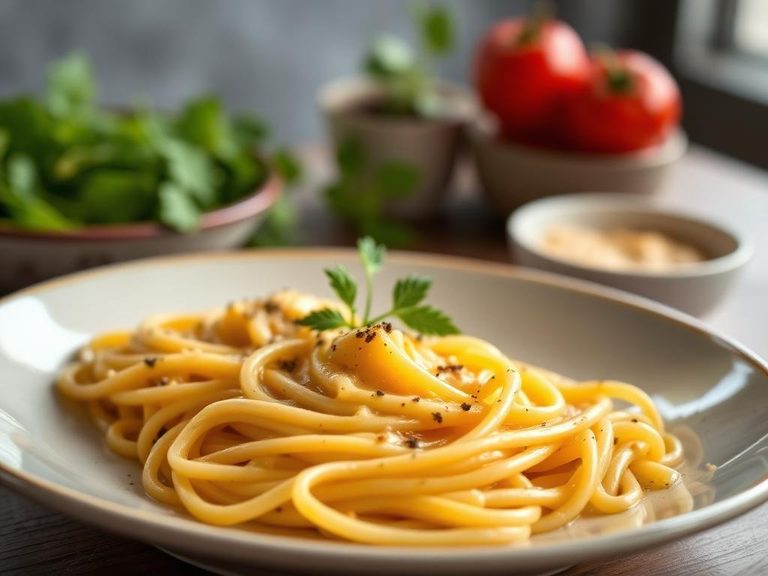

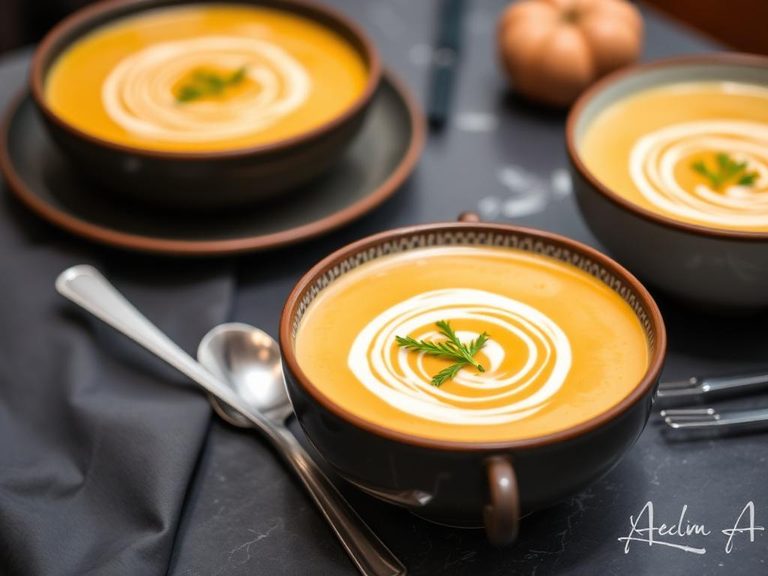
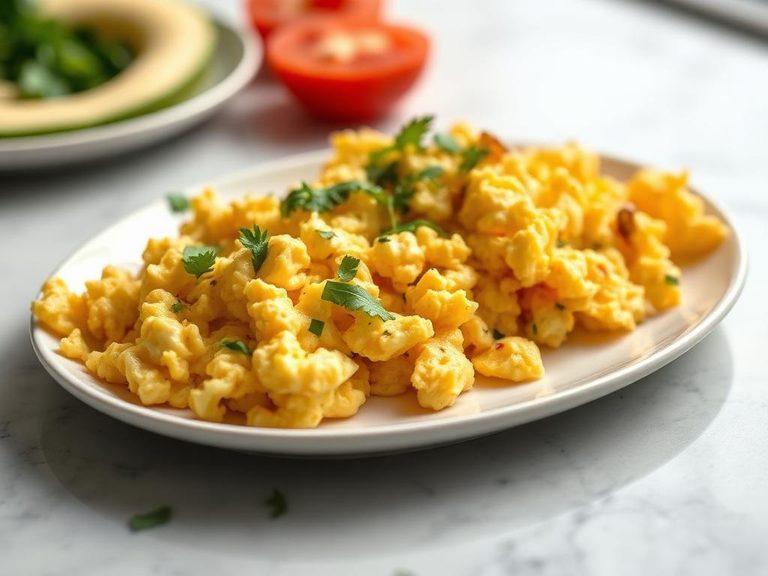
🌍 Where it's eaten
💡 Did you know?
The term 'half and half' is legally defined by the U.S. FDA as a mixture containing between 10.5% and 18% milkfat, making its composition a matter of federal regulation.
Full nutrition (USDA data · scales with serving)
| Water | 80.6 g |
| Energy | 131 kcal |
| Protein | 3.1 g |
| Total lipid (fat) | 11.5 g |
| Carbohydrate, by difference | 4.3 g |
| Fiber, total dietary | 0.00 g |
| Total Sugars | 4.1 g |
| Calcium, Ca | 107 mg |
| Iron, Fe | 0.05 mg |
| Magnesium, Mg | 10.0 mg |
| Phosphorus, P | 95.0 mg |
| Potassium, K | 132 mg |
| Sodium, Na | 61.0 mg |
| Zinc, Zn | 0.39 mg |
| Copper, Cu | 0.01 mg |
| Selenium, Se | 3.2 ug |
| Vitamin C, total ascorbic acid | 0.90 mg |
| Thiamin | 0.03 mg |
| Riboflavin | 0.19 mg |
| Niacin | 0.11 mg |
| Vitamin B-6 | 0.05 mg |
| Folate, total | 3.0 ug |
| Folic acid | 0.00 ug |
| Folate, food | 3.0 ug |
| Folate, DFE | 3.0 ug |
| Choline, total | 18.7 mg |
| Vitamin B-12 | 0.19 ug |
| Vitamin B-12, added | 0.00 ug |
| Vitamin A, RAE | 97.0 ug |
| Retinol | 95.0 ug |
| Carotene, beta | 22.0 ug |
| Carotene, alpha | 0.00 ug |
| Cryptoxanthin, beta | 0.00 ug |
| Lycopene | 0.00 ug |
| Lutein + zeaxanthin | 0.00 ug |
| Vitamin E (alpha-tocopherol) | 0.25 mg |
| Vitamin E, added | 0.00 mg |
| Vitamin D (D2 + D3) | 0.00 ug |
| Vitamin K (phylloquinone) | 1.3 ug |
| Alcohol, ethyl | 0.00 g |
| Caffeine | 0.00 mg |
| Theobromine | 0.00 mg |
Fat & fatty acid profile (per 100g)
| Fatty acids, total saturated | 7.0 g |
| SFA 4:0 | 0.25 g |
| SFA 6:0 | 0.20 g |
| SFA 8:0 | 0.13 g |
| SFA 10:0 | 0.30 g |
| SFA 12:0 | 0.35 g |
| SFA 14:0 | 1.1 g |
| SFA 16:0 | 3.2 g |
| SFA 18:0 | 1.2 g |
| Fatty acids, total monounsaturated | 3.3 g |
| MUFA 16:1 | 0.25 g |
| MUFA 18:1 | 2.9 g |
| MUFA 20:1 | 0.02 g |
| MUFA 22:1 | 0.00 g |
| Fatty acids, total polyunsaturated | 0.55 g |
| PUFA 18:2 | 0.47 g |
| PUFA 18:3 | 0.04 g |
| PUFA 18:4 | 0.00 g |
| PUFA 20:4 | 0.02 g |
| PUFA 20:5 n-3 (EPA) | 0.00 g |
| PUFA 22:5 n-3 (DPA) | 0.01 g |
| PUFA 22:6 n-3 (DHA) | 0.00 g |
| Cholesterol | 35.0 mg |
Amino acid profile (per 100g)
Estimated from Cream, fluid, light (coffee cream or table cream) — USDA does not publish this profile for Cream.
| Tryptophan | 0.07 g |
| Threonine | 0.13 g |
| Isoleucine | 0.15 g |
| Leucine | 0.24 g |
| Lysine | 0.13 g |
| Methionine | 0.07 g |
| Cystine | 0.01 g |
| Phenylalanine | 0.14 g |
| Tyrosine | 0.14 g |
| Valine | 0.18 g |
| Arginine | 0.07 g |
| Histidine | 0.07 g |
| Alanine | 0.09 g |
| Aspartic acid | 0.22 g |
| Glutamic acid | 0.59 g |
| Glycine | 0.07 g |
| Proline | 0.31 g |
| Serine | 0.10 g |
FAQ
What is the difference between half and half, light cream, and heavy cream?
The difference is milkfat content. Half and half is 10.5-18% fat, light cream is 18-30% fat, and heavy cream (or heavy whipping cream) is 36% or more fat. This affects richness, whipping ability, and cooking stability.
Can I substitute half and half for heavy cream in a recipe?
It depends. For adding creaminess to coffee, soups, or sauces, yes. However, it won't whip into stiff peaks like heavy cream due to its lower fat content, and sauces may be thinner. For baking, it can alter the texture and moisture of the final product.
Is half and half the same as 'light cream'?
No. In the U.S., 'light cream' typically has a higher fat content (18-30%) than half and half (10.5-18%). Half and half is specifically a blend of milk and cream, while light cream is a single dairy product.
Nutrient density (calculated · NRF9.3)
Nutrient Rich Foods index: beneficial nutrients (protein, fiber, vitamins, minerals) minus saturated fat, added sugar & sodium, per 100 kcal.
NRF9.3 index — Fulgoni, Keast & Drewnowski, 2009. Computed from USDA nutrients.
Weight-loss friendliness (composite index)
Energy density 1.31 kcal/g · 10% calories from protein · 0.0 g fiber · 4.1 g sugar per 100 g.
Composite of energy density (Rolls et al., 1999), protein & fiber satiety, minus sugar. A calculated heuristic — ranks satiety-per-calorie, not a clinical measure.
Dietary load (calculated from USDA values)
Potential renal acid load. Positive = acid-forming, negative = alkaline-forming.
Sodium-to-potassium ratio: 0.46 (lower is better — aim for ≤ 1)
Sodium:potassium per WHO potassium guidance. Computed from USDA nutrients.