

Coffee, brewed, blend of regular and decaffeinated
Common food
A smooth, balanced brew that marries the robust character of regular coffee with the mellow, rounded notes of decaffeinated beans. It delivers the classic aromatic experience and mouthfeel of coffee with a gentler caffeine profile. Nutritionally, it is virtually a zero-calorie beverage, contributing negligible protein, fat, or carbohydrates.
Calorie split: 83% protein · 0% carbs · 17% fat
↓ Full nutrition💚 Why it's loved
People love this blend for offering the familiar, comforting ritual and rich flavor of coffee without the full intensity of caffeine, making it a versatile choice for any time of day. It fits seamlessly into social and solo moments, from morning routines to afternoon breaks.
⚠️ Watch-outs & how to enjoy it better
The decaffeination process can slightly alter the flavor profile, which some purists may find less vibrant. For those sensitive to caffeine, even the small amount in decaf can cause jitters, and it may still trigger acid reflux in some individuals. To counteract, consume with food, avoid on an empty stomach, and monitor personal tolerance.
Key benefits
- Provides a gentler caffeine boost than fully caffeinated blends.
- Contains antioxidants like chlorogenic acids from coffee beans.
- Extremely low in calories, making it suitable for most diets.
- Can be enjoyed later in the day with less risk of sleep disruption.
🍽️ Popular dishes
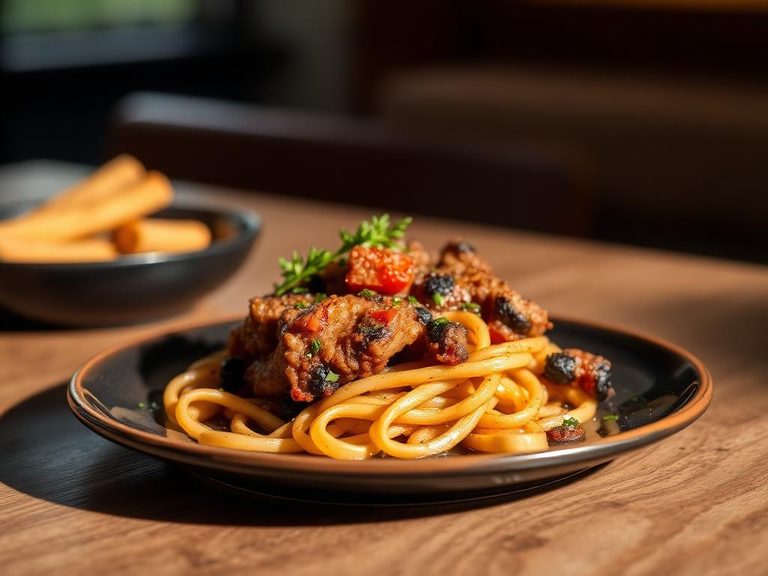
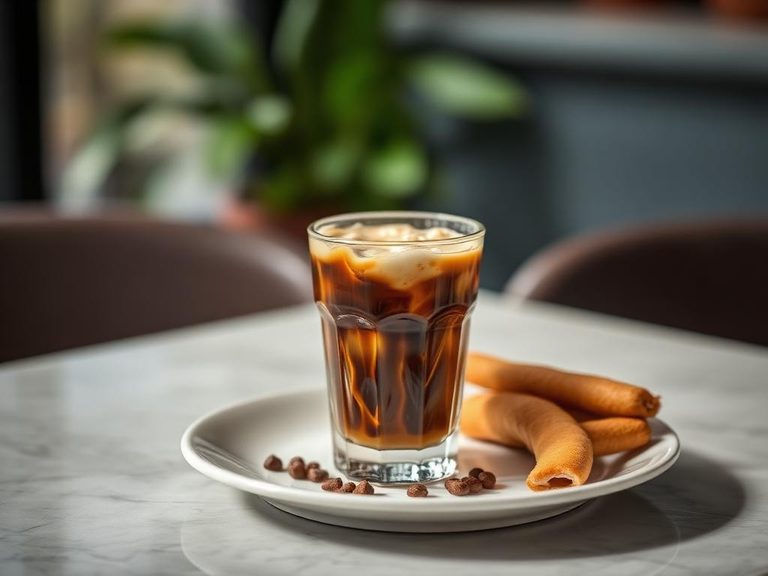
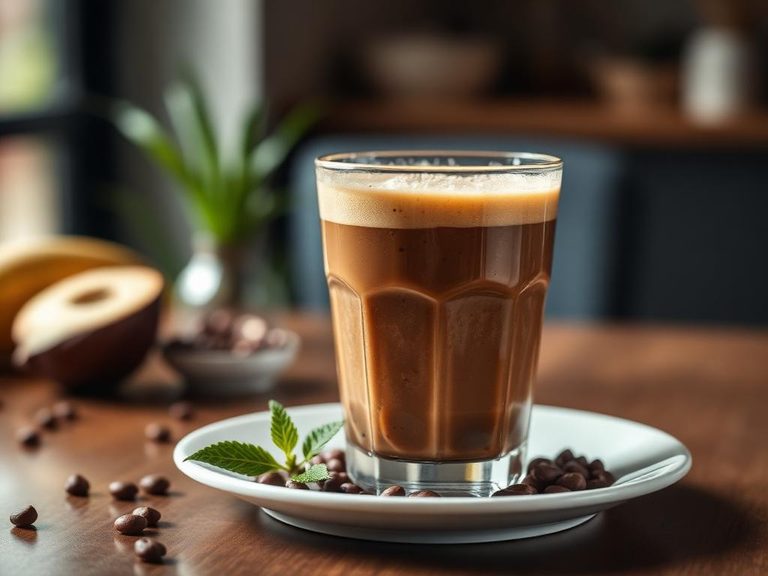

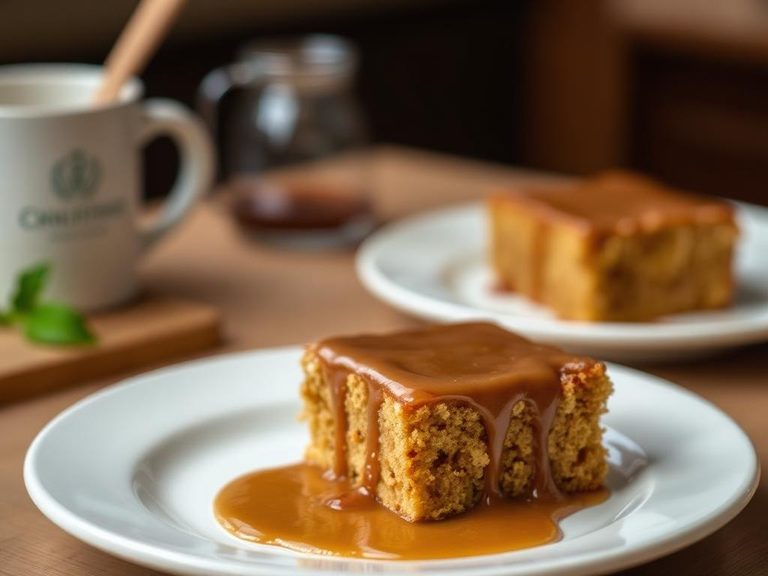
🌍 Where it's eaten
💡 Did you know?
The term 'decaf' was first used commercially in 1906, and early methods involved using benzene as a solvent—a practice long since abandoned for safer techniques like the Swiss Water Process.
Full nutrition (USDA data · scales with serving)
| Water | 99.3 g |
| Energy | 0.00 kcal |
| Protein | 0.11 g |
| Total lipid (fat) | 0.01 g |
| Carbohydrate, by difference | 0.00 g |
| Fiber, total dietary | 0.00 g |
| Total Sugars | 0.00 g |
| Calcium, Ca | 2.0 mg |
| Iron, Fe | 0.03 mg |
| Magnesium, Mg | 4.0 mg |
| Phosphorus, P | 2.0 mg |
| Potassium, K | 52.0 mg |
| Sodium, Na | 2.0 mg |
| Zinc, Zn | 0.02 mg |
| Copper, Cu | 0.01 mg |
| Selenium, Se | 0.00 ug |
| Vitamin C, total ascorbic acid | 0.00 mg |
| Thiamin | 0.01 mg |
| Riboflavin | 0.04 mg |
| Niacin | 0.21 mg |
| Vitamin B-6 | 0.00 mg |
| Folate, total | 1.0 ug |
| Folic acid | 0.00 ug |
| Folate, food | 1.0 ug |
| Folate, DFE | 1.0 ug |
| Choline, total | 1.8 mg |
| Vitamin B-12 | 0.00 ug |
| Vitamin B-12, added | 0.00 ug |
| Vitamin A, RAE | 0.00 ug |
| Retinol | 0.00 ug |
| Carotene, beta | 0.00 ug |
| Carotene, alpha | 0.00 ug |
| Cryptoxanthin, beta | 0.00 ug |
| Lycopene | 0.00 ug |
| Lutein + zeaxanthin | 0.00 ug |
| Vitamin E (alpha-tocopherol) | 0.00 mg |
| Vitamin E, added | 0.00 mg |
| Vitamin D (D2 + D3) | 0.00 ug |
| Vitamin K (phylloquinone) | 0.10 ug |
| Alcohol, ethyl | 0.00 g |
| Caffeine | 20.0 mg |
| Theobromine | 0.00 mg |
Fat & fatty acid profile (per 100g)
| Fatty acids, total saturated | 0.00 g |
| SFA 4:0 | 0.00 g |
| SFA 6:0 | 0.00 g |
| SFA 8:0 | 0.00 g |
| SFA 10:0 | 0.00 g |
| SFA 12:0 | 0.00 g |
| SFA 14:0 | 0.00 g |
| SFA 16:0 | 0.00 g |
| SFA 18:0 | 0.00 g |
| Fatty acids, total monounsaturated | 0.01 g |
| MUFA 16:1 | 0.00 g |
| MUFA 18:1 | 0.00 g |
| MUFA 20:1 | 0.00 g |
| MUFA 22:1 | 0.00 g |
| Fatty acids, total polyunsaturated | 0.00 g |
| PUFA 18:2 | 0.00 g |
| PUFA 18:3 | 0.00 g |
| PUFA 18:4 | 0.00 g |
| PUFA 20:4 | 0.00 g |
| PUFA 20:5 n-3 (EPA) | 0.00 g |
| PUFA 22:5 n-3 (DPA) | 0.00 g |
| PUFA 22:6 n-3 (DHA) | 0.00 g |
| Cholesterol | 0.00 mg |
Amino acid profile (per 100g)
Estimated from Cream, fluid, light (coffee cream or table cream) — USDA does not publish this profile for Coffee.
| Tryptophan | 0.07 g |
| Threonine | 0.13 g |
| Isoleucine | 0.15 g |
| Leucine | 0.24 g |
| Lysine | 0.13 g |
| Methionine | 0.07 g |
| Cystine | 0.01 g |
| Phenylalanine | 0.14 g |
| Tyrosine | 0.14 g |
| Valine | 0.18 g |
| Arginine | 0.07 g |
| Histidine | 0.07 g |
| Alanine | 0.09 g |
| Aspartic acid | 0.22 g |
| Glutamic acid | 0.59 g |
| Glycine | 0.07 g |
| Proline | 0.31 g |
| Serine | 0.10 g |
FAQ
Is there any caffeine in a regular/decaf blend?
Yes. Decaffeination removes most but not all caffeine. A typical 8 oz cup of decaf contains 2-15 mg, compared to 80-100 mg in regular coffee. A blend will have a reduced but non-zero amount.
Does the blend taste different from 100% regular coffee?
It can. The decaffeination process may slightly soften the flavor, resulting in a milder, sometimes less acidic cup. However, high-quality blends are crafted to maintain a rich, full-bodied taste.
Is this blend suitable for a low-acid diet?
It may be a better option than strong regular coffee, as decaf often has slightly lower acidity. However, individual tolerance varies, and brewing method (e.g., cold brew) has a greater impact on acidity.
Dietary load (calculated from USDA values)
Potential renal acid load. Positive = acid-forming, negative = alkaline-forming.
Sodium-to-potassium ratio: 0.04 (lower is better — aim for ≤ 1)
Sodium:potassium per WHO potassium guidance. Computed from USDA nutrients.