

Chard, swiss, raw
Whole food · Vegetables and Vegetable Products

Photo: Wikipedia
Swiss chard is a vibrant leafy green with large, crinkled leaves and thick, colorful stalks that range from white to yellow, red, or pink. Its taste is mildly earthy and slightly salty, with a tender yet crisp texture when raw, offering a subtle bitterness that mellows when cooked. Nutritionally, it's a powerhouse, packing a notable amount of vitamins K and A, along with magnesium and iron, all for just 19 calories per 100 grams.
Calorie split: 30% protein · 62% carbs · 8% fat
↓ Full nutrition💚 Why it's loved
People love Swiss chard for its beautiful, rainbow-colored stems and its versatile, mild flavor that pairs well with garlic, lemon, and olive oil. It's a staple in Mediterranean and farm-to-table cooking, appreciated for its ability to add both nutrition and visual appeal to salads, sautés, and soups.
⚠️ Watch-outs & how to enjoy it better
Swiss chard contains oxalates, which can contribute to kidney stones in susceptible individuals, and its high vitamin K content may interfere with blood-thinning medications. To counteract oxalates, you can blanch or steam the leaves before eating, and to manage vitamin K intake, maintain consistent consumption and consult a healthcare provider if on anticoagulants.
Key benefits
- Rich in vitamin K, essential for blood clotting and bone health.
- Good source of vitamin A, supporting vision and immune function.
- Provides magnesium for muscle and nerve function.
- High in fiber, aiding digestion and promoting satiety.
- Contains antioxidants like lutein and zeaxanthin.
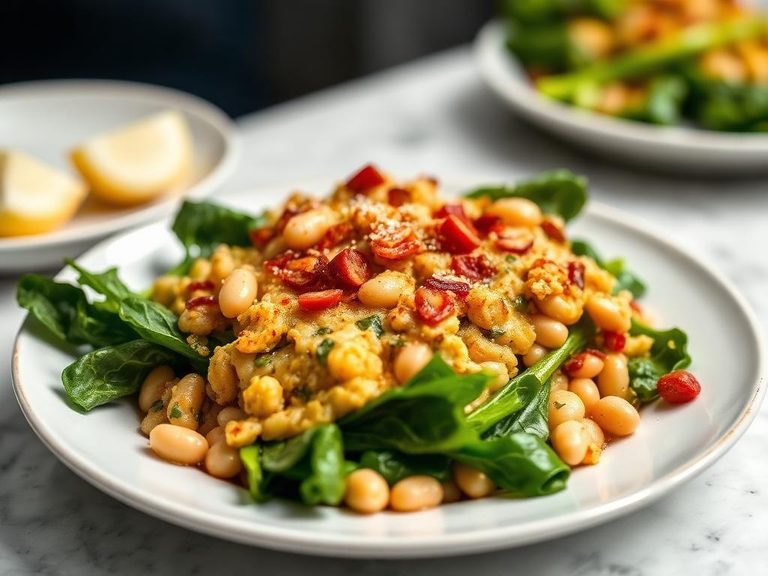
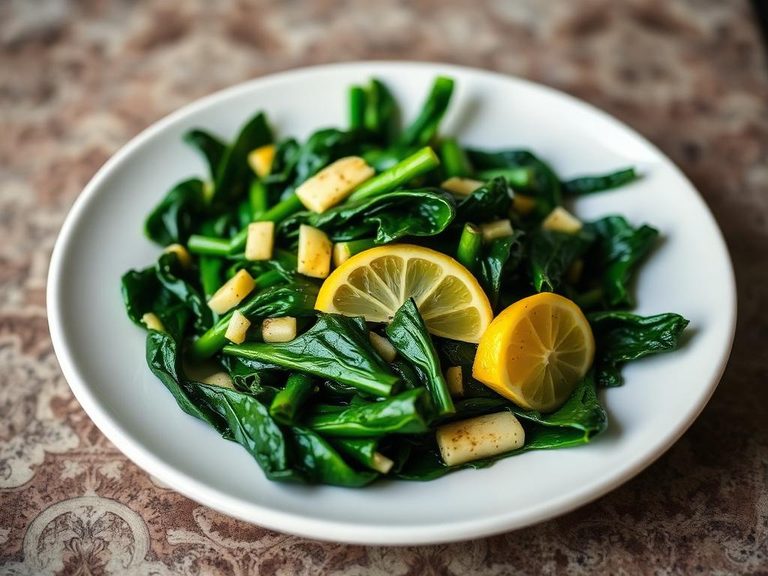
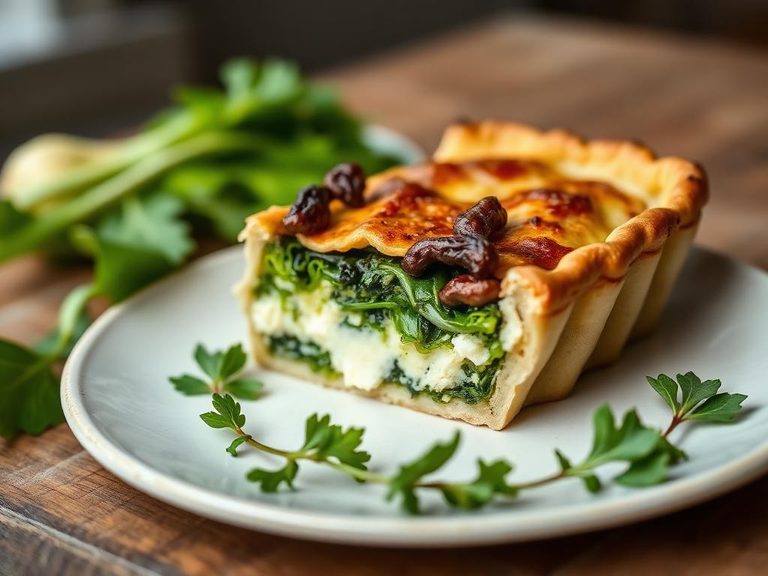
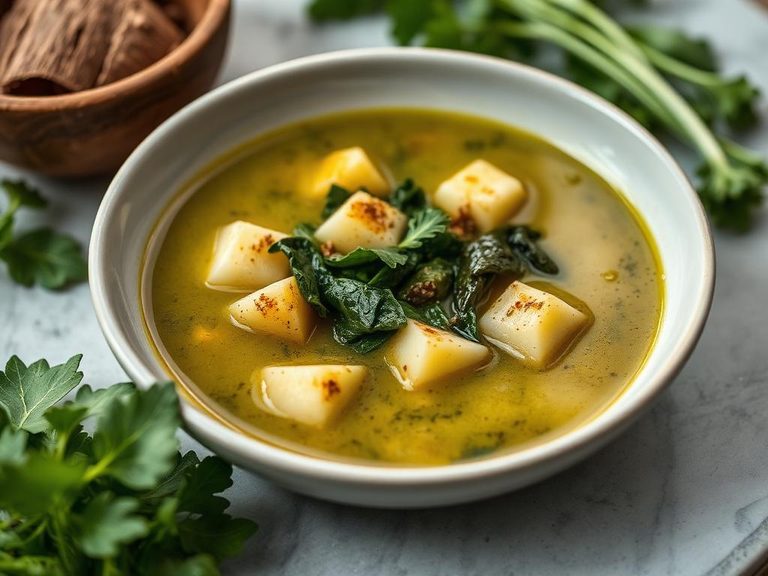
🍽️ Popular dishes
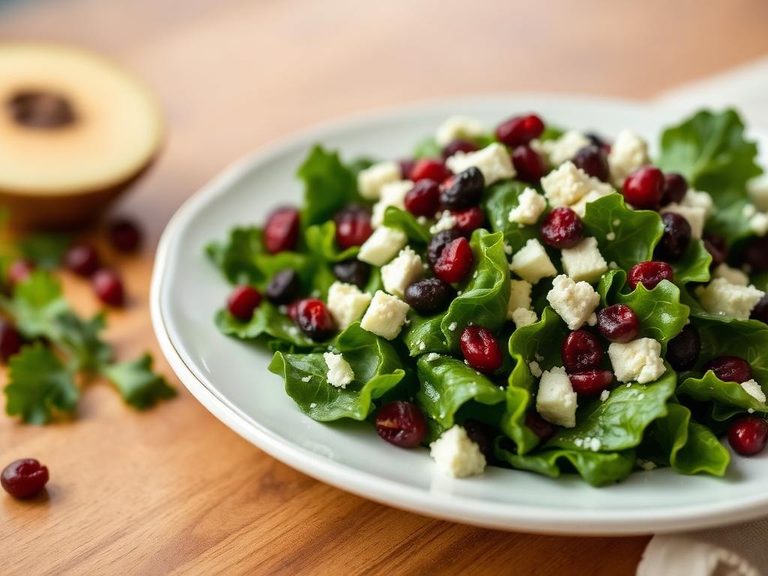
🌍 Where it's eaten
💡 Did you know?
Swiss chard is not actually from Switzerland; it's a variety of the beet family (Beta vulgaris) that was first cultivated in the Mediterranean region, and the name 'Swiss' likely refers to its popularity in Swiss cuisine.
Full nutrition (USDA data · scales with serving)
| Water | 92.7 g |
| Energy | 19.0 kcal |
| Energy | 79.0 kj |
| Protein | 1.8 g |
| Total lipid (fat) | 0.20 g |
| Ash | 1.6 g |
| Carbohydrate, by difference | 3.7 g |
| Fiber, total dietary | 1.6 g |
| Total Sugars | 1.1 g |
| Calcium, Ca | 51.0 mg |
| Iron, Fe | 1.8 mg |
| Magnesium, Mg | 81.0 mg |
| Phosphorus, P | 46.0 mg |
| Potassium, K | 379 mg |
| Sodium, Na | 213 mg |
| Zinc, Zn | 0.36 mg |
| Copper, Cu | 0.18 mg |
| Manganese, Mn | 0.37 mg |
| Selenium, Se | 0.90 ug |
| Vitamin C, total ascorbic acid | 30.0 mg |
| Thiamin | 0.04 mg |
| Riboflavin | 0.09 mg |
| Niacin | 0.40 mg |
| Pantothenic acid | 0.17 mg |
| Vitamin B-6 | 0.10 mg |
| Folate, total | 14.0 ug |
| Folic acid | 0.00 ug |
| Folate, food | 14.0 ug |
| Folate, DFE | 14.0 ug |
| Choline, total | 18.0 mg |
| Betaine | 0.30 mg |
| Vitamin B-12 | 0.00 ug |
| Vitamin B-12, added | 0.00 ug |
| Vitamin A, RAE | 306 ug |
| Retinol | 0.00 ug |
| Carotene, beta | 3647 ug |
| Carotene, alpha | 45.0 ug |
| Cryptoxanthin, beta | 0.00 ug |
| Vitamin A, IU | 6116 iu |
| Lycopene | 0.00 ug |
| Lutein + zeaxanthin | 11000 ug |
| Vitamin E (alpha-tocopherol) | 1.9 mg |
| Vitamin E, added | 0.00 mg |
| Vitamin D (D2 + D3), International Units | 0.00 iu |
| Vitamin D (D2 + D3) | 0.00 ug |
| Vitamin K (phylloquinone) | 830 ug |
| Alcohol, ethyl | 0.00 g |
| Caffeine | 0.00 mg |
| Theobromine | 0.00 mg |
Fat & fatty acid profile (per 100g)
| Fatty acids, total saturated | 0.03 g |
| SFA 4:0 | 0.00 g |
| SFA 6:0 | 0.00 g |
| SFA 8:0 | 0.00 g |
| SFA 10:0 | 0.00 g |
| SFA 12:0 | 0.00 g |
| SFA 14:0 | 0.00 g |
| SFA 16:0 | 0.03 g |
| SFA 18:0 | 0.00 g |
| Fatty acids, total monounsaturated | 0.04 g |
| MUFA 16:1 | 0.00 g |
| MUFA 18:1 | 0.04 g |
| MUFA 20:1 | 0.00 g |
| MUFA 22:1 | 0.00 g |
| Fatty acids, total polyunsaturated | 0.07 g |
| PUFA 18:2 | 0.06 g |
| PUFA 18:3 | 0.01 g |
| PUFA 18:4 | 0.00 g |
| PUFA 20:4 | 0.00 g |
| PUFA 20:5 n-3 (EPA) | 0.00 g |
| PUFA 22:5 n-3 (DPA) | 0.00 g |
| PUFA 22:6 n-3 (DHA) | 0.00 g |
| Fatty acids, total trans | 0.00 g |
| Cholesterol | 0.00 mg |
Amino acid profile (per 100g)
| Tryptophan | 0.02 g |
| Threonine | 0.08 g |
| Isoleucine | 0.15 g |
| Leucine | 0.13 g |
| Lysine | 0.10 g |
| Methionine | 0.02 g |
| Phenylalanine | 0.11 g |
| Valine | 0.11 g |
| Arginine | 0.12 g |
| Histidine | 0.04 g |
FAQ
Is Swiss chard the same as kale?
No, Swiss chard and kale are different leafy greens. Swiss chard has large, crinkled leaves with thick, colorful stems, while kale has smaller, curly leaves and a tougher texture. Both are nutritious but have distinct flavors and uses.
Can I eat Swiss chard raw?
Yes, Swiss chard can be eaten raw in salads, but it's often more tender when lightly cooked. If eating raw, choose young, tender leaves and slice them thinly to soften the texture.
How do I store Swiss chard?
Store unwashed Swiss chard in a plastic bag in the refrigerator crisper drawer for up to a week. For longer storage, blanch and freeze the leaves, or keep the stems in water like flowers.
Nutrient density (calculated · NRF9.3)
Nutrient Rich Foods index: beneficial nutrients (protein, fiber, vitamins, minerals) minus saturated fat, added sugar & sodium, per 100 kcal.
NRF9.3 index — Fulgoni, Keast & Drewnowski, 2009. Computed from USDA nutrients.
Weight-loss friendliness (composite index)
Energy density 0.19 kcal/g · 38% calories from protein · 1.6 g fiber · 1.1 g sugar per 100 g.
Composite of energy density (Rolls et al., 1999), protein & fiber satiety, minus sugar. A calculated heuristic — ranks satiety-per-calorie, not a clinical measure.
Dietary load (calculated from USDA values)
Potential renal acid load. Positive = acid-forming, negative = alkaline-forming.
Sodium-to-potassium ratio: 0.56 (lower is better — aim for ≤ 1)
Sodium:potassium per WHO potassium guidance. Computed from USDA nutrients.