

Cereal or granola bar (Quaker Chewy 90 Calorie Granola Bar)
Common food

Photo: Wikipedia
A pre-portioned, chewy granola bar made with whole grain oats, crisped rice, and a sweet, sticky binding syrup. It delivers a satisfyingly soft bite with a mild, sweet, oat-forward flavor and a slightly crunchy texture from the rice. Nutritionally, it is a carbohydrate-dense, low-protein snack, with a significant portion of its calories coming from added sugar.
Calorie split: 4% protein · 78% carbs · 18% fat
↓ Full nutrition💚 Why it's loved
People love it for its reliable, mild sweetness and soft, chewy texture that feels like a treat without being overly indulgent. Its extreme portability makes it a go-to for lunchboxes, desk drawers, and quick energy boosts between activities.
⚠️ Watch-outs & how to enjoy it better
Its high sugar and refined carbohydrate content can lead to a rapid blood sugar spike followed by a crash, making it a poor choice for sustained energy or those managing blood glucose. It is also low in protein and healthy fats, which are key for satiety. To counteract this, pair it with a source of protein or fat like a handful of nuts, a cheese stick, or Greek yogurt to slow digestion and stabilize energy levels.
Key benefits
- Provides a quick source of energy from carbohydrates
- Convenient, portable, and pre-portioned for on-the-go snacking
- Contains some dietary fiber from whole grain oats
- Low in fat per serving
- Offers a familiar, mild sweetness appealing to many palates
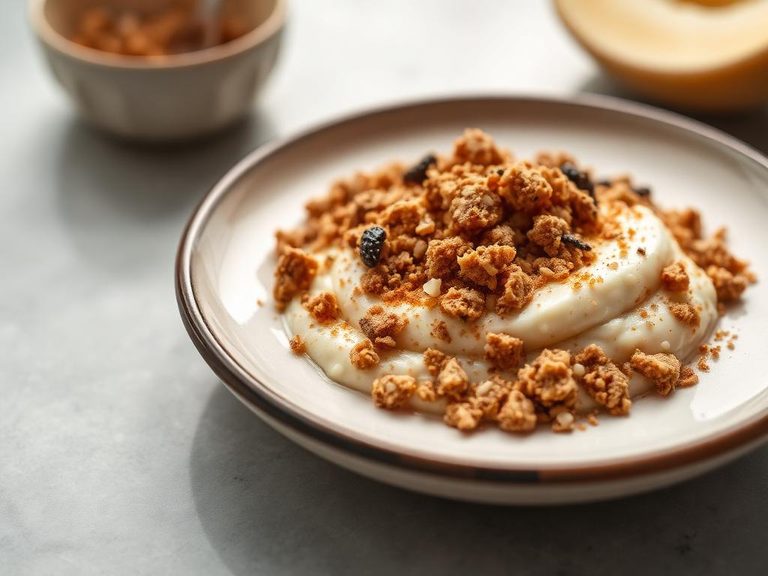
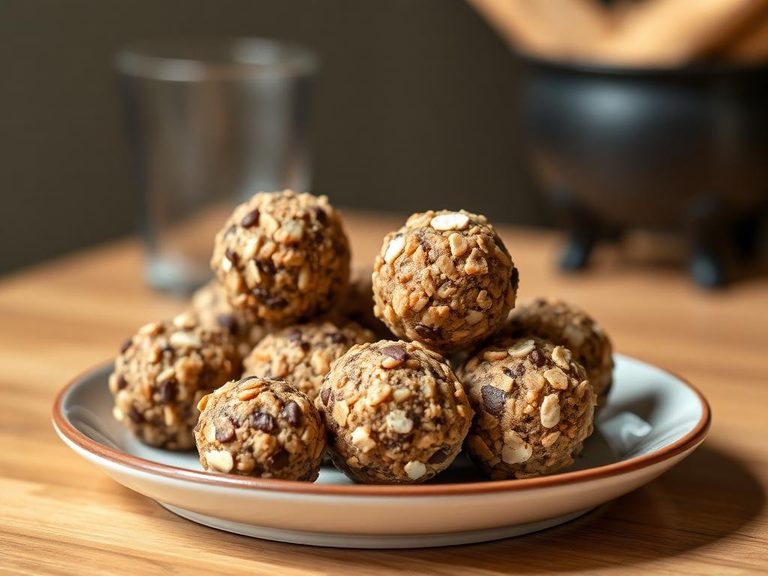
🍽️ Popular dishes
🌍 Where it's eaten
💡 Did you know?
The 'Chewy' line was introduced by Quaker in 1975, and the specific 90-calorie variant was part of a major industry trend in the 2000s toward pre-portioned, calorie-controlled snacks aimed at weight management.
Full nutrition (USDA data · scales with serving)
| Water | 6.2 g |
| Energy | 408 kcal |
| Protein | 4.2 g |
| Total lipid (fat) | 8.3 g |
| Carbohydrate, by difference | 79.2 g |
| Fiber, total dietary | 4.2 g |
| Total Sugars | 29.2 g |
| Calcium, Ca | 333 mg |
| Iron, Fe | 1.5 mg |
| Magnesium, Mg | 71.0 mg |
| Phosphorus, P | 152 mg |
| Potassium, K | 224 mg |
| Sodium, Na | 313 mg |
| Zinc, Zn | 1.2 mg |
| Copper, Cu | 0.31 mg |
| Selenium, Se | 10.1 ug |
| Vitamin C, total ascorbic acid | 0.50 mg |
| Thiamin | 0.19 mg |
| Riboflavin | 0.08 mg |
| Niacin | 1.1 mg |
| Vitamin B-6 | 0.12 mg |
| Folate, total | 17.0 ug |
| Folic acid | 0.00 ug |
| Folate, food | 17.0 ug |
| Folate, DFE | 17.0 ug |
| Choline, total | 24.4 mg |
| Vitamin B-12 | 0.03 ug |
| Vitamin B-12, added | 0.00 ug |
| Vitamin A, RAE | 3.0 ug |
| Retinol | 0.00 ug |
| Carotene, beta | 32.0 ug |
| Carotene, alpha | 1.0 ug |
| Cryptoxanthin, beta | 0.00 ug |
| Lycopene | 0.00 ug |
| Lutein + zeaxanthin | 32.0 ug |
| Vitamin E (alpha-tocopherol) | 2.2 mg |
| Vitamin E, added | 0.00 mg |
| Vitamin D (D2 + D3) | 0.00 ug |
| Vitamin K (phylloquinone) | 2.8 ug |
| Alcohol, ethyl | 0.00 g |
| Caffeine | 5.0 mg |
| Theobromine | 57.0 mg |
Fat & fatty acid profile (per 100g)
| Fatty acids, total saturated | 2.1 g |
| SFA 4:0 | 0.00 g |
| SFA 6:0 | 0.01 g |
| SFA 8:0 | 0.02 g |
| SFA 10:0 | 0.02 g |
| SFA 12:0 | 0.14 g |
| SFA 14:0 | 0.07 g |
| SFA 16:0 | 0.88 g |
| SFA 18:0 | 0.89 g |
| Fatty acids, total monounsaturated | 2.9 g |
| MUFA 16:1 | 0.03 g |
| MUFA 18:1 | 2.9 g |
| MUFA 20:1 | 0.02 g |
| MUFA 22:1 | 0.01 g |
| Fatty acids, total polyunsaturated | 1.9 g |
| PUFA 18:2 | 1.8 g |
| PUFA 18:3 | 0.13 g |
| PUFA 18:4 | 0.00 g |
| PUFA 20:4 | 0.00 g |
| PUFA 20:5 n-3 (EPA) | 0.00 g |
| PUFA 22:5 n-3 (DPA) | 0.00 g |
| PUFA 22:6 n-3 (DHA) | 0.00 g |
| Cholesterol | 0.00 mg |
Amino acid profile (per 100g)
Estimated from Cereals ready-to-eat, granola, homemade — USDA does not publish this profile for Cereal or granola bar (Quaker Chewy 90 Calorie Granola Bar).
| Tryptophan | 0.19 g |
| Threonine | 0.48 g |
| Isoleucine | 0.55 g |
| Leucine | 0.98 g |
| Lysine | 0.63 g |
| Methionine | 0.23 g |
| Cystine | 0.30 g |
| Phenylalanine | 0.67 g |
| Tyrosine | 0.38 g |
| Valine | 0.70 g |
| Arginine | 1.3 g |
| Histidine | 0.35 g |
| Alanine | 0.69 g |
| Aspartic acid | 1.4 g |
| Glutamic acid | 3.1 g |
| Glycine | 0.81 g |
| Proline | 0.66 g |
| Serine | 0.67 g |
| Hydroxyproline | 0.00 g |
FAQ
Is this a healthy breakfast option?
It's best viewed as a snack or a very light breakfast component. Its low protein and high sugar content mean it won't keep you full for long. For a balanced breakfast, pair it with protein like eggs or yogurt and add fruit.
Why is the protein content so low?
The primary ingredients are oats and crisped rice, which are carbohydrate sources. The binding syrup is mostly sugar. Significant protein would require adding ingredients like nuts, seeds, or protein powder, which would change the product's texture, cost, and calorie profile.
Can I eat this while trying to lose weight?
It can fit in moderation due to its controlled calorie count, but its low satiety (from low protein/fat) might make hunger return quickly. It's more effective as part of a balanced snack that includes protein or fiber to keep you full longer.
Nutrient density (calculated · NRF9.3)
Nutrient Rich Foods index: beneficial nutrients (protein, fiber, vitamins, minerals) minus saturated fat, added sugar & sodium, per 100 kcal.
NRF9.3 index — Fulgoni, Keast & Drewnowski, 2009. Computed from USDA nutrients.
Weight-loss friendliness (composite index)
Energy density 4.08 kcal/g · 4% calories from protein · 4.2 g fiber · 29.2 g sugar per 100 g.
Composite of energy density (Rolls et al., 1999), protein & fiber satiety, minus sugar. A calculated heuristic — ranks satiety-per-calorie, not a clinical measure.
Dietary load (calculated from USDA values)
Potential renal acid load. Positive = acid-forming, negative = alkaline-forming.
Sodium-to-potassium ratio: 1.40 (lower is better — aim for ≤ 1)
Sodium:potassium per WHO potassium guidance. Computed from USDA nutrients.