

Cereal or granola bar (Kellogg's Nutri-Grain Fruit and Nut Bar)
Common food

Photo: Wikipedia
Kellogg's Nutri-Grain Fruit and Nut Bar is a soft-baked cereal bar that combines a chewy, oat-based dough with a sweet fruit filling and crunchy nut pieces. It offers a convenient, portable snack with a notable 7.5g of fiber per 100g, though it is quite high in carbohydrates and sugar. The texture is a mix of the bar's soft base and the contrasting crunch from the nuts.
Calorie split: 9% protein · 66% carbs · 24% fat
↓ Full nutrition💚 Why it's loved
People love it for its satisfyingly chewy texture and the classic combination of sweet fruit and nutty crunch, making it a nostalgic and convenient on-the-go snack. Its portability and consistent flavor make it a staple for busy mornings or quick energy boosts.
⚠️ Watch-outs & how to enjoy it better
With 32.45g of sugar per 100g, it can cause a rapid blood-sugar spike, making it a poor choice for those managing diabetes or seeking sustained energy. To counteract this, pair it with a source of protein or healthy fat (like a handful of nuts or a cheese stick) and practice strict portion control by sticking to a single bar.
Key benefits
- Provides a quick source of energy from carbohydrates.
- Contains 7.5g of dietary fiber per 100g, aiding digestion.
- Offers a convenient, no-prep snack option.
- Includes nuts, which contribute healthy fats and some protein.
🍽️ Popular dishes
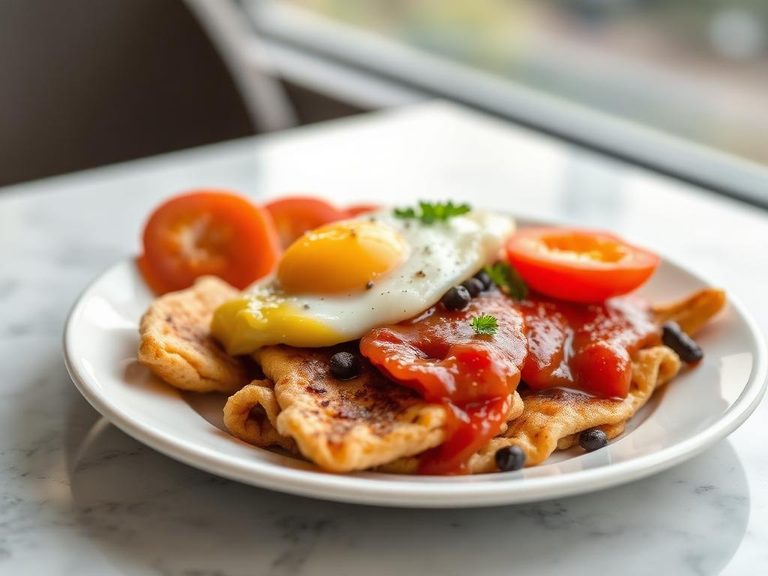
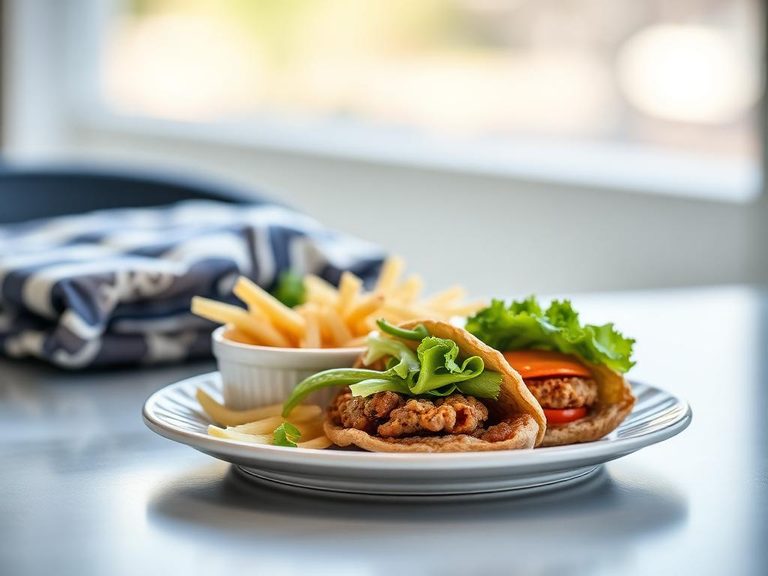
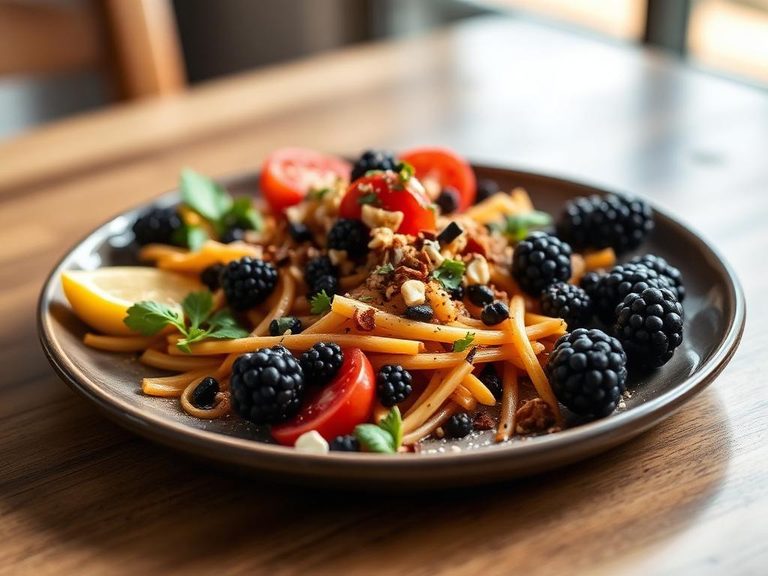
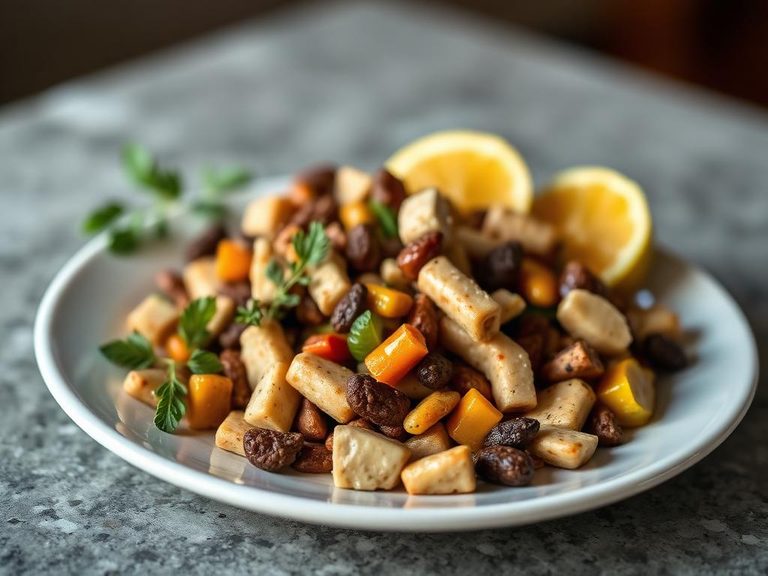

🌍 Where it's eaten
💡 Did you know?
The Nutri-Grain line was originally introduced by Kellogg's in 1975 as a 'breakfast biscuit' before evolving into the soft-baked bar format we know today.
Full nutrition (USDA data · scales with serving)
| Water | 11.3 g |
| Energy | 403 kcal |
| Protein | 9.4 g |
| Total lipid (fat) | 10.9 g |
| Carbohydrate, by difference | 66.7 g |
| Fiber, total dietary | 7.5 g |
| Total Sugars | 32.5 g |
| Calcium, Ca | 65.0 mg |
| Iron, Fe | 5.7 mg |
| Magnesium, Mg | 105 mg |
| Phosphorus, P | 290 mg |
| Potassium, K | 328 mg |
| Sodium, Na | 195 mg |
| Zinc, Zn | 3.3 mg |
| Copper, Cu | 0.44 mg |
| Selenium, Se | 11.3 ug |
| Vitamin C, total ascorbic acid | 0.20 mg |
| Thiamin | 0.47 mg |
| Riboflavin | 0.62 mg |
| Niacin | 6.4 mg |
| Vitamin B-6 | 0.61 mg |
| Folate, total | 127 ug |
| Folic acid | 109 ug |
| Folate, food | 18.0 ug |
| Folate, DFE | 203 ug |
| Choline, total | 24.0 mg |
| Vitamin B-12 | 1.2 ug |
| Vitamin B-12, added | 1.1 ug |
| Vitamin A, RAE | 267 ug |
| Retinol | 266 ug |
| Carotene, beta | 5.0 ug |
| Carotene, alpha | 0.00 ug |
| Cryptoxanthin, beta | 0.00 ug |
| Lycopene | 0.00 ug |
| Lutein + zeaxanthin | 40.0 ug |
| Vitamin E (alpha-tocopherol) | 3.7 mg |
| Vitamin E, added | 0.00 mg |
| Vitamin D (D2 + D3) | 0.80 ug |
| Vitamin K (phylloquinone) | 1.2 ug |
| Alcohol, ethyl | 0.00 g |
| Caffeine | 0.00 mg |
| Theobromine | 0.00 mg |
Fat & fatty acid profile (per 100g)
| Fatty acids, total saturated | 1.9 g |
| SFA 4:0 | 0.00 g |
| SFA 6:0 | 0.00 g |
| SFA 8:0 | 0.05 g |
| SFA 10:0 | 0.04 g |
| SFA 12:0 | 0.56 g |
| SFA 14:0 | 0.17 g |
| SFA 16:0 | 0.77 g |
| SFA 18:0 | 0.33 g |
| Fatty acids, total monounsaturated | 5.7 g |
| MUFA 16:1 | 0.03 g |
| MUFA 18:1 | 5.7 g |
| MUFA 20:1 | 0.01 g |
| MUFA 22:1 | 0.00 g |
| Fatty acids, total polyunsaturated | 2.6 g |
| PUFA 18:2 | 2.5 g |
| PUFA 18:3 | 0.06 g |
| PUFA 18:4 | 0.00 g |
| PUFA 20:4 | 0.00 g |
| PUFA 20:5 n-3 (EPA) | 0.00 g |
| PUFA 22:5 n-3 (DPA) | 0.00 g |
| PUFA 22:6 n-3 (DHA) | 0.00 g |
| Cholesterol | 0.00 mg |
Amino acid profile (per 100g)
Estimated from Cereals ready-to-eat, granola, homemade — USDA does not publish this profile for Cereal or granola bar (Kellogg's Nutri-Grain Fruit and Nut Bar).
| Tryptophan | 0.19 g |
| Threonine | 0.48 g |
| Isoleucine | 0.55 g |
| Leucine | 0.98 g |
| Lysine | 0.63 g |
| Methionine | 0.23 g |
| Cystine | 0.30 g |
| Phenylalanine | 0.67 g |
| Tyrosine | 0.38 g |
| Valine | 0.70 g |
| Arginine | 1.3 g |
| Histidine | 0.35 g |
| Alanine | 0.69 g |
| Aspartic acid | 1.4 g |
| Glutamic acid | 3.1 g |
| Glycine | 0.81 g |
| Proline | 0.66 g |
| Serine | 0.67 g |
| Hydroxyproline | 0.00 g |
FAQ
Is a Nutri-Grain bar a healthy breakfast?
While it provides quick energy and some fiber, its high sugar content (over 32g per 100g) makes it less ideal than a balanced breakfast with protein and whole foods. It's better viewed as an occasional convenient snack.
Does it contain common allergens?
Yes, it typically contains wheat (gluten) and may contain peanuts, tree nuts, milk, and soy. Always check the specific product label for allergen information.
How does it compare to a granola bar?
Nutri-Grain bars are softer and more cake-like with a fruit filling, while traditional granola bars are often chewier or crunchier, made primarily from oats, honey, and other binders without a distinct fruit layer.
Nutrient density (calculated · NRF9.3)
Nutrient Rich Foods index: beneficial nutrients (protein, fiber, vitamins, minerals) minus saturated fat, added sugar & sodium, per 100 kcal.
NRF9.3 index — Fulgoni, Keast & Drewnowski, 2009. Computed from USDA nutrients.
Weight-loss friendliness (composite index)
Energy density 4.03 kcal/g · 9% calories from protein · 7.5 g fiber · 32.5 g sugar per 100 g.
Composite of energy density (Rolls et al., 1999), protein & fiber satiety, minus sugar. A calculated heuristic — ranks satiety-per-calorie, not a clinical measure.
Dietary load (calculated from USDA values)
Potential renal acid load. Positive = acid-forming, negative = alkaline-forming.
Sodium-to-potassium ratio: 0.59 (lower is better — aim for ≤ 1)
Sodium:potassium per WHO potassium guidance. Computed from USDA nutrients.