

Packed Lunch Snack
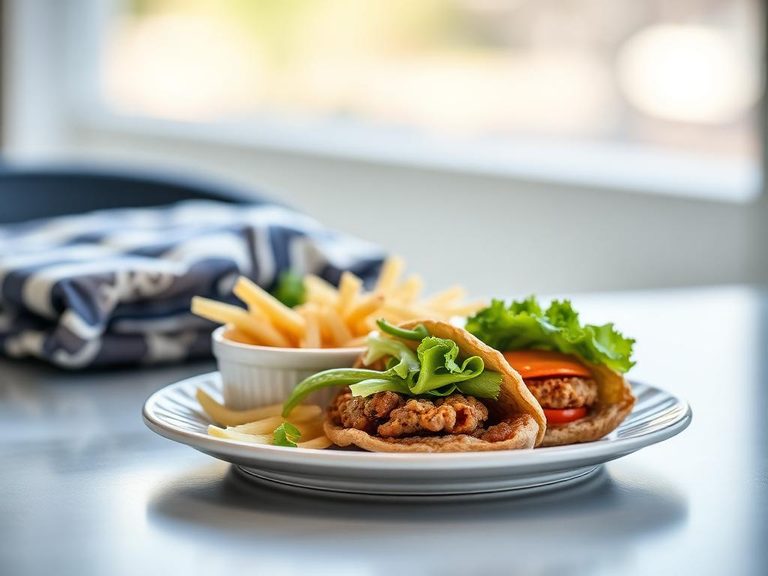
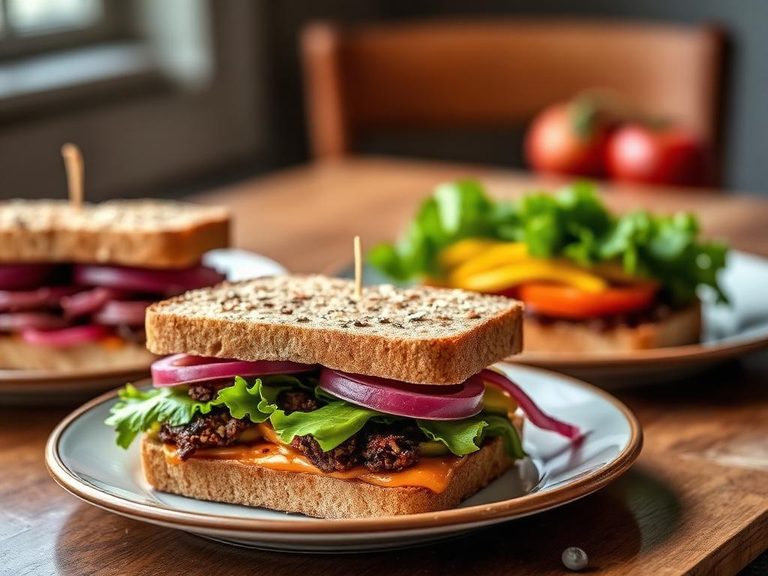
A packed lunch snack is a versatile, portable meal component typically assembled at home for convenience, often featuring a mix of items like sandwiches, fruits, nuts, and cheese. It is a staple in many cultures, particularly in Western and Asian countries, where it serves as a practical solution for school or work lunches. The ingredients vary widely based on personal preference, dietary needs, and regional availability.
🍳 View the full Packed Lunch Snack recipe →
🍽️ Nutrition at a glance
Packed lunch snacks can be balanced or skewed toward carbs, fat, or protein depending on the items chosen, but they generally provide a mix of macronutrients for sustained energy. Key nutrients include fiber from fruits and grains, protein from meats or legumes, and vitamins from vegetables, with a typical calorie range of 300-600 calories per serving.
Nutrition breakdown
| Calories | 450 kcal |
| Protein | 15 g |
| Carbs | 55 g |
| Fat | 18 g |
| Fiber | 6 g |
| Sugar | 12 g |
| Sodium | 650 mg |
| Potassium | 450 mg |
| Iron | 3 mg |
| Calcium | 150 mg |
| Vitamin A | 300 mcg |
| Vitamin C | 15 mg |
| Vitamin B12 | 0.5 mcg |
| Magnesium | 50 mg |
| Phosphorus | 200 mg |
Per 1 typical packed lunch snack box (approx. 300 g) · estimated, varies by recipe
💡 What's interesting
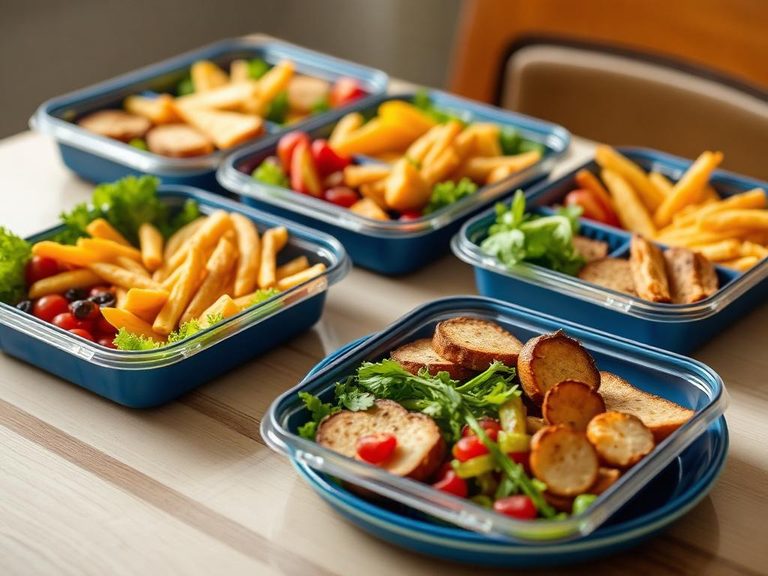
Culturally, packed lunch snacks reflect local food traditions, such as Japanese bento boxes or American sandwich-based lunches, showcasing how portability meets culinary identity. Nutritionally, they offer a customizable way to ensure balanced intake, making them a unique tool for promoting healthy eating habits in busy lifestyles.
🍽️ Related dishes



AI estimate may be inaccurate · Terms