

Part of a packed lunch
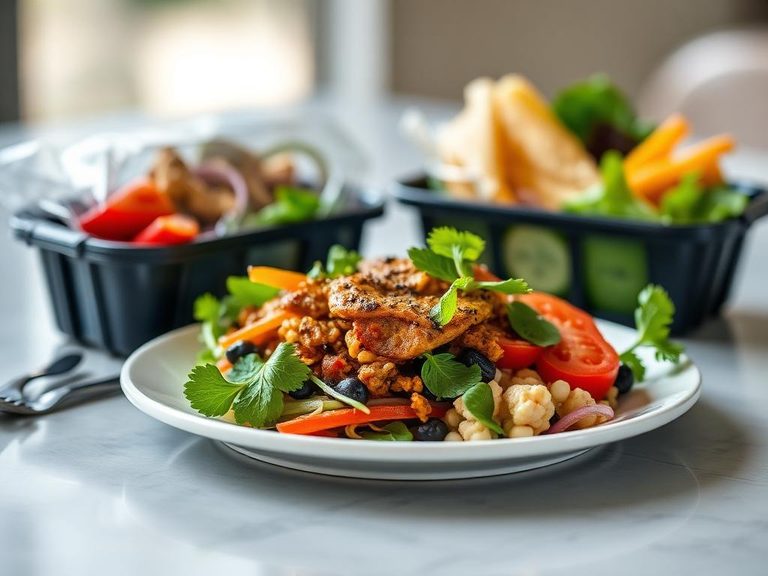
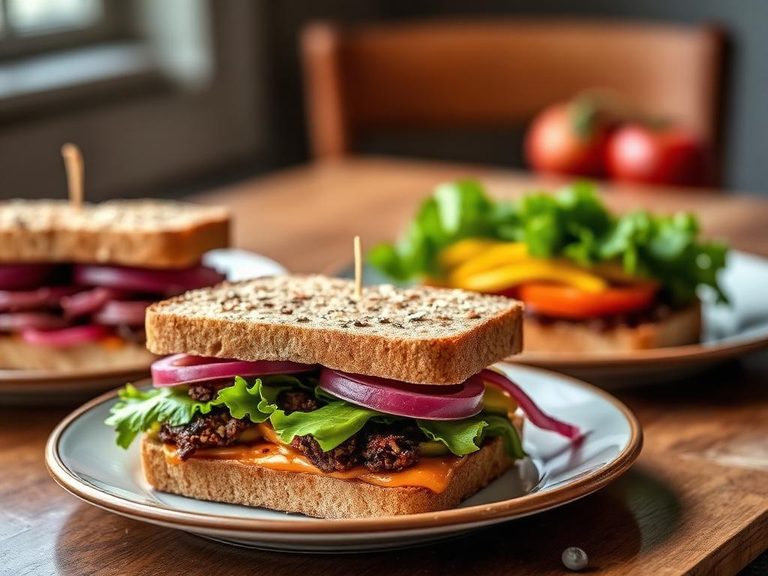
A 'packed lunch' is a portable meal prepared at home and taken to work, school, or on an outing. It typically consists of a balanced combination of items like a sandwich or wrap, a side of vegetables or fruit, a small snack, and a drink, all packed in a lunch box or bag. This concept is universal but is particularly iconic in cultures like Japan (bento), the UK, and the US.
🍽️ Nutrition at a glance
The nutritional profile varies widely based on contents, but a well-balanced packed lunch is designed to provide sustained energy, typically offering a good mix of complex carbohydrates for fuel, protein for satiarity, and essential vitamins from fresh components. A standard homemade version often ranges from 400 to 600 calories per serving.
Nutrition breakdown
| Calories | 550 kcal |
| Protein | 25 g |
| Carbs | 65 g |
| Fat | 20 g |
| Fiber | 8 g |
| Sugar | 12 g |
| Sodium | 800 mg |
| Vitamin C | 30 mg |
| Calcium | 200 mg |
| Iron | 4 mg |
| Potassium | 450 mg |
| Vitamin A | 150 µg |
| Folate | 120 µg |
| Vitamin B6 | 0.5 mg |
| Magnesium | 60 mg |
Per 1 typical packed lunch box (approx. 500 g) · estimated, varies by recipe
💡 What's interesting
The packed lunch is a fascinating cultural artifact, reflecting everything from a nation's staple foods to individual dietary needs and economic factors. Nutritionally, it offers greater control over ingredients and portion sizes compared to many pre-packaged or fast-food alternatives, making it a cornerstone of mindful eating for many.
🍽️ Related dishes


AI estimate may be inaccurate · Terms