

Bulgur, NS as to fat
Common food

Photo: Wikipedia
Bulgur is a parboiled, dried, and cracked wheat grain with a satisfyingly chewy texture and a subtle, nutty flavor. It's a nutritional powerhouse, offering a remarkable amount of dietary fiber—nearly 16% of its weight—which supports digestive health. This ancient grain provides a solid base of complex carbohydrates for sustained energy with very little fat.
Calorie split: 14% protein · 84% carbs · 2% fat
↓ Full nutrition💚 Why it's loved
People love bulgur for its incredible versatility and quick cooking time, as it's often ready in just 10-15 minutes. Its mild, nutty taste and pleasant chew make it a perfect canvas for absorbing dressings, herbs, and spices in salads and pilafs.
⚠️ Watch-outs & how to enjoy it better
As a wheat product, it contains gluten, making it unsuitable for those with celiac disease or gluten sensitivity. Its high fiber content can cause digestive discomfort if introduced too quickly into the diet; increasing intake gradually and drinking plenty of water can help. For individuals monitoring blood sugar, pairing bulgur with protein (like chickpeas or yogurt) and healthy fats can help moderate glycemic response.
Key benefits
- Excellent source of dietary fiber
- Low in fat and contains no cholesterol
- Good source of plant-based protein
- Provides essential minerals like manganese and magnesium
- Whole grain that supports heart health
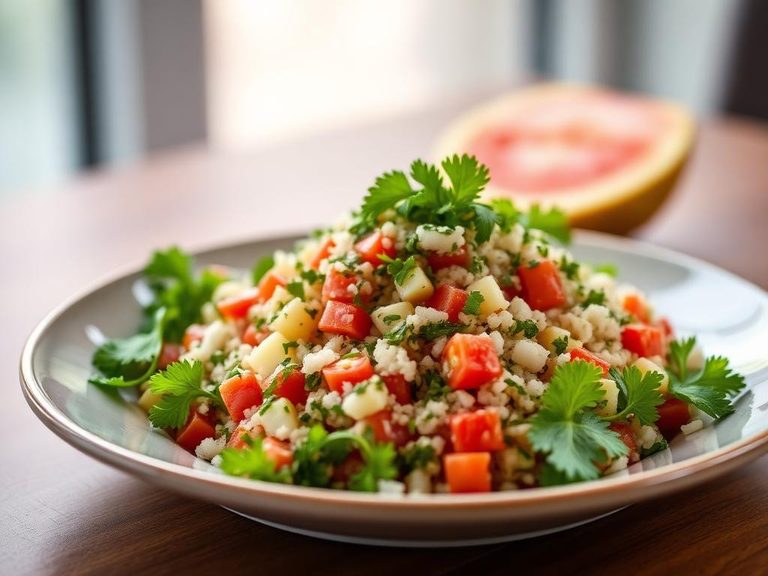
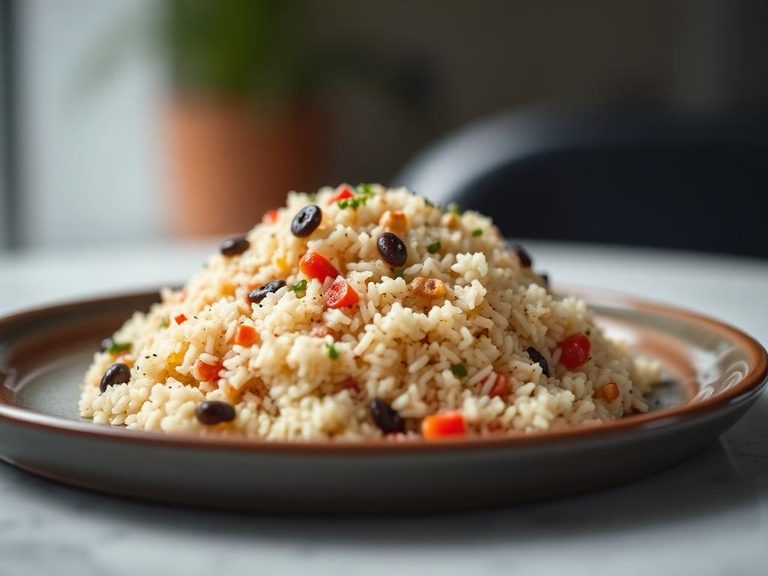
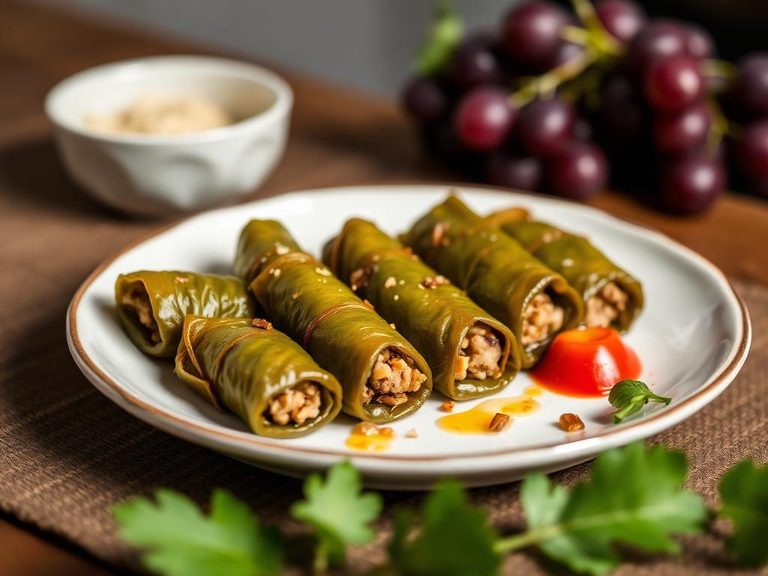
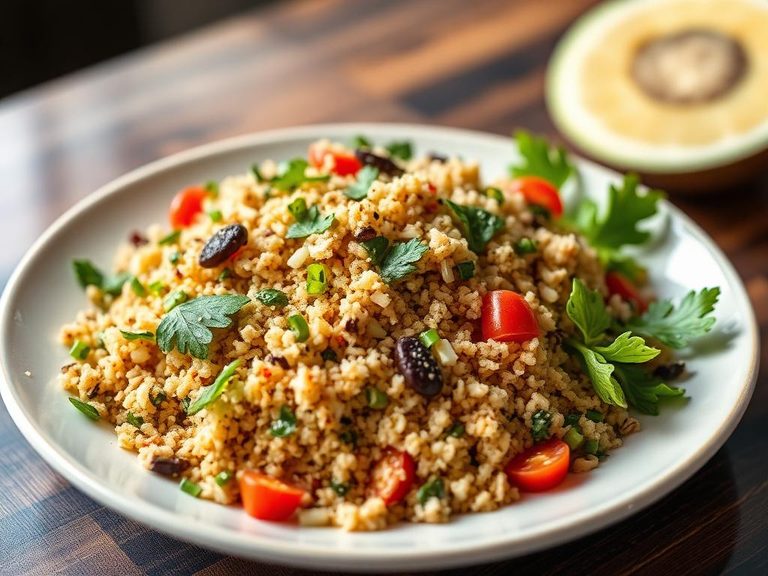
🍽️ Popular dishes

🌍 Where it's eaten
💡 Did you know?
Bulgur is one of the oldest prepared foods in human history, with evidence of its use dating back to ancient Mesopotamia, making it a true 'prehistoric' convenience food.
Full nutrition (USDA data · scales with serving)
| Water | 77.3 g |
| Energy | 83.0 kcal |
| Protein | 3.1 g |
| Total lipid (fat) | 0.24 g |
| Carbohydrate, by difference | 18.5 g |
| Fiber, total dietary | 4.5 g |
| Total Sugars | 0.10 g |
| Calcium, Ca | 10.0 mg |
| Iron, Fe | 0.96 mg |
| Magnesium, Mg | 32.0 mg |
| Phosphorus, P | 40.0 mg |
| Potassium, K | 68.0 mg |
| Sodium, Na | 219 mg |
| Zinc, Zn | 0.57 mg |
| Copper, Cu | 0.07 mg |
| Selenium, Se | 0.60 ug |
| Vitamin C, total ascorbic acid | 0.00 mg |
| Thiamin | 0.06 mg |
| Riboflavin | 0.03 mg |
| Niacin | 0.99 mg |
| Vitamin B-6 | 0.08 mg |
| Folate, total | 18.0 ug |
| Folic acid | 0.00 ug |
| Folate, food | 18.0 ug |
| Folate, DFE | 18.0 ug |
| Choline, total | 6.9 mg |
| Vitamin B-12 | 0.00 ug |
| Vitamin B-12, added | 0.00 ug |
| Vitamin A, RAE | 0.00 ug |
| Retinol | 0.00 ug |
| Carotene, beta | 1.0 ug |
| Carotene, alpha | 0.00 ug |
| Cryptoxanthin, beta | 0.00 ug |
| Lycopene | 0.00 ug |
| Lutein + zeaxanthin | 54.0 ug |
| Vitamin E (alpha-tocopherol) | 0.01 mg |
| Vitamin E, added | 0.00 mg |
| Vitamin D (D2 + D3) | 0.00 ug |
| Vitamin K (phylloquinone) | 0.50 ug |
| Alcohol, ethyl | 0.00 g |
| Caffeine | 0.00 mg |
| Theobromine | 0.00 mg |
Fat & fatty acid profile (per 100g)
| Fatty acids, total saturated | 0.04 g |
| SFA 4:0 | 0.00 g |
| SFA 6:0 | 0.00 g |
| SFA 8:0 | 0.00 g |
| SFA 10:0 | 0.00 g |
| SFA 12:0 | 0.00 g |
| SFA 14:0 | 0.00 g |
| SFA 16:0 | 0.04 g |
| SFA 18:0 | 0.00 g |
| Fatty acids, total monounsaturated | 0.03 g |
| MUFA 16:1 | 0.00 g |
| MUFA 18:1 | 0.03 g |
| MUFA 20:1 | 0.00 g |
| MUFA 22:1 | 0.00 g |
| Fatty acids, total polyunsaturated | 0.10 g |
| PUFA 18:2 | 0.09 g |
| PUFA 18:3 | 0.00 g |
| PUFA 18:4 | 0.00 g |
| PUFA 20:4 | 0.00 g |
| PUFA 20:5 n-3 (EPA) | 0.00 g |
| PUFA 22:5 n-3 (DPA) | 0.00 g |
| PUFA 22:6 n-3 (DHA) | 0.00 g |
| Cholesterol | 0.00 mg |
Amino acid profile (per 100g)
Estimated from Bulgur, cooked — USDA does not publish this profile for Bulgur.
| Tryptophan | 0.05 g |
| Threonine | 0.09 g |
| Isoleucine | 0.11 g |
| Leucine | 0.21 g |
| Lysine | 0.09 g |
| Methionine | 0.05 g |
| Cystine | 0.07 g |
| Phenylalanine | 0.14 g |
| Tyrosine | 0.09 g |
| Valine | 0.14 g |
| Arginine | 0.14 g |
| Histidine | 0.07 g |
| Alanine | 0.11 g |
| Aspartic acid | 0.16 g |
| Glutamic acid | 0.97 g |
| Glycine | 0.12 g |
| Proline | 0.32 g |
| Serine | 0.14 g |
FAQ
What's the difference between bulgur and cracked wheat?
Bulgur is parboiled (partially cooked) before being dried and cracked, which gives it its quick-cooking property and nuttier flavor. Cracked wheat is raw, uncooked wheat that has been crushed, requiring a longer cooking time.
How do I store bulgur?
Store uncooked bulgur in an airtight container in a cool, dark place like a pantry for up to a year. Cooked bulgur should be refrigerated and consumed within 3-5 days.
Can I use bulgur in place of rice or quinoa?
Yes, bulgur is an excellent substitute in pilafs, stuffings, and grain bowls. It has a chewier texture than rice and a more robust, nutty flavor than quinoa, often requiring less cooking time.
Nutrient density (calculated · NRF9.3)
Nutrient Rich Foods index: beneficial nutrients (protein, fiber, vitamins, minerals) minus saturated fat, added sugar & sodium, per 100 kcal.
NRF9.3 index — Fulgoni, Keast & Drewnowski, 2009. Computed from USDA nutrients.
Weight-loss friendliness (composite index)
Energy density 0.83 kcal/g · 15% calories from protein · 4.5 g fiber · 0.1 g sugar per 100 g.
Composite of energy density (Rolls et al., 1999), protein & fiber satiety, minus sugar. A calculated heuristic — ranks satiety-per-calorie, not a clinical measure.
Dietary load (calculated from USDA values)
Potential renal acid load. Positive = acid-forming, negative = alkaline-forming.
Sodium-to-potassium ratio: 3.22 (lower is better — aim for ≤ 1)
Sodium:potassium per WHO potassium guidance. Computed from USDA nutrients.