

Bulgur, fat added
Common food

Photo: Wikipedia
Bulgur is a quick-cooking, pre-cooked cracked wheat with a delightfully chewy texture and a nutty, mildly earthy flavor. When prepared with added fat, it gains a richer mouthfeel and a subtle sheen. It's a fiber-rich whole grain, providing a satisfying base that's low in sugar and a good source of plant-based protein.
Calorie split: 9% protein · 55% carbs · 36% fat
↓ Full nutrition💚 Why it's loved
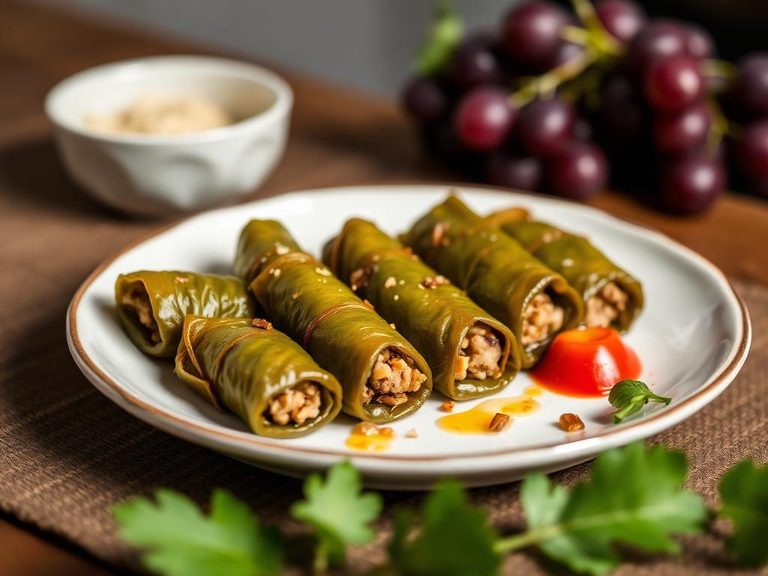
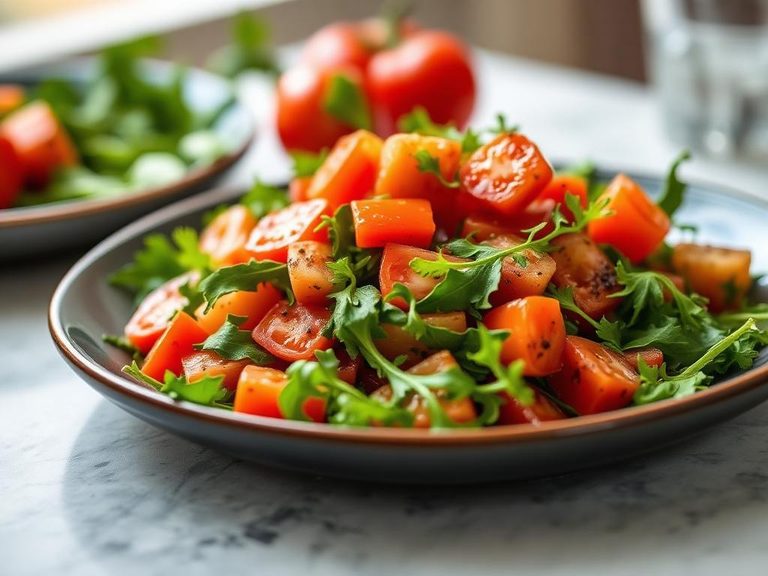
People love bulgur for its incredible versatility and ability to absorb flavors while maintaining a pleasant, al dente bite. It's a cornerstone of Mediterranean and Middle Eastern cuisines, offering a hearty, wholesome foundation for salads, pilafs, and stuffed vegetables.
⚠️ Watch-outs & how to enjoy it better
While nutritious, bulgur is a wheat product and contains gluten, making it unsuitable for those with celiac disease or gluten sensitivity. Its high fiber content can cause digestive discomfort if introduced too quickly. To counteract this, start with smaller portions and drink plenty of water. Pairing it with a protein like chickpeas or a healthy fat like olive oil can also help moderate blood sugar response.
Key benefits
- High in dietary fiber for digestive health
- Good source of plant-based protein
- Low glycemic index, providing sustained energy
- Rich in essential minerals like manganese and magnesium
- Naturally low in sodium and sugar
🍽️ Popular dishes
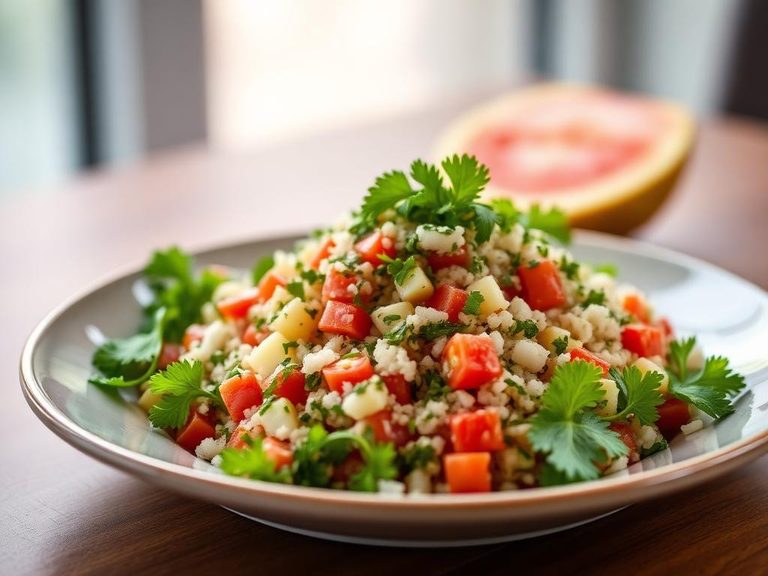
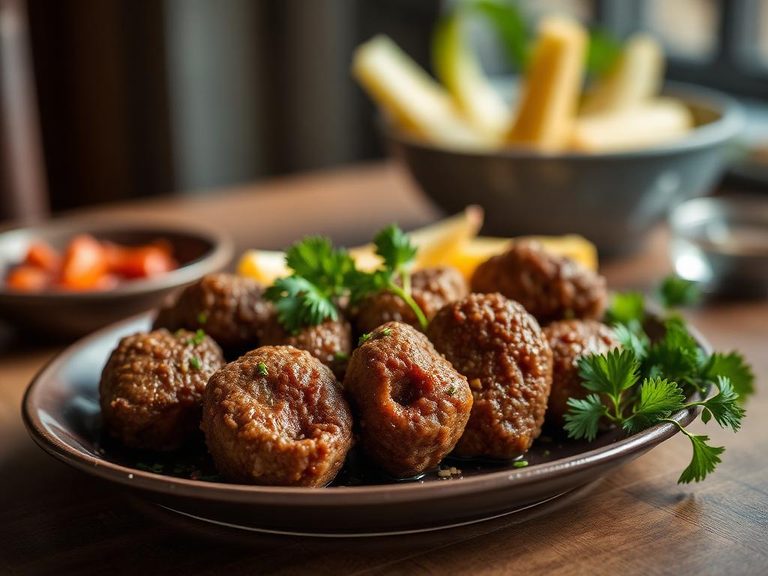
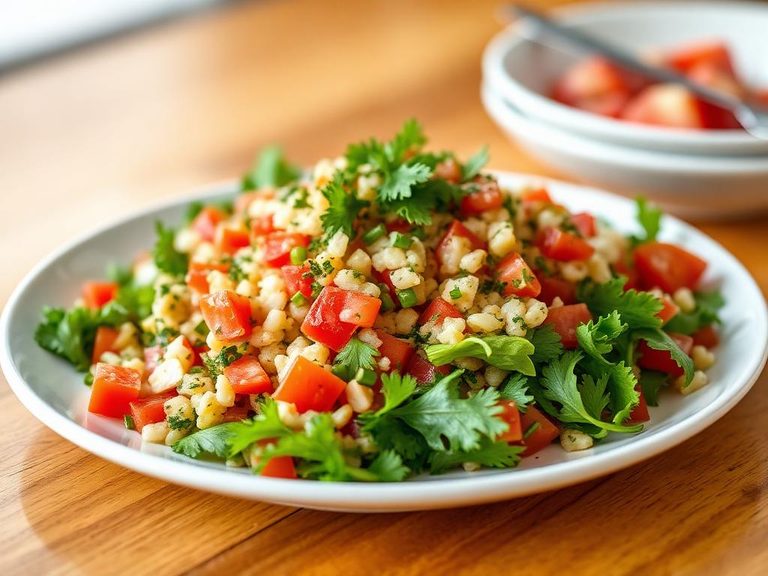
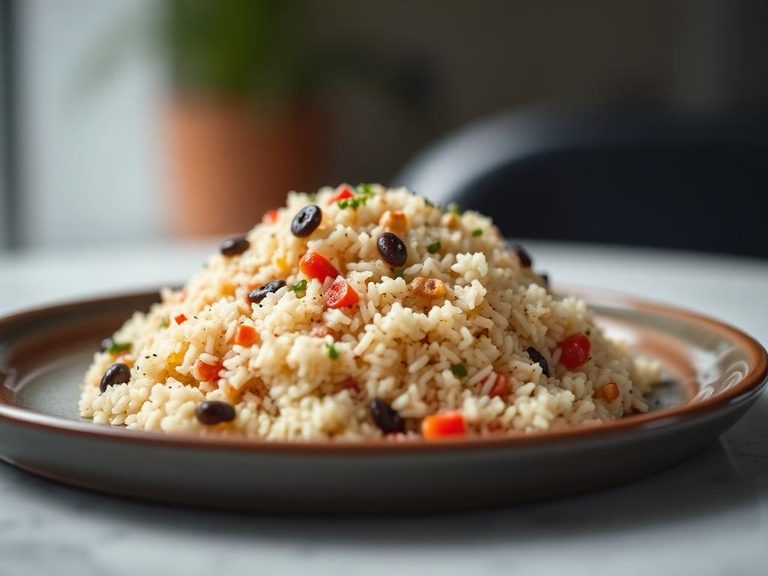
🌍 Where it's eaten
💡 Did you know?
Bulgur is one of the oldest processed foods in human history; archaeological evidence shows it was consumed in ancient Mesopotamia as early as 2,800 BC.
Full nutrition (USDA data · scales with serving)
| Water | 73.8 g |
| Energy | 121 kcal |
| Protein | 2.9 g |
| Total lipid (fat) | 5.1 g |
| Carbohydrate, by difference | 17.3 g |
| Fiber, total dietary | 4.2 g |
| Total Sugars | 0.12 g |
| Calcium, Ca | 11.0 mg |
| Iron, Fe | 0.90 mg |
| Magnesium, Mg | 30.0 mg |
| Phosphorus, P | 38.0 mg |
| Potassium, K | 65.0 mg |
| Sodium, Na | 243 mg |
| Zinc, Zn | 0.53 mg |
| Copper, Cu | 0.07 mg |
| Selenium, Se | 0.60 ug |
| Vitamin C, total ascorbic acid | 0.00 mg |
| Thiamin | 0.05 mg |
| Riboflavin | 0.03 mg |
| Niacin | 0.93 mg |
| Vitamin B-6 | 0.15 mg |
| Folate, total | 17.0 ug |
| Folic acid | 0.00 ug |
| Folate, food | 17.0 ug |
| Folate, DFE | 17.0 ug |
| Choline, total | 7.4 mg |
| Vitamin B-12 | 0.00 ug |
| Vitamin B-12, added | 0.00 ug |
| Vitamin A, RAE | 50.0 ug |
| Retinol | 48.0 ug |
| Carotene, beta | 23.0 ug |
| Carotene, alpha | 0.00 ug |
| Cryptoxanthin, beta | 0.00 ug |
| Lycopene | 0.00 ug |
| Lutein + zeaxanthin | 50.0 ug |
| Vitamin E (alpha-tocopherol) | 0.48 mg |
| Vitamin E, added | 0.00 mg |
| Vitamin D (D2 + D3) | 0.10 ug |
| Vitamin K (phylloquinone) | 3.3 ug |
| Alcohol, ethyl | 0.00 g |
| Caffeine | 0.00 mg |
| Theobromine | 0.00 mg |
Fat & fatty acid profile (per 100g)
| Fatty acids, total saturated | 2.1 g |
| SFA 4:0 | 0.08 g |
| SFA 6:0 | 0.06 g |
| SFA 8:0 | 0.03 g |
| SFA 10:0 | 0.08 g |
| SFA 12:0 | 0.09 g |
| SFA 14:0 | 0.28 g |
| SFA 16:0 | 1.0 g |
| SFA 18:0 | 0.42 g |
| Fatty acids, total monounsaturated | 1.3 g |
| MUFA 16:1 | 0.04 g |
| MUFA 18:1 | 1.2 g |
| MUFA 20:1 | 0.01 g |
| MUFA 22:1 | 0.00 g |
| Fatty acids, total polyunsaturated | 0.86 g |
| PUFA 18:2 | 0.78 g |
| PUFA 18:3 | 0.08 g |
| PUFA 18:4 | 0.00 g |
| PUFA 20:4 | 0.00 g |
| PUFA 20:5 n-3 (EPA) | 0.00 g |
| PUFA 22:5 n-3 (DPA) | 0.00 g |
| PUFA 22:6 n-3 (DHA) | 0.00 g |
| Cholesterol | 9.0 mg |
Amino acid profile (per 100g)
Estimated from Bulgur, cooked — USDA does not publish this profile for Bulgur.
| Tryptophan | 0.05 g |
| Threonine | 0.09 g |
| Isoleucine | 0.11 g |
| Leucine | 0.21 g |
| Lysine | 0.09 g |
| Methionine | 0.05 g |
| Cystine | 0.07 g |
| Phenylalanine | 0.14 g |
| Tyrosine | 0.09 g |
| Valine | 0.14 g |
| Arginine | 0.14 g |
| Histidine | 0.07 g |
| Alanine | 0.11 g |
| Aspartic acid | 0.16 g |
| Glutamic acid | 0.97 g |
| Glycine | 0.12 g |
| Proline | 0.32 g |
| Serine | 0.14 g |
FAQ
What's the difference between bulgur and cracked wheat?
Bulgur is pre-cooked (parboiled) and then dried before being cracked, which is why it cooks so quickly. Cracked wheat is raw and requires a longer cooking time.
How do I cook bulgur?
For most recipes, use a 1:2 ratio of bulgur to water or broth. Bring the liquid to a boil, add bulgur, cover, reduce heat to low, and simmer for 10-15 minutes until tender. Alternatively, you can soak it in hot liquid for 30-45 minutes.
Is bulgur gluten-free?
No. Bulgur is made from wheat and contains gluten. It is not safe for individuals with celiac disease, non-celiac gluten sensitivity, or wheat allergies.
Nutrient density (calculated · NRF9.3)
Nutrient Rich Foods index: beneficial nutrients (protein, fiber, vitamins, minerals) minus saturated fat, added sugar & sodium, per 100 kcal.
NRF9.3 index — Fulgoni, Keast & Drewnowski, 2009. Computed from USDA nutrients.
Weight-loss friendliness (composite index)
Energy density 1.21 kcal/g · 10% calories from protein · 4.2 g fiber · 0.1 g sugar per 100 g.
Composite of energy density (Rolls et al., 1999), protein & fiber satiety, minus sugar. A calculated heuristic — ranks satiety-per-calorie, not a clinical measure.
Dietary load (calculated from USDA values)
Potential renal acid load. Positive = acid-forming, negative = alkaline-forming.
Sodium-to-potassium ratio: 3.74 (lower is better — aim for ≤ 1)
Sodium:potassium per WHO potassium guidance. Computed from USDA nutrients.