

Brazil nuts
Common food

Photo: Wikipedia
The Brazil nut is a large, crescent-shaped seed from the Amazon rainforest, prized for its rich, creamy, and slightly sweet flavor with a satisfying, firm crunch. It is a nutritional powerhouse, most famously being the single best food source of selenium, a mineral crucial for thyroid function and antioxidant defense.
Calorie split: 8% protein · 7% carbs · 85% fat
↓ Full nutrition💚 Why it's loved
People love Brazil nuts for their luxurious, buttery texture and subtle sweetness that elevates both sweet and savory dishes. They are a beloved snack and a key ingredient in gourmet confections and regional Amazonian cuisine.
⚠️ Watch-outs & how to enjoy it better
Due to their extreme selenium concentration, consuming more than a few nuts daily can lead to selenium toxicity (selenosis). They are also a tree nut allergen, and their high fat content means they can go rancid if not stored properly. Tip: Stick to 1-3 nuts per day to avoid selenium overload, and store them in the freezer to maintain freshness.
Key benefits
- Exceptionally high in selenium, supporting thyroid health and immune function.
- Rich in healthy monounsaturated and polyunsaturated fats, including omega-3s.
- Good source of magnesium, which aids in muscle and nerve function.
- Contains plant-based protein and dietary fiber for satiety.
- Provides antioxidants like ellagic acid and vitamin E.
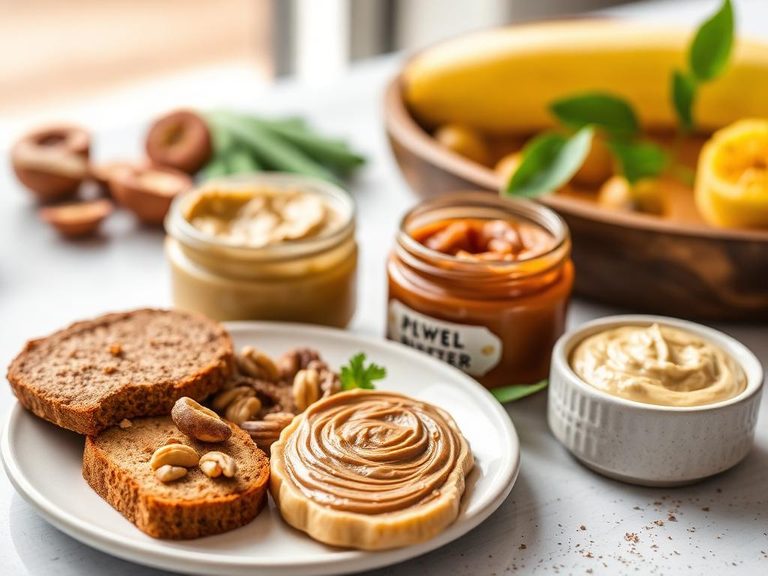
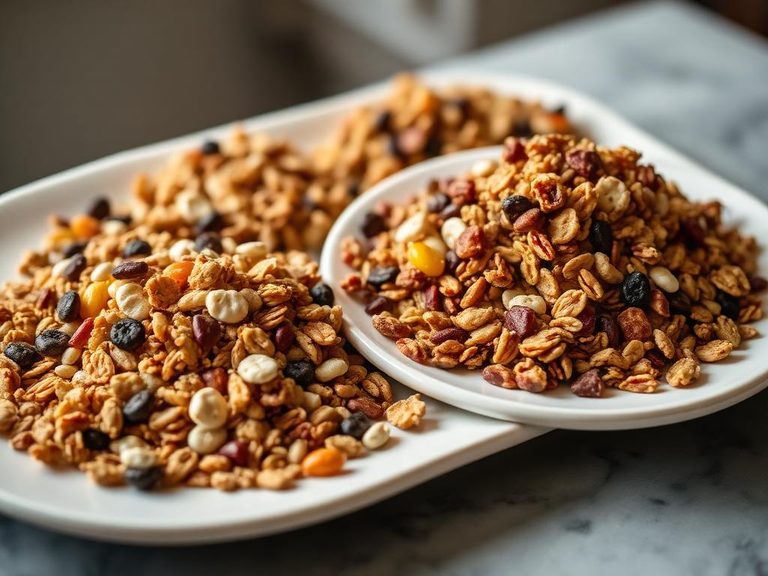
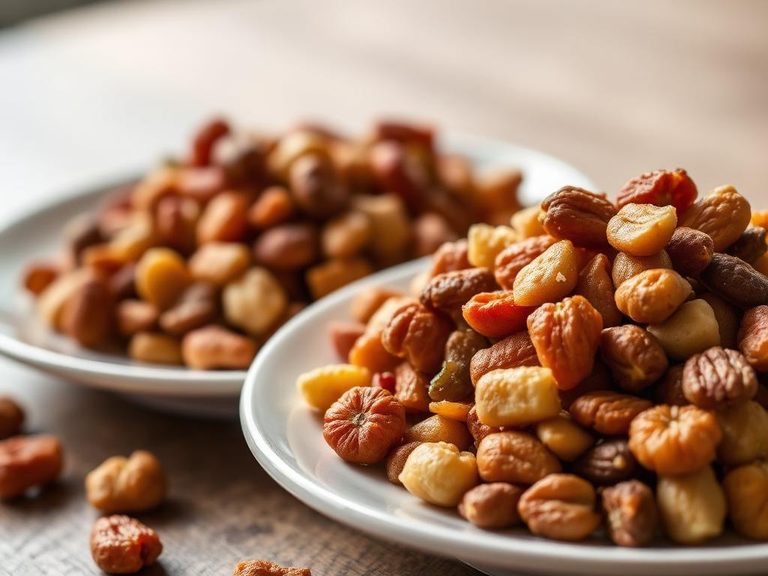
🍽️ Popular dishes



🌍 Where it's eaten
💡 Did you know?
The Brazil nut tree is a forest giant that can live for 500+ years, and its flowers can only be pollinated by large-bodied orchid bees strong enough to lift the flower's hood.
Full nutrition (USDA data · scales with serving)
| Water | 3.4 g |
| Energy | 659 kcal |
| Protein | 14.3 g |
| Total lipid (fat) | 67.1 g |
| Carbohydrate, by difference | 11.7 g |
| Fiber, total dietary | 7.5 g |
| Total Sugars | 2.3 g |
| Calcium, Ca | 160 mg |
| Iron, Fe | 2.4 mg |
| Magnesium, Mg | 376 mg |
| Phosphorus, P | 725 mg |
| Potassium, K | 659 mg |
| Sodium, Na | 3.0 mg |
| Zinc, Zn | 4.1 mg |
| Copper, Cu | 1.7 mg |
| Selenium, Se | 1917 ug |
| Vitamin C, total ascorbic acid | 0.70 mg |
| Thiamin | 0.62 mg |
| Riboflavin | 0.04 mg |
| Niacin | 0.29 mg |
| Vitamin B-6 | 0.10 mg |
| Folate, total | 22.0 ug |
| Folic acid | 0.00 ug |
| Folate, food | 22.0 ug |
| Folate, DFE | 22.0 ug |
| Choline, total | 28.8 mg |
| Vitamin B-12 | 0.00 ug |
| Vitamin B-12, added | 0.00 ug |
| Vitamin A, RAE | 0.00 ug |
| Retinol | 0.00 ug |
| Carotene, beta | 0.00 ug |
| Carotene, alpha | 0.00 ug |
| Cryptoxanthin, beta | 0.00 ug |
| Lycopene | 0.00 ug |
| Lutein + zeaxanthin | 0.00 ug |
| Vitamin E (alpha-tocopherol) | 5.7 mg |
| Vitamin E, added | 0.00 mg |
| Vitamin D (D2 + D3) | 0.00 ug |
| Vitamin K (phylloquinone) | 0.00 ug |
| Alcohol, ethyl | 0.00 g |
| Caffeine | 0.00 mg |
| Theobromine | 0.00 mg |
Fat & fatty acid profile (per 100g)
| Fatty acids, total saturated | 16.1 g |
| SFA 4:0 | 0.00 g |
| SFA 6:0 | 0.00 g |
| SFA 8:0 | 0.00 g |
| SFA 10:0 | 0.00 g |
| SFA 12:0 | 0.00 g |
| SFA 14:0 | 0.05 g |
| SFA 16:0 | 9.6 g |
| SFA 18:0 | 6.2 g |
| Fatty acids, total monounsaturated | 23.9 g |
| MUFA 16:1 | 0.21 g |
| MUFA 18:1 | 23.6 g |
| MUFA 20:1 | 0.03 g |
| MUFA 22:1 | 0.00 g |
| Fatty acids, total polyunsaturated | 24.4 g |
| PUFA 18:2 | 24.4 g |
| PUFA 18:3 | 0.04 g |
| PUFA 18:4 | 0.00 g |
| PUFA 20:4 | 0.00 g |
| PUFA 20:5 n-3 (EPA) | 0.00 g |
| PUFA 22:5 n-3 (DPA) | 0.00 g |
| PUFA 22:6 n-3 (DHA) | 0.00 g |
| Cholesterol | 0.00 mg |
Amino acid profile (per 100g)
Estimated from Nuts, brazilnuts, dried, unblanched — USDA does not publish this profile for Brazil nuts.
| Tryptophan | 0.14 g |
| Threonine | 0.36 g |
| Isoleucine | 0.52 g |
| Leucine | 1.2 g |
| Lysine | 0.49 g |
| Methionine | 1.1 g |
| Cystine | 0.31 g |
| Phenylalanine | 0.64 g |
| Tyrosine | 0.42 g |
| Valine | 0.76 g |
| Arginine | 2.1 g |
| Histidine | 0.41 g |
| Alanine | 0.61 g |
| Aspartic acid | 1.3 g |
| Glutamic acid | 3.2 g |
| Glycine | 0.73 g |
| Proline | 0.71 g |
| Serine | 0.68 g |
FAQ
How many Brazil nuts should I eat per day?
For most adults, 1 to 3 nuts per day is a safe and beneficial amount to get selenium without risking toxicity. This provides roughly 70-200% of the daily recommended value.
Why do my Brazil nuts taste bitter or soapy?
A bitter or soapy taste can indicate the nuts are rancid due to their high oil content. It can also be a natural flavor variation. If the taste is strong, discard them.
Are Brazil nuts good for testosterone?
They are often cited for supporting testosterone due to their high selenium and zinc content, which are important for male reproductive health. However, they are not a direct testosterone booster and should be part of a balanced diet.
Nutrient density (calculated · NRF9.3)
Nutrient Rich Foods index: beneficial nutrients (protein, fiber, vitamins, minerals) minus saturated fat, added sugar & sodium, per 100 kcal.
NRF9.3 index — Fulgoni, Keast & Drewnowski, 2009. Computed from USDA nutrients.
Weight-loss friendliness (composite index)
Energy density 6.59 kcal/g · 9% calories from protein · 7.5 g fiber · 2.3 g sugar per 100 g.
Composite of energy density (Rolls et al., 1999), protein & fiber satiety, minus sugar. A calculated heuristic — ranks satiety-per-calorie, not a clinical measure.
Dietary load (calculated from USDA values)
Potential renal acid load. Positive = acid-forming, negative = alkaline-forming.
Sodium-to-potassium ratio: 0.00 (lower is better — aim for ≤ 1)
Sodium:potassium per WHO potassium guidance. Computed from USDA nutrients.