

Beef, variety meats and by-products, pancreas, raw
Whole food · Beef Products

Photo: Wikipedia
Beef pancreas is a dense, rich organ meat with a smooth, slightly creamy texture when raw and a deep, mineral-forward flavor when cooked. It's a nutritional powerhouse, exceptionally high in protein and healthy fats, while being a standout source of the digestive enzyme precursor chymotrypsinogen and the B-vitamin niacin.
Calorie split: 27% protein · 0% carbs · 73% fat
↓ Full nutrition💚 Why it's loved
People love it for its unique, deep umami flavor and velvety texture when prepared correctly, which stands out from muscle meats. It's prized in many traditional cuisines for its nutritional density and ability to add richness to dishes.
⚠️ Watch-outs & how to enjoy it better
Its strong, distinct organ meat flavor and potential for a rubbery texture if overcooked can be off-putting to some. Those with pancreatic conditions or on enzyme-regulating medications should consult a doctor before consumption. To counteract the strong flavor, it's often marinated, braised, or ground and mixed with milder meats in sausages or pâtés.
Key benefits
- Excellent source of complete protein (15.7g per 100g)
- Rich in healthy fats, including conjugated linoleic acid (CLA)
- High in niacin (Vitamin B3), essential for energy metabolism
- Natural source of pancreatic enzymes like chymotrypsinogen
- Provides essential minerals like selenium and phosphorus
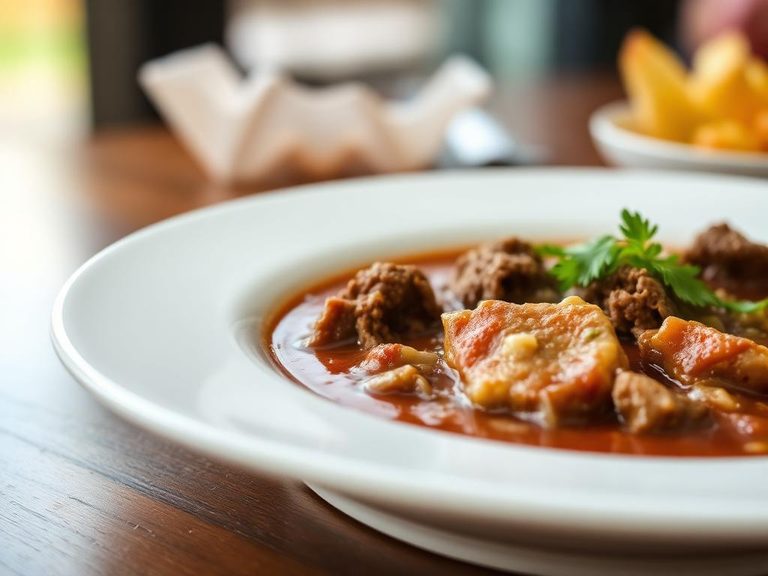
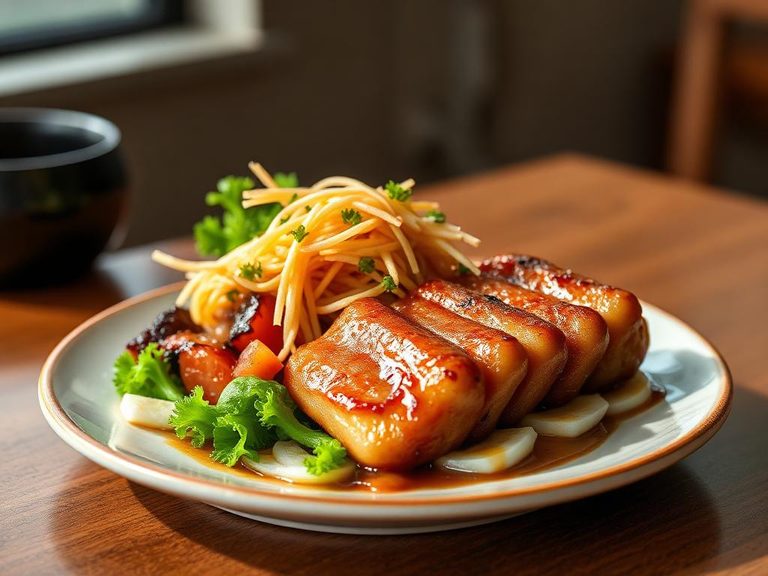
🍽️ Popular dishes
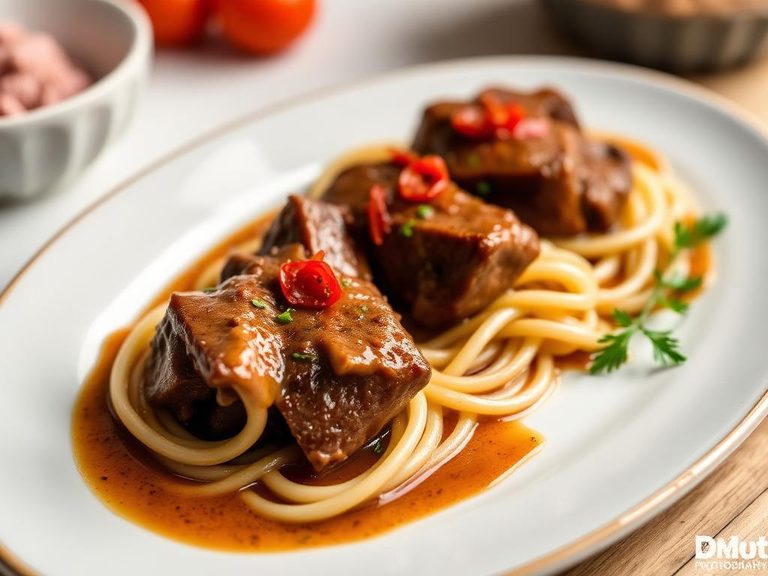
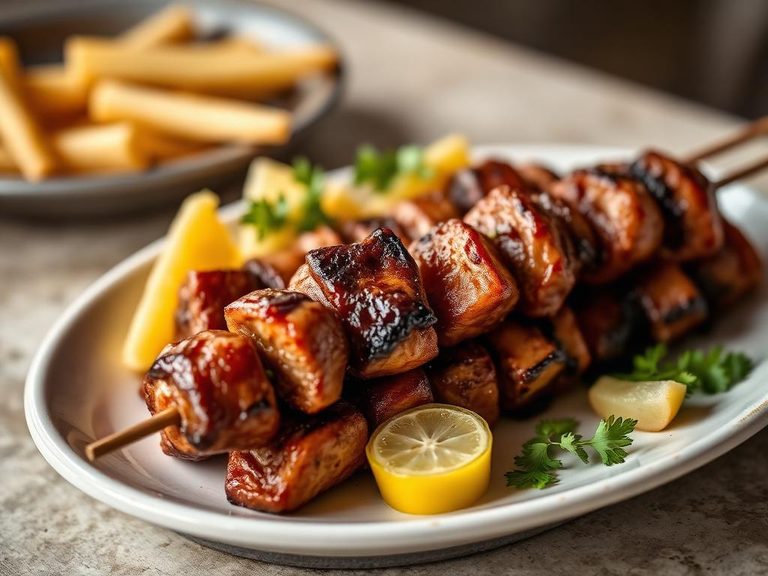
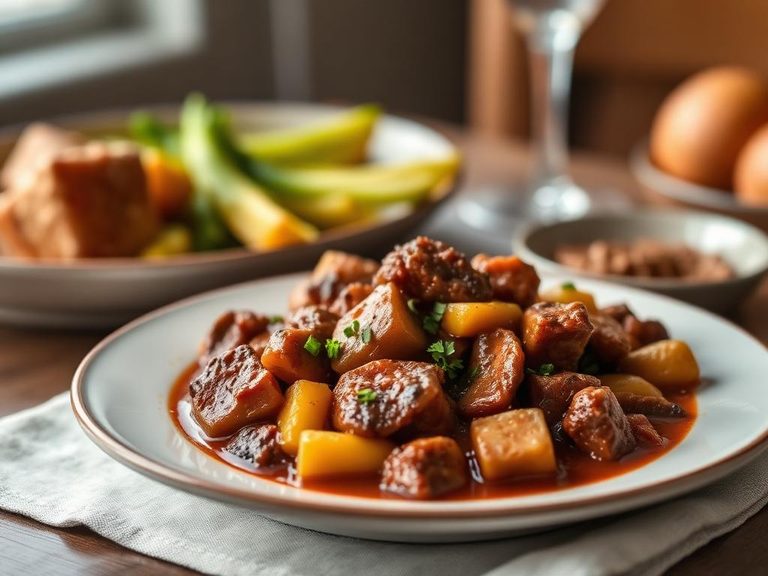
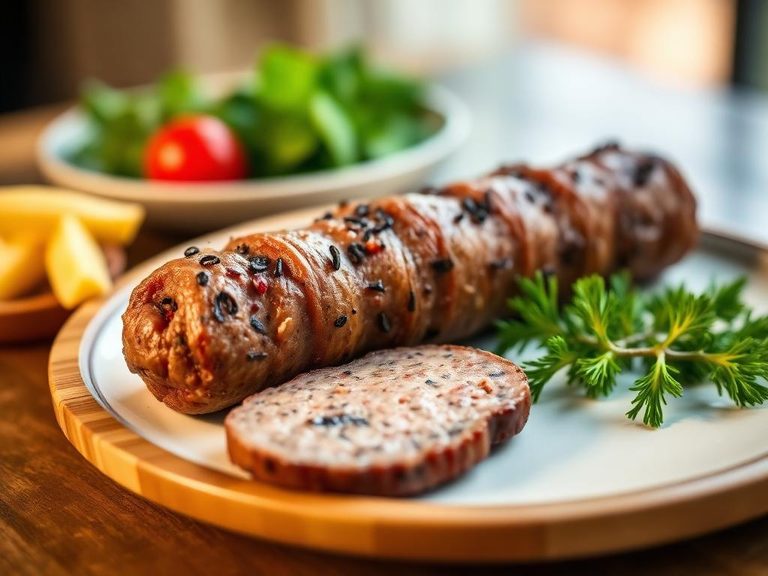
🌍 Where it's eaten
💡 Did you know?
The pancreas is both an endocrine gland (producing hormones like insulin) and an exocrine gland (producing digestive enzymes), making it one of the body's most versatile organs.
Full nutrition (USDA data · scales with serving)
| Water | 65.2 g |
| Energy | 235 kcal |
| Energy | 983 kj |
| Protein | 15.7 g |
| Total lipid (fat) | 18.6 g |
| Ash | 1.3 g |
| Carbohydrate, by difference | 0.00 g |
| Fiber, total dietary | 0.00 g |
| Calcium, Ca | 9.0 mg |
| Iron, Fe | 2.2 mg |
| Magnesium, Mg | 18.0 mg |
| Phosphorus, P | 327 mg |
| Potassium, K | 276 mg |
| Sodium, Na | 67.0 mg |
| Zinc, Zn | 2.6 mg |
| Copper, Cu | 0.06 mg |
| Manganese, Mn | 0.15 mg |
| Selenium, Se | 24.7 ug |
| Vitamin C, total ascorbic acid | 13.7 mg |
| Thiamin | 0.14 mg |
| Riboflavin | 0.45 mg |
| Niacin | 4.5 mg |
| Pantothenic acid | 3.9 mg |
| Vitamin B-6 | 0.20 mg |
| Folate, total | 3.0 ug |
| Folic acid | 0.00 ug |
| Folate, food | 3.0 ug |
| Folate, DFE | 3.0 ug |
| Vitamin B-12 | 14.0 ug |
| Vitamin A, RAE | 0.00 ug |
| Retinol | 0.00 ug |
| Vitamin A, IU | 0.00 iu |
Fat & fatty acid profile (per 100g)
| Fatty acids, total saturated | 6.4 g |
| SFA 4:0 | 0.00 g |
| SFA 6:0 | 0.00 g |
| SFA 8:0 | 0.00 g |
| SFA 10:0 | 0.00 g |
| SFA 12:0 | 0.00 g |
| SFA 14:0 | 0.15 g |
| SFA 16:0 | 3.4 g |
| SFA 18:0 | 2.4 g |
| Fatty acids, total monounsaturated | 6.4 g |
| MUFA 16:1 | 1.1 g |
| MUFA 18:1 | 5.3 g |
| MUFA 20:1 | 0.00 g |
| MUFA 22:1 | 0.00 g |
| Fatty acids, total polyunsaturated | 3.5 g |
| PUFA 18:2 | 2.0 g |
| PUFA 18:3 | 0.13 g |
| PUFA 18:4 | 0.00 g |
| PUFA 20:4 | 0.80 g |
| PUFA 20:5 n-3 (EPA) | 0.00 g |
| PUFA 22:5 n-3 (DPA) | 0.00 g |
| PUFA 22:6 n-3 (DHA) | 0.00 g |
| Cholesterol | 205 mg |
| Phytosterols | 0.00 mg |
Amino acid profile (per 100g)
| Tryptophan | 0.20 g |
| Threonine | 0.73 g |
| Isoleucine | 0.79 g |
| Leucine | 1.2 g |
| Lysine | 1.2 g |
| Methionine | 0.28 g |
| Cystine | 0.20 g |
| Phenylalanine | 0.65 g |
| Tyrosine | 0.69 g |
| Valine | 0.84 g |
| Arginine | 0.90 g |
| Histidine | 0.31 g |
| Alanine | 0.80 g |
| Aspartic acid | 1.5 g |
| Glutamic acid | 1.3 g |
| Glycine | 0.96 g |
| Proline | 0.80 g |
| Serine | 0.63 g |
FAQ
What does beef pancreas taste like?
It has a rich, deep, slightly sweet and mineral flavor, more pronounced than muscle meat. The texture is smooth and can be creamy when cooked properly, but becomes tough and rubbery if overcooked.
How do you prepare and cook beef pancreas?
It's often simmered, braised, or ground. For whole pieces, slow-cooking methods like braising in liquid are best to tenderize it. It's frequently marinated to mellow its strong flavor and is a common ingredient in sausages and pâtés where it's blended with other meats.
Is eating organ meat like pancreas safe and nutritious?
Yes, for most people, it's a highly nutritious food, dense in protein, B-vitamins, and minerals. As with any organ meat, it should be sourced from healthy, well-raised animals and consumed in moderation as part of a balanced diet.
Nutrient density (calculated · NRF9.3)
Nutrient Rich Foods index: beneficial nutrients (protein, fiber, vitamins, minerals) minus saturated fat, added sugar & sodium, per 100 kcal.
NRF9.3 index — Fulgoni, Keast & Drewnowski, 2009. Computed from USDA nutrients.
Weight-loss friendliness (composite index)
Energy density 2.35 kcal/g · 27% calories from protein · 0.0 g fiber · 0.0 g sugar per 100 g.
Composite of energy density (Rolls et al., 1999), protein & fiber satiety, minus sugar. A calculated heuristic — ranks satiety-per-calorie, not a clinical measure.
Dietary load (calculated from USDA values)
Potential renal acid load. Positive = acid-forming, negative = alkaline-forming.
Sodium-to-potassium ratio: 0.24 (lower is better — aim for ≤ 1)
Sodium:potassium per WHO potassium guidance. Computed from USDA nutrients.