

Beef, round, top round, separable lean only, trimmed to 0" fat, select, cooked, braised
Whole food · Beef Products
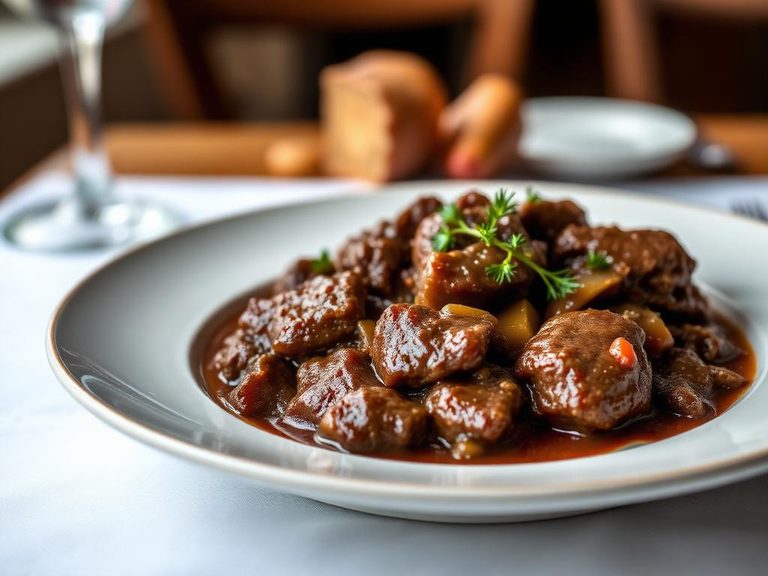
This is a lean, iron-rich cut from the beef round, braised to a tender, fork-shreddable texture. Its deep, beefy flavor is concentrated by slow cooking, while the nearly fat-free profile makes it a protein powerhouse. The braising process breaks down connective tissue, transforming a tough muscle into succulent, versatile shreds.
Calorie split: 80% protein · 0% carbs · 20% fat
↓ Full nutrition💚 Why it's loved
People love it for its deep, savory beef flavor and satisfying, tender texture after braising. It's a kitchen workhorse, perfect for meal prep as it shreds beautifully for tacos, salads, and sandwiches.
⚠️ Watch-outs & how to enjoy it better
The very low fat content can make it dry if overcooked; it requires proper braising liquid and technique. As a red meat, it should be consumed in moderation by those monitoring saturated fat intake. Tip: Always slice against the grain and braise in a flavorful liquid (like broth with aromatics) to ensure tenderness and moisture.
Key benefits
- Excellent source of high-quality protein (36g per 100g)
- Naturally very low in fat and carbohydrates
- Rich in iron (heme iron, highly bioavailable)
- Provides B vitamins, especially B12 and niacin
- Versatile base for high-protein, low-carb meals
🍽️ Popular dishes
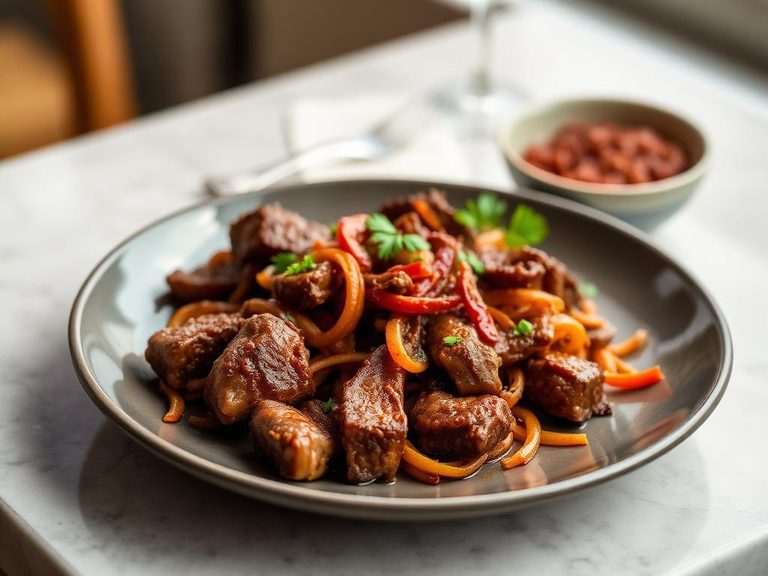
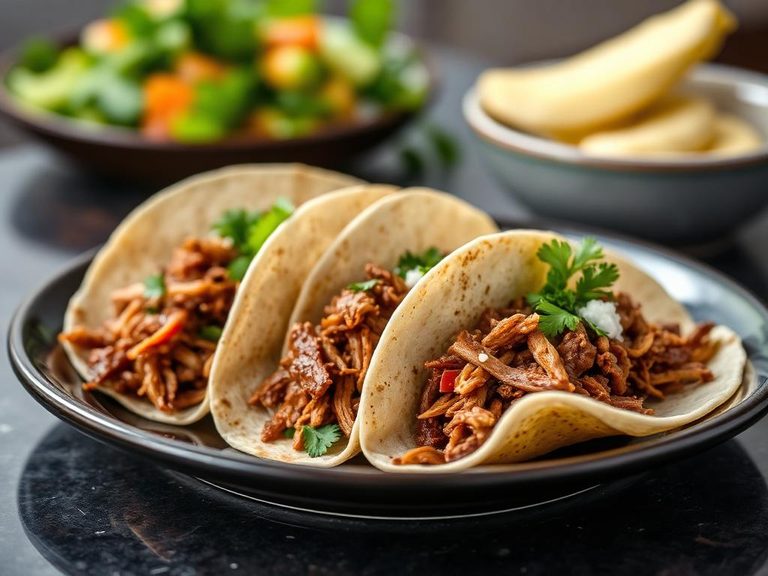
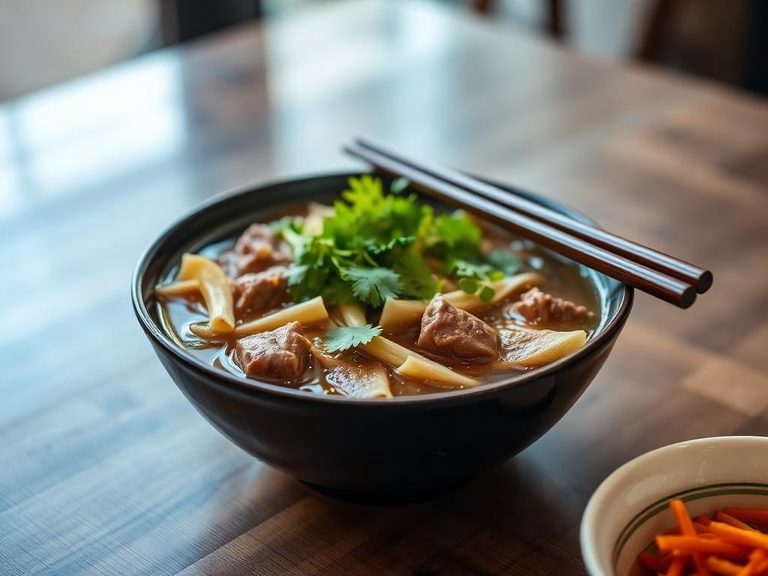
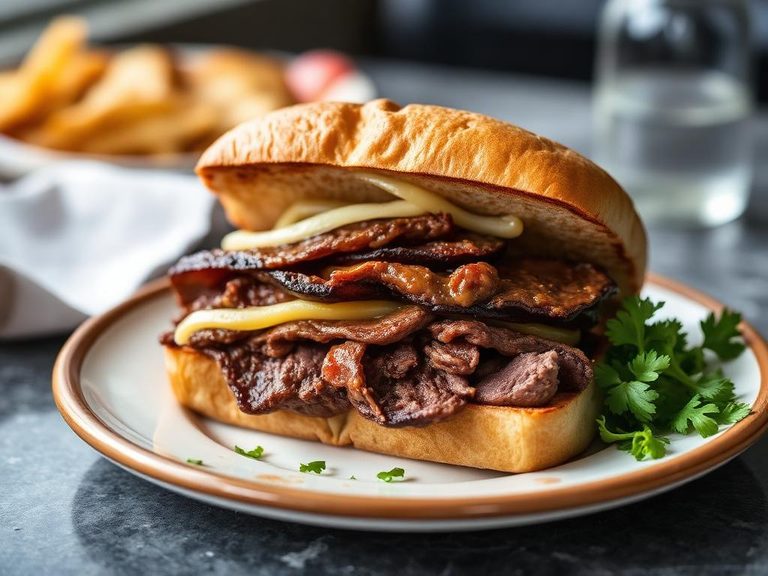
🌍 Where it's eaten
💡 Did you know?
The 'top round' comes from the heavily exercised upper leg of the cow, which is why it's so lean and flavorful, but also why it requires slow, moist cooking to become tender.
Full nutrition (USDA data · scales with serving)
| Water | 59.3 g |
| Energy | 190 kcal |
| Energy | 795 kj |
| Protein | 36.1 g |
| Total lipid (fat) | 4.0 g |
| Ash | 1.8 g |
| Carbohydrate, by difference | 0.00 g |
| Fiber, total dietary | 0.00 g |
| Total Sugars | 0.00 g |
| Calcium, Ca | 4.0 mg |
| Iron, Fe | 3.3 mg |
| Magnesium, Mg | 26.0 mg |
| Phosphorus, P | 226 mg |
| Potassium, K | 334 mg |
| Sodium, Na | 45.0 mg |
| Zinc, Zn | 4.6 mg |
| Copper, Cu | 0.12 mg |
| Manganese, Mn | 0.02 mg |
| Selenium, Se | 33.0 ug |
| Vitamin C, total ascorbic acid | 0.00 mg |
| Thiamin | 0.07 mg |
| Riboflavin | 0.25 mg |
| Niacin | 3.8 mg |
| Pantothenic acid | 0.37 mg |
| Vitamin B-6 | 0.28 mg |
| Folate, total | 9.0 ug |
| Folic acid | 0.00 ug |
| Folate, food | 9.0 ug |
| Folate, DFE | 9.0 ug |
| Choline, total | 138 mg |
| Betaine | 18.1 mg |
| Vitamin B-12 | 2.7 ug |
| Vitamin B-12, added | 0.00 ug |
| Vitamin A, RAE | 0.00 ug |
| Carotene, beta | 0.00 ug |
| Carotene, alpha | 0.00 ug |
| Cryptoxanthin, beta | 0.00 ug |
| Vitamin A, IU | 0.00 iu |
| Lycopene | 0.00 ug |
| Lutein + zeaxanthin | 0.00 ug |
| Alcohol, ethyl | 0.00 g |
| Caffeine | 0.00 mg |
| Theobromine | 0.00 mg |
Fat & fatty acid profile (per 100g)
| Fatty acids, total saturated | 1.4 g |
| SFA 4:0 | 0.00 g |
| SFA 6:0 | 0.00 g |
| SFA 8:0 | 0.00 g |
| SFA 10:0 | 0.00 g |
| SFA 12:0 | 0.00 g |
| SFA 14:0 | 0.09 g |
| SFA 16:0 | 0.84 g |
| SFA 18:0 | 0.44 g |
| Fatty acids, total monounsaturated | 1.6 g |
| MUFA 16:1 | 0.13 g |
| MUFA 18:1 | 1.4 g |
| MUFA 20:1 | 0.00 g |
| Fatty acids, total polyunsaturated | 0.18 g |
| PUFA 18:2 | 0.14 g |
| PUFA 18:3 | 0.01 g |
| PUFA 18:4 | 0.00 g |
| PUFA 20:4 | 0.03 g |
| Cholesterol | 90.0 mg |
Amino acid profile (per 100g)
| Tryptophan | 0.41 g |
| Threonine | 1.6 g |
| Isoleucine | 1.6 g |
| Leucine | 2.9 g |
| Lysine | 3.0 g |
| Methionine | 0.93 g |
| Cystine | 0.41 g |
| Phenylalanine | 1.4 g |
| Tyrosine | 1.2 g |
| Valine | 1.8 g |
| Arginine | 2.3 g |
| Histidine | 1.2 g |
| Alanine | 2.2 g |
| Aspartic acid | 3.3 g |
| Glutamic acid | 5.4 g |
| Glycine | 2.0 g |
| Proline | 1.6 g |
| Serine | 1.4 g |
FAQ
Why is my braised top round tough?
It was likely not cooked long enough. The tough connective tissue (collagen) needs time in moist heat (2-3 hours) to break down into gelatin, which makes the meat tender and juicy.
Can I cook this cut quickly, like pan-searing?
Not recommended. Quick, dry-heat methods will result in a very tough, chewy steak. This cut is specifically designed for slow, moist-heat cooking methods like braising, stewing, or simmering.
How do I store and reheat leftovers?
Store shredded beef in its cooking liquid in an airtight container in the fridge for up to 4 days. Reheat gently in a saucepan over medium-low heat, adding a splash of broth if needed to prevent drying out.
Nutrient density (calculated · NRF9.3)
Nutrient Rich Foods index: beneficial nutrients (protein, fiber, vitamins, minerals) minus saturated fat, added sugar & sodium, per 100 kcal.
NRF9.3 index — Fulgoni, Keast & Drewnowski, 2009. Computed from USDA nutrients.
Weight-loss friendliness (composite index)
Energy density 1.90 kcal/g · 76% calories from protein · 0.0 g fiber · 0.0 g sugar per 100 g.
Composite of energy density (Rolls et al., 1999), protein & fiber satiety, minus sugar. A calculated heuristic — ranks satiety-per-calorie, not a clinical measure.
Dietary load (calculated from USDA values)
Potential renal acid load. Positive = acid-forming, negative = alkaline-forming.
Sodium-to-potassium ratio: 0.13 (lower is better — aim for ≤ 1)
Sodium:potassium per WHO potassium guidance. Computed from USDA nutrients.