

Beef, Australian, imported, Wagyu, seam fat, Aust. marble score 9, raw
Whole food · Beef Products

Photo: Wikipedia
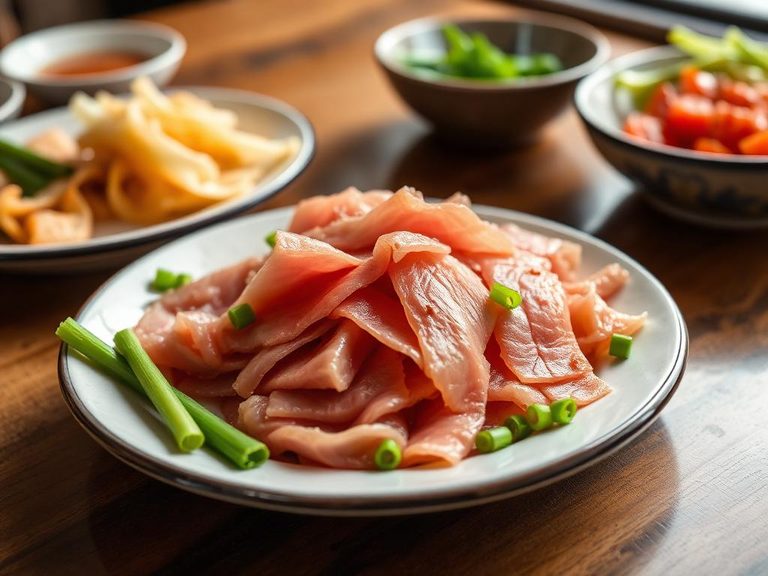
This is the pinnacle of marbled beef, a raw cut of Australian Wagyu with a rare marble score of 9, meaning its intramuscular fat is so abundant it resembles fine white snowflakes throughout the deep red meat. The texture is famously buttery and melt-in-your-mouth, with a rich, beefy, and slightly sweet flavor profile that intensifies with cooking. Nutritionally, it is an extremely energy-dense food, providing a massive 67 grams of fat per 100g serving.
Calorie split: 3% protein · 0% carbs · 97% fat
↓ Full nutrition💚 Why it's loved
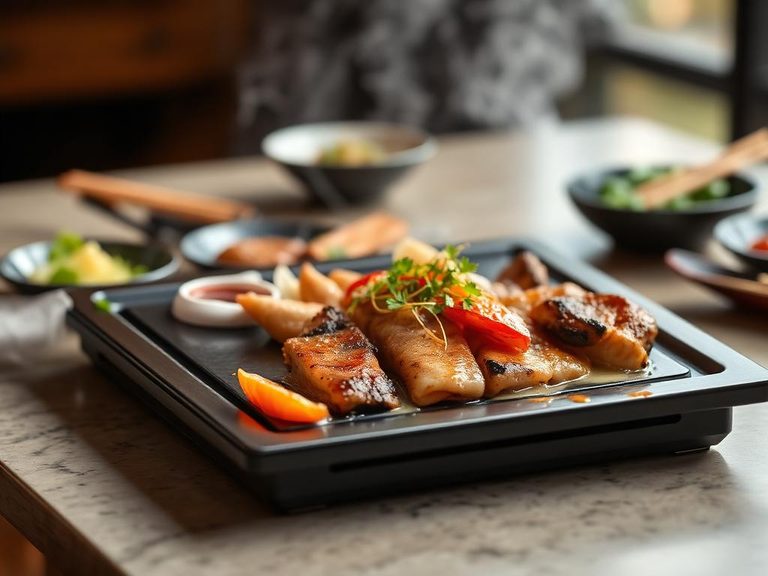
People love it for its unparalleled, luxurious eating experience—the fat renders into a savory, umami-rich sauce that coats the palate. It's a celebratory centerpiece in cuisines from Japanese teppanyaki to modern steakhouse dining.
⚠️ Watch-outs & how to enjoy it better
Its extreme fat content makes it very high in calories and not suitable for low-fat diets. Consuming large portions can lead to significant caloric intake. To enjoy it mindfully, practice strict portion control (treat it as a rich delicacy, not a daily staple) and pair it with large servings of fiber-rich vegetables like grilled asparagus or a crisp salad to add volume and balance the meal.
Key benefits
- Exceptionally high in monounsaturated fats, particularly oleic acid.
- A concentrated source of energy and essential fatty acids.
- Contains conjugated linoleic acid (CLA), a naturally occurring fatty acid.
- Rich in bioavailable heme iron and vitamin B12.
🍽️ Popular dishes
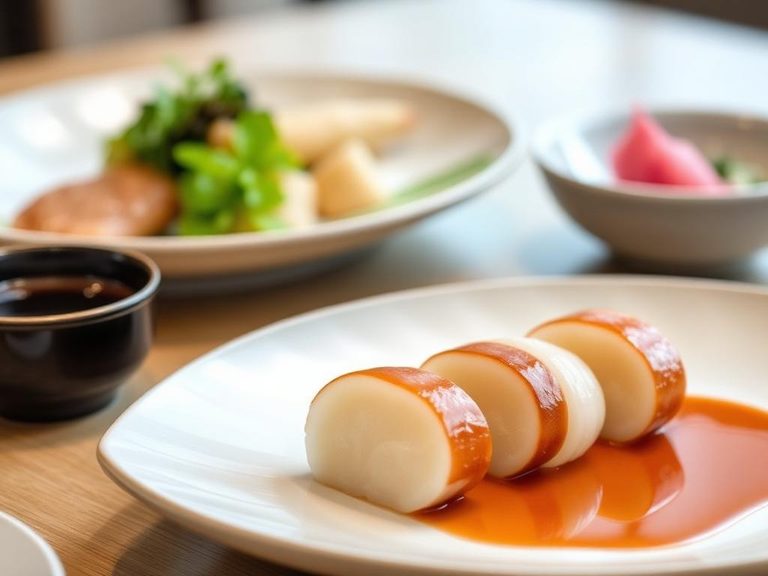
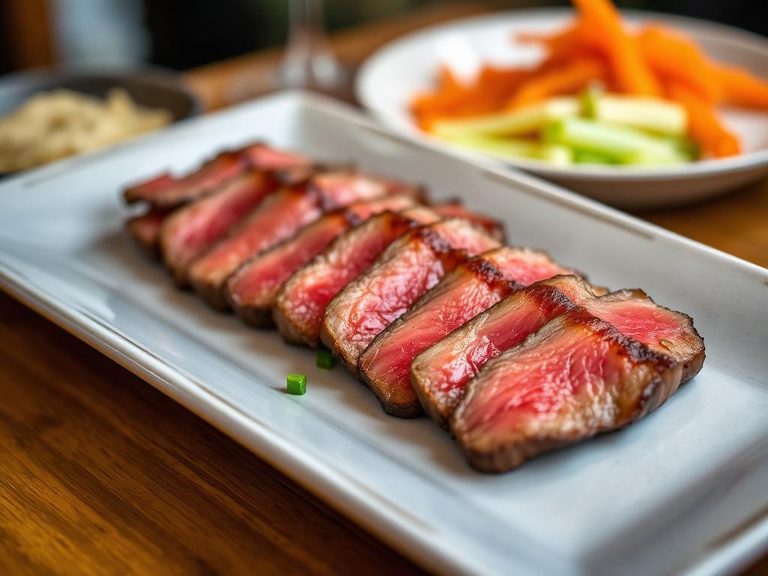
🌍 Where it's eaten
💡 Did you know?
The 'seam fat' refers to the fat between muscle groups, which, in a marble score 9 Wagyu, is so plentiful and finely integrated it's considered a premium feature, not a flaw to be trimmed.
Full nutrition (USDA data · scales with serving)
| Water | 28.1 g |
| Energy | 627 kcal |
| Energy | 2622 kj |
| Protein | 5.2 g |
| Total lipid (fat) | 67.3 g |
| Ash | 0.22 g |
| Carbohydrate, by difference | 0.00 g |
| Fiber, total dietary | 0.00 g |
| Total Sugars | 0.00 g |
| Sucrose | 0.00 g |
| Glucose | 0.00 g |
| Fructose | 0.00 g |
| Lactose | 0.00 g |
| Maltose | 0.00 g |
| Galactose | 0.00 g |
| Calcium, Ca | 2.0 mg |
| Iron, Fe | 0.91 mg |
| Sodium, Na | 27.0 mg |
| Vitamin C, total ascorbic acid | 0.00 mg |
| Vitamin A, RAE | 22.0 ug |
| Retinol | 22.0 ug |
| Vitamin A, IU | 74.0 iu |
Fat & fatty acid profile (per 100g)
| Fatty acids, total saturated | 22.5 g |
| SFA 10:0 | 0.02 g |
| SFA 12:0 | 0.03 g |
| SFA 14:0 | 1.6 g |
| SFA 15:0 | 0.25 g |
| SFA 16:0 | 13.3 g |
| SFA 17:0 | 0.62 g |
| SFA 18:0 | 6.6 g |
| SFA 20:0 | 0.06 g |
| SFA 22:0 | 0.01 g |
| SFA 24:0 | 0.01 g |
| Fatty acids, total monounsaturated | 35.2 g |
| MUFA 14:1 | 0.68 g |
| MUFA 16:1 | 2.4 g |
| MUFA 18:1 | 31.8 g |
| MUFA 18:1 c | 29.4 g |
| MUFA 18:1-11 t (18:1t n-7) | 2.1 g |
| MUFA 20:1 | 0.25 g |
| Fatty acids, total polyunsaturated | 2.2 g |
| PUFA 18:2 | 1.9 g |
| PUFA 18:2 n-6 c,c | 1.4 g |
| PUFA 18:3 | 0.19 g |
| PUFA 18:3 n-3 c,c,c (ALA) | 0.09 g |
| PUFA 18:3i | 0.10 g |
| PUFA 18:4 | 0.01 g |
| PUFA 20:2 n-6 c,c | 0.01 g |
| PUFA 20:3 | 0.01 g |
| PUFA 20:4 | 0.03 g |
| PUFA 20:5 n-3 (EPA) | 0.01 g |
| PUFA 22:5 n-3 (DPA) | 0.02 g |
| Fatty acids, total trans | 3.0 g |
| Fatty acids, total trans-monoenoic | 2.5 g |
| TFA 18:1 t | 2.5 g |
| TFA 18:2 t not further defined | 0.47 g |
| Fatty acids, total trans-polyenoic | 0.57 g |
| Cholesterol | 96.0 mg |
Amino acid profile (per 100g)
Estimated from Beef, variety meats and by-products, mechanically separated beef, raw — USDA does not publish this profile for Beef.
| Tryptophan | 0.17 g |
| Threonine | 0.47 g |
| Isoleucine | 0.58 g |
| Leucine | 1.2 g |
| Lysine | 1.2 g |
| Methionine | 0.43 g |
| Cystine | 0.23 g |
| Phenylalanine | 0.64 g |
| Tyrosine | 0.38 g |
| Valine | 0.92 g |
| Arginine | 1.2 g |
| Histidine | 0.44 g |
| Alanine | 1.0 g |
| Aspartic acid | 1.3 g |
| Glutamic acid | 2.1 g |
| Glycine | 1.2 g |
| Proline | 0.92 g |
| Serine | 0.57 g |
FAQ
What does 'marble score 9' mean?
It refers to the Beef Marbling Standard (BMS), a scale from 1-12. A score of 9 indicates an exceptionally high degree of intramuscular fat, creating a dense, web-like pattern of white fat within the red muscle.
How is Australian Wagyu different from Japanese Wagyu?
Australian Wagyu is typically a crossbreed (e.g., Japanese Black cattle crossed with Angus), raised in Australia. It often has slightly less extreme marbling than purebred Japanese A5 but still far exceeds conventional beef, offering a balance of rich flavor and a firmer texture.
What's the best way to cook this cut?
Given its high fat content, quick, high-heat methods are ideal. Searing on a very hot pan, teppanyaki grill, or using a blowtorch renders the fat beautifully without overcooking the meat. It's best served rare to medium-rare.
Nutrient density (calculated · NRF9.3)
Nutrient Rich Foods index: beneficial nutrients (protein, fiber, vitamins, minerals) minus saturated fat, added sugar & sodium, per 100 kcal.
NRF9.3 index — Fulgoni, Keast & Drewnowski, 2009. Computed from USDA nutrients.
Weight-loss friendliness (composite index)
Energy density 6.27 kcal/g · 3% calories from protein · 0.0 g fiber · 0.0 g sugar per 100 g.
Composite of energy density (Rolls et al., 1999), protein & fiber satiety, minus sugar. A calculated heuristic — ranks satiety-per-calorie, not a clinical measure.