

Kaiseki
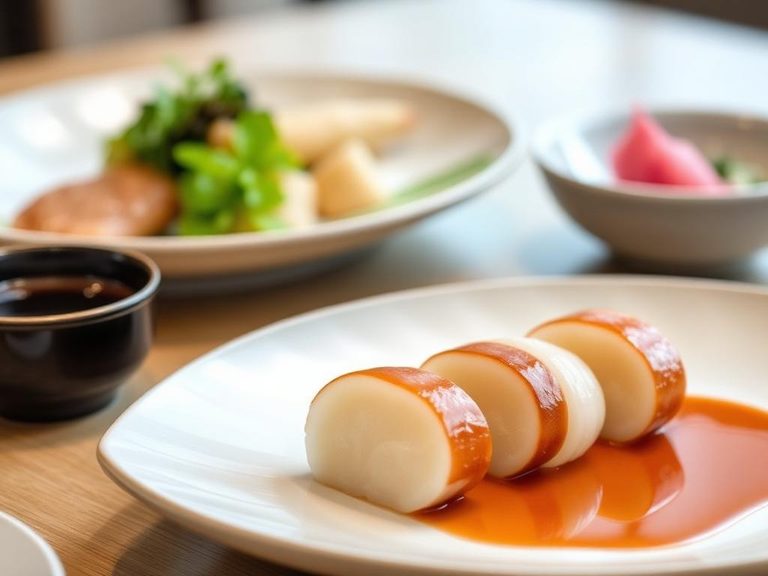
Kaiseki is a traditional multi-course Japanese dinner that emphasizes seasonality, artistry, and balance. It typically features a sequence of small, beautifully presented dishes including sashimi, grilled items, simmered vegetables, rice, and a light soup, all made with fresh, local ingredients. Originating from Kyoto, it is considered the pinnacle of Japanese haute cuisine.
🍽️ Nutrition at a glance
Kaiseki is generally a balanced, nutrient-dense meal, moderate in carbohydrates and protein, and low in fat. It provides a wide array of vitamins and minerals from its diverse vegetable and seafood components, with a typical full-course meal ranging from 800 to 1200 calories.
Nutrition breakdown
| Calories | 1000 kcal |
| Protein | 55 g |
| Carbs | 110 g |
| Fat | 35 g |
| Fiber | 12 g |
| Sugar | 15 g |
| Sodium | 1800 mg |
| Vitamin D | 15 mcg |
| Vitamin B12 | 12 mcg |
| Omega-3 Fatty Acids | 2.5 g |
| Potassium | 1200 mg |
| Magnesium | 150 mg |
| Zinc | 8 mg |
| Selenium | 65 mcg |
| Vitamin K | 90 mcg |
Per One full multi-course meal (approx. 800-1000 g total) · estimated, varies by recipe
💡 What's interesting
Kaiseki is deeply rooted in the Japanese aesthetic of 'shun' (seasonality) and 'omotenashi' (wholehearted hospitality), where each dish reflects the current season and the chef's artistic vision. Nutritionally, its emphasis on variety and portion control naturally aligns with principles of a balanced diet.
AI estimate may be inaccurate · Terms