

Beef, Australian, imported, Wagyu, loin, tenderloin steak/roast, boneless, separable lean only, Aust. marble score 4/5, raw
Whole food · Beef Products

Photo: Wikipedia
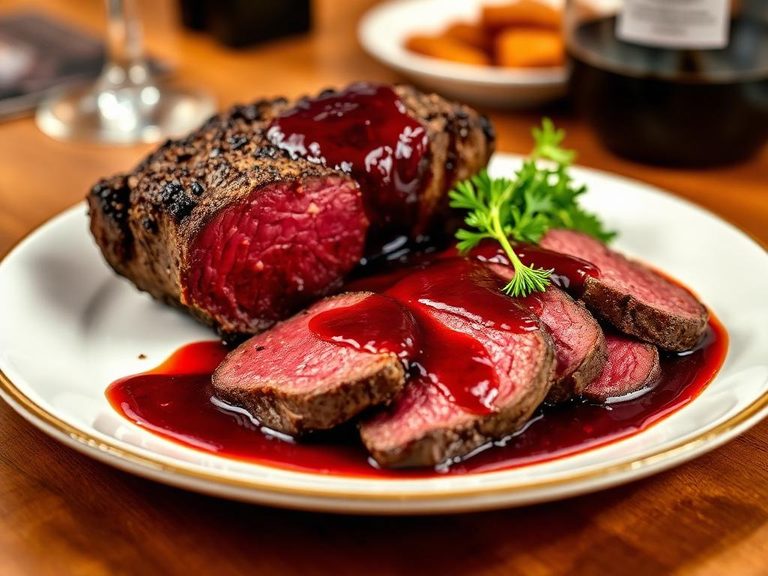
This is a premium cut of Australian Wagyu beef, specifically the boneless tenderloin, known for its exceptionally fine marbling (score 4/5) and buttery texture. It delivers a rich, beefy flavor with a melt-in-your-mouth quality due to its intramuscular fat. Nutritionally, it's a high-protein, zero-carb food with a moderate fat content for its category.
Calorie split: 42% protein · 0% carbs · 58% fat
↓ Full nutrition💚 Why it's loved
People love it for its unparalleled tenderness and luxurious, buttery flavor that comes from the fine marbling. It's prized for its versatility, easily becoming the star of a simple pan-seared steak or an elegant roast.
⚠️ Watch-outs & how to enjoy it better
As a red meat, it is high in saturated fat and cholesterol, which may be a concern for individuals managing heart health. To counteract this, practice strict portion control (stick to the recommended serving) and balance the meal with fiber-rich vegetables like roasted broccoli or a leafy green salad. Its premium cost also makes it a special-occasion item for most.
Key benefits
- Excellent source of complete protein (20.19g per 100g).
- Contains zero carbohydrates, sugars, or fiber.
- Provides a significant source of iron and B vitamins.
- The fine marbling offers a source of monounsaturated fats.
- Highly versatile for both quick searing and slow roasting.
🍽️ Popular dishes
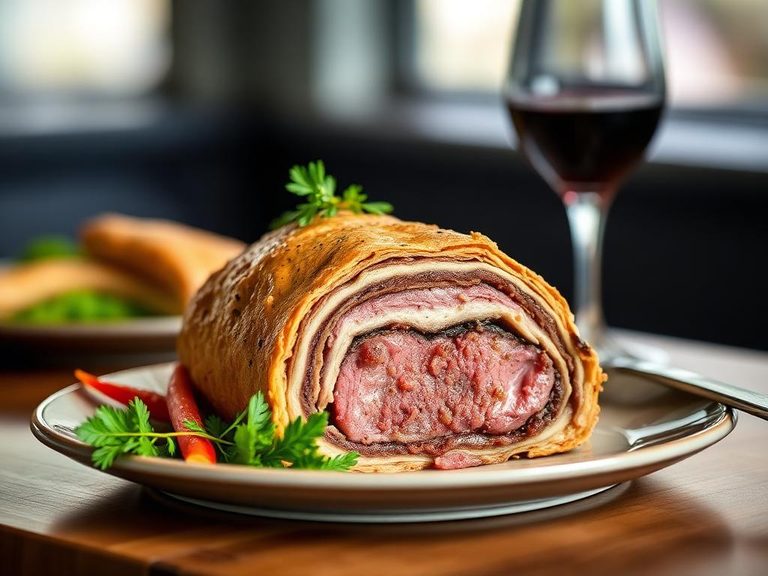
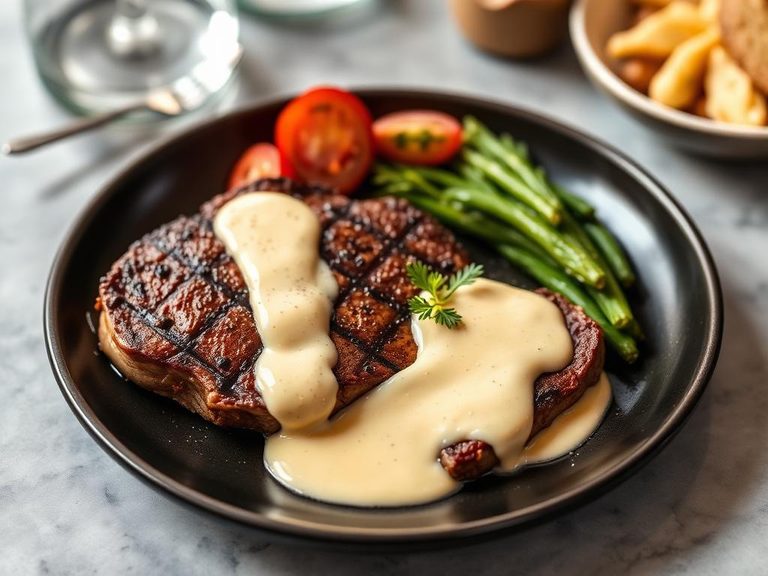
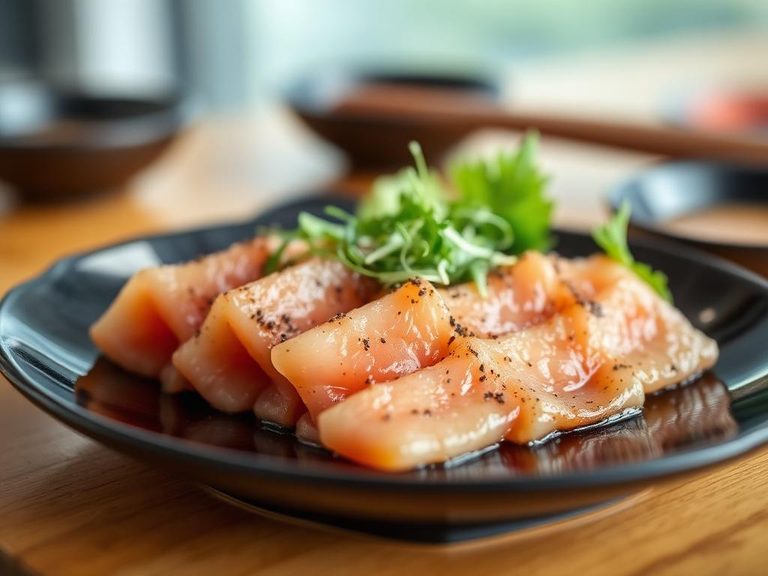
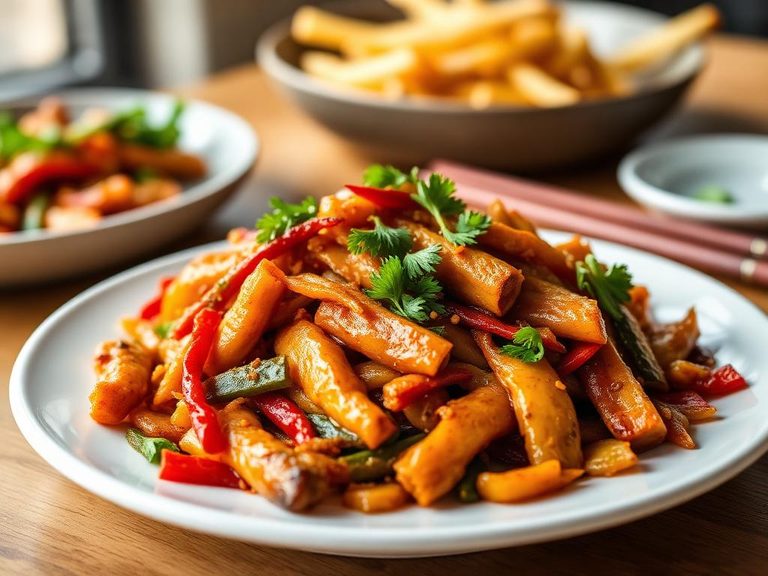
🌍 Where it's eaten
💡 Did you know?
The 'Wagyu' name literally means 'Japanese cow,' but Australia is now one of the world's largest exporters of Wagyu beef, having imported Japanese genetics and crossbred them with local cattle.
Full nutrition (USDA data · scales with serving)
| Water | 66.5 g |
| Energy | 191 kcal |
| Energy | 801 kj |
| Protein | 20.2 g |
| Total lipid (fat) | 12.3 g |
| Ash | 1.0 g |
| Carbohydrate, by difference | 0.00 g |
| Fiber, total dietary | 0.00 g |
| Total Sugars | 0.00 g |
| Calcium, Ca | 4.0 mg |
| Iron, Fe | 2.2 mg |
| Sodium, Na | 64.0 mg |
| Vitamin C, total ascorbic acid | 0.00 mg |
| Vitamin A, RAE | 0.00 ug |
| Carotene, beta | 0.00 ug |
| Carotene, alpha | 0.00 ug |
| Cryptoxanthin, beta | 0.00 ug |
| Vitamin A, IU | 0.00 iu |
| Lycopene | 0.00 ug |
| Lutein + zeaxanthin | 0.00 ug |
| Alcohol, ethyl | 0.00 g |
| Caffeine | 0.00 mg |
| Theobromine | 0.00 mg |
Fat & fatty acid profile (per 100g)
| Fatty acids, total saturated | 5.5 g |
| SFA 4:0 | 0.00 g |
| SFA 6:0 | 0.00 g |
| SFA 8:0 | 0.00 g |
| SFA 10:0 | 0.01 g |
| SFA 12:0 | 0.01 g |
| SFA 14:0 | 0.35 g |
| SFA 15:0 | 0.06 g |
| SFA 16:0 | 3.1 g |
| SFA 17:0 | 0.17 g |
| SFA 18:0 | 1.8 g |
| SFA 20:0 | 0.01 g |
| SFA 22:0 | 0.01 g |
| Fatty acids, total monounsaturated | 5.2 g |
| MUFA 14:1 | 0.07 g |
| MUFA 16:1 | 0.30 g |
| MUFA 18:1 | 4.9 g |
| MUFA 18:1 c | 4.5 g |
| MUFA 20:1 | 0.02 g |
| Fatty acids, total polyunsaturated | 0.49 g |
| PUFA 18:2 | 0.37 g |
| PUFA 18:2 n-6 c,c | 0.32 g |
| PUFA 18:3 | 0.03 g |
| PUFA 18:3 n-3 c,c,c (ALA) | 0.02 g |
| PUFA 18:3i | 0.01 g |
| PUFA 18:4 | 0.00 g |
| PUFA 20:2 n-6 c,c | 0.01 g |
| PUFA 20:4 | 0.07 g |
| PUFA 20:5 n-3 (EPA) | 0.01 g |
| PUFA 22:5 n-3 (DPA) | 0.01 g |
| Fatty acids, total trans | 0.46 g |
| Fatty acids, total trans-monoenoic | 0.40 g |
| TFA 18:1 t | 0.40 g |
| TFA 18:2 t not further defined | 0.05 g |
| Fatty acids, total trans-polyenoic | 0.07 g |
| Cholesterol | 59.0 mg |
Amino acid profile (per 100g)
| Tryptophan | 0.23 g |
| Threonine | 0.91 g |
| Isoleucine | 0.88 g |
| Leucine | 1.7 g |
| Lysine | 1.8 g |
| Methionine | 0.59 g |
| Cystine | 0.21 g |
| Phenylalanine | 0.79 g |
| Tyrosine | 0.72 g |
| Valine | 0.93 g |
| Arginine | 1.4 g |
| Histidine | 0.67 g |
| Alanine | 1.2 g |
| Aspartic acid | 1.9 g |
| Glutamic acid | 3.3 g |
| Glycine | 0.90 g |
| Proline | 0.83 g |
| Serine | 0.79 g |
| Hydroxyproline | 0.10 g |
FAQ
How does the Australian marble score of 4/5 compare?
A score of 4/5 indicates very good marbling, placing it in the upper tier for tenderness and flavor, though not at the extreme 'A5' level of the highest Japanese grades.
Is this cut suitable for grilling?
Yes, but due to its leanness and tenderness, it cooks very quickly. Use high, direct heat for a short time to avoid overcooking and drying it out.
What's the best way to cook it to preserve its texture?
For the tenderloin, quick, high-heat methods like pan-searing or grilling are ideal. Let it rest for 5-10 minutes after cooking to allow the juices to redistribute.
Nutrient density (calculated · NRF9.3)
Nutrient Rich Foods index: beneficial nutrients (protein, fiber, vitamins, minerals) minus saturated fat, added sugar & sodium, per 100 kcal.
NRF9.3 index — Fulgoni, Keast & Drewnowski, 2009. Computed from USDA nutrients.
Weight-loss friendliness (composite index)
Energy density 1.91 kcal/g · 42% calories from protein · 0.0 g fiber · 0.0 g sugar per 100 g.
Composite of energy density (Rolls et al., 1999), protein & fiber satiety, minus sugar. A calculated heuristic — ranks satiety-per-calorie, not a clinical measure.