

Asparagus, frozen, unprepared
Whole food · Vegetables and Vegetable Products
Frozen asparagus spears are flash-frozen at peak freshness, preserving their vibrant green color and distinct, slightly earthy, grassy flavor. The texture is tender-crisp when properly cooked, offering a satisfying bite that is less fibrous than fresh asparagus. Nutritionally, it's a low-calorie powerhouse, providing a notable amount of protein and fiber for its calorie count.
Calorie split: 41% protein · 52% carbs · 7% fat
↓ Full nutrition💚 Why it's loved
People love frozen asparagus for its convenience and reliability, delivering a consistent, savory flavor and tender texture without the prep work of trimming fresh spears. It's a versatile staple that can be quickly steamed, roasted, or added to stir-fries, embodying the essence of spring in any season.
⚠️ Watch-outs & how to enjoy it better
Some find the texture slightly softer or more watery than fresh asparagus, and its flavor can be milder. Those sensitive to FODMAPs or prone to kidney stones may need to moderate portions due to its oligosaccharide and oxalate content. To mitigate texture, avoid overcooking—blanch or sauté from frozen. For oxalates, pair with calcium-rich foods like cheese or yogurt.
Key benefits
- Excellent source of dietary fiber for digestive health.
- Provides plant-based protein with minimal fat.
- Retains more water-soluble vitamins than canned varieties.
- Convenient year-round access to a seasonal vegetable.
🍽️ Popular dishes
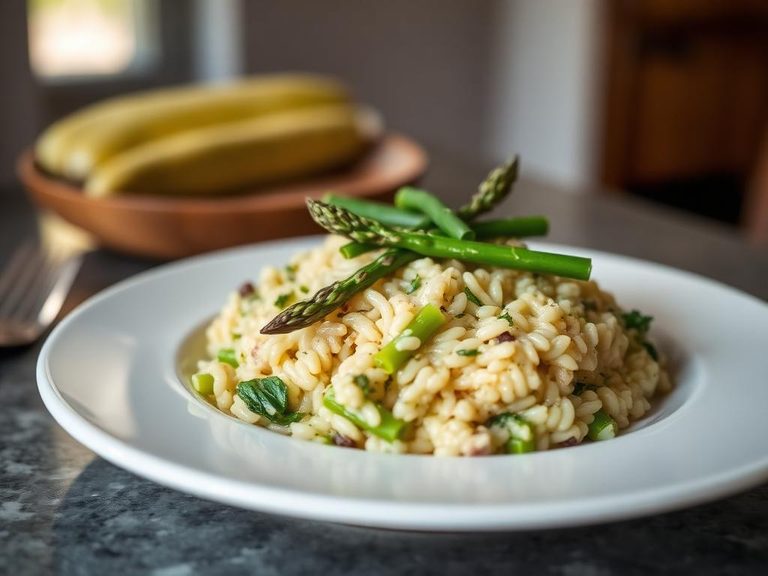
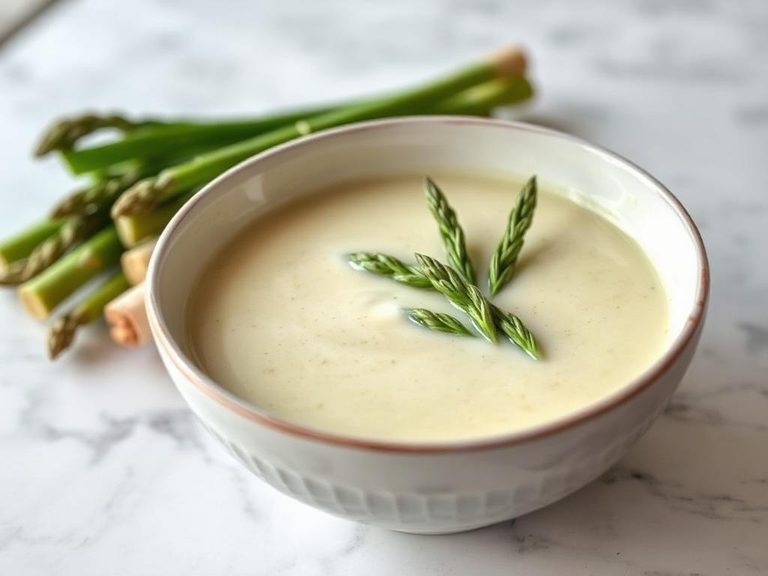
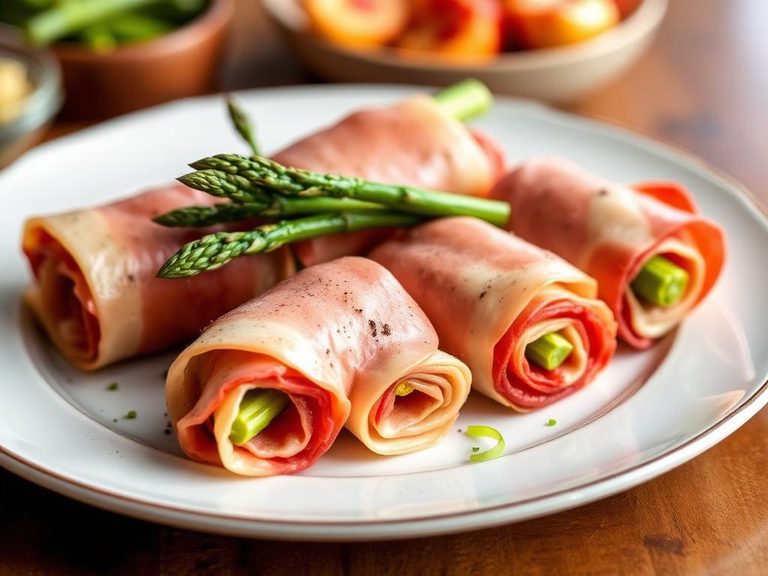
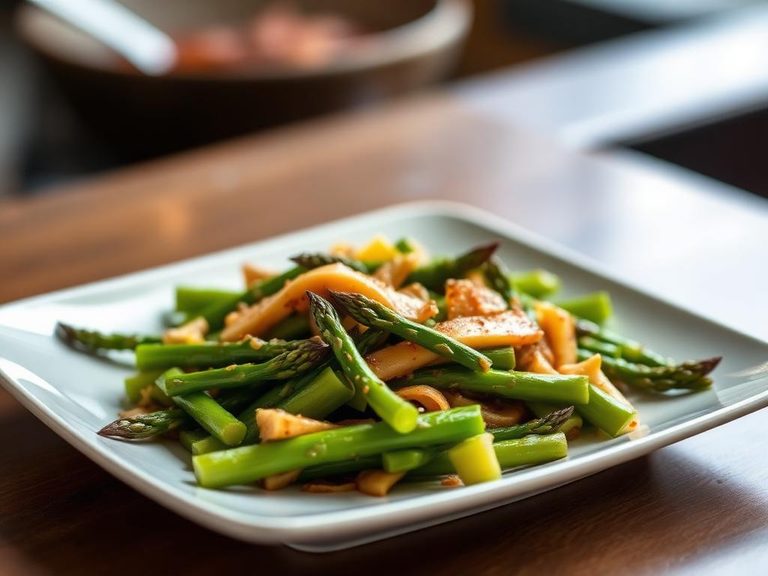
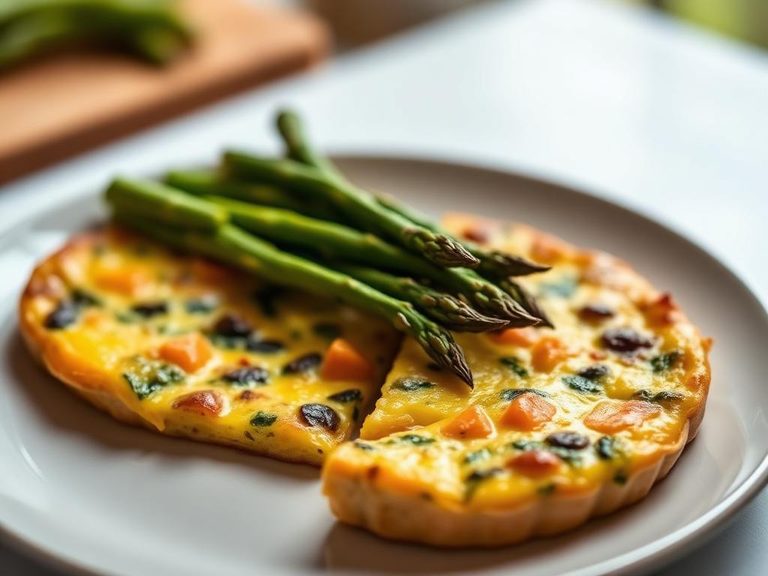
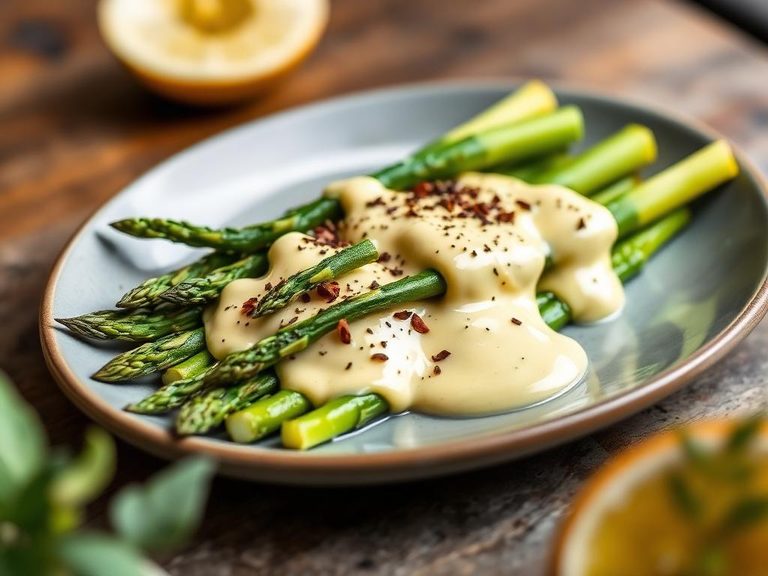
🌍 Where it's eaten
💡 Did you know?
A single asparagus plant can produce spears for 15 years or more, and a spear can grow up to 10 inches in a single day under ideal conditions.
Full nutrition (USDA data · scales with serving)
| Water | 91.8 g |
| Energy | 24.0 kcal |
| Energy | 100 kj |
| Protein | 3.2 g |
| Total lipid (fat) | 0.23 g |
| Ash | 0.62 g |
| Carbohydrate, by difference | 4.1 g |
| Fiber, total dietary | 1.9 g |
| Calcium, Ca | 25.0 mg |
| Iron, Fe | 0.73 mg |
| Magnesium, Mg | 14.0 mg |
| Phosphorus, P | 64.0 mg |
| Potassium, K | 253 mg |
| Sodium, Na | 8.0 mg |
| Zinc, Zn | 0.59 mg |
| Copper, Cu | 0.14 mg |
| Manganese, Mn | 0.20 mg |
| Selenium, Se | 1.7 ug |
| Vitamin C, total ascorbic acid | 31.8 mg |
| Thiamin | 0.12 mg |
| Riboflavin | 0.13 mg |
| Niacin | 1.2 mg |
| Pantothenic acid | 0.18 mg |
| Vitamin B-6 | 0.11 mg |
| Folate, total | 191 ug |
| Folic acid | 0.00 ug |
| Folate, food | 191 ug |
| Folate, DFE | 191 ug |
| Vitamin B-12 | 0.00 ug |
| Vitamin A, RAE | 47.0 ug |
| Retinol | 0.00 ug |
| Vitamin A, IU | 948 iu |
| Vitamin D (D2 + D3), International Units | 0.00 iu |
| Vitamin D (D2 + D3) | 0.00 ug |
| Alcohol, ethyl | 0.00 g |
Fat & fatty acid profile (per 100g)
| Fatty acids, total saturated | 0.05 g |
| SFA 4:0 | 0.00 g |
| SFA 6:0 | 0.00 g |
| SFA 8:0 | 0.00 g |
| SFA 10:0 | 0.00 g |
| SFA 12:0 | 0.00 g |
| SFA 14:0 | 0.00 g |
| SFA 16:0 | 0.05 g |
| SFA 18:0 | 0.00 g |
| Fatty acids, total monounsaturated | 0.01 g |
| MUFA 16:1 | 0.00 g |
| MUFA 18:1 | 0.01 g |
| MUFA 20:1 | 0.00 g |
| MUFA 22:1 | 0.00 g |
| Fatty acids, total polyunsaturated | 0.10 g |
| PUFA 18:2 | 0.10 g |
| PUFA 18:3 | 0.01 g |
| PUFA 18:4 | 0.00 g |
| PUFA 20:4 | 0.00 g |
| PUFA 20:5 n-3 (EPA) | 0.00 g |
| PUFA 22:5 n-3 (DPA) | 0.00 g |
| PUFA 22:6 n-3 (DHA) | 0.00 g |
| Fatty acids, total trans | 0.00 g |
| Cholesterol | 0.00 mg |
Amino acid profile (per 100g)
| Tryptophan | 0.03 g |
| Threonine | 0.09 g |
| Isoleucine | 0.12 g |
| Leucine | 0.14 g |
| Lysine | 0.15 g |
| Methionine | 0.03 g |
| Cystine | 0.04 g |
| Phenylalanine | 0.08 g |
| Tyrosine | 0.05 g |
| Valine | 0.12 g |
| Arginine | 0.15 g |
| Histidine | 0.05 g |
| Alanine | 0.15 g |
| Aspartic acid | 0.37 g |
| Glutamic acid | 0.53 g |
| Glycine | 0.10 g |
| Proline | 0.17 g |
| Serine | 0.12 g |
FAQ
How do I cook frozen asparagus to prevent it from getting mushy?
Cook directly from frozen using high-heat methods like roasting or sautéing for a shorter time (5-7 minutes). Steaming for just 3-4 minutes also works well. Avoid boiling for extended periods.
Do I need to thaw frozen asparagus before cooking?
For most methods (roasting, sautéing, stir-frying), no. Cooking from frozen helps maintain texture. For soups or purees, you can add it directly without thawing.
Is frozen asparagus as nutritious as fresh?
Often more so. Flash-freezing locks in nutrients shortly after harvest, whereas fresh asparagus can lose vitamins during transport and storage. It's a highly nutritious option year-round.
Nutrient density (calculated · NRF9.3)
Nutrient Rich Foods index: beneficial nutrients (protein, fiber, vitamins, minerals) minus saturated fat, added sugar & sodium, per 100 kcal.
NRF9.3 index — Fulgoni, Keast & Drewnowski, 2009. Computed from USDA nutrients.
Weight-loss friendliness (composite index)
Energy density 0.24 kcal/g · 54% calories from protein · 1.9 g fiber · 0.0 g sugar per 100 g.
Composite of energy density (Rolls et al., 1999), protein & fiber satiety, minus sugar. A calculated heuristic — ranks satiety-per-calorie, not a clinical measure.
Dietary load (calculated from USDA values)
Potential renal acid load. Positive = acid-forming, negative = alkaline-forming.
Sodium-to-potassium ratio: 0.03 (lower is better — aim for ≤ 1)
Sodium:potassium per WHO potassium guidance. Computed from USDA nutrients.