

Amaranth grain, cooked
Whole food · Cereal Grains and Pasta

Photo: Wikipedia
Amaranth grain, cooked, is a tiny, chewy pseudocereal with a distinct, earthy, and slightly peppery flavor that pops like miniature caviar. It has a dense, porridge-like texture when cooked, making it a satisfying base for both savory and sweet dishes. It's a nutritional powerhouse, offering a complete protein with all essential amino acids, which is rare for a grain.
Calorie split: 15% protein · 72% carbs · 14% fat
↓ Full nutrition💚 Why it's loved
People love amaranth for its unique, nutty flavor and versatile texture that can be fluffy, creamy, or popped. It's a staple in traditional cuisines from Mexico to India, celebrated for its ability to absorb spices and complement a wide range of dishes.
⚠️ Watch-outs & how to enjoy it better
The strong, earthy taste and slightly bitter aftertaste can be off-putting to some, and its dense texture may feel heavy if not cooked properly. To counteract this, pair it with acidic ingredients like lime or tomato to brighten the flavor, or toast it before cooking to enhance its nuttiness. For those concerned about oxalates, which can affect mineral absorption, soaking the grain before cooking can help reduce them.
Key benefits
- Complete protein source with all essential amino acids
- High in fiber for digestive health and satiety
- Rich in minerals like iron, magnesium, and phosphorus
- Naturally gluten-free, suitable for celiac diets
- Contains antioxidants that combat oxidative stress
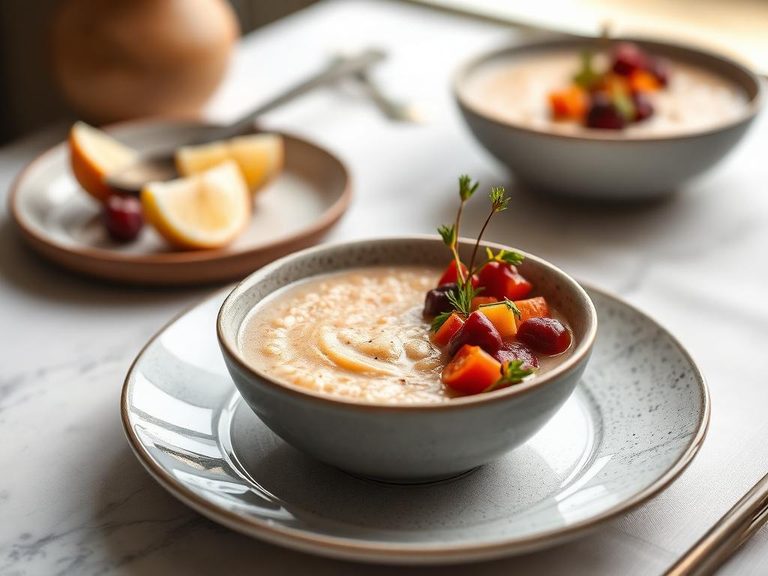
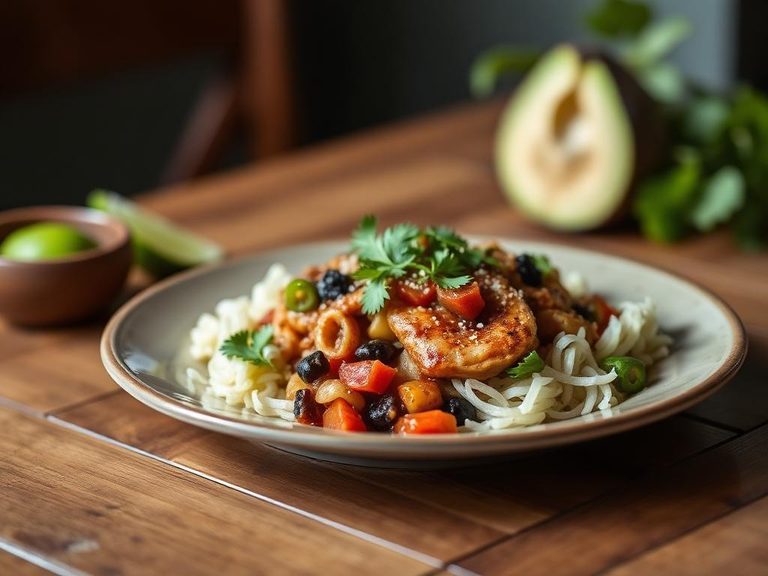
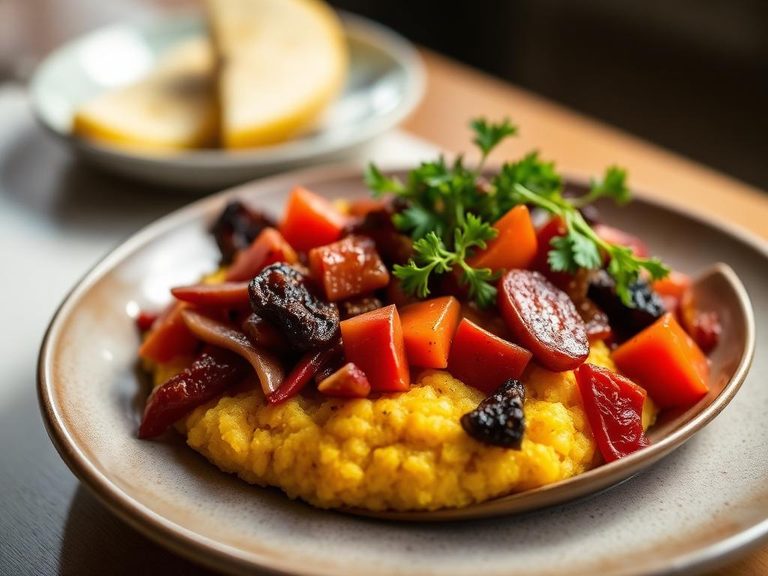
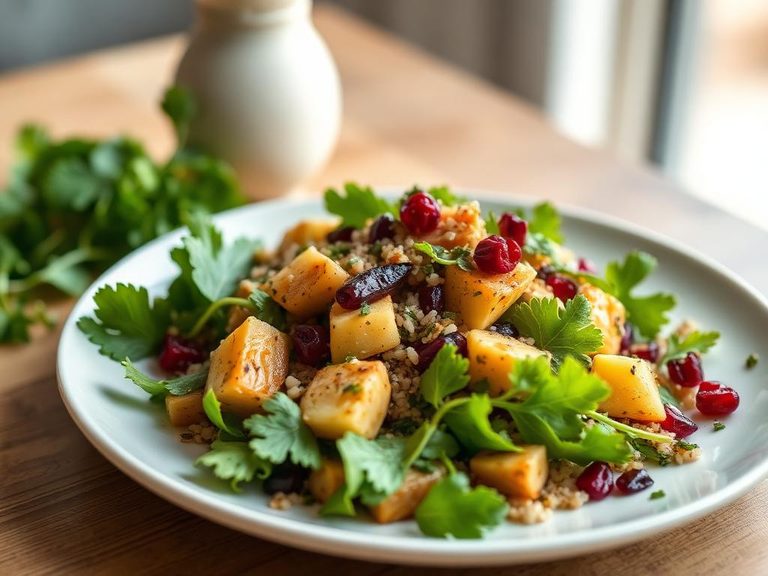
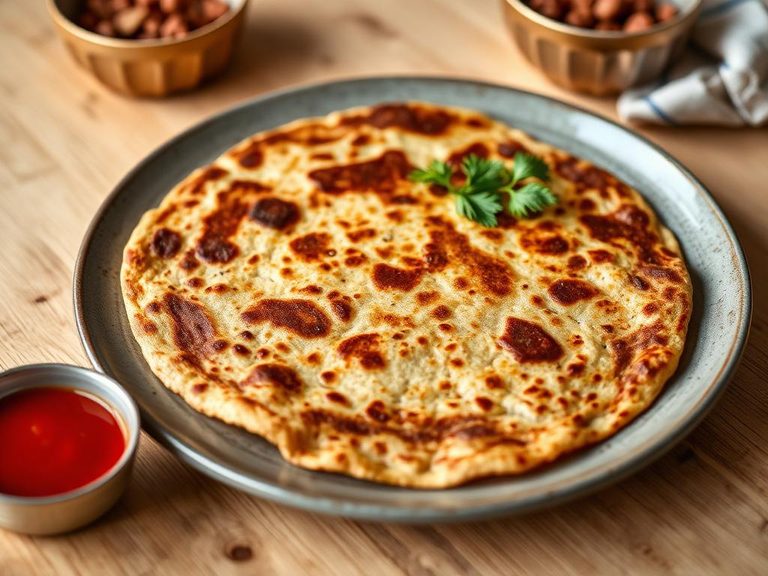
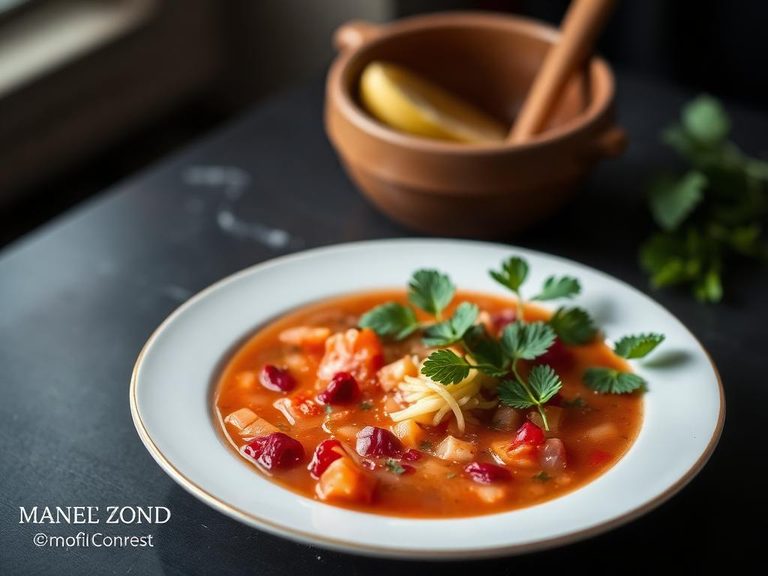
🍽️ Popular dishes
🌍 Where it's eaten
💡 Did you know?
Amaranth was a sacred crop to the Aztecs, who used it in religious ceremonies and even made a paste mixed with human blood for rituals, though the Spanish banned its cultivation to suppress indigenous culture.
Full nutrition (USDA data · scales with serving)
| Water | 75.2 g |
| Energy | 102 kcal |
| Energy | 429 kj |
| Protein | 3.8 g |
| Total lipid (fat) | 1.6 g |
| Ash | 0.77 g |
| Carbohydrate, by difference | 18.7 g |
| Fiber, total dietary | 2.1 g |
| Starch | 16.2 g |
| Calcium, Ca | 47.0 mg |
| Iron, Fe | 2.1 mg |
| Magnesium, Mg | 65.0 mg |
| Phosphorus, P | 148 mg |
| Potassium, K | 135 mg |
| Sodium, Na | 6.0 mg |
| Zinc, Zn | 0.86 mg |
| Copper, Cu | 0.15 mg |
| Manganese, Mn | 0.85 mg |
| Selenium, Se | 5.5 ug |
| Thiamin | 0.01 mg |
| Riboflavin | 0.02 mg |
| Niacin | 0.23 mg |
| Vitamin B-6 | 0.11 mg |
| Folate, total | 22.0 ug |
| Folate, food | 22.0 ug |
| Vitamin E (alpha-tocopherol) | 0.19 mg |
| Tocopherol, beta | 0.38 mg |
| Tocopherol, gamma | 0.05 mg |
| Tocopherol, delta | 0.24 mg |
| Tocotrienol, alpha | 0.00 mg |
| Tocotrienol, beta | 0.00 mg |
| Tocotrienol, gamma | 0.02 mg |
| Tocotrienol, delta | 0.00 mg |
Fat & fatty acid profile (per 100g)
Estimated from Amaranth grain, uncooked — USDA does not publish this profile for Amaranth grain.
| Fatty acids, total saturated | 1.5 g |
| SFA 8:0 | 0.00 g |
| SFA 10:0 | 0.00 g |
| SFA 12:0 | 0.00 g |
| SFA 14:0 | 0.01 g |
| SFA 15:0 | 0.00 g |
| SFA 16:0 | 1.2 g |
| SFA 17:0 | 0.00 g |
| SFA 18:0 | 0.22 g |
| SFA 20:0 | 0.05 g |
| SFA 22:0 | 0.02 g |
| Fatty acids, total monounsaturated | 1.7 g |
| MUFA 14:1 | 0.00 g |
| MUFA 15:1 | 0.00 g |
| MUFA 16:1 | 0.00 g |
| MUFA 17:1 | 0.00 g |
| MUFA 18:1 | 1.7 g |
| MUFA 20:1 | 0.01 g |
| Fatty acids, total polyunsaturated | 2.8 g |
| PUFA 18:2 | 2.7 g |
| PUFA 18:3 | 0.04 g |
| PUFA 18:3 n-3 c,c,c (ALA) | 0.04 g |
| PUFA 18:3 n-6 c,c,c | 0.00 g |
| PUFA 20:2 n-6 c,c | 0.00 g |
| PUFA 20:3 | 0.00 g |
| PUFA 20:4 | 0.00 g |
| Cholesterol | 0.00 mg |
| Phytosterols | 24.0 mg |
Amino acid profile (per 100g)
Estimated from Amaranth grain, uncooked — USDA does not publish this profile for Amaranth grain.
| Tryptophan | 0.18 g |
| Threonine | 0.56 g |
| Isoleucine | 0.58 g |
| Leucine | 0.88 g |
| Lysine | 0.75 g |
| Methionine | 0.23 g |
| Cystine | 0.19 g |
| Phenylalanine | 0.54 g |
| Tyrosine | 0.33 g |
| Valine | 0.68 g |
| Arginine | 1.1 g |
| Histidine | 0.39 g |
| Alanine | 0.80 g |
| Aspartic acid | 1.3 g |
| Glutamic acid | 2.3 g |
| Glycine | 1.6 g |
| Proline | 0.70 g |
| Serine | 1.1 g |
FAQ
Is amaranth gluten-free?
Yes, amaranth is naturally gluten-free, making it a safe and nutritious option for people with celiac disease or gluten sensitivity.
How do I cook amaranth properly?
Rinse the grain, then simmer 1 part amaranth to 2-3 parts water or broth for about 20-25 minutes until the liquid is absorbed and the grains are tender but slightly chewy.
Can I eat amaranth raw?
While you can eat it raw in small amounts, it's best cooked to improve digestibility and texture; popping it dry in a hot pan is a popular way to use it raw in snacks.
Nutrient density (calculated · NRF9.3)
Nutrient Rich Foods index: beneficial nutrients (protein, fiber, vitamins, minerals) minus saturated fat, added sugar & sodium, per 100 kcal.
NRF9.3 index — Fulgoni, Keast & Drewnowski, 2009. Computed from USDA nutrients.
Weight-loss friendliness (composite index)
Energy density 1.02 kcal/g · 15% calories from protein · 2.1 g fiber · 0.0 g sugar per 100 g.
Composite of energy density (Rolls et al., 1999), protein & fiber satiety, minus sugar. A calculated heuristic — ranks satiety-per-calorie, not a clinical measure.
Dietary load (calculated from USDA values)
Potential renal acid load. Positive = acid-forming, negative = alkaline-forming.
Sodium-to-potassium ratio: 0.04 (lower is better — aim for ≤ 1)
Sodium:potassium per WHO potassium guidance. Computed from USDA nutrients.