

Mexican alegría
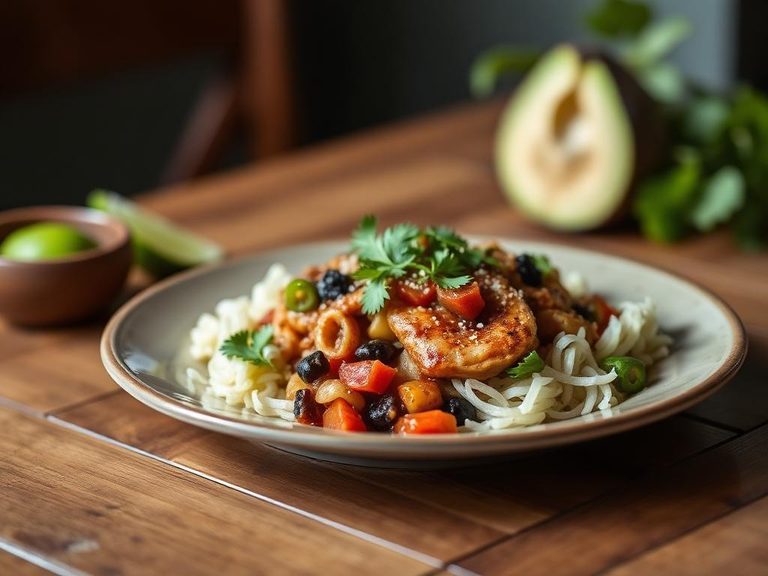
Mexican alegría is a traditional sweet treat made primarily from puffed amaranth seeds bound together with a honey or piloncillo syrup, often mixed with nuts or dried fruits. It originates from Mexico, where amaranth has been cultivated since pre-Hispanic times and holds deep cultural significance. The name 'alegría' means 'joy' in Spanish, reflecting its role in celebrations and festivals.
🍽️ Nutrition at a glance
Alegría is a high-carbohydrate, energy-dense snack due to its honey or syrup base, providing quick energy from natural sugars and complex carbs. It offers notable amounts of plant-based protein and fiber from amaranth, along with minerals like iron and magnesium, with a typical serving containing around 150-200 calories.
Nutrition breakdown
| Calories | 180 kcal |
| Protein | 4 g |
| Carbs | 32 g |
| Fat | 4 g |
| Fiber | 3 g |
| Sugar | 18 g |
| Sodium | 10 mg |
| Iron | 2.5 mg |
| Magnesium | 60 mg |
| Phosphorus | 120 mg |
| Manganese | 1.2 mg |
| Copper | 0.3 mg |
| Zinc | 1.1 mg |
| Calcium | 50 mg |
| Potassium | 150 mg |
Per 1 bar (50 g) · estimated, varies by recipe
💡 What's interesting
Culturally, alegría is linked to the Day of the Dead and other Mexican festivities, often shaped into figures or bars as offerings or treats. Nutritionally, amaranth is a pseudocereal rich in lysine, an amino acid often lacking in grains, making it a valuable protein source in plant-based diets.
🍽️ Related dishes


AI estimate may be inaccurate · Terms