

Agave, dried (Southwest)
Whole food · American Indian/Alaska Native Foods

Photo: Wikipedia
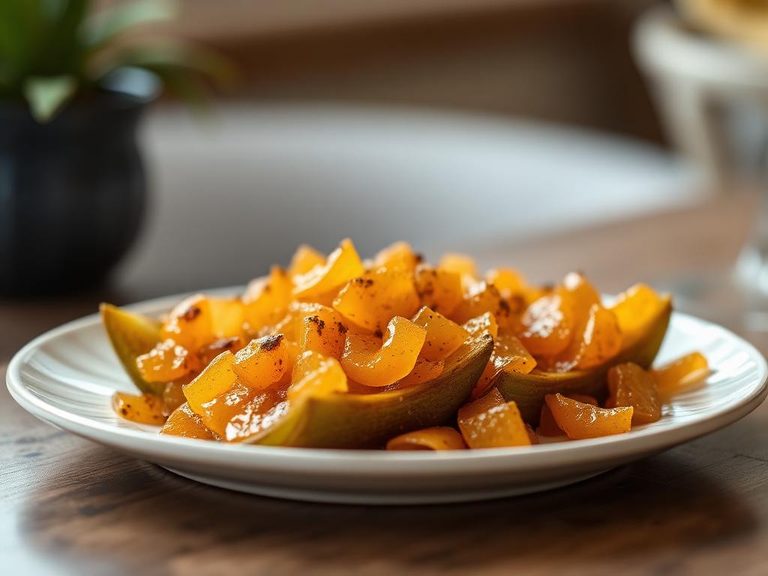
Dried Southwest agave is the dehydrated, chewy flesh of the agave plant, offering a sweet, caramel-like flavor with a fibrous, leathery texture. It's a concentrated source of carbohydrates, primarily from natural sugars and a significant amount of dietary fiber. This traditional ingredient provides a potent energy boost, making it a staple in certain regional cuisines.
Calorie split: 2% protein · 96% carbs · 2% fat
↓ Full nutrition💚 Why it's loved
People love it for its deep, earthy sweetness that adds a rich, authentic flavor to both sweet and savory dishes. Its cultural significance in Southwestern and Mexican cuisines makes it a prized ingredient for creating traditional meals and beverages.
⚠️ Watch-outs & how to enjoy it better
Due to its very high sugar content (50.7g per 100g), it can cause rapid blood-sugar spikes, so it should be consumed in moderation, especially by those monitoring glucose levels. To counteract this, pair small portions with protein or healthy fats (like nuts or cheese) to slow sugar absorption, and be mindful of overall daily sugar intake.
Key benefits
- High in dietary fiber for digestive health
- Provides quick, concentrated energy from natural sugars
- Contains some essential minerals like calcium and potassium
- A traditional, minimally processed sweetener source
- Offers a unique, complex flavor profile for cooking
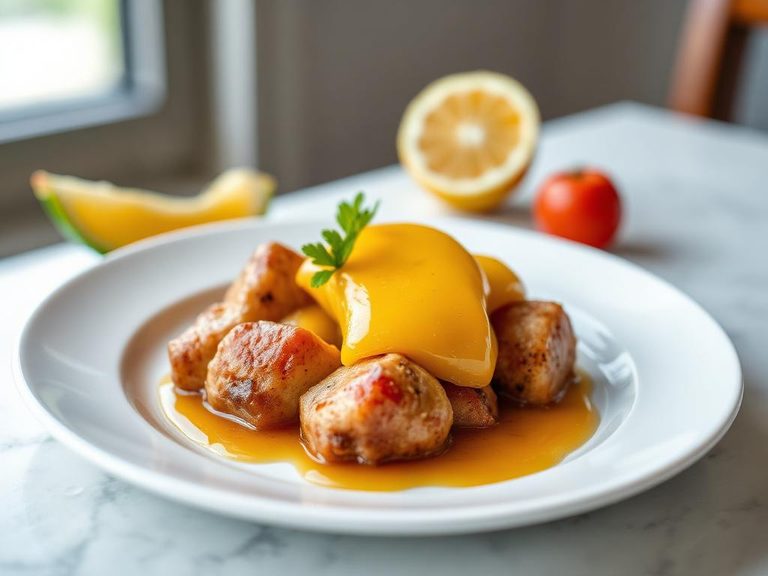
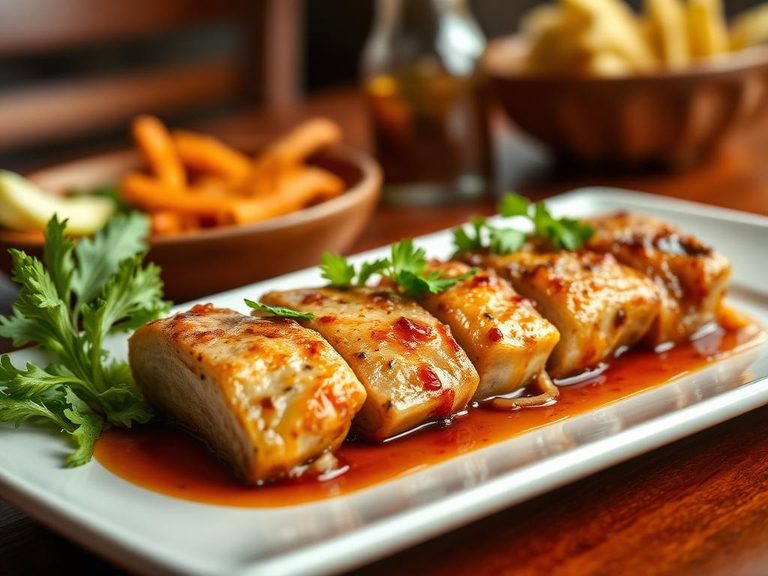
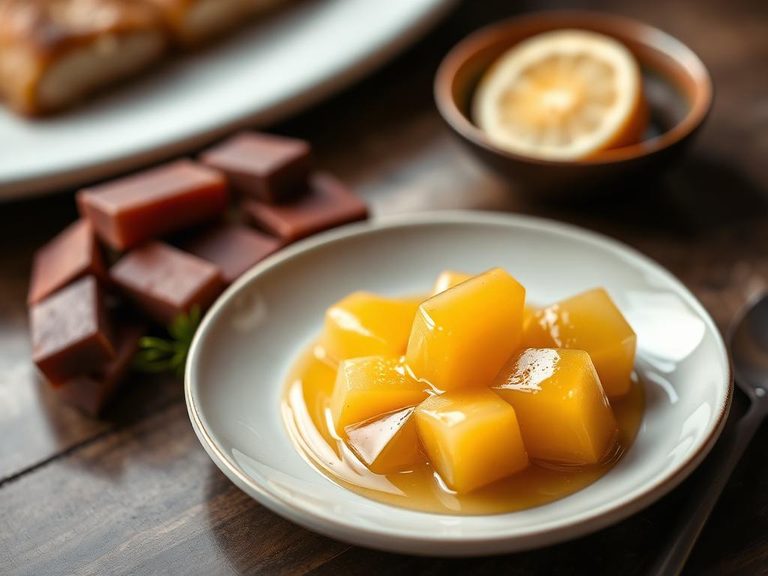
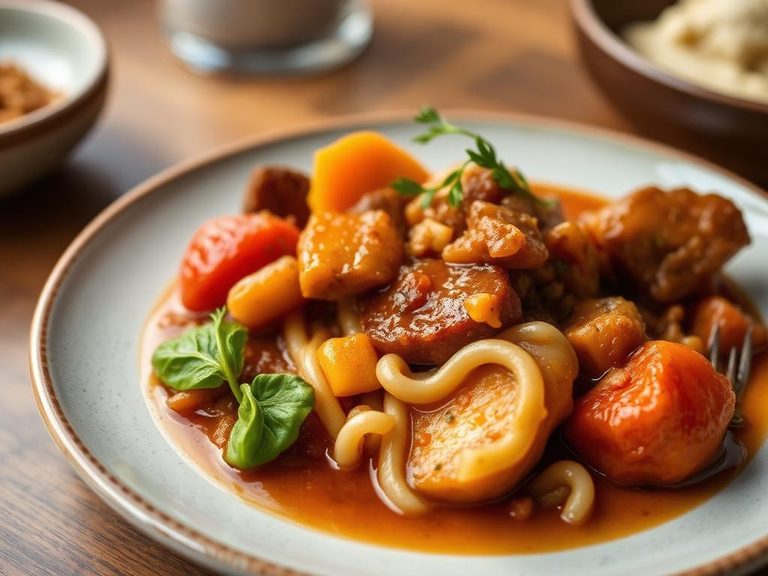
🍽️ Popular dishes
🌍 Where it's eaten
💡 Did you know?
The agave plant can take 8-12 years to mature before its sweet sap, or 'aguamiel,' can be harvested, and a single plant can produce sap for about 4-6 months.
Full nutrition (USDA data · scales with serving)
| Water | 11.6 g |
| Energy | 341 kcal |
| Energy | 1427 kj |
| Protein | 1.7 g |
| Total lipid (fat) | 0.69 g |
| Ash | 4.0 g |
| Carbohydrate, by difference | 82.0 g |
| Fiber, total dietary | 15.6 g |
| Total Sugars | 50.7 g |
| Sucrose | 4.4 g |
| Glucose | 3.5 g |
| Fructose | 42.8 g |
| Lactose | 0.00 g |
| Maltose | 0.00 g |
| Galactose | 0.00 g |
| Starch | 0.91 g |
| Calcium, Ca | 770 mg |
| Iron, Fe | 3.6 mg |
| Magnesium, Mg | 207 mg |
| Phosphorus, P | 37.0 mg |
| Potassium, K | 767 mg |
| Sodium, Na | 14.0 mg |
| Zinc, Zn | 12.1 mg |
| Copper, Cu | 0.19 mg |
| Manganese, Mn | 0.34 mg |
| Selenium, Se | 0.60 ug |
| Vitamin C, total ascorbic acid | 0.30 mg |
| Thiamin | 0.02 mg |
| Riboflavin | 0.64 mg |
| Niacin | 0.87 mg |
| Pantothenic acid | 0.15 mg |
| Vitamin B-6 | 0.22 mg |
| Folate, total | 7.0 ug |
| Folic acid | 0.00 ug |
| Folate, food | 7.0 ug |
| Folate, DFE | 7.0 ug |
| Vitamin B-12 | 0.00 ug |
| Vitamin B-12, added | 0.00 ug |
| Vitamin A, RAE | 1.0 ug |
| Retinol | 0.00 ug |
| Carotene, beta | 11.0 ug |
| Carotene, alpha | 0.00 ug |
| Cryptoxanthin, beta | 0.00 ug |
| Vitamin A, IU | 18.0 iu |
| Lycopene | 0.00 ug |
| Vitamin E (alpha-tocopherol) | 0.76 mg |
| Vitamin E, added | 0.00 mg |
| Tocopherol, beta | 0.00 mg |
| Tocopherol, gamma | 0.03 mg |
| Tocopherol, delta | 0.00 mg |
| Tocotrienol, alpha | 0.00 mg |
| Tocotrienol, beta | 0.00 mg |
| Tocotrienol, gamma | 0.00 mg |
| Tocotrienol, delta | 0.00 mg |
| Vitamin D (D2 + D3), International Units | 0.00 iu |
| Vitamin D (D2 + D3) | 0.00 ug |
| Vitamin K (phylloquinone) | 0.50 ug |
| Vitamin K (Dihydrophylloquinone) | 0.00 ug |
| Alcohol, ethyl | 0.00 g |
| Caffeine | 0.00 mg |
| Theobromine | 0.00 mg |
Fat & fatty acid profile (per 100g)
| Cholesterol | 0.00 mg |
Amino acid profile (per 100g)
Estimated from Agave, raw (Southwest) — USDA does not publish this profile for Agave.
| Tryptophan | 0.01 g |
| Threonine | 0.01 g |
| Isoleucine | 0.01 g |
| Leucine | 0.03 g |
| Lysine | 0.03 g |
| Methionine | 0.01 g |
| Cystine | 0.01 g |
| Phenylalanine | 0.02 g |
| Tyrosine | 0.01 g |
| Valine | 0.02 g |
| Arginine | 0.11 g |
| Histidine | 0.01 g |
| Alanine | 0.02 g |
| Aspartic acid | 0.04 g |
| Glutamic acid | 0.05 g |
| Glycine | 0.02 g |
| Proline | 0.01 g |
| Serine | 0.02 g |
FAQ
Is dried agave the same as agave syrup?
No. Dried agave is the dehydrated, fibrous flesh of the plant, while agave syrup is a processed liquid sweetener extracted from the sap. They have different textures, uses, and nutritional profiles.
How is dried agave typically prepared or eaten?
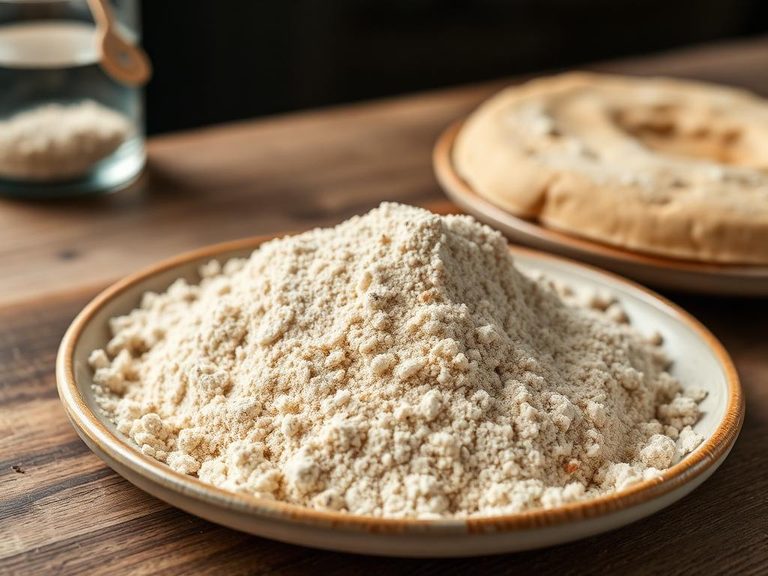
It is often rehydrated by simmering in water or broth, then used in savory dishes, or it can be candied, baked, or ground into a powder for use in sweet recipes.
Is it gluten-free?
In its pure, dried form, agave is naturally gluten-free. However, always check labels if purchasing a processed product, as cross-contamination is possible.
Nutrient density (calculated · NRF9.3)
Nutrient Rich Foods index: beneficial nutrients (protein, fiber, vitamins, minerals) minus saturated fat, added sugar & sodium, per 100 kcal.
NRF9.3 index — Fulgoni, Keast & Drewnowski, 2009. Computed from USDA nutrients.
Weight-loss friendliness (composite index)
Energy density 3.41 kcal/g · 2% calories from protein · 15.6 g fiber · 50.7 g sugar per 100 g.
Composite of energy density (Rolls et al., 1999), protein & fiber satiety, minus sugar. A calculated heuristic — ranks satiety-per-calorie, not a clinical measure.
Dietary load (calculated from USDA values)
Potential renal acid load. Positive = acid-forming, negative = alkaline-forming.
Sodium-to-potassium ratio: 0.02 (lower is better — aim for ≤ 1)
Sodium:potassium per WHO potassium guidance. Computed from USDA nutrients.