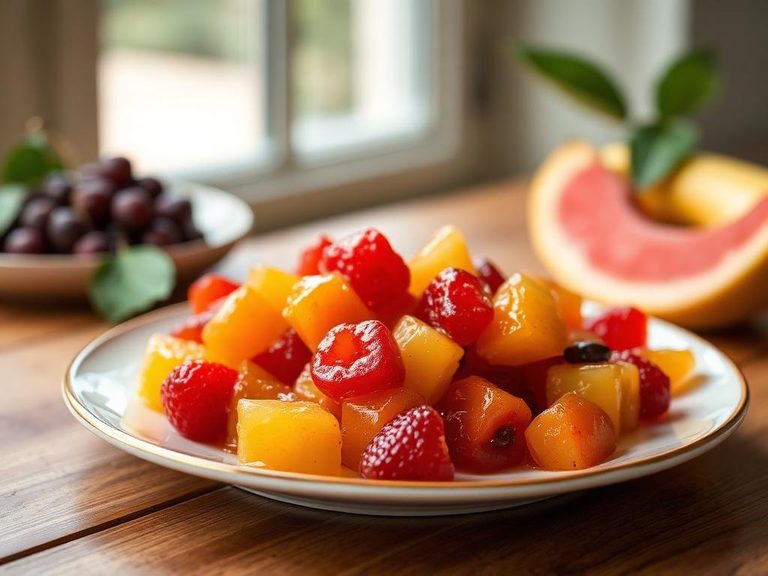
Baked or candied agave pith
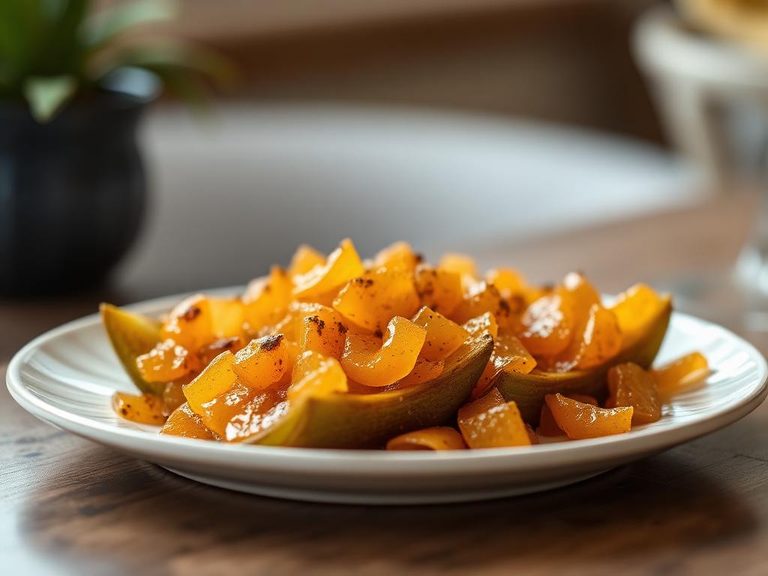
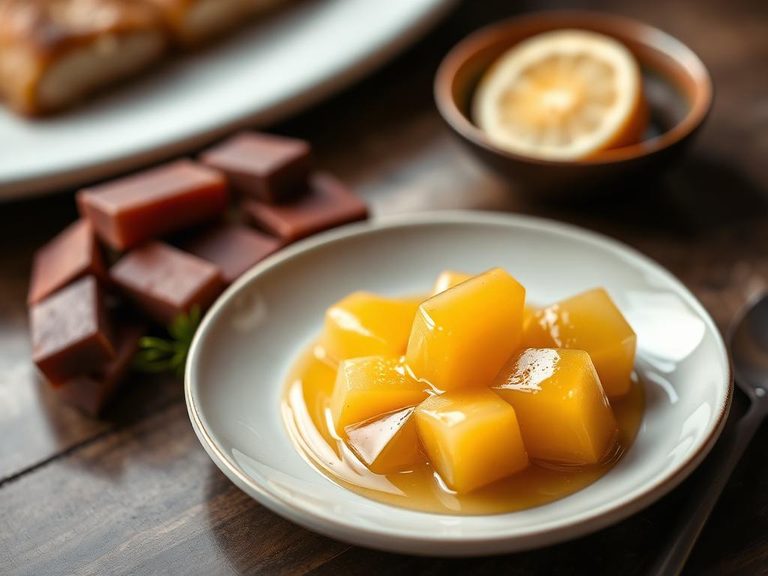
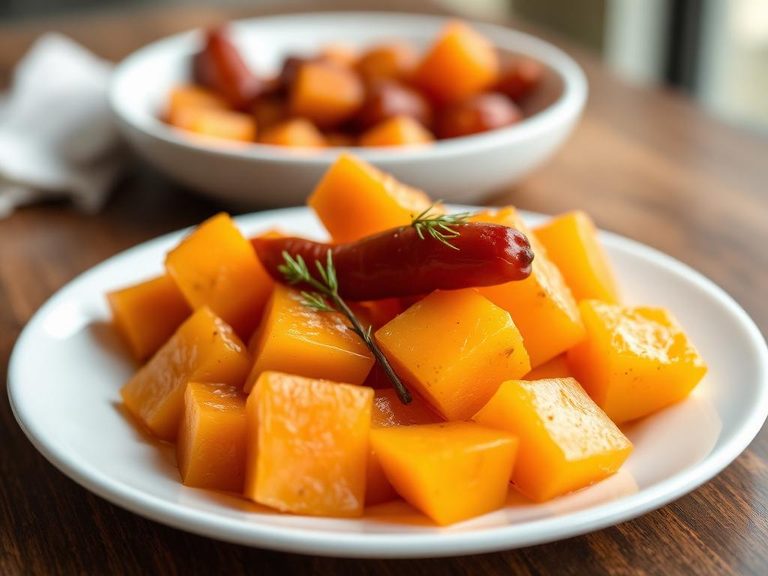
Baked or candied agave pith is a traditional Mexican sweet treat made from the cooked, fibrous core of the agave plant, often simmered in syrup or baked until tender. The primary ingredients are agave pith, sugar or piloncillo, and sometimes cinnamon or citrus for flavor. It originates from the central and western states of Mexico, particularly in regions like Jalisco and Michoacán where agave cultivation is prominent.
🍽️ Nutrition at a glance
This dish is high in carbohydrates, primarily from natural and added sugars, with minimal protein or fat. It provides some dietary fiber and minerals like potassium and calcium, with a rough calorie estimate of 150-200 kcal per 100g serving.
Nutrition breakdown
| Calories | 175 kcal |
| Protein | 0.5 g |
| Carbs | 42 g |
| Fat | 0.1 g |
| Fiber | 3 g |
| Sugar | 38 g |
| Sodium | 15 mg |
| Potassium | 220 mg |
| Calcium | 45 mg |
| Iron | 0.8 mg |
| Magnesium | 15 mg |
| Manganese | 0.3 mg |
| Vitamin C | 2 mg |
| Phosphorus | 20 mg |
| Zinc | 0.2 mg |
Per 1 piece (100 g) · estimated, varies by recipe
💡 What's interesting
Culturally, it showcases the versatility of the agave plant beyond tequila and mezcal, representing a sustainable use of the entire plant. Nutritionally, the pith contains inulin, a prebiotic fiber that can support gut health, though the candying process significantly increases its sugar content.