

Whipped topping, fat free
Common food

Photo: Wikipedia
Whipped topping, fat-free, is a light, airy, and sweet foam made primarily from water, sugar, and stabilizers, designed to mimic the texture of dairy whipped cream. It has a smooth, melt-on-the-tongue consistency with a pronounced sugary flavor. Nutritionally, it provides a quick source of carbohydrates with minimal protein.
Calorie split: 5% protein · 42% carbs · 53% fat
↓ Full nutrition💚 Why it's loved
People love it for its effortless ability to add a cloud-like, sweet finish to pies, sundaes, and hot beverages. Its convenience, consistent texture, and nostalgic association with classic American desserts make it a versatile pantry staple.
⚠️ Watch-outs & how to enjoy it better
It is high in added sugars (23.6g per 100g), which can contribute to blood sugar spikes, and lacks the nutritional benefits of dairy. To counteract this, pair it with protein-rich foods like nuts or Greek yogurt to slow sugar absorption, and practice strict portion control. Those monitoring sugar intake should use it sparingly.
Key benefits
- Dairy-free and lactose-free alternative
- Lower in calories than traditional whipped cream
- Provides a quick source of energy from carbohydrates
- Long shelf life when refrigerated
- Adds visual appeal and sweetness to desserts
🍽️ Popular dishes
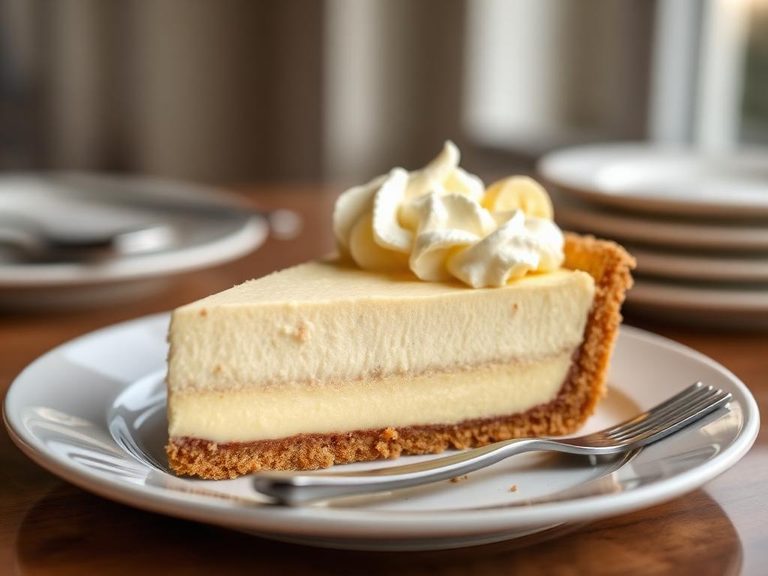
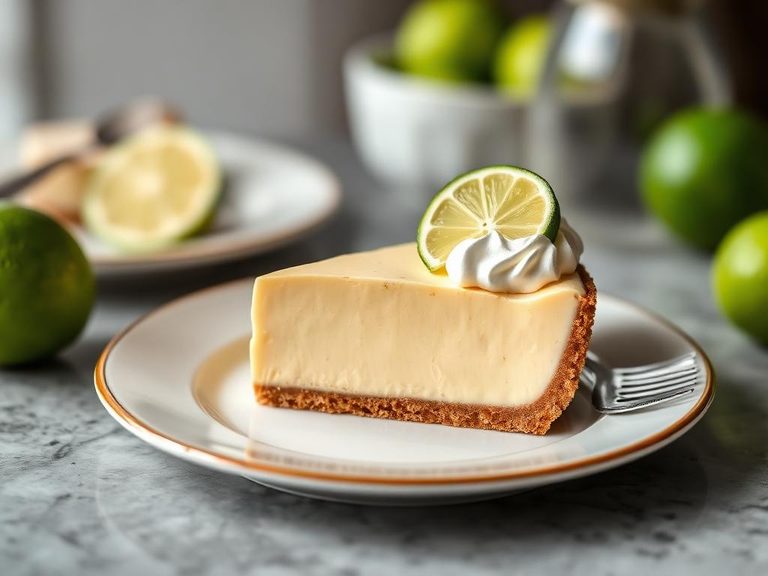
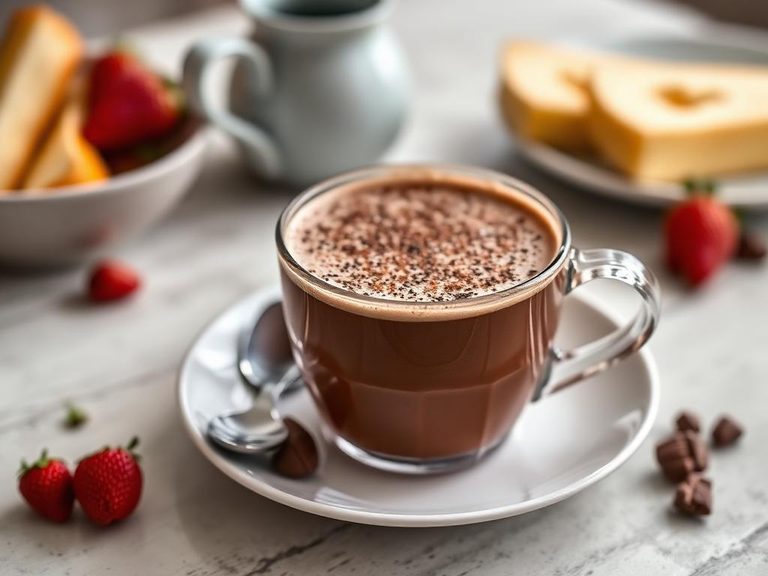
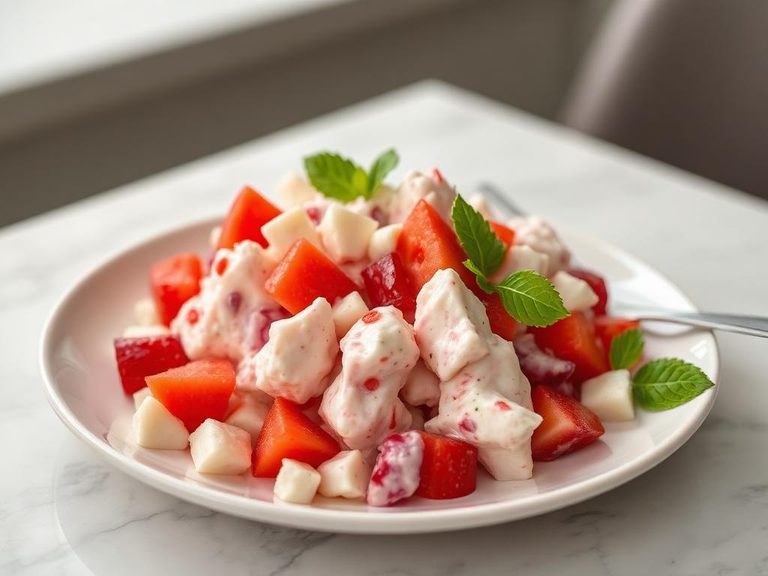
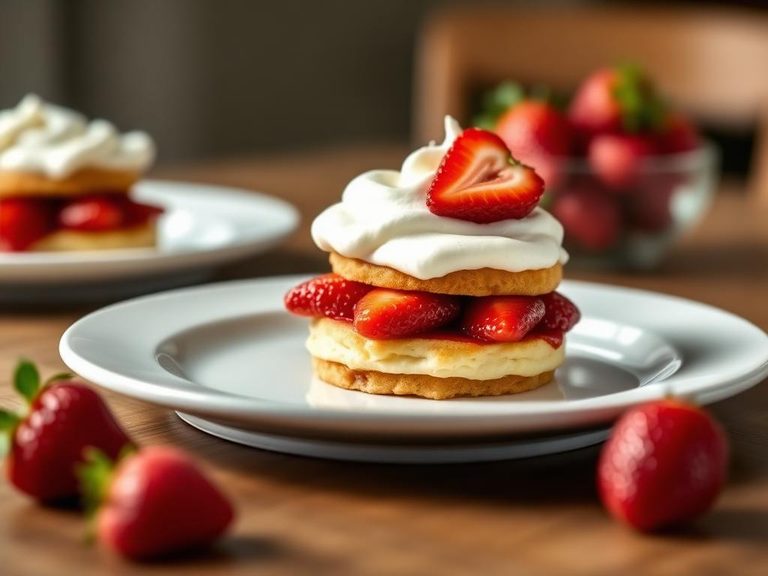
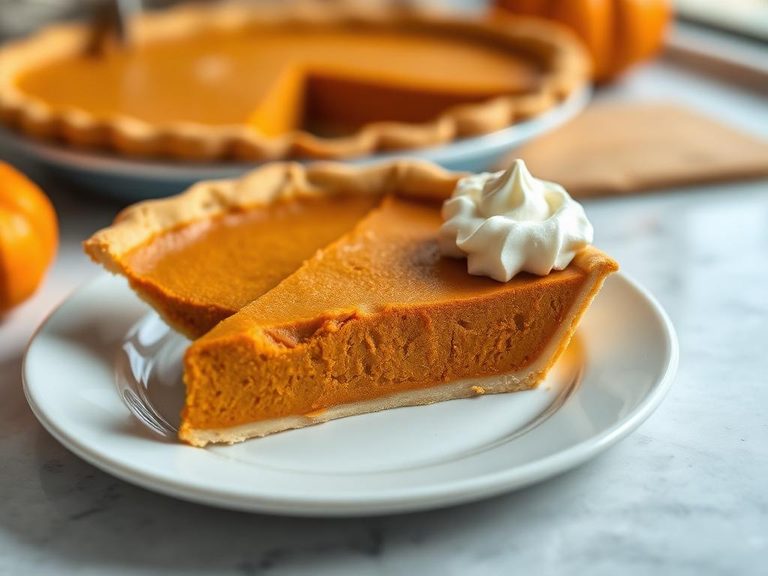
🌍 Where it's eaten
💡 Did you know?
The first commercially successful non-dairy whipped topping, 'Cool Whip,' was introduced by Kraft in 1966 and was originally marketed as a space-age food due to its stability and long shelf life.
Full nutrition (USDA data · scales with serving)
| Water | 59.7 g |
| Energy | 224 kcal |
| Protein | 3.0 g |
| Total lipid (fat) | 13.1 g |
| Carbohydrate, by difference | 23.6 g |
| Fiber, total dietary | 0.00 g |
| Total Sugars | 23.6 g |
| Calcium, Ca | 71.0 mg |
| Iron, Fe | 0.10 mg |
| Magnesium, Mg | 7.0 mg |
| Phosphorus, P | 74.0 mg |
| Potassium, K | 101 mg |
| Sodium, Na | 72.0 mg |
| Zinc, Zn | 0.10 mg |
| Copper, Cu | 0.01 mg |
| Selenium, Se | 2.4 ug |
| Vitamin C, total ascorbic acid | 0.00 mg |
| Thiamin | 0.02 mg |
| Riboflavin | 0.09 mg |
| Niacin | 0.10 mg |
| Vitamin B-6 | 0.02 mg |
| Folate, total | 3.0 ug |
| Folic acid | 0.00 ug |
| Folate, food | 3.0 ug |
| Folate, DFE | 3.0 ug |
| Choline, total | 0.00 mg |
| Vitamin B-12 | 0.20 ug |
| Vitamin B-12, added | 0.00 ug |
| Vitamin A, RAE | 4.0 ug |
| Retinol | 0.00 ug |
| Carotene, beta | 45.0 ug |
| Carotene, alpha | 0.00 ug |
| Cryptoxanthin, beta | 0.00 ug |
| Lycopene | 0.00 ug |
| Lutein + zeaxanthin | 0.00 ug |
| Vitamin E (alpha-tocopherol) | 0.50 mg |
| Vitamin E, added | 0.00 mg |
| Vitamin D (D2 + D3) | 0.00 ug |
| Vitamin K (phylloquinone) | 3.2 ug |
| Alcohol, ethyl | 0.00 g |
| Caffeine | 0.00 mg |
| Theobromine | 0.00 mg |
Fat & fatty acid profile (per 100g)
| Fatty acids, total saturated | 11.3 g |
| SFA 4:0 | 0.00 g |
| SFA 6:0 | 0.00 g |
| SFA 8:0 | 0.33 g |
| SFA 10:0 | 0.47 g |
| SFA 12:0 | 4.6 g |
| SFA 14:0 | 1.9 g |
| SFA 16:0 | 1.6 g |
| SFA 18:0 | 2.4 g |
| Fatty acids, total monounsaturated | 0.84 g |
| MUFA 16:1 | 0.12 g |
| MUFA 18:1 | 0.71 g |
| MUFA 20:1 | 0.00 g |
| MUFA 22:1 | 0.00 g |
| Fatty acids, total polyunsaturated | 0.27 g |
| PUFA 18:2 | 0.15 g |
| PUFA 18:3 | 0.11 g |
| PUFA 18:4 | 0.00 g |
| PUFA 20:4 | 0.00 g |
| PUFA 20:5 n-3 (EPA) | 0.00 g |
| PUFA 22:5 n-3 (DPA) | 0.00 g |
| PUFA 22:6 n-3 (DHA) | 0.00 g |
| Cholesterol | 2.0 mg |
Amino acid profile (per 100g)
Estimated from Cream, whipped, cream topping, pressurized — USDA does not publish this profile for Whipped topping.
| Tryptophan | 0.04 g |
| Threonine | 0.14 g |
| Isoleucine | 0.19 g |
| Leucine | 0.31 g |
| Lysine | 0.25 g |
| Methionine | 0.08 g |
| Cystine | 0.03 g |
| Phenylalanine | 0.15 g |
| Tyrosine | 0.15 g |
| Valine | 0.21 g |
| Arginine | 0.12 g |
| Histidine | 0.09 g |
| Alanine | 0.11 g |
| Aspartic acid | 0.24 g |
| Glutamic acid | 0.67 g |
| Glycine | 0.07 g |
| Proline | 0.31 g |
| Serine | 0.17 g |
FAQ
Is fat-free whipped topping the same as whipped cream?
No. Whipped cream is made from dairy cream (high in fat), while fat-free whipped topping is a non-dairy product made from water, sugar, hydrogenated oils, and stabilizers.
Can I use it for baking or cooking?
It is primarily a topping and will melt or break down under heat. It is not suitable for baking into cakes or for making sauces.
Why does it sometimes have a slightly chemical or artificial taste?
The flavor and texture come from a combination of sweeteners, stabilizers (like carrageenan), and emulsifiers, which can impart a distinct taste different from natural dairy cream.
Nutrient density (calculated · NRF9.3)
Nutrient Rich Foods index: beneficial nutrients (protein, fiber, vitamins, minerals) minus saturated fat, added sugar & sodium, per 100 kcal.
NRF9.3 index — Fulgoni, Keast & Drewnowski, 2009. Computed from USDA nutrients.
Weight-loss friendliness (composite index)
Energy density 2.24 kcal/g · 5% calories from protein · 0.0 g fiber · 23.6 g sugar per 100 g.
Composite of energy density (Rolls et al., 1999), protein & fiber satiety, minus sugar. A calculated heuristic — ranks satiety-per-calorie, not a clinical measure.
Dietary load (calculated from USDA values)
Potential renal acid load. Positive = acid-forming, negative = alkaline-forming.
Sodium-to-potassium ratio: 0.71 (lower is better — aim for ≤ 1)
Sodium:potassium per WHO potassium guidance. Computed from USDA nutrients.