

Vegetables, mixed, frozen, unprepared
Whole food · Vegetables and Vegetable Products
This is a convenient medley of pre-cut vegetables—typically carrots, peas, corn, and green beans—flash-frozen at peak ripeness to lock in a crisp-tender texture and vibrant, garden-fresh flavor. Nutritionally, it's a low-calorie, high-fiber powerhouse, delivering a solid 3.33g of plant-based protein per 100g with virtually no fat.
Calorie split: 19% protein · 75% carbs · 7% fat
↓ Full nutrition💚 Why it's loved
People love it for its unmatched convenience and consistent quality; it's a time-saving staple that makes adding a nutritious, colorful side dish to any meal effortless. The mix provides a satisfying blend of sweet (corn, carrots) and savory (peas, green beans) flavors in every bite.
⚠️ Watch-outs & how to enjoy it better
The primary downside is the potential for a softer, sometimes mushy texture if overcooked, which can be off-putting. To counteract this, use quick-cooking methods like stir-frying or steaming just until heated through. For those monitoring sodium, always check labels as some brands add salt; choose 'no salt added' versions and season yourself with herbs and spices.
Key benefits
- Excellent source of dietary fiber (4g per 100g)
- Very low in fat (0.52g per 100g)
- Good plant-based protein content (3.33g per 100g)
- Retains nutrients better than many canned vegetables
- Convenient year-round access to vegetable variety
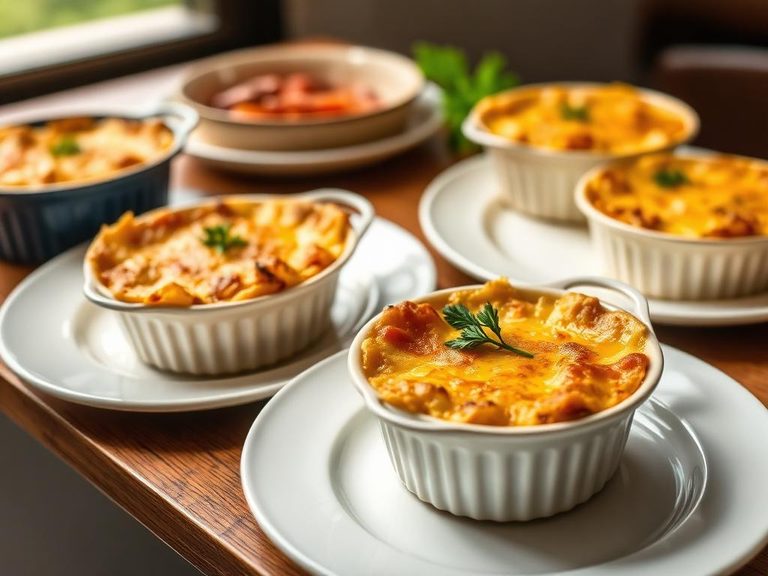
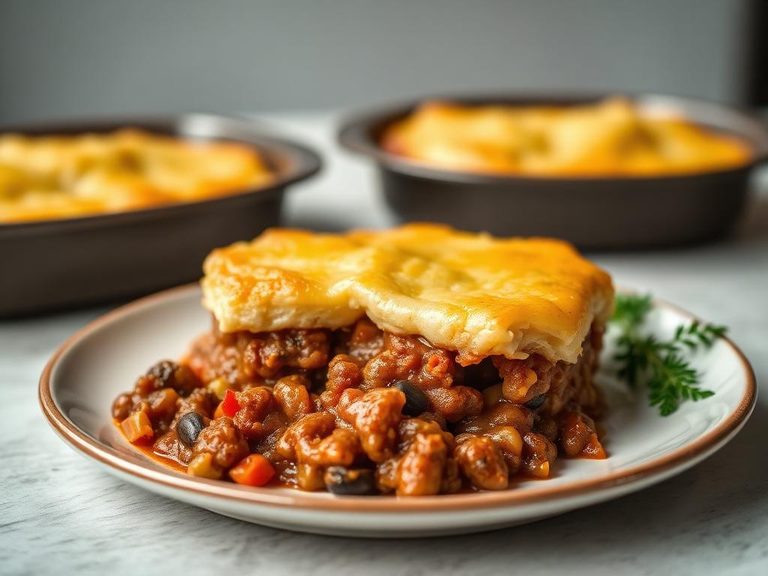
🍽️ Popular dishes
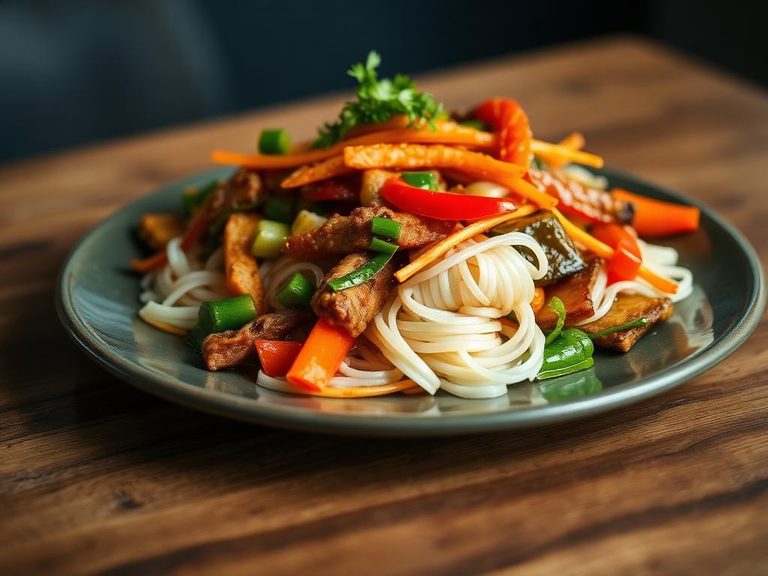
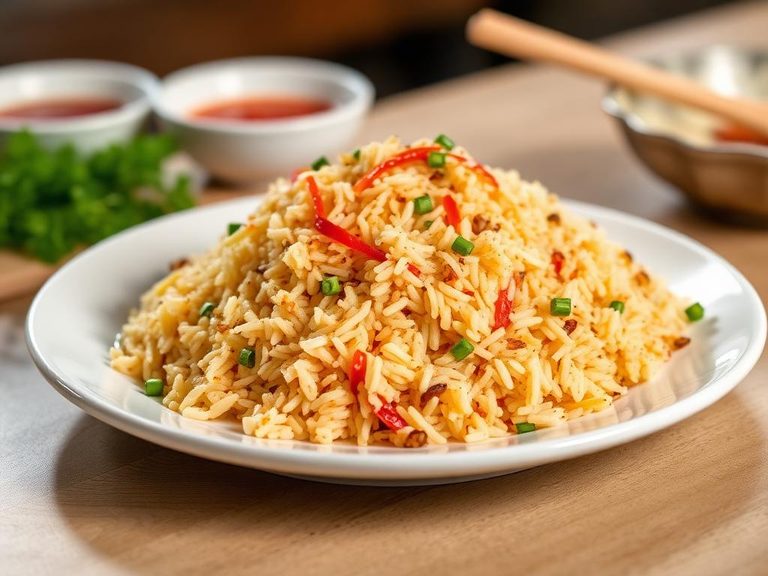
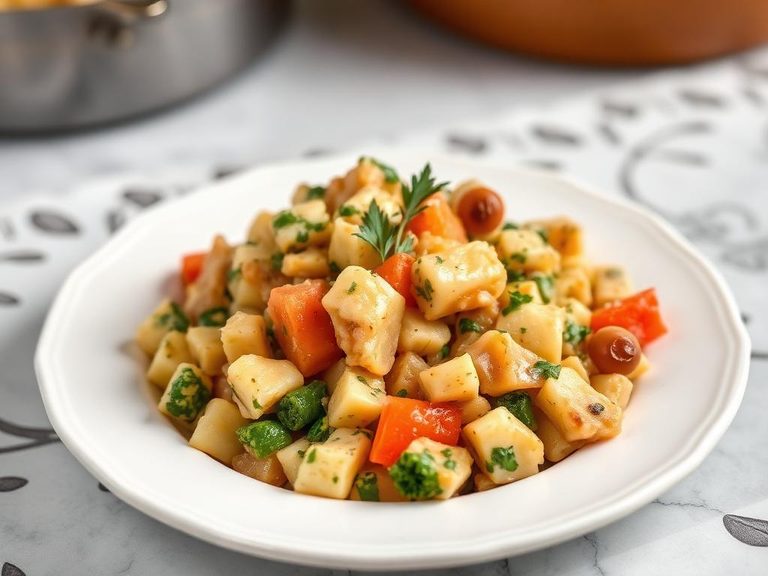
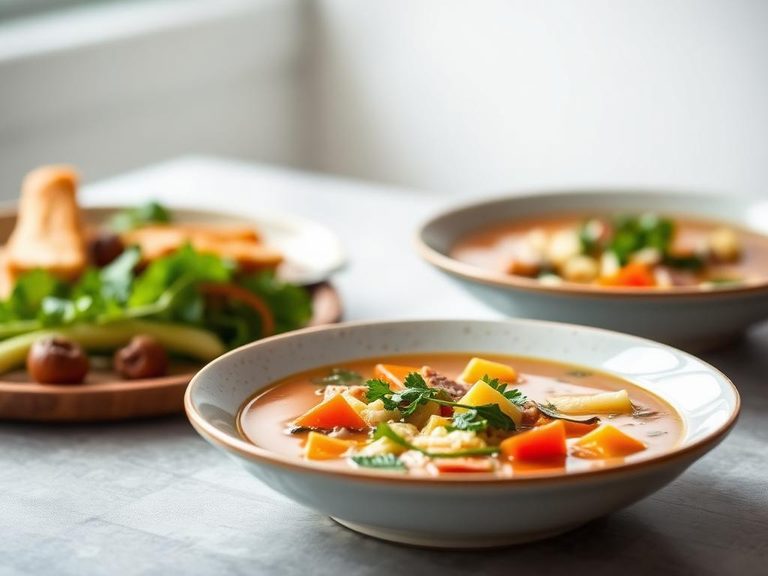
🌍 Where it's eaten
💡 Did you know?
The process of flash-freezing was pioneered by Clarence Birdseye in the 1920s, inspired by Inuit methods of preserving fish in Arctic temperatures, and it's what allows these mixed vegetables to retain much of their original nutritional value and texture.
Full nutrition (USDA data · scales with serving)
| Water | 82.1 g |
| Energy | 72.0 kcal |
| Energy | 301 kj |
| Protein | 3.3 g |
| Total lipid (fat) | 0.52 g |
| Ash | 0.60 g |
| Carbohydrate, by difference | 13.5 g |
| Fiber, total dietary | 4.0 g |
| Calcium, Ca | 25.0 mg |
| Iron, Fe | 0.95 mg |
| Magnesium, Mg | 24.0 mg |
| Phosphorus, P | 59.0 mg |
| Potassium, K | 212 mg |
| Sodium, Na | 47.0 mg |
| Zinc, Zn | 0.45 mg |
| Copper, Cu | 0.09 mg |
| Manganese, Mn | 0.24 mg |
| Selenium, Se | 0.40 ug |
| Vitamin C, total ascorbic acid | 10.4 mg |
| Thiamin | 0.12 mg |
| Riboflavin | 0.09 mg |
| Niacin | 1.3 mg |
| Pantothenic acid | 0.16 mg |
| Vitamin B-6 | 0.10 mg |
| Folate, total | 29.0 ug |
| Folic acid | 0.00 ug |
| Folate, food | 29.0 ug |
| Folate, DFE | 29.0 ug |
| Vitamin B-12 | 0.00 ug |
| Vitamin A, RAE | 254 ug |
| Retinol | 0.00 ug |
| Vitamin A, IU | 5078 iu |
| Vitamin D (D2 + D3), International Units | 0.00 iu |
| Vitamin D (D2 + D3) | 0.00 ug |
| Alcohol, ethyl | 0.00 g |
Fat & fatty acid profile (per 100g)
| Fatty acids, total saturated | 0.10 g |
| SFA 4:0 | 0.00 g |
| SFA 6:0 | 0.00 g |
| SFA 8:0 | 0.00 g |
| SFA 10:0 | 0.00 g |
| SFA 12:0 | 0.00 g |
| SFA 14:0 | 0.00 g |
| SFA 16:0 | 0.09 g |
| SFA 18:0 | 0.01 g |
| Fatty acids, total monounsaturated | 0.03 g |
| MUFA 16:1 | 0.00 g |
| MUFA 18:1 | 0.03 g |
| MUFA 20:1 | 0.00 g |
| MUFA 22:1 | 0.00 g |
| Fatty acids, total polyunsaturated | 0.23 g |
| PUFA 18:2 | 0.17 g |
| PUFA 18:3 | 0.06 g |
| PUFA 18:4 | 0.00 g |
| PUFA 20:4 | 0.00 g |
| PUFA 20:5 n-3 (EPA) | 0.00 g |
| PUFA 22:5 n-3 (DPA) | 0.00 g |
| PUFA 22:6 n-3 (DHA) | 0.00 g |
| Fatty acids, total trans | 0.00 g |
| Cholesterol | 0.00 mg |
Amino acid profile (per 100g)
| Tryptophan | 0.03 g |
| Threonine | 0.13 g |
| Isoleucine | 0.16 g |
| Leucine | 0.22 g |
| Lysine | 0.20 g |
| Methionine | 0.04 g |
| Cystine | 0.03 g |
| Phenylalanine | 0.14 g |
| Tyrosine | 0.09 g |
| Valine | 0.17 g |
| Arginine | 0.23 g |
| Histidine | 0.09 g |
| Alanine | 0.14 g |
| Aspartic acid | 0.35 g |
| Glutamic acid | 0.46 g |
| Glycine | 0.12 g |
| Proline | 0.08 g |
| Serine | 0.16 g |
FAQ
Should I thaw frozen mixed vegetables before cooking?
For most methods like boiling, steaming, or stir-frying, you can cook them directly from frozen. Thawing can lead to a mushier texture as the vegetables release water.
Are frozen vegetables as nutritious as fresh?
Often, yes. They are typically frozen within hours of harvest, which can preserve vitamins better than 'fresh' produce that has traveled long distances and sat on shelves.
What's the best way to cook them to avoid sogginess?
Use high-heat, quick methods. Stir-frying in a hot wok or skillet, or steaming for just 3-5 minutes, helps maintain a crisp-tender bite. Avoid boiling for long periods.
Nutrient density (calculated · NRF9.3)
Nutrient Rich Foods index: beneficial nutrients (protein, fiber, vitamins, minerals) minus saturated fat, added sugar & sodium, per 100 kcal.
NRF9.3 index — Fulgoni, Keast & Drewnowski, 2009. Computed from USDA nutrients.
Weight-loss friendliness (composite index)
Energy density 0.72 kcal/g · 19% calories from protein · 4.0 g fiber · 0.0 g sugar per 100 g.
Composite of energy density (Rolls et al., 1999), protein & fiber satiety, minus sugar. A calculated heuristic — ranks satiety-per-calorie, not a clinical measure.
Dietary load (calculated from USDA values)
Potential renal acid load. Positive = acid-forming, negative = alkaline-forming.
Sodium-to-potassium ratio: 0.22 (lower is better — aim for ≤ 1)
Sodium:potassium per WHO potassium guidance. Computed from USDA nutrients.